Swalty Flavors (Sweet + Salty): 2026 Trend, Health Impact & Best Choices
The 2026 flavor revolution blending sweet and salty tastes into sophisticated snacks—understand the health trade-offs and make informed choices.
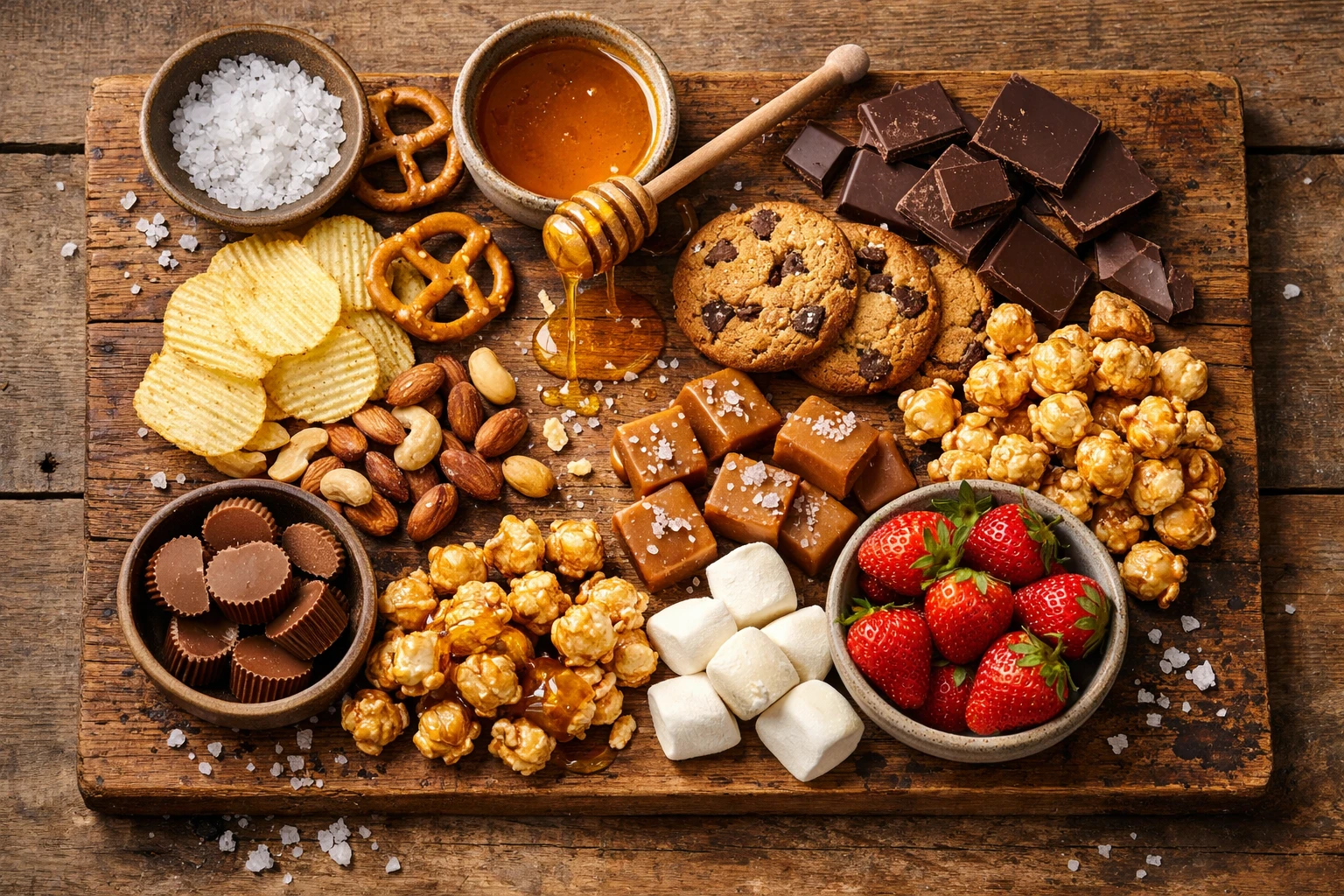
What Are Swalty Flavors?
The Sweet-Salty Trend Explained
| Aspect | Details |
|---|---|
| Definition | Sweet + salty flavor combinations |
| 2026 Trend | 32% projected growth by 2028 |
| Gen Z Preference | 5% stronger than swicy (sweet-spicy) |
| Market Value | $180B (2023) → $270B (2032) |
| Common Examples | Salted caramel, honey-sea salt, pretzel-chocolate |
| Health Concern | Refined sugars + excess sodium |
Typical Swalty Snack Profile
 ChatGPT
  Claude
  AI Mode
  Perplexity
NUTRITIONIST INSIGHT
Swalty snacks trigger intense reward responses by activating both sweet and salt taste receptors simultaneously. Research shows salt enhances sweet perception through the SGL1 receptor, making combinations feel more satisfying than either flavor alone—but this creates risk for overconsumption in metabolically vulnerable populations.
Myth Busters
MYTH #1: Swalty Snacks Are Healthier Because They Use Honey
TRUTH: While honey contains antioxidants and micronutrients absent in refined sugar, honey's glycemic index (GI 50) still elevates blood glucose substantially. Most commercial swalty products combine honey with refined carbs and excess sodium, creating metabolic challenges for diabetics and those with PCOS regardless of "natural sweetener" claims.
MYTH #2: Salt Doesn't Affect Blood Sugar Levels
TRUTH: Evidence is mixed. One BMJ study found salt addition to bread and lentils significantly increased postprandial glucose and insulin responses, possibly through accelerated starch digestion. However, other trials found no significant glycemic differences. Excessive sodium (over 3,400mg daily) independently increases diabetes risk primarily through hypertension pathways.
MYTH #3: Swalty Trends Are Just Marketing Hype
TRUTH: The swalty category demonstrates genuine consumer demand with projected 32% growth by 2028, far exceeding swicy's 10% growth. Gen Z shows measurably stronger preferences for sweet-salty over sweet-spicy combinations, driven by desires for sophisticated, emotionally rewarding snacks aligned with "little treat culture."
MYTH #4: Premium Swalty Products Are Better For You
TRUTH: Premiumization marketing positions swalty snacks as sophisticated and health-conscious, but most remain engineered for maximum palatability through hyperpalatable fat-sugar-salt combinations. Clean label claims emphasizing "natural ingredients" often obscure products containing refined carbs, excess sodium, and multiple additives that challenge blood glucose control and satiety signaling.
MYTH #5: Swalty Is Good for Pregnancy Cravings
TRUTH: Gestational diabetes affects 7-9% of pregnancies and requires carbohydrate quality control. Most commercial swalty snacks contain refined carbs that rapidly elevate blood glucose—exactly what gestational diabetes management aims to prevent. Better pregnancy swalty choices include Greek yogurt with honey-berries-nuts or nut butter with apple and sea salt.
MYTH #6: All Swalty Combinations Are Unhealthy
TRUTH: The issue isn't sweet-salty pairing itself (traditional across global cuisines) but commercial engineering for overconsumption. Whole-food swalty combinations like nut butter with fruit and sea salt, dark chocolate with almonds and salt, or Greek yogurt with honey and pistachios provide protein, fiber, and healthy fats that support stable blood glucose and satiety.
NutriScore by Health Goals
| Health Goal | NutriScore | Why This Score? |
|---|---|---|
| Weight Loss |  | Commercial swalty snacks combine refined carbs with hyperpalatable engineering designed for repeated consumption, creating calorie excess risk. Choose whole-food swalty alternatives. |
| Muscle Gain |  | Most swalty products lack adequate protein. Better options: nut butter with honey-salt, Greek yogurt with honey-pistachios. Combine protein with controlled carbs post-workout. |
| Diabetes Management | | Swalty snacks typically combine high-GI refined sugars with excess sodium, challenging blood glucose control. Choose low-GI whole-food swalty alternatives; limit sodium to 2,300mg daily. |
| PCOS Management | | PCOS requires low-GI carbs and high fiber (minimum 28g daily). Commercial swalty products often contain refined carbs, excess sodium, and lack fiber, worsening insulin resistance. |
| Pregnancy Nutrition | | Gestational diabetes requires 175g+ carbs daily from low-GI sources. Whole-food swalty snacks (yogurt-honey-nuts, cheese-crackers-veggies) support blood glucose stability. Avoid refined-sugar commercial swalty products. |
| Viral/Flu Recovery | | Honey offers antimicrobial properties and quick energy. Moderate swalty snacks provide electrolytes (sodium) for hydration. Choose natural honey-based options; avoid excess sodium exceeding 2,300mg daily during illness. |
PERSONALIZED NUTRITION
Track your meals with NutriScan for personalized NutriScores based on your specific health goals and metabolic needs!
Blood Sugar Response to Swalty Snacks
Understanding how sweet-salty combinations affect blood glucose helps you make informed snacking decisions, especially for diabetes, PCOS, or gestational diabetes management.
Typical Glucose Response: Commercial Swalty vs Whole-Food Alternative
*Chart shows typical blood glucose response. Individual responses vary. Not medical advice.*
How to Minimize Blood Sugar Spikes from Swalty Snacks
Choose whole-food swalty options combining protein, fiber, and healthy fats to slow glucose absorption and extend satiety:
- 🥜 Nut butter (almond, peanut) with apple slices + sea salt - Protein and healthy fats slow carb absorption
- 🥛 Greek yogurt with honey, berries, and chopped pistachios - Protein buffers glucose response; fiber from berries
- 🧀 Cheese with whole grain crackers + veggies - Protein and fiber combination stabilizes blood sugar
- 🫘 Edamame with light sea salt - Complete plant protein with minimal carbs
Avoid commercial swalty snacks with refined flour, added sugars, and excess sodium exceeding 200mg per serving.
Cultural Significance & Flavor Evolution
Sweet-salty combinations span centuries across global cuisines, reflecting sophisticated culinary traditions that modern swalty trends commercialize.
Traditional Sweet-Salty Foods:
- Middle Eastern: Date-and-salt combinations; tahini desserts with sea salt
- European: Salted caramel (French origins); pretzels with chocolate
- Asian: Salted preserved plums; miso caramel; salted matcha desserts
- Latin American: Chamoy (sweet-salty-spicy condiment); dulce de leche with sea salt
2026 Flavor Innovation:
McCormick's 2026 Flavor Forecast emphasizes "Deliciously Unexpected" combinations including chili cucumber salads (23M TikTok views) and Aji Amarillo (Flavor of the Year), reflecting consumer openness toward bold, culturally authentic flavor juxtapositions. The swalty trend represents democratization of traditionally specialized culinary techniques, making globally-inspired combinations accessible through convenient snack formats.
Gen Z Influence:
Over 70% of Gen Z discover food through TikTok, Instagram, and YouTube rather than traditional advertising. The "little treat culture"—normalized daily consumption of small affordable indulgences—positions swalty snacks as emotional regulation tools and self-care practices rather than occasional treats.
Compare & Substitute: Healthier Swalty Alternatives
Swalty Options Comparison (Per 100g)
| Nutrient | 🍬 Commercial Swalty Snack | 🥜 Nut Butter + Fruit + Salt | 🥛 Greek Yogurt + Honey + Nuts | 🍫 Dark Chocolate + Almonds |
|---|---|---|---|---|
| Calories | 450-550 kcal | 220 kcal | 150 kcal | 280 kcal |
| Carbs | 60-70g (refined) | 22g (whole) | 18g (low-GI) | 25g |
| Fiber | 1-2g | 5g | 2g | 7g |
| Protein | 3-5g | 8g | 15g | 9g |
| Fat | 20-25g (trans/sat) | 12g (healthy) | 6g | 18g (healthy) |
| Sodium | 300-500mg | 100mg | 60mg | 20mg |
| Added Sugar | 25-35g | 8g | 10g (honey) | 12g |
| GI Estimate | 65-75 (high) | 38 (low) | 45 (low) | 40 (low) |
| Best For | Occasional treat only | Diabetes-friendly snacking | Pregnancy/muscle gain | Heart-healthy indulgence |
Frequently Asked Questions
What exactly are swalty flavors?
Swalty refers to deliberate sweet-salty flavor combinations trending in 2026, encompassing products like salted caramel, honey with sea salt, pretzel-chocolate mixes, and gourmet popcorn blends. Gen Z consumers show 5% stronger preference for swalty over swicy (sweet-spicy) combinations, with the category projected to grow 32% by 2028 compared to swicy's 10% growth. The trend reflects consumer desires for complex multidimensional flavors that signal culinary sophistication and emotional reward.
Are swalty snacks safe for people with diabetes?
Most commercial swalty snacks combine refined sugars (high glycemic index) with elevated sodium, creating blood sugar spikes and cardiovascular concerns problematic for diabetes management. Research shows excessive sodium consumption independently increases diabetes risk through hypertension pathways; some studies suggest salt may accelerate carb digestion, further elevating postprandial glucose. Diabetics should choose low-GI whole-food swalty alternatives like nut butter with fruit and sea salt, Greek yogurt with honey-berries-nuts, or dark chocolate with almonds, limiting sodium to under 2,300mg daily as recommended by the American Heart Association.
Can pregnant women eat swalty foods?
Pregnant women can enjoy swalty flavors through whole-food combinations supporting gestational diabetes prevention and blood glucose stability. Gestational diabetes affects 7-9% of pregnancies and requires carbohydrate quality control emphasizing low-GI carbs distributed across small frequent meals. Appropriate pregnancy swalty snacks include Greek yogurt with honey-berries-nuts (provides protein-carb balance), cheese with whole grain crackers and vegetables (fiber-protein combination), edamame with light sea salt (complete plant protein), and nut butter with apple slices (healthy fats slow glucose absorption). Avoid commercial refined-sugar swalty products; limit total sodium to 2,300mg daily.
What are the healthiest swalty snack alternatives?
Healthier swalty options combine protein, fiber, and healthy fats to support stable blood glucose and sustained satiety. Examples include natural nut butter (almond, peanut, cashew) with apple or banana slices plus sea salt; Greek yogurt with raw honey, berries, and chopped pistachios or almonds; homemade trail mix combining unsalted nuts, minimal dried fruit, dark chocolate chips, and light sea salt; dark chocolate (70%+ cacao) with roasted almonds and sea salt; whole grain crackers with cheese and vegetables. Choose options with under 200mg sodium per serving, minimal added sugars, and low-to-moderate glycemic index carbohydrates.
Does salt directly affect blood sugar levels?
Research shows mixed results. A BMJ study found salt addition to bread and lentils significantly increased postprandial plasma glucose and insulin responses, possibly through salt-accelerated starch digestion and enhanced intestinal glucose absorption. However, subsequent trials examining salt restriction versus supplementation found no significant differences in peak glucose or areas under glucose curves. A 2024 meta-analysis concluded differences between low-salt and normal-salt groups were statistically significant but clinically minimal (approximately 0.193 mmol/l). Excessive sodium intake (over 3,400mg daily) increases diabetes risk primarily through hypertension and cardiovascular pathways rather than direct glucose metabolism effects.
Are swalty snacks appropriate for PCOS management?
Most commercial swalty snacks contain refined carbohydrates and excess sodium that worsen PCOS-associated insulin resistance and metabolic dysfunction. Evidence-based PCOS management emphasizes low glycemic index carbohydrates, high dietary fiber (minimum 28g daily), whole food-based patterns (Mediterranean, DASH diets), and controlled sodium intake. Better PCOS swalty choices include nut-based snacks providing protein-healthy fat combinations (almonds with minimal dried fruit and sea salt), Greek yogurt with honey-berries-nuts (protein buffers glucose response), edamame with light seasoning (complete plant protein), and dark chocolate with nuts (antioxidants plus satiety). Avoid hyperpalatable engineered swalty products specifically designed to trigger overconsumption.
How does the swalty trend relate to McCormick's 2026 Flavor Forecast?
McCormick's 2026 Flavor Forecast (25th edition) identifies three primary trends: Tropical Vibes, Charred & Smoked, and Deliciously Unexpected, with Aji Amarillo named Flavor of the Year. The "Deliciously Unexpected" category directly addresses consumer appetite for surprising flavor combinations and reimagined familiar ingredients, encompassing but not exclusively defined by swalty combinations. The forecast reflects broader consumer openness toward flavor mash-ups that challenge traditional categorization, including spicy-sweet, sour-sweet, savory-sweet, and multidimensional profiles. Swalty represents one manifestation of this larger trend toward culinary complexity and sensory adventure.
What portion sizes are appropriate for swalty snacks?
Portion control proves critical for swalty snacks due to hyperpalatable engineering designed for overconsumption. For commercial swalty products (occasional treats only), limit to 100-150 calories (approximately 1 ounce or 28g) consumed with protein or fiber-rich foods to buffer glucose response. For whole-food swalty alternatives, appropriate portions include 2 tablespoons nut butter with 1 medium fruit plus pinch salt; 3/4 cup Greek yogurt with 1 tablespoon honey, 1/4 cup berries, 2 tablespoons chopped nuts; 1 ounce dark chocolate with 1/4 cup almonds; 1 cup edamame with light sea salt. Track total daily sodium (under 2,300mg) and added sugars (under 25g women, 36g men) across all meals and snacks.




Similar Nutritious Foods
4505 Chicharrones Classic Chili Salt
7 Eleven Japan Crispy Corn Cheese
Explore More Nutrition Tools & Resources
AI Calorie Counter App - Snap a Photo, Get Macros
AI Nutritionist App That Reads Your Logged Meals
Best Protein Supplements for Women
Bulking Meal Plan App That Sets Your Surplus
ChatGPT Calorie Counter Alternative That Keeps the Total
ChatGPT Diet Plan Alternative That Tracks What You Eat
ChatGPT Weight Loss Coach Alternative With a Food Log
Fast Food Calorie Counter App That Reads the Tray
Free Calorie Tracker App with AI Photo Scans | NutriScan
Indian Diet Plan App With Veg and Non Veg Meals
Indian Food Calorie Calculator - Get Instant Nutrition Facts for Desi Meals — 2026
Intermittent Fasting for Women, Timer and Meal Log App
Intermittent Fasting Tracker App - Free Fasting Timer
Macro Tracker App That Fills the Numbers From a Photo
Mediterranean Diet Meal Plan App That Counts the Oil
Micronutrient Tracker App for Vitamins and Minerals
MyFitnessPal Alternative That Stays Free | NutriScan
NutriScore App: A Free Grade on Every Meal | NutriScan
Nutrition Label Scanner App for the Amount You Ate
Second Trimester Protein Guide
Vegetarian Meal Plan App With a Protein Target
Voice Calorie Counter - Speak to Track Meals Hands-Free
Water and Calorie Tracker App - Free Water Log