Trader Joe's Detroit-Style Pizza: Calories, Nutrition and Health Benefits
Trader Joe's May 2026 frozen launch — a pan-baked, square-cut Detroit-style pepperoni pizza with thick focaccia-style crust and signature caramelized cheese edges.
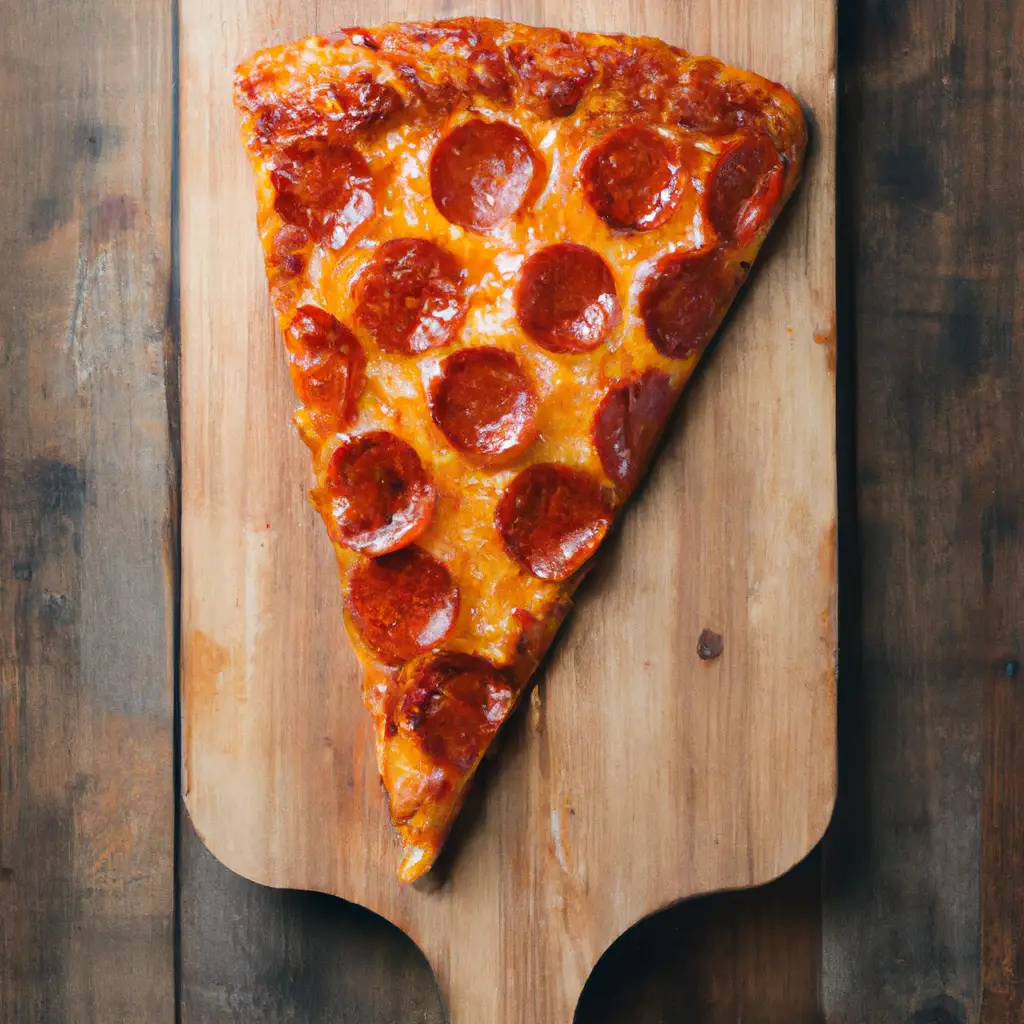
Quick Nutrition Facts
Per 1 Slice (1/4 pizza, ~120g)
| Nutrient | Amount |
|---|---|
| Calories | 340 kcal |
| Protein | 14g |
| Carbohydrates | 34g |
| Fiber | 2g |
| Sugars | 4g |
| Fat | 16g |
| Saturated Fat | 7g |
| Sodium | 720mg |
| Calcium | 180mg |
| Iron | 2.2mg |
Macronutrient Breakdown
 ChatGPT
  Claude
  AI Mode
  Perplexity
NUTRITIONIST INSIGHT
A single slice delivers 14g protein and a satisfying 340 calories — better protein density than thin-crust pizzas. The catch: 7g saturated fat and 720mg sodium per slice. Treat it as a balanced indulgence by pairing one slice with a leafy-green salad.
Myth Busters
MYTH #1: Detroit-Style Pizza Is "The Worst" Pizza for You
TRUTH: Per slice, it's actually comparable to many fast-food pizzas — 340 calories vs. 285-380 for a typical chain pepperoni slice. The thicker crust adds carbs but pizza eaten in moderation isn't linked to weight gain when total calories stay in check.
MYTH #2: Frozen Pizza Has No Real Nutrition
TRUTH: One slice provides 14g of complete protein, 180mg calcium, and 2.2mg iron. While not a "health food," it can fit a balanced day — especially when paired with vegetables.
MYTH #3: All the Cheese Means All Bad Fat
TRUTH: Cheese contributes saturated fat, but recent meta-analyses show dairy fat is not associated with increased cardiovascular risk in adults. Total saturated fat across the day matters more than a single slice.
MYTH #4: You Can't Eat Pizza on a High-Protein Diet
TRUTH: Two slices = 28g protein, equivalent to ~4 oz of chicken breast. Add a side of cottage cheese or a chicken salad for a 40g+ protein meal that still hits comfort food cravings.
MYTH #5: Detroit-Style Always Means Greasy
TRUTH: The signature crispy edges come from cheese caramelizing against the pan, not added oil. Fat content (16g/slice) is similar to a regular pepperoni slice — the texture difference is heat chemistry, not extra grease.
NutriScore by Health Goals
| Health Goal | NutriScore | Why This Score? |
|---|---|---|
| Weight Loss |  | 340 cal/slice with 16g fat — easy to overeat. Stick to 1 slice + big salad. Refined-flour crust offers limited fiber. |
| Muscle Gain |  | 14g protein/slice, fast carbs aid post-workout glycogen refill. Two slices = solid 28g protein, but watch saturated fat. |
| Diabetes Management | | Refined-flour crust spikes glucose; pair with non-starchy veggies and protein to blunt the response. Limit to 1 slice. |
| PCOS Management | | High refined carbs and saturated fat may worsen insulin resistance. Treat as occasional, pair with fiber-rich greens. |
| Pregnancy Nutrition | | Provides calcium and iron, but pepperoni should be heated until steaming hot to reduce listeria risk. Limit sodium intake. |
| Viral/Flu Recovery | | Warm, comforting, and protein-rich — but high sodium can worsen dehydration. Pair with water and fruit. |
PERSONALIZED NUTRITION
Track your meals with NutriScan for personalized NutriScores based on your specific health goals!
Blood Sugar Response to Detroit-Style Pizza
The refined-flour crust drives a meaningful glucose spike, partially blunted by the protein and fat in cheese and pepperoni.
Typical Glucose Response Curve
This chart shows typical blood glucose response for general healthy individuals. Individual responses may vary. Not medical advice.
How to Flatten the Spike
Pairing pizza with non-starchy vegetables and lean protein slows glucose absorption and reduces post-meal blood sugar:
- 🥗 Big leafy salad with vinegar dressing — fiber + acetic acid blunt glucose
- 🥒 Cucumber, peppers, cherry tomatoes — low-carb crunch alongside the slice
- 🍗 Side of grilled chicken or cottage cheese — extra protein extends satiety
- 🚶 10-minute walk after eating — muscle uptake of glucose lowers the peak
This combination not only flattens the glucose response but also extends fullness, helping prevent the second-slice temptation.
Cultural Significance
Detroit-style pizza was born in 1946 at Buddy's Rendezvous in Detroit, Michigan, when Gus Guerra baked pizza in repurposed automotive parts trays — blue-steel utility pans from local factories. The deep, rectangular pan produced the signature thick crust and crispy "frico" cheese edges where cheese met hot metal.
The Detroit-style anatomy:
- Square pan-baked crust — focaccia-like, airy interior with crispy bottom
- Cheese to the edge — Wisconsin brick cheese caramelizes against the pan
- Sauce on top — "red top" stripes added after baking (often)
- Pepperoni placed under cheese — keeps it from crisping/burning
Global adoption:
- Once a regional Michigan staple, Detroit-style went mainstream in the 2010s
- Major chains (Pizza Hut, Little Caesars) launched Detroit-style menu items
- Trader Joe's frozen launch (May 2026) brings the style to grocery freezers nationwide
Compare & Substitute
Detroit-Style Pizza vs Other Pizza Styles (Per 100g)
| Nutrient | 🍕 TJ's Detroit-Style | 🍕 NY-Style Pepperoni | 🍕 Thin-Crust Cheese | 🍕 Cauliflower Crust |
|---|---|---|---|---|
| Calories | 283 kcal | 266 kcal | 240 kcal | 195 kcal |
| Carbs | 28g | 30g | 28g | 18g |
| Fiber | 1.7g | 2g | 2g | 3g |
| Protein | 11.7g | 11g | 10g | 9g |
| Fat | 13.3g | 11g | 9g | 10g |
| Sodium | 600mg | 540mg | 580mg | 480mg |
| Sat Fat | 5.8g | 5g | 4g | 4g |
| Best For | Comfort meal, post-workout | Quick slice, lower fat | Lighter pizza option | Lower-carb, diabetes-friendly |
Frequently Asked Questions
How many calories are in Trader Joe's Detroit-Style Pizza?
One slice (1/4 of the pizza, ~120g) has 340 calories, 14g protein, 16g fat, and 34g carbs. A whole pizza contains roughly 1,360 calories across 4 slices.
Portion guide: 1 slice = a balanced indulgence with salad. 2 slices = a full meal at ~680 calories.
Is Trader Joe's Detroit-Style Pizza healthy?
It's a moderate-indulgence frozen meal — better than many fast-food alternatives, but not a daily staple.
Wins:
- 14g protein per slice (above average for pizza)
- Real cheese and pepperoni, no artificial flavors
- Calcium and iron per slice
Watch-outs:
- 720mg sodium per slice (~31% DV)
- 7g saturated fat per slice
- Refined-flour crust = low fiber
Pair with a salad and limit to 1-2 slices to keep it balanced.
Can diabetics eat Detroit-style pizza?
Diabetics can eat 1 slice in moderation. The 34g refined carbs will raise blood sugar, so the goal is to flatten the response.
Tips for diabetics:
- Limit to 1 slice (avoid stacking)
- Pair with a large non-starchy salad (greens, cucumber, peppers)
- Add extra protein (grilled chicken, cottage cheese)
- Take a 10-15 minute walk after eating
- Monitor blood glucose 1-2 hours post-meal
Always consult your healthcare provider for personalized guidance.
How much protein is in Trader Joe's Detroit-Style Pizza?
Each slice provides 14g protein from mozzarella, brick cheese, and pepperoni. Two slices deliver 28g protein — comparable to ~4 oz of chicken breast.
Boost it further: Add cottage cheese (12g), Greek yogurt dip (10g), or grilled chicken side (25g) for a 40g+ protein meal.
How do you cook Trader Joe's Detroit-Style Pizza?
Best method: Bake from frozen at 425°F (220°C) for 14-17 minutes directly on the middle oven rack or a preheated baking sheet.
Tips:
- Do not thaw — bake straight from frozen
- Place a sheet of foil below to catch any cheese drips
- The signature caramelized cheese edges develop best at full heat
- Let rest 2 minutes before slicing
Is Detroit-style pizza different from regular pizza?
Yes — significantly different from Neapolitan, NY-style, or Chicago deep-dish.
Detroit-style hallmarks:
- Square pan baked in steel utility trays
- Thick, focaccia-like crust — airy inside, crispy bottom
- Cheese to the edge that caramelizes against the pan ("frico")
- Sauce stripes on top (added after baking, traditionally)
- Pepperoni under cheese to prevent burning
It's denser and more calorie-rich than thin-crust styles but offers more protein per slice.
How does Detroit-style compare to NY-style pizza calorically?
Per 100g, Detroit-style is slightly more calorie-dense (~283 vs. 266 kcal) due to the thicker crust and cheese-to-edge coverage. Per slice, comparisons depend on slice size — a Detroit slice is typically smaller (square cut) but denser than a triangular NY slice.
Bottom line: Calories are similar; the experience is different.
Can I eat this pizza on a weight-loss plan?
Yes, with strategy. A 340-calorie slice can fit if it replaces (not adds to) other meals.
Smart approach:
- Stick to 1 slice + 2 cups leafy salad with light dressing
- Total meal stays around 450-500 calories
- Skip sugary drinks; choose water or unsweetened tea
- Keep frequency to 1-2 times per week
Track with NutriScan to see how it fits your daily targets.


Similar Nutritious Foods
4505 Chicharrones Classic Chili Salt
7 Eleven Japan Crispy Corn Cheese
Explore More Nutrition Tools & Resources
AI Calorie Counter App - Snap a Photo, Get Macros
AI Nutritionist App That Reads Your Logged Meals
Best Protein Supplements for Women
Bulking Meal Plan App That Sets Your Surplus
ChatGPT Calorie Counter Alternative That Keeps the Total
ChatGPT Diet Plan Alternative That Tracks What You Eat
ChatGPT Weight Loss Coach Alternative With a Food Log
Fast Food Calorie Counter App That Reads the Tray
Free Calorie Tracker App with AI Photo Scans | NutriScan
Indian Diet Plan App With Veg and Non Veg Meals
Indian Food Calorie Calculator - Get Instant Nutrition Facts for Desi Meals — 2026
Intermittent Fasting for Women, Timer and Meal Log App
Intermittent Fasting Tracker App - Free Fasting Timer
Macro Tracker App That Fills the Numbers From a Photo
Mediterranean Diet Meal Plan App That Counts the Oil
Micronutrient Tracker App for Vitamins and Minerals
MyFitnessPal Alternative That Stays Free | NutriScan
NutriScore App: A Free Grade on Every Meal | NutriScan
Nutrition Label Scanner App for the Amount You Ate
Second Trimester Protein Guide
Vegetarian Meal Plan App With a Protein Target
Voice Calorie Counter - Speak to Track Meals Hands-Free
Water and Calorie Tracker App - Free Water Log