Trader Joe's Jambalaya: Calories, Nutrition and Health Benefits
Trader Joe's spring 2026 frozen jambalaya delivers Cajun-inspired comfort with shrimp, andouille sausage, and seasoned rice in a heat-and-eat skillet meal.
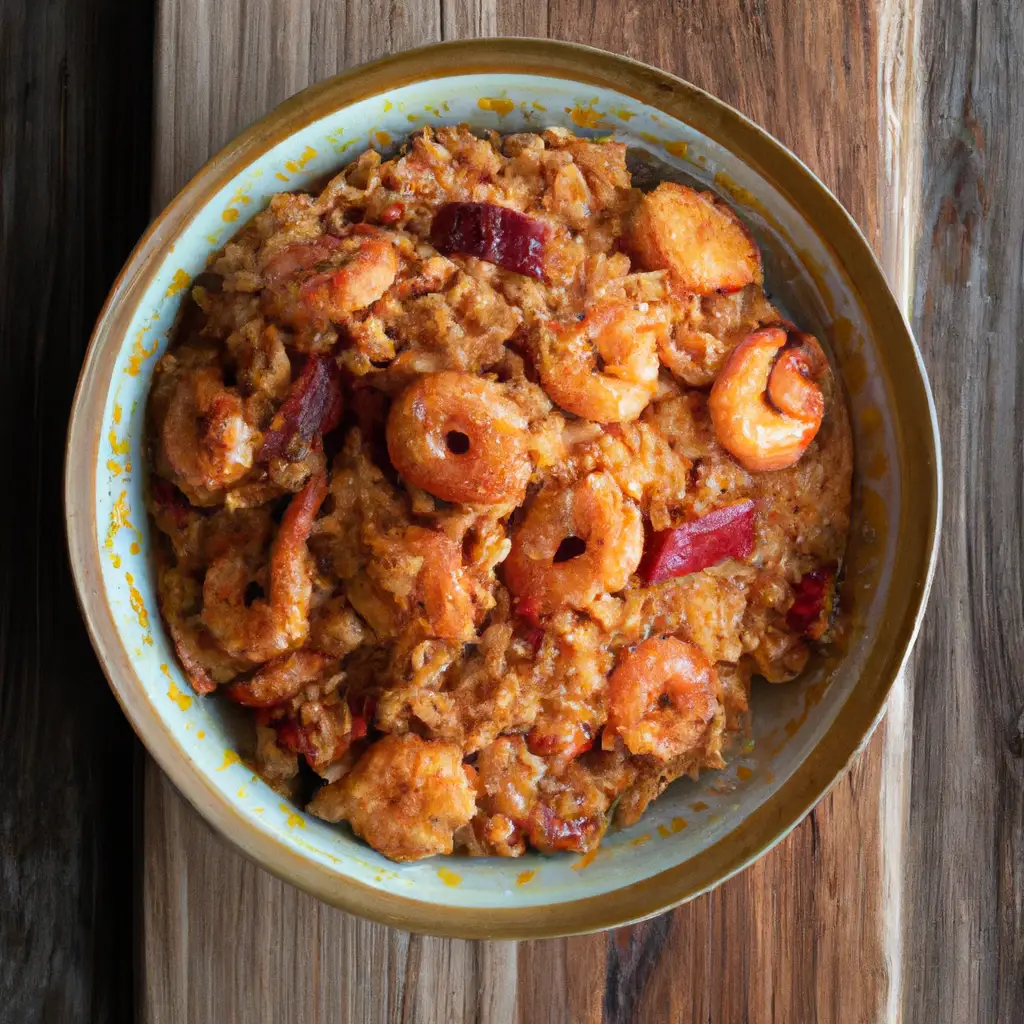
Quick Nutrition Facts
Per 1 Cup Serving (227g)
| Nutrient | Amount |
|---|---|
| Calories | 360 kcal |
| Protein | 16g |
| Carbohydrates | 52g |
| Fiber | 3g |
| Sugars | 4g |
| Fat | 9g |
| Saturated Fat | 3g |
| Sodium | 780mg |
| Iron | 2.5mg |
| Selenium | 28mcg |
Macronutrient Breakdown
 ChatGPT
  Claude
  AI Mode
  Perplexity
NUTRITIONIST INSIGHT
A single serving covers 32% of your daily protein needs and adds 28mcg selenium for thyroid health. Watch the 780mg sodium - that's roughly 34% of the daily ceiling, so balance the day with low-sodium meals.
Myth Busters
MYTH #1: Frozen Jambalaya Has No Real Protein
TRUTH: One serving packs 16g of complete protein from shrimp and andouille sausage - more than two large eggs. Shrimp delivers high-quality protein with all nine essential amino acids and just 1g of fat per ounce.
MYTH #2: Diabetics Should Skip Jambalaya Entirely
TRUTH: Diabetics can include half a serving (26g carbs) in a balanced meal. Pairing rice-based dishes with vegetables and lean protein blunts the post-meal glucose spike compared with rice eaten alone.
MYTH #3: All Frozen Meals Cause Weight Gain
TRUTH: At 360 calories, this serving fits a 1,600-calorie weight-loss plan. Weight gain depends on total daily intake, not the meal format. The 16g protein and 3g fiber together support fullness for 3-4 hours.
MYTH #4: Andouille Sausage Is Too Processed to Be Worth It
TRUTH: While processed meats should be limited, moderate intake (under 50g/day) fits within most diets. The small andouille portion adds smoky flavor without overwhelming the dish nutritionally.
MYTH #5: Spicy Cajun Food Hurts Gut Health
TRUTH: Mild-to-medium spice levels can actually support gut microbial diversity and metabolism. Only those with active GERD or IBS should reduce capsaicin-rich meals.
MYTH #6: Pre-Cooked Rice Loses All Nutrients
TRUTH: Frozen pre-cooked rice retains most B vitamins and iron. Cooling and reheating rice increases its resistant starch content, which feeds beneficial gut bacteria and slightly lowers the glycemic impact.
NutriScore by Health Goals
| Health Goal | NutriScore | Why This Score? |
|---|---|---|
| Weight Loss |  | 360 calories with 16g protein supports satiety, but 780mg sodium and 52g carbs require portion control. Best as half-portion with extra greens. |
| Muscle Gain |  | 16g complete protein + 52g carbs replenish glycogen. Add 3oz grilled chicken or shrimp to reach 30g+ post-workout protein target. |
| Diabetes Management |  | 52g refined carbs and high sodium spike both glucose and blood pressure. ADA recommends 30-45g carbs per meal for most adults with diabetes. |
| PCOS Management | | Refined rice may impact insulin sensitivity. Stick to half-portion and pair with leafy greens or chickpeas for fiber. |
| Pregnancy Nutrition | | Protein and iron are helpful, but pregnant women should ensure shrimp is fully cooked to 145°F and limit sodium. Heat thoroughly per package directions. |
| Viral/Flu Recovery | | Warm carbs, easy-to-eat protein, and selenium (28mcg) support immune recovery. Drink extra water to offset the sodium load. |
PERSONALIZED NUTRITION
Track your meals with NutriScan for personalized NutriScores based on your specific health goals!
Blood Sugar Response to Trader Joe's Jambalaya
The white-rice base and 52g of carbs make this a higher-glycemic meal. Smart pairings keep glucose steady.
Typical Glucose Response Curve
This chart shows typical blood glucose response for general healthy individuals. Individual responses may vary. Not medical advice.
How to Flatten the Spike
Adding fiber, fat, or vinegar to a rice meal lowers the glycemic response and slows gastric emptying:
- 🥗 Side salad with olive oil - Vinegar + fat blunt the glucose curve
- 🥑 Half avocado on top - Healthy fats slow carb absorption
- 🥦 Steamed broccoli or okra - Adds 4-5g extra fiber
- 🥚 One soft-boiled egg - Boosts protein-to-carb ratio
These additions extend energy release and trim peak glucose by 15-25 mg/dL in most adults.
Cultural Significance
Jambalaya is the heart of Louisiana Creole and Cajun cuisine, born from 18th-century Spanish-French settlers blending paella technique with West African cooking and local ingredients.
In the United States:
- New Orleans festivals like Mardi Gras and Jazz Fest serve jambalaya by the cauldron
- Cajun households simmer it for family Sunday dinners and tailgates
- Trader Joe's 2026 frozen launch brings this regional staple to home freezers nationwide
Global Adoption:
- A close cousin to Spanish paella, West African jollof rice, and Caribbean pelau
- Cajun-style versions feature andouille sausage, while Creole adds tomatoes and seafood
- Increasingly popular in fusion menus across the UK, Australia, and Japan
Compare & Substitute
Trader Joe's Jambalaya vs Similar Frozen Meals (Per 100g)
| Nutrient | 🍤 TJ's Jambalaya | 🥘 TJ's Paella | 🍱 Healthy Choice Cajun | 🥡 Amy's Brown Rice Bowl |
|---|---|---|---|---|
| Calories | 159 kcal | 130 kcal | 110 kcal | 105 kcal |
| Carbs | 23g | 22g | 17g | 18g |
| Fiber | 1.3g | 1g | 2g | 3g |
| Protein | 7g | 5g | 7g | 4g |
| Fat | 4g | 3g | 1.5g | 2g |
| Sodium | 343mg | 280mg | 240mg | 195mg |
| Sugar | 1.8g | 2g | 3g | 2g |
| Selenium | 12mcg | 8mcg | 6mcg | 4mcg |
| Best For | Quick Cajun comfort meal | Mediterranean variety | Lower-sodium option | Plant-forward, high-fiber |
Frequently Asked Questions
How many calories are in Trader Joe's Jambalaya?
A 1-cup serving (227g) has 360 calories with 16g protein, 9g fat, and 52g carbs. The full 16oz bag contains about 2 servings (720 total calories).
Is Trader Joe's Jambalaya healthy?
It is moderately healthy. The 16g protein and 3g fiber support satiety, but 780mg sodium per serving is high. Pair with a leafy salad and skip extra salt to fit a heart-healthy plan.
Can diabetics eat Trader Joe's Jambalaya?
Yes, in controlled portions. Half a serving keeps carbs near 26g, in line with ADA per-meal carb guidance. Pair with non-starchy vegetables and lean protein to flatten the glucose curve.
How much protein is in Trader Joe's Jambalaya?
Each serving delivers 16g of complete protein from shrimp and andouille sausage. To hit 30g+ for post-workout recovery, add 3oz grilled chicken or an extra handful of cooked shrimp.
Is Trader Joe's Jambalaya gluten-free?
Not certified gluten-free. The andouille and Cajun seasoning blend may include wheat-based fillers. Always check the current package allergen statement before serving anyone with celiac disease.
How do you cook Trader Joe's Jambalaya?
Skillet: Empty bag into a non-stick pan with 2 tablespoons water, cover, and cook on medium 8-10 minutes, stirring once.
Microwave: 5-6 minutes on high in a covered microwave-safe dish.
Cook shrimp to an internal temperature of 145°F.
Is Trader Joe's Jambalaya spicy?
Mild-to-medium heat. The andouille and Cajun seasoning add warmth without overwhelming spice. Add a dash of hot sauce or fresh sliced jalapeños if you prefer more kick.
Can I freeze leftovers of Trader Joe's Jambalaya?
It is already pre-frozen, so refreezing cooked leftovers is not recommended. Refrigerate any unused portion in an airtight container for up to 2 days and reheat once to 165°F.


Similar Nutritious Foods
4505 Chicharrones Classic Chili Salt
7 Eleven Japan Crispy Corn Cheese
Explore More Nutrition Tools & Resources
AI Calorie Counter App - Snap a Photo, Get Macros
AI Nutritionist App That Reads Your Logged Meals
Best Protein Supplements for Women
Bulking Meal Plan App That Sets Your Surplus
ChatGPT Calorie Counter Alternative That Keeps the Total
ChatGPT Diet Plan Alternative That Tracks What You Eat
ChatGPT Weight Loss Coach Alternative With a Food Log
Fast Food Calorie Counter App That Reads the Tray
Free Calorie Tracker App with AI Photo Scans | NutriScan
Indian Diet Plan App With Veg and Non Veg Meals
Indian Food Calorie Calculator - Get Instant Nutrition Facts for Desi Meals — 2026
Intermittent Fasting for Women, Timer and Meal Log App
Intermittent Fasting Tracker App - Free Fasting Timer
Macro Tracker App That Fills the Numbers From a Photo
Mediterranean Diet Meal Plan App That Counts the Oil
Micronutrient Tracker App for Vitamins and Minerals
MyFitnessPal Alternative That Stays Free | NutriScan
NutriScore App: A Free Grade on Every Meal | NutriScan
Nutrition Label Scanner App for the Amount You Ate
Second Trimester Protein Guide
Vegetarian Meal Plan App With a Protein Target
Voice Calorie Counter - Speak to Track Meals Hands-Free
Water and Calorie Tracker App - Free Water Log