Veg Pulau: Calories, Nutrition and Health Benefits
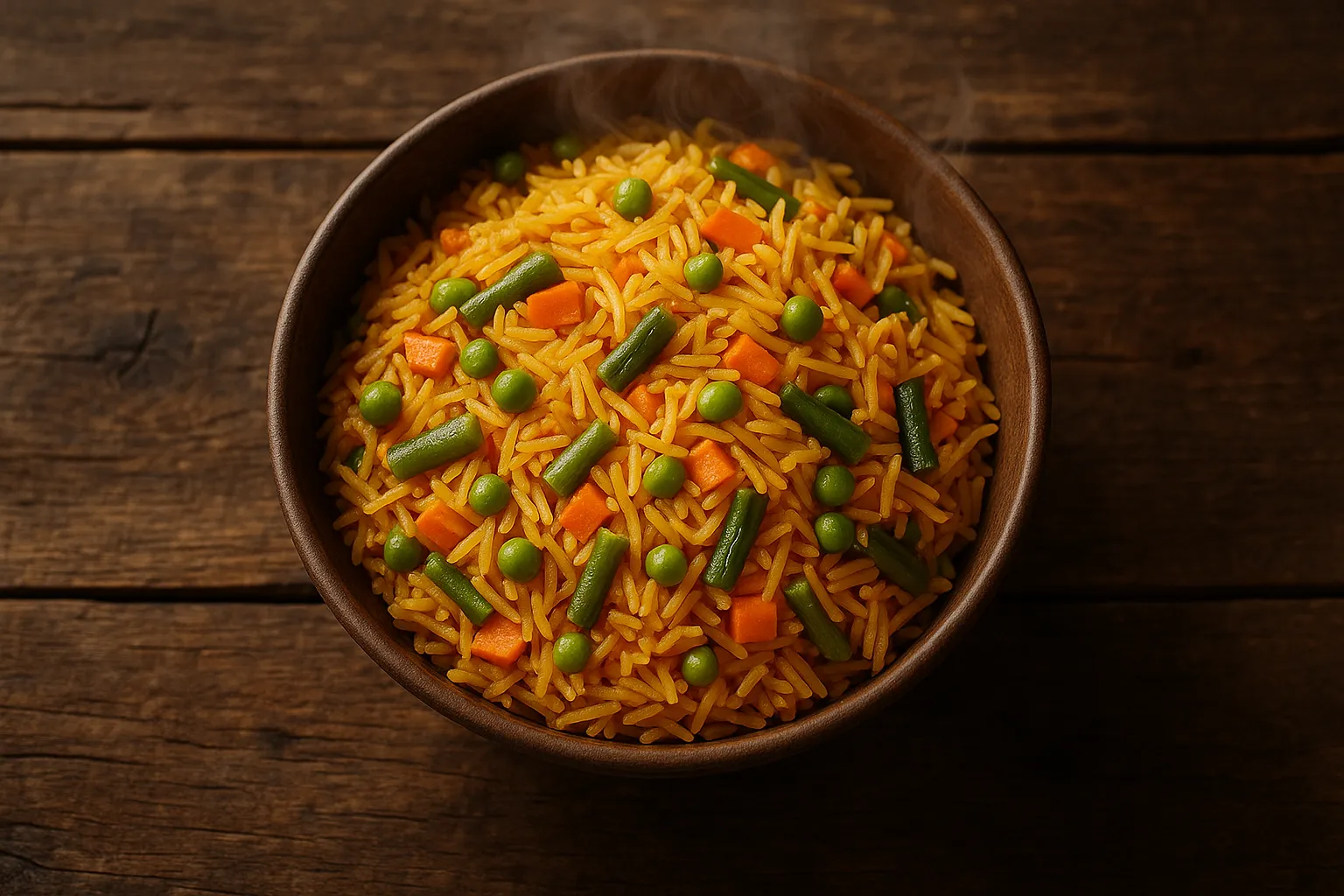
Balanced vegetarian rice dish packed with vegetables, sustained energy, and essential micronutrients for complete meals.
Quick Nutrition Facts
Per 100g Cooked Veg Pulau
| Nutrient | Amount |
|---|---|
| Calories | 156 kcal |
| Protein | 4.0g |
| Carbohydrates | 25g |
| Fiber | 3.2g |
| Sugars | 1.2g |
| Fat | 6.0g |
| Iron | 1.5mg |
| Magnesium | 38mg |
| Vitamin A | 420 IU |
| Vitamin C | 4.5mg |
Macronutrient Breakdown
 ChatGPT
  Claude
  AI Mode
  Perplexity
NUTRITIONIST INSIGHT
Veg pulau combines rice's energy with vegetable fiber (3.2g per 100g), creating a balanced meal. The addition of vegetables boosts micronutrient density and reduces the glycemic impact compared to plain rice. Using brown rice, bajra, or quinoa further improves fiber and mineral content for sustained energy.
Myth Busters
MYTH #1: Pulau Is Just Fried Rice
TRUTH: Traditional veg pulau uses minimal oil (cooked via steam absorption) versus fried rice's deep-frying. Homemade pulau with 1 tsp oil per serving has 6g fat; fried rice has 12-15g. The cooking method significantly impacts nutritional value.
MYTH #2: Pulau Causes Rapid Weight Gain
TRUTH: At 156 calories per 100g, portion control matters. One cup (200g) = 312 calories—reasonable for a meal. Fiber (3.2g) promotes satiety, supporting weight loss when balanced with protein and vegetables.
MYTH #3: Diabetics Should Avoid Pulau Completely
TRUTH: Veg pulau is diabetic-compatible due to added vegetables and fiber. Brown rice or bajra pulau reduces glycemic index by 15-25% versus white rice. Pair with lentils or yogurt for protein.
MYTH #4: Pulau Has No Nutritional Value
TRUTH: Vegetables in pulau provide vitamin A (eye health), vitamin C (immunity), iron (energy), and magnesium (muscle function). Combined with rice's B vitamins and manganese, pulau is a nutrient-dense base meal.
MYTH #5: Brown Rice Pulau Tastes Worse
TRUTH: Brown rice pulau, when properly cooked (45-50 min with adequate water), is nutty and flavorful. It retains the germ and bran, adding texture and nutrition. Traditional recipes using aromatics (cardamom, cinnamon) mask any earthiness.
MYTH #6: Pulau Must Use Ghee for Taste
TRUTH: Studies show light vegetable oil with mustard seeds, cumin, and fresh herbs delivers comparable taste with 30-50% less fat. Ghee can be reserved for special occasions without sacrificing daily nutrition.
NutriScore by Health Goals
| Health Goal | NutriScore | Why This Score? |
|---|---|---|
| Weight Loss |  | 156 calories, 3.2g fiber promotes fullness. Limit to 1 cup (200g), add lean protein (tofu, lentils), reduce oil. Best as lunch with side salad. |
| Muscle Gain | | 25g carbs replenish muscle glycogen; 4g protein adequate for maintenance. Pair with 100g grilled chicken, paneer, or 1 cup lentils for muscle-building carb-protein ratio. |
| Diabetes Management | | Brown or bajra pulau lowers GI; 3.2g fiber slows carb absorption. Portion: half cup (100g), pair with yogurt or lentils for protein. Monitor blood sugar 2 hours post-meal. |
| PCOS Management |  | 25g carbs in white rice pulau can spike insulin; brown rice/bajra preferred. Limit to half cup, add 100g protein, include non-starchy vegetables, eat midday. |
| Pregnancy Nutrition |  | Iron (1.5mg) and folate from vegetables support fetal development; carbs provide energy for pregnancy demands. Safe 1 cup daily. |
| Viral/Flu Recovery | | Easy to digest, easily digested carbs fuel recovery; vegetables provide immune vitamin C (4.5mg). Soft pulau (add broth) aids healing. |
PERSONALIZED NUTRITION
Track your meals with NutriScan for personalized NutriScores based on your specific health goals!
Blood Sugar Response to Veg Pulau
White rice pulau has a moderate glycemic impact (GI ~56-65) due to added vegetables. Brown or bajra pulau reduces GI by 15-25%.
Typical Glucose Response Curve
*This chart shows typical blood glucose response for general healthy individuals. Individual responses may vary. Not medical advice.*
How to Flatten the Spike
Pairing veg pulau with protein and non-starchy vegetables reduces peak glucose and extends energy release:
- 🥛 Greek yogurt or dahi (curd) - Protein + probiotics slow carb absorption
- 🌾 Lentils or split peas - Plant protein + additional fiber stabilizes glucose
- 🥬 Leafy greens or cucumber - Non-starchy vegetables add volume without carbs
- 🥄 Use vinegar-based dressing - Acetic acid reduces glycemic response by 20-30%
This combination extends satiety to 3+ hours and maintains stable energy without glucose spikes.
Cultural Significance
Veg pulau is a cornerstone of Indian, Persian, and Central Asian cuisines for over 1,500 years.
In India:
- Iconic dish across North (Lucknow pulau), South, and East regions
- Festival staple for Diwali, weddings, and family gatherings
- Regional variations: Kashmir (with saffron and nuts), Kolkata (with potatoes), Hyderbadi style
- Vegetarian-friendly for Hindu and Jain communities
- Traditionally cooked in large vessels (handi/deg) for community meals
Global Impact:
- Persian pilaf heritage influences Indian pulau
- Spread globally through Indian diaspora and restaurants
- Comfort food worldwide; adapts to local vegetables
- Sustainable meal: uses pantry staples (rice, lentils, seasonal vegetables)
Compare & Substitute
Veg Pulau vs Similar Rice Dishes (Per 100g)
| Nutrient | 🍚 Veg Pulau (White) | 🍚 Plain Rice | 🍚 Brown Rice Pulau | 🥘 Biryani (Veg) |
|---|---|---|---|---|
| Calories | 156 kcal | 130 kcal | 148 kcal | 185 kcal |
| Carbs | 25g | 28g | 24g | 28g |
| Fiber | 3.2g | 0.4g | 3.6g | 2.8g |
| Protein | 4.0g | 2.7g | 4.2g | 4.5g |
| Fat | 6.0g | 0.3g | 6.2g | 8.5g |
| Iron | 1.5mg | 0.8mg | 1.8mg | 1.6mg |
| GI | 56-65 (Moderate) | 73 (High) | 42-52 (Low) | 60 (Moderate-High) |
| Best For | Balanced meals, weight loss | Calorie control, pure carbs | Diabetes, sustained energy | Celebrations, festive meals |
Frequently Asked Questions
Is veg pulau good for weight loss?
Yes, veg pulau supports weight loss via portion control. At 156 calories per 100g with 3.2g fiber promoting satiety, one cup (200g) provides a complete 312-calorie meal. Fiber activates satiety hormones, keeping you fuller longer. Strategy: serve with leafy salad and lean protein (tofu, paneer) to extend fullness without excess calories.
Can diabetics eat veg pulau?
Absolutely, especially brown rice or bajra pulau. White rice pulau has moderate GI (56-65); brown rice pulau drops to 42-52. The vegetables add fiber that slows carb absorption, reducing blood sugar spikes. Best practice: eat half portions (100g), pair with yogurt or lentils for protein, and monitor blood sugar 2 hours post-meal.
How much protein is in veg pulau?
Standard veg pulau has 4g protein per 100g from white rice and vegetables. To boost: use brown rice (+0.2g), add 50g lentils (+6g), or top with paneer/tofu (+10g). Target 6-8g protein per serving for muscle support alongside the carbs.
What are the main health benefits of veg pulau?
Veg pulau delivers: sustained energy via complex carbs (25g per 100g); digestive support via fiber (3.2g); vitamins (A for eyes, C for immunity, B1 for metabolism); minerals (iron for oxygen, magnesium for muscles); easy digestibility. It's a complete vegetarian base meal when balanced with protein.
Is veg pulau healthier than plain rice?
Significantly healthier. Plain rice has 0.4g fiber; veg pulau has 3.2g—8x more. Vegetables in pulau add vitamin A (420 IU), vitamin C (4.5mg), and iron (1.5mg) versus plain rice's negligible micronutrients. Brown or bajra pulau further improves fiber (3.6g) and mineral content. Overall nutritional density: veg pulau > plain rice.
What's the best time to eat veg pulau?
Best timing depends on goals: Lunch (12-2 PM) for weight loss with salad; post-workout with protein for muscle gain; mid-day for diabetes with yogurt pairing. Avoid late night (after 8 PM) for weight loss due to slower metabolism. For energy-dependent work, eat pulau 2-3 hours before activity.
How do I reduce calories in veg pulau?
Reduce oil (use ½–1 tsp per serving instead of 2-3 tsp); use brown rice or bajra (lowers GI without adding calories); increase vegetable ratio (carrots, peas, beans add fiber/nutrients without high calories); skip ghee or use 1 tsp sparingly; pair with low-calorie sides (yogurt, cucumber raita). Result: 120-140 calories per 100g instead of 156.
Can I eat veg pulau for muscle gain?
Yes, with protein addition. Pulau's 25g carbs replenish muscle glycogen; pair with 100g grilled chicken, paneer, or 1 cup lentils for carb-protein balance (4:1 ratio optimal post-workout). Example: 1 cup veg pulau (312 cal) + 100g grilled paneer (160 cal) = balanced 472-calorie muscle-building meal.
Is store-bought veg pulau as nutritious as homemade?
No. Store-bought often contains excess salt (800mg vs 200mg homemade), added sugars, preservatives, and 15-20% more oil for shelf stability. Homemade allows control: fresh vegetables, measured oil, no additives. Make pulau in batches and freeze for convenience while retaining nutrition.
What's the difference between pulau and biryani?
Pulau: rice and vegetables cooked together in one pot via steam absorption; lighter (156 cal per 100g), more vegetable-forward. Biryani: meat/protein added, layered cooking method (dum pukht); richer (185 cal per 100g), more oil/ghee. Pulau is everyday healthy; biryani is celebratory, heavier.




Similar Nutritious Foods
4505 Chicharrones Classic Chili Salt
7 Eleven Japan Crispy Corn Cheese
Explore More Nutrition Tools & Resources
AI Calorie Counter App - Snap a Photo, Get Macros
AI Nutritionist App That Reads Your Logged Meals
Best Protein Supplements for Women
Bulking Meal Plan App That Sets Your Surplus
ChatGPT Calorie Counter Alternative That Keeps the Total
ChatGPT Diet Plan Alternative That Tracks What You Eat
ChatGPT Weight Loss Coach Alternative With a Food Log
Fast Food Calorie Counter App That Reads the Tray
Free Calorie Tracker App with AI Photo Scans | NutriScan
Indian Diet Plan App With Veg and Non Veg Meals
Indian Food Calorie Calculator - Get Instant Nutrition Facts for Desi Meals — 2026
Intermittent Fasting for Women, Timer and Meal Log App
Intermittent Fasting Tracker App - Free Fasting Timer
Macro Tracker App That Fills the Numbers From a Photo
Mediterranean Diet Meal Plan App That Counts the Oil
Micronutrient Tracker App for Vitamins and Minerals
MyFitnessPal Alternative That Stays Free | NutriScan
NutriScore App: A Free Grade on Every Meal | NutriScan
Nutrition Label Scanner App for the Amount You Ate
Second Trimester Protein Guide
Vegetarian Meal Plan App With a Protein Target
Voice Calorie Counter - Speak to Track Meals Hands-Free
Water and Calorie Tracker App - Free Water Log