African Dreams Habanasco Fermented Hot Sauce: Calories, Nutrition and Health Benefits
A fiery fermented habanero condiment with zero calories, probiotic benefits, and metabolism-boosting capsaicin in every drop.
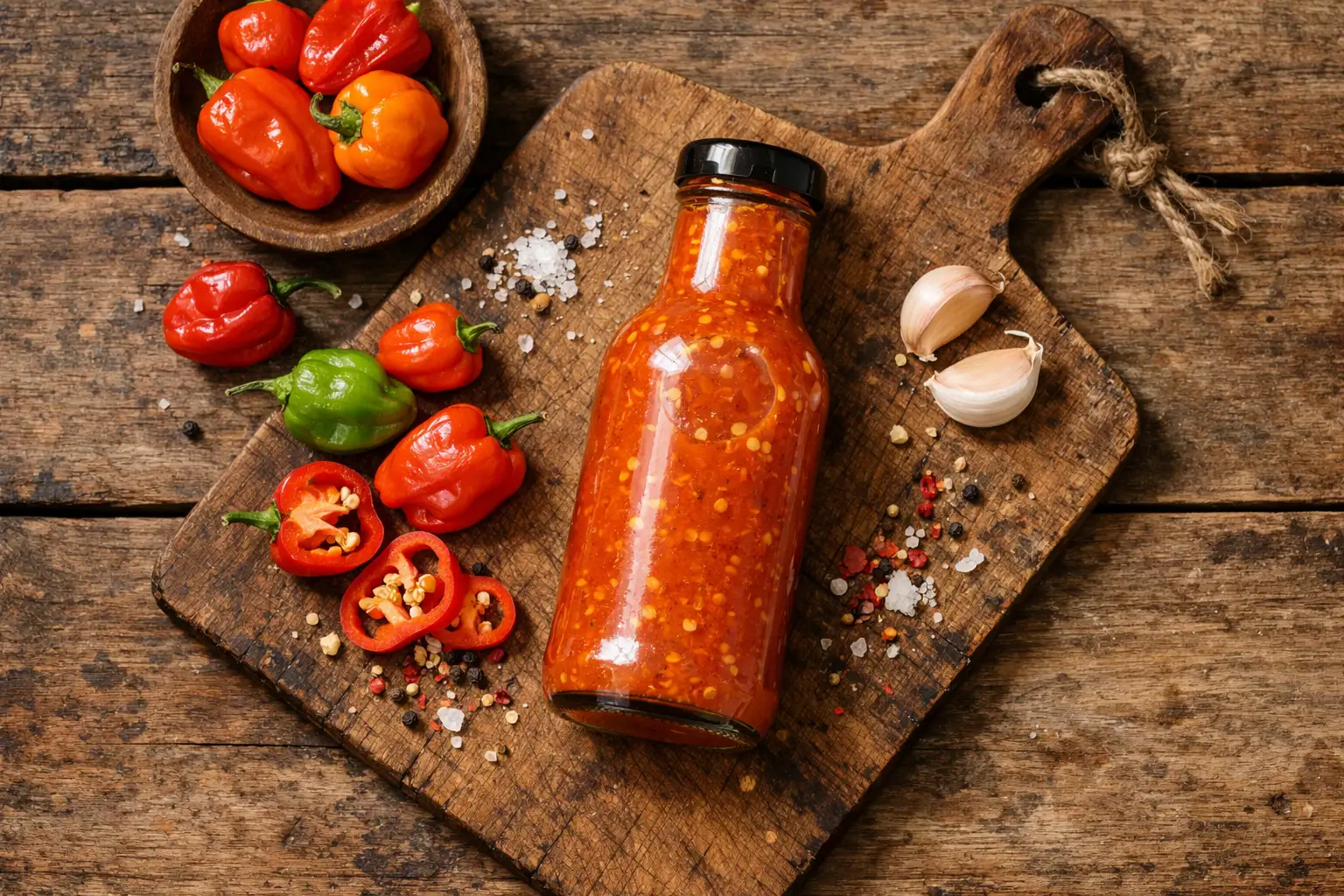
Quick Nutrition Facts
Per 1 Teaspoon (5ml)
| Nutrient | Amount |
|---|---|
| Calories | 0 kcal |
| Protein | 0g |
| Carbohydrates | 0g |
| Fiber | 0g |
| Sugars | 0g |
| Fat | 0g |
| Sodium | 130mg |
| Vitamin C | 3.8mg |
| Capsaicin | ~1.5mg |
Per 100g: 11 kcal, 0.5g protein, 1.5g carbs, 0.1g fat, 2,643mg sodium, 75mg vitamin C
Macronutrient Breakdown
 ChatGPT
  Claude
  AI Mode
  Perplexity
NUTRITIONIST INSIGHT
Fermented hot sauces like African Dreams Habanasco deliver a triple benefit: zero-calorie flavor, probiotic lactobacillus from lacto-fermentation, and capsaicin that can boost daily energy expenditure by approximately 50 kcal. Watch the sodium if you use more than 2 tablespoons per day.
Myth Busters
MYTH #1: Hot Sauce Is Bad for Your Stomach
TRUTH: Capsaicin actually stimulates digestive enzyme production and may protect the stomach lining. Research shows capsaicin activates TRPV1 receptors that enhance gastric motility rather than causing damage in healthy individuals.
MYTH #2: Fermented Hot Sauce Has No Real Probiotic Benefits
TRUTH: Lacto-fermentation produces live lactobacillus cultures that support gut microbiome diversity, improve nutrient absorption, and strengthen immune function, similar to yogurt or kimchi.
MYTH #3: Hot Sauce Raises Blood Pressure
TRUTH: While hot sauce contains sodium, capsaicin may actually help regulate blood pressure. Studies show capsaicin can improve endothelial function and promote vasodilation, potentially offsetting sodium effects when used in moderation.
MYTH #4: Spicy Foods Cause Ulcers
TRUTH: Ulcers are caused by H. pylori bacteria or NSAIDs, not spicy food. Capsaicin has been shown to inhibit acid secretion, stimulate protective mucus production, and may actually help prevent ulcers rather than cause them.
MYTH #5: All Hot Sauces Are the Same Nutritionally
TRUTH: Fermented hot sauces differ significantly from vinegar-based ones. Fermentation creates beneficial probiotics, increases vitamin bioavailability, and develops complex umami flavors without added sugar that many commercial sauces contain.
NutriScore by Health Goals
| Health Goal | NutriScore | Why This Score? |
|---|---|---|
| Weight Loss |  | Zero calories per serving. Capsaicin boosts metabolism by ~50 kcal/day and reduces appetite. Ideal calorie-free flavor enhancer. |
| Muscle Gain |  | Zero-calorie condiment that adds flavor without affecting macros. Capsaicin may reduce exercise-induced inflammation. |
| Diabetes Management | | Zero carbs, zero sugar. Capsaicin may improve insulin sensitivity and glucose metabolism. Monitor sodium intake. |
| PCOS Management | | No impact on blood sugar or insulin. Anti-inflammatory capsaicin may help manage PCOS-related inflammation. Watch sodium. |
| Pregnancy Nutrition |  | Generally safe per FDA GRAS status. May worsen heartburn common in pregnancy. Use in moderation and consult your doctor. |
| Viral/Flu Recovery | | Vitamin C supports immunity. Capsaicin helps clear congestion. Probiotics from fermentation support immune response during illness. |
PERSONALIZED NUTRITION
Track your meals with NutriScan for personalized NutriScores based on your specific health goals!
Blood Sugar Response to Fermented Hot Sauce
Understanding how fermented hot sauce affects your blood glucose helps optimize meal timing and food pairing.
Typical Glucose Response Curve
*This chart shows typical blood glucose response for general healthy individuals. Individual responses may vary. Not medical advice.*
How to Flatten the Spike
Capsaicin may actually help moderate post-meal blood sugar spikes by improving insulin response. Pair your hot sauce meals wisely:
- 🥑 Avocado or guacamole - Healthy fats slow glucose absorption
- 🥚 Eggs with hot sauce - Protein-rich breakfast with zero-carb heat
- 🫘 Black beans or lentils - Fiber-rich base that benefits from added capsaicin
- 🥗 Grilled chicken salad - Lean protein with probiotic dressing alternative
This combination adds flavor without calories while potentially improving the glycemic response of your meal.
Cultural Significance
Hot sauce fermentation is a practice rooted in centuries of food preservation traditions across Africa, Central America, and Asia.
African Origins:
- African Dreams draws from West African fermentation traditions dating back centuries
- Habanero peppers originated in the Amazon basin but became central to West African cuisine via the slave trade
- Fermented pepper sauces (like shito in Ghana) are staples across the continent
- The name "Habanasco" blends habanero heat with African fermentation artistry
Global Hot Sauce Culture:
- Hot sauce is a $4.5 billion global industry growing 6% annually
- Fermented varieties (Tabasco, Sriracha, gochujang) represent the fastest-growing segment
- Capsaicin tolerance varies by culture: West African and South Asian cuisines use the highest concentrations
- The probiotic movement has renewed interest in traditional fermentation methods
Compare & Substitute
Fermented Hot Sauce vs Similar Condiments (Per 100g)
| Nutrient | 🌶️ African Dreams Habanasco | 🫙 Tabasco Original | 🌶️ Sriracha | 🥫 Ketchup |
|---|---|---|---|---|
| Calories | 11 kcal | 12 kcal | 93 kcal | 112 kcal |
| Carbs | 1.5g | 0.8g | 19g | 26g |
| Fiber | 0.5g | 0.3g | 1g | 0.3g |
| Protein | 0.5g | 0.8g | 2g | 1.7g |
| Fat | 0.1g | 0.8g | 1g | 0.1g |
| Sodium | 2,643mg | 2,640mg | 1,143mg | 907mg |
| Sugar | 0.5g | 0g | 15g | 22g |
| Vitamin C | 75mg | 4mg | 14mg | 4mg |
| Best For | Gut health, zero-cal heat | Classic heat, Bloody Marys | Asian dishes, sweet heat | Kids, burgers, low spice |
Frequently Asked Questions
How many calories are in African Dreams Habanasco?
0 calories per 1 teaspoon (5ml) serving. Per 100g, the sauce contains approximately 11 calories. Since typical usage is 1-2 teaspoons per meal, calorie impact is negligible, making it one of the best condiments for weight management.
Is fermented hot sauce actually probiotic?
Yes, lacto-fermentation produces live lactobacillus bacteria similar to those in yogurt and kimchi. However, probiotic content depends on whether the sauce is pasteurized after fermentation. African Dreams uses traditional fermentation methods that preserve beneficial cultures.
Can diabetics safely use this hot sauce?
Yes, with 0g carbs and 0g sugar per serving, fermented hot sauce is diabetes-friendly. Research suggests capsaicin may improve insulin sensitivity. The main consideration is sodium content (130mg per teaspoon), so monitor total daily sodium if managing blood pressure alongside diabetes.
Is hot sauce safe during pregnancy?
The FDA recognizes capsaicin as GRAS (Generally Recognized as Safe) for food use. Spicy foods do not harm the developing baby. The main concern is worsening pregnancy-related heartburn or acid reflux. Use in moderation and consult your healthcare provider.
How much hot sauce per day is healthy?
General Guidelines:
- 1-2 teaspoons per meal - Ideal for flavor and probiotic benefits
- Up to 2 tablespoons daily - Safe upper range for most adults
- Watch sodium - 2 tablespoons provides approximately 780mg sodium (34% DV)
Excessive use can cause digestive discomfort. Start with small amounts and increase gradually.
What makes fermented hot sauce different from regular hot sauce?
Fermented hot sauce undergoes lacto-fermentation where natural bacteria break down sugars, creating probiotics, deeper flavor complexity, and improved nutrient bioavailability. Regular hot sauces typically use vinegar for acidity without the probiotic benefits.




Similar Nutritious Foods
4505 Chicharrones Classic Chili Salt
7 Eleven Japan Crispy Corn Cheese
Explore More Nutrition Tools & Resources
AI Calorie Counter App - Snap a Photo, Get Macros
AI Nutritionist App That Reads Your Logged Meals
Best Protein Supplements for Women
Bulking Meal Plan App That Sets Your Surplus
ChatGPT Calorie Counter Alternative That Keeps the Total
ChatGPT Diet Plan Alternative That Tracks What You Eat
ChatGPT Weight Loss Coach Alternative With a Food Log
Fast Food Calorie Counter App That Reads the Tray
Free Calorie Tracker App with AI Photo Scans | NutriScan
Indian Diet Plan App With Veg and Non Veg Meals
Indian Food Calorie Calculator - Get Instant Nutrition Facts for Desi Meals — 2026
Intermittent Fasting for Women, Timer and Meal Log App
Intermittent Fasting Tracker App - Free Fasting Timer
Macro Tracker App That Fills the Numbers From a Photo
Mediterranean Diet Meal Plan App That Counts the Oil
Micronutrient Tracker App for Vitamins and Minerals
MyFitnessPal Alternative That Stays Free | NutriScan
NutriScore App: A Free Grade on Every Meal | NutriScan
Nutrition Label Scanner App for the Amount You Ate
Second Trimester Protein Guide
Vegetarian Meal Plan App With a Protein Target
Voice Calorie Counter - Speak to Track Meals Hands-Free
Water and Calorie Tracker App - Free Water Log