Aloo Sabzi: Calories, Nutrition and Health Benefits
A beloved Indian comfort food combining spiced potatoes with essential nutrients, fiber, and resistant starch for balanced nutrition.
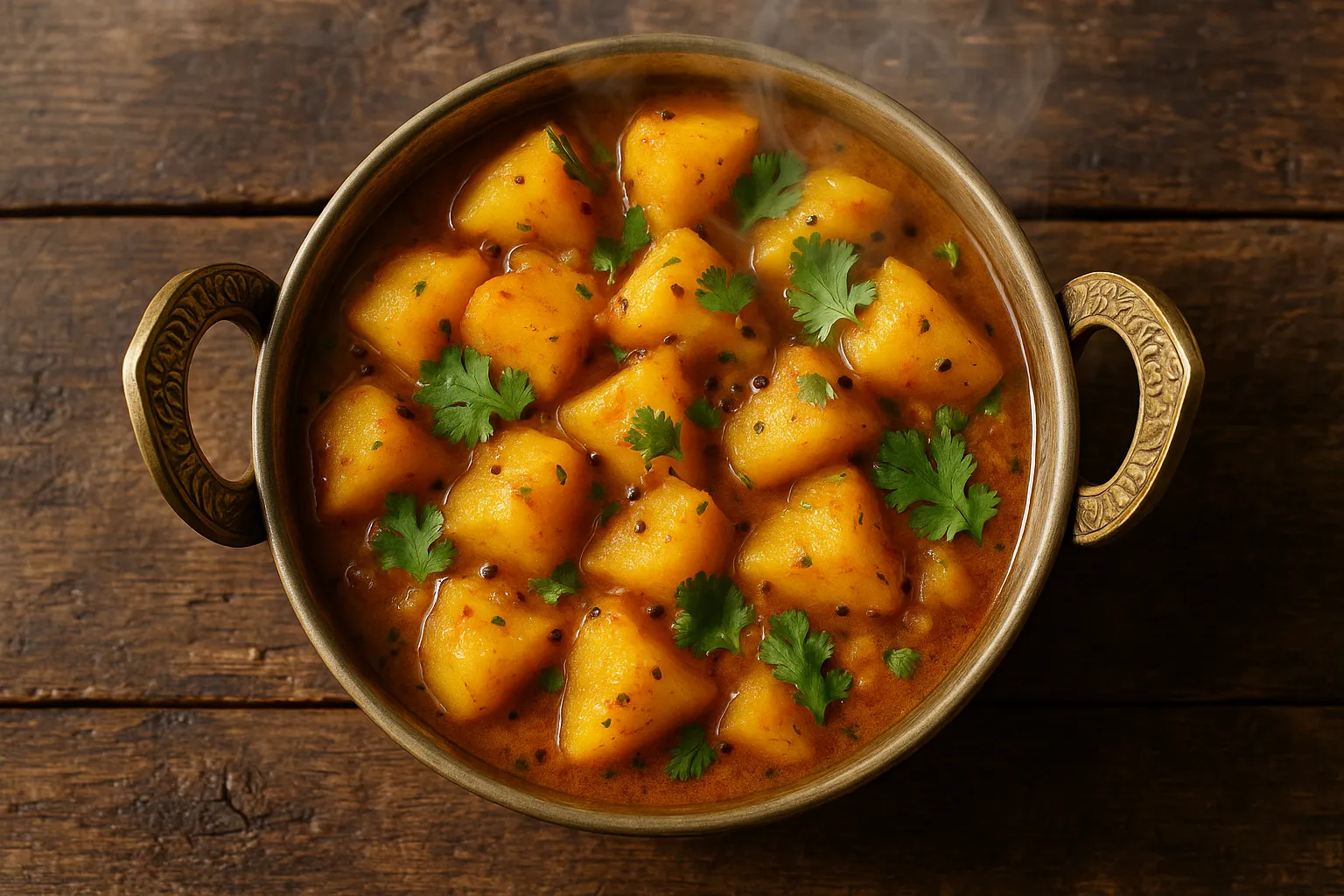
Quick Nutrition Facts
Per 1 Cup (150g)
| Nutrient | Amount |
|---|---|
| Calories | 173 kcal |
| Protein | 3.5g |
| Carbohydrates | 26g |
| Fiber | 3.5g |
| Sugars | 2.5g |
| Fat | 6g |
| Potassium | 630mg |
| Vitamin C | 15mg |
| Iron | 1.2mg |
| Magnesium | 35mg |
Macronutrient Breakdown
 ChatGPT
  Claude
  AI Mode
  Perplexity
NUTRITIONIST INSIGHT
Cooling potatoes after cooking increases resistant starch by 50%, improving blood sugar control and gut health. Always use minimal oil (1-2 tsp per serving) for weight management.
Myth Busters
MYTH #1: Aloo Sabzi Causes Weight Gain
TRUTH: Weight gain comes from excess calories, not potatoes. A 150g serving has only 173 calories with 3.5g fiber promoting fullness. Use minimal oil and pair with protein-rich dal for balanced meals.
MYTH #2: Diabetics Should Never Eat Potatoes
TRUTH: Diabetics can eat potatoes with smart preparation. Chilled boiled potatoes have higher resistant starch (GI drops from 85 to 55-60), improving blood sugar response. Portion control (100g) and pairing with fiber vegetables is key.
MYTH #3: Potatoes Have No Nutritional Value
TRUTH: Potatoes provide 630mg potassium (18% DV), vitamin C, vitamin B6, and resistant starch. The spices in aloo sabzi (turmeric, cumin) add anti-inflammatory compounds and antioxidants.
MYTH #4: All Potato Dishes Are the Same
TRUTH: Preparation matters significantly. Boiled/steamed aloo sabzi (115 kcal/100g) vs fried potato curry (180+ kcal/100g). Cooking and cooling increases resistant starch, which behaves like fiber.
NutriScore by Health Goals
| Health Goal | NutriScore | Why This Score? |
|---|---|---|
| Weight Loss |  | 173 calories per serving with 3.5g fiber. Moderate choice if oil-controlled; pair with protein and vegetables. Limit to 100-150g servings. |
| Muscle Gain | | Provides carbs for energy (26g) but low protein (3.5g). Best as side dish with dal, paneer, or chicken for complete nutrition. |
| Diabetes Management | | Moderate GI (55-65). Choose chilled boiled potatoes, limit to 100g, pair with high-fiber vegetables. Monitor blood sugar response. |
| PCOS Management |  | Moderate carbs affect insulin sensitivity. Use chilled potatoes, add fiber vegetables, anti-inflammatory spices. Limit to 100g; better alternatives: cauliflower, beans. |
| Pregnancy Nutrition |  | Good potassium source (630mg) for blood pressure, iron for fetal development. Safe and nutritious comfort food. Add protein-rich dal for balanced meal. |
| Viral/Flu Recovery | | Easy to digest, provides quick energy, vitamin C for immunity. The warming spices (ginger, turmeric) have anti-inflammatory properties supporting recovery. |
PERSONALIZED NUTRITION
Track your meals with NutriScan for personalized NutriScores based on your specific health goals!
Blood Sugar Response to Aloo Sabzi
Understanding how aloo sabzi affects your blood glucose helps you make informed meal choices, especially for diabetes and PCOS management.
Typical Glucose Response Curve
This chart shows typical blood glucose response for general healthy individuals. Individual responses may vary. Not medical advice.
How to Flatten the Spike
Pairing aloo sabzi with protein and fiber significantly reduces the glucose peak and extends energy release:
- 🥄 Dal (lentils) - Adds protein and fiber, perfect combination
- 🥛 Yogurt/Curd (dahi) - Provides protein and probiotics
- 🥗 Mixed vegetable salad - Extra fiber slows digestion
- 🥒 Cucumber raita - Cooling, protein-rich accompaniment
Pro tip: Prepare potatoes ahead, refrigerate for 12-24 hours before cooking. This increases resistant starch by 50%, lowering GI from 85 to 55-60.
Cultural Significance
Aloo sabzi is one of India's most beloved comfort foods, found in every household across regions with countless regional variations.
In India:
- Essential component of daily meals, especially in North Indian cuisine
- Prepared differently across regions: Punjabi (with jeera), Bengali (with mustard seeds), South Indian (with curry leaves and coconut)
- Served with roti, paratha, puri, or rice
- Traditional home remedy during illness (easy to digest, comforting)
- Aloo (potato) introduced to India by Portuguese in 16th century, now deeply integrated into Indian cuisine
Ayurvedic Perspective:
- Potatoes are considered Kapha-increasing (grounding, nourishing)
- Spices (turmeric, cumin, ginger) balance Vata and Pitta doshas
- Recommended during convalescence for easy digestion and energy
Global Impact:
- Indian potato consumption: 50+ million tonnes annually
- Aloo sabzi variants popular worldwide (samosa filling, aloo curry, aloo gobi)
- Sustainable, affordable protein-vegetable combination
Compare & Substitute
Aloo Sabzi vs Similar Indian Dishes (Per 100g)
| Nutrient | 🥔 Aloo Sabzi | 🥦 Gobi Sabzi (Cauliflower) | 🥕 Gajar Matar (Carrot Peas) | 🌱 Palak Sabzi (Spinach) |
|---|---|---|---|---|
| Calories | 115 kcal | 65 kcal | 80 kcal | 55 kcal |
| Carbs | 17g | 8g | 12g | 5g |
| Fiber | 2.3g | 2.8g | 3.5g | 3.2g |
| Protein | 2.3g | 2.5g | 3g | 3.5g |
| Fat | 4g | 3g | 3.5g | 2.5g |
| Potassium | 420mg | 350mg | 280mg | 420mg |
| Iron | 0.8mg | 0.5mg | 1.2mg | 2.5mg |
| Vitamin C | 10mg | 55mg | 18mg | 25mg |
| Best For | Energy, quick meal, comfort | Weight loss, low-carb | Fiber, eye health | Iron, weight loss |
Frequently Asked Questions
Is aloo sabzi good for weight loss?
Aloo sabzi can support weight loss when prepared mindfully. At 115 calories per 100g with 2.3g fiber, it provides satiety without excessive calories.
Best practices for weight loss: Limit servings to 100-150g (2/3 to 1 cup); use minimal oil (1-2 tsp, preferably olive or mustard oil); pair with protein-rich dal or yogurt; add fiber vegetables (beans, carrots, peas); choose boiled over fried preparation.
Can diabetics eat aloo sabzi?
Yes, diabetics can include aloo sabzi with smart modifications. The key is preparation method and portion control.
Diabetes-friendly tips: Boil potatoes, then cool in refrigerator for 12-24 hours before cooking (increases resistant starch, lowers GI to 55-60); limit portion to 100g (2/3 cup); pair with high-fiber vegetables (beans, spinach) and protein (dal, paneer); eat during lunch when insulin sensitivity is highest; monitor blood sugar 2 hours after eating; avoid fried or oil-heavy preparations.
How many calories in aloo sabzi?
Aloo sabzi contains 115 calories per 100g (home-style preparation with minimal oil). A typical 1 cup serving (150g) provides approximately 173 calories with 26g carbohydrates, 3.5g protein, and 6g fat.
Restaurant versions may contain 150-200 calories per 100g due to higher oil content. Always account for preparation method when tracking calories.
What are the health benefits of aloo sabzi?
Key Benefits:
- Potassium-Rich: 630mg per serving supports blood pressure regulation and heart health
- Resistant Starch: Especially in chilled potatoes, improves gut health and blood sugar control
- Fiber: 3.5g per serving aids digestion and satiety
- Vitamin C: 15mg boosts immunity and collagen production
- Anti-Inflammatory Spices: Turmeric, cumin, ginger provide antioxidants
- Energy: Complex carbs provide sustained energy for daily activities
When is the best time to eat aloo sabzi?
Optimal timing depends on goals:
- Weight Loss: Lunch (when metabolism is highest) or early dinner (3-4 hours before sleep). Pair with salad, dal, and whole grain roti.
- Diabetes: Lunch preferred (better insulin sensitivity). Avoid late night due to lower insulin response.
- Muscle Gain: Post-workout within 2 hours for carb replenishment, paired with protein source.
- General Health: Any meal, but lunch maximizes digestion capacity (Ayurvedic principle: Agni strongest at noon).
IMPORTANT NOTE
Avoid heavy, oil-rich aloo sabzi late at night. Allow 2-3 hours for digestion before sleep.
Is aloo sabzi healthy for PCOS?
Aloo sabzi can fit PCOS diets with specific modifications to manage insulin resistance and inflammation.
PCOS-friendly preparation: Use chilled boiled potatoes (higher resistant starch, lower GI); limit portion to 100g; add fiber-rich vegetables (beans, capsicum, spinach); use anti-inflammatory spices (turmeric, cumin, ginger); pair with protein (paneer, dal, Greek yogurt); avoid fried or oil-heavy versions.
Better alternatives for PCOS: Cauliflower sabzi, mixed vegetable sabzi with minimal potato, or bean-based curries (lower carb, higher fiber).
How to make aloo sabzi healthier?
Healthier Preparation Tips:
- Reduce Oil: Use 1 tsp per serving instead of 1-2 tbsp
- Increase Resistant Starch: Boil potatoes, cool overnight, then cook
- Add Vegetables: Mix in beans, peas, carrots, capsicum for fiber and nutrients
- Smart Spicing: Use turmeric, cumin, coriander (anti-inflammatory)
- Portion Control: Serve 100-150g with larger portion of dal and salad
- Cooking Method: Steam or boil instead of frying
- Protein Pairing: Always combine with dal, yogurt, or paneer
Track optimized aloo sabzi recipes in NutriScan app for personalized nutrition insights!


Similar Nutritious Foods
4505 Chicharrones Classic Chili Salt
7 Eleven Japan Crispy Corn Cheese
Explore More Nutrition Tools & Resources
AI Calorie Counter App - Snap a Photo, Get Macros
AI Nutritionist App That Reads Your Logged Meals
Best Protein Supplements for Women
Bulking Meal Plan App That Sets Your Surplus
ChatGPT Calorie Counter Alternative That Keeps the Total
ChatGPT Diet Plan Alternative That Tracks What You Eat
ChatGPT Weight Loss Coach Alternative With a Food Log
Fast Food Calorie Counter App That Reads the Tray
Free Calorie Tracker App with AI Photo Scans | NutriScan
Indian Diet Plan App With Veg and Non Veg Meals
Indian Food Calorie Calculator - Get Instant Nutrition Facts for Desi Meals — 2026
Intermittent Fasting for Women, Timer and Meal Log App
Intermittent Fasting Tracker App - Free Fasting Timer
Macro Tracker App That Fills the Numbers From a Photo
Mediterranean Diet Meal Plan App That Counts the Oil
Micronutrient Tracker App for Vitamins and Minerals
MyFitnessPal Alternative That Stays Free | NutriScan
NutriScore App: A Free Grade on Every Meal | NutriScan
Nutrition Label Scanner App for the Amount You Ate
Second Trimester Protein Guide
Vegetarian Meal Plan App With a Protein Target
Voice Calorie Counter - Speak to Track Meals Hands-Free
Water and Calorie Tracker App - Free Water Log