Aloo Samosa: Calories, Nutrition and Health Benefits
India's most beloved crispy triangular snack filled with spiced potatoes and peas, served hot with tangy chutneys.
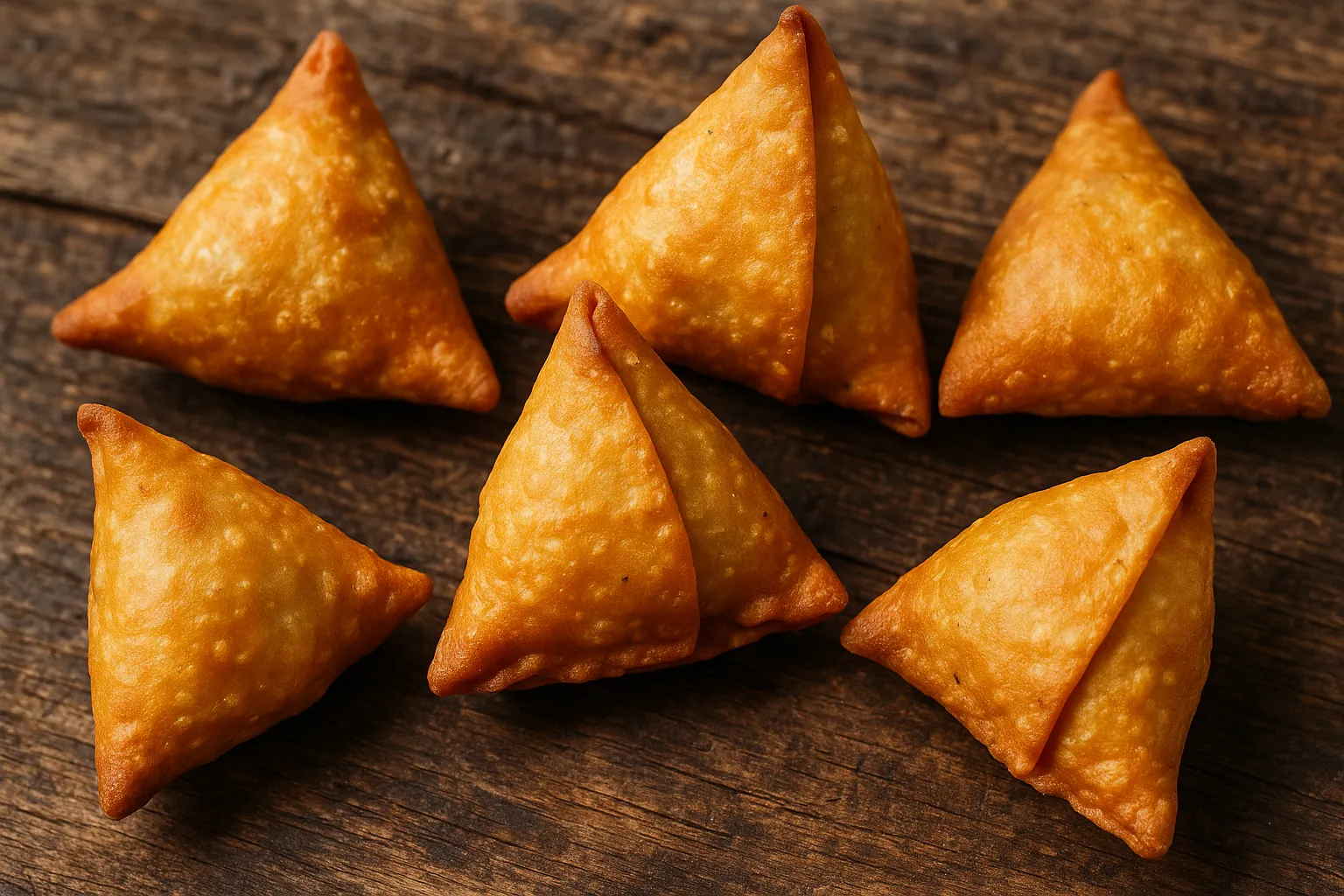
Quick Nutrition Facts
Per 1 Piece Aloo Samosa (100g)
| Nutrient | Amount |
|---|---|
| Calories | 262 kcal |
| Protein | 5.2g |
| Carbohydrates | 38g |
| Fiber | 3.5g |
| Sugars | 2.8g |
| Fat | 10g |
| Sodium | 425mg |
| Potassium | 295mg |
| Iron | 1.8mg |
| Calcium | 28mg |
Macronutrient Breakdown
 ChatGPT
  Claude
  AI Mode
  Perplexity
NUTRITIONIST INSIGHT
Samosas are energy-dense comfort food best enjoyed occasionally. The deep-frying process increases calorie and fat content significantly. Choose baked or air-fried versions to reduce oil absorption by up to 70%.
Myth Busters
MYTH #1: Samosas Are Pure Junk Food
TRUTH: While high in calories, samosas provide carbohydrates (38g) for energy, plant-based protein from potatoes and peas, and fiber (3.5g) for digestion. The issue is deep-frying and portion size, not the ingredients themselves.
MYTH #2: Eating Samosa Once Will Ruin Your Diet
TRUTH: One samosa occasionally won't derail weight loss goals. What matters is overall calorie balance. Enjoy mindfully, limit to half portion, and balance with lighter meals the same day.
MYTH #3: Baked Samosas Are Just as Tasty
TRUTH: Baked samosas have different texture but can be delicious with proper seasoning. They contain 40-50% fewer calories (130-150 kcal vs 262 kcal) and significantly less fat while maintaining flavor when prepared correctly.
MYTH #4: Samosas Have No Nutritional Value
TRUTH: Samosas provide potassium (295mg), iron (1.8mg), B vitamins from potatoes, and plant protein. The potato-pea filling offers resistant starch that supports gut health when eaten cooled.
MYTH #5: Store-Bought Samosas Are Healthier
TRUTH: Store-bought samosas often contain trans fats, preservatives, and excess sodium (500-600mg). Homemade versions allow control over ingredients, oil quality, and preparation method.
MYTH #6: You Must Avoid Samosas Completely on Diet
TRUTH: Complete restriction can lead to cravings and binging. Strategic inclusion of favorite foods improves diet adherence. Enjoy half a samosa monthly with portion awareness and activity compensation.
NutriScore by Health Goals
| Health Goal | NutriScore | Why This Score? |
|---|---|---|
| Weight Loss |  | High calorie density (262 kcal), deep-fried with 10g fat. Limit to half portion monthly; choose baked alternatives. |
| Muscle Gain |  | Provides carbs (38g) for energy but limited protein (5.2g). Better post-workout options exist; if eating, pair with high-protein yogurt. |
| Diabetes Management | | High GI (70-80) causes rapid blood sugar spike. Diabetics should limit fried foods. Avoid or eat rarely. |
| PCOS Management | | Deep-fried foods worsen insulin resistance. High in refined carbs and inflammatory oils. Avoid or choose baked version rarely. |
| Pregnancy Nutrition | | Occasional craving satisfaction is acceptable, but deep-fried foods should be limited. Choose homemade baked versions. |
| Viral/Flu Recovery | | Heavy, oily food is hard to digest during illness. High sodium can cause dehydration. Choose lighter, easily digestible options instead. |
PERSONALIZED NUTRITION
Track your meals with NutriScan for personalized NutriScores based on your specific health goals!
Blood Sugar Response to Aloo Samosa
Understanding how samosas affect your blood glucose helps make informed snacking decisions.
Typical Glucose Response Curve
*This chart shows typical blood glucose response for healthy individuals. Individual responses may vary. Not medical advice.*
How to Flatten the Spike
Pairing samosa with protein or fiber slows glucose absorption:
- 🥛 Plain yogurt or raita - Adds protein and probiotics for better digestion
- 🥗 Mixed vegetable salad - Fiber slows carbohydrate absorption
- 🥒 Cucumber mint raita - Cooling, protein-rich accompaniment
- 🌱 Green chutney - Adds nutrients without sugar spike
Avoid pairing with sweet tamarind chutney or sugary drinks, which compound the glucose spike.
Cultural Significance
Samosas trace their origins to the Middle East and Central Asia, arriving in India during the 13th-14th century with traders and invaders.
In India:
- Ubiquitous street food found across all regions with local variations
- Essential at celebrations, festivals, and chai-time gatherings
- Regional varieties: Punjabi samosa (large, spicy), Bengali samosa (sweet), South Indian samosa (smaller, milder)
- Served with regional chutneys: mint-coriander, tamarind, coconut
Evolution:
- Traditional samosas were filled with meat; aloo (potato) filling became popular in North India
- Modern variations include cheese, paneer, noodle, chocolate, and pizza fillings
- Air-fryer revolution has created healthier preparation methods
- Exported globally as popular Indian appetizer
Compare & Substitute
Aloo Samosa vs Similar Snacks (Per 100g)
| Nutrient | 🥟 Aloo Samosa | 🍞 Bread Pakora | 🌯 Kachori | 🥟 Spring Roll (Baked) |
|---|---|---|---|---|
| Calories | 262 kcal | 246 kcal | 315 kcal | 165 kcal |
| Carbs | 38g | 32g | 42g | 28g |
| Fiber | 3.5g | 2.8g | 4.2g | 2.5g |
| Protein | 5.2g | 6.8g | 5.8g | 5.0g |
| Fat | 10g | 9.5g | 14g | 4.2g |
| Sodium | 425mg | 520mg | 480mg | 310mg |
| Iron | 1.8mg | 2.1mg | 2.3mg | 1.2mg |
| Best For | Occasional treat | Higher protein | Festive occasions | Weight management |
Frequently Asked Questions
How many calories are in one aloo samosa?
One medium aloo samosa (100g) contains 262 calories. Size variations affect total calories: small samosas (60-70g) have 160-185 calories; large restaurant-style samosas (130-150g) can contain 340-390 calories.
Factors affecting calorie content: Oil absorption during frying adds 40-60 calories; whole wheat vs refined flour (minimal difference); filling ingredients (peas add protein, fewer calories than pure potato).
Can I eat samosa during weight loss?
Yes, but with strict portion control and frequency limits. One samosa contains 15-20% of daily calorie needs for weight loss (1200-1500 calorie diet).
Weight loss strategies:
- Limit to half samosa every 2-3 weeks, not weekly
- Choose baked/air-fried versions (130-150 calories vs 262)
- Eat at 3-4 PM when metabolism is active, never dinner
- Pair with high-volume, low-calorie foods (salad, clear soup)
- Compensate with 30-minute brisk walk (burns ~150 calories)
Track with NutriScan app to see impact on daily calorie budget.
Are samosas healthy?
Traditional deep-fried samosas are not considered healthy due to high calorie density, saturated fat, and sodium content. However, they're not entirely without merit.
Nutritional positives:
- Provide energy from complex carbohydrates
- Potatoes offer potassium, vitamin C, resistant starch (when cooled)
- Peas add plant protein and fiber
- Spices provide antioxidants
Health concerns:
- Deep-frying creates trans fats and oxidized oils
- High sodium (425mg per piece, 18% daily limit)
- Refined flour has minimal nutrients
- Easy to overeat due to palatability
Healthier approach: Enjoy occasionally as part of balanced diet; choose homemade baked versions; limit frequency.
Can diabetics eat samosa?
Diabetics should significantly limit or avoid samosas due to high glycemic index (70-80) and refined carbohydrates.
If eating samosa:
- Maximum half portion, once monthly
- Always pair with high-protein foods (paneer, chicken, eggs)
- Never eat on empty stomach or as standalone snack
- Monitor blood sugar 1-2 hours after eating
- Choose baked version to reduce fat load
Better alternatives: Roasted chana, sprouts chaat, vegetable cutlets (baked), or protein-rich snacks that won't spike blood sugar.
What is the best time to eat samosa?
Mid-afternoon (3-4 PM) is the optimal time if you choose to eat samosa.
Timing breakdown:
- Morning/Breakfast: Too heavy; disrupts metabolism
- Afternoon (3-4 PM): ✅ Best - metabolism active, time to burn calories before sleep
- Evening (5-7 PM): Acceptable occasionally if followed by light dinner
- Night/Dinner: ❌ Avoid - heavy, oily food disrupts sleep and fat metabolism
Important rules:
- Never eat on empty stomach (causes acidity)
- Allow 4-5 hours before bedtime
- Pair with herbal tea or warm water, not cold drinks
How to make samosa healthier?
Healthier preparation methods:
1. Baking/Air-frying: Reduces oil by 70-80%, cuts calories to 130-150 per piece 2. Dough modifications: Use whole wheat flour; add minimal oil (1 tsp per cup flour); avoid ghee 3. Filling improvements: Add more vegetables (carrots, peas, beans); reduce potato quantity; include protein (boiled chickpeas, soy) 4. Portion control: Make smaller samosas (50-60g each) 5. Serving choices: Pair with mint-coriander chutney (5 calories) vs tamarind sauce (45 calories)
Nutrition comparison - Traditional vs Healthier:
- Traditional: 262 kcal, 10g fat
- Baked whole wheat: 145 kcal, 3.5g fat
- Savings: 117 calories (45% reduction)
How much sodium is in a samosa?
One aloo samosa contains 425mg sodium (18% of recommended 2,300mg daily limit). Restaurant and street vendor samosas can have 500-600mg due to added salt and flavor enhancers.
Sodium concerns:
- High intake raises blood pressure
- Causes water retention and bloating
- Problematic for heart disease, kidney disease patients
Reducing sodium: Make at home with controlled salt; avoid packaged/frozen samosas; don't add extra salt to filling; pair with fresh cucumber salad to balance sodium.
Are baked samosas really better?
Yes, significantly better from a nutritional standpoint.
Comparison per piece:
- Deep-fried: 262 calories, 10g fat (2-3g saturated)
- Baked: 145 calories, 3.5g fat (0.8g saturated)
- Benefit: 45% calorie reduction, 65% fat reduction
Taste difference: Baked samosas are less crispy but can be delicious with proper technique (brushing with oil, higher temperature baking). Air-frying produces crispier texture than baking.
Best method: Air-fry at 180°C for 15-18 minutes, lightly brushing with oil halfway through.




Similar Nutritious Foods
4505 Chicharrones Classic Chili Salt
7 Eleven Japan Crispy Corn Cheese
Explore More Nutrition Tools & Resources
AI Calorie Counter App - Snap a Photo, Get Macros
AI Nutritionist App That Reads Your Logged Meals
Best Protein Supplements for Women
Bulking Meal Plan App That Sets Your Surplus
ChatGPT Calorie Counter Alternative That Keeps the Total
ChatGPT Diet Plan Alternative That Tracks What You Eat
ChatGPT Weight Loss Coach Alternative With a Food Log
Fast Food Calorie Counter App That Reads the Tray
Free Calorie Tracker App with AI Photo Scans | NutriScan
Indian Diet Plan App With Veg and Non Veg Meals
Indian Food Calorie Calculator - Get Instant Nutrition Facts for Desi Meals — 2026
Intermittent Fasting for Women, Timer and Meal Log App
Intermittent Fasting Tracker App - Free Fasting Timer
Macro Tracker App That Fills the Numbers From a Photo
Mediterranean Diet Meal Plan App That Counts the Oil
Micronutrient Tracker App for Vitamins and Minerals
MyFitnessPal Alternative That Stays Free | NutriScan
NutriScore App: A Free Grade on Every Meal | NutriScan
Nutrition Label Scanner App for the Amount You Ate
Second Trimester Protein Guide
Vegetarian Meal Plan App With a Protein Target
Voice Calorie Counter - Speak to Track Meals Hands-Free
Water and Calorie Tracker App - Free Water Log