Amul Dark Chocolate: Calories, Nutrition and Health Benefits
Rich, dark cocoa delight packed with antioxidant polyphenols—India's trusted dairy brand brings heart-healthy indulgence to your table.
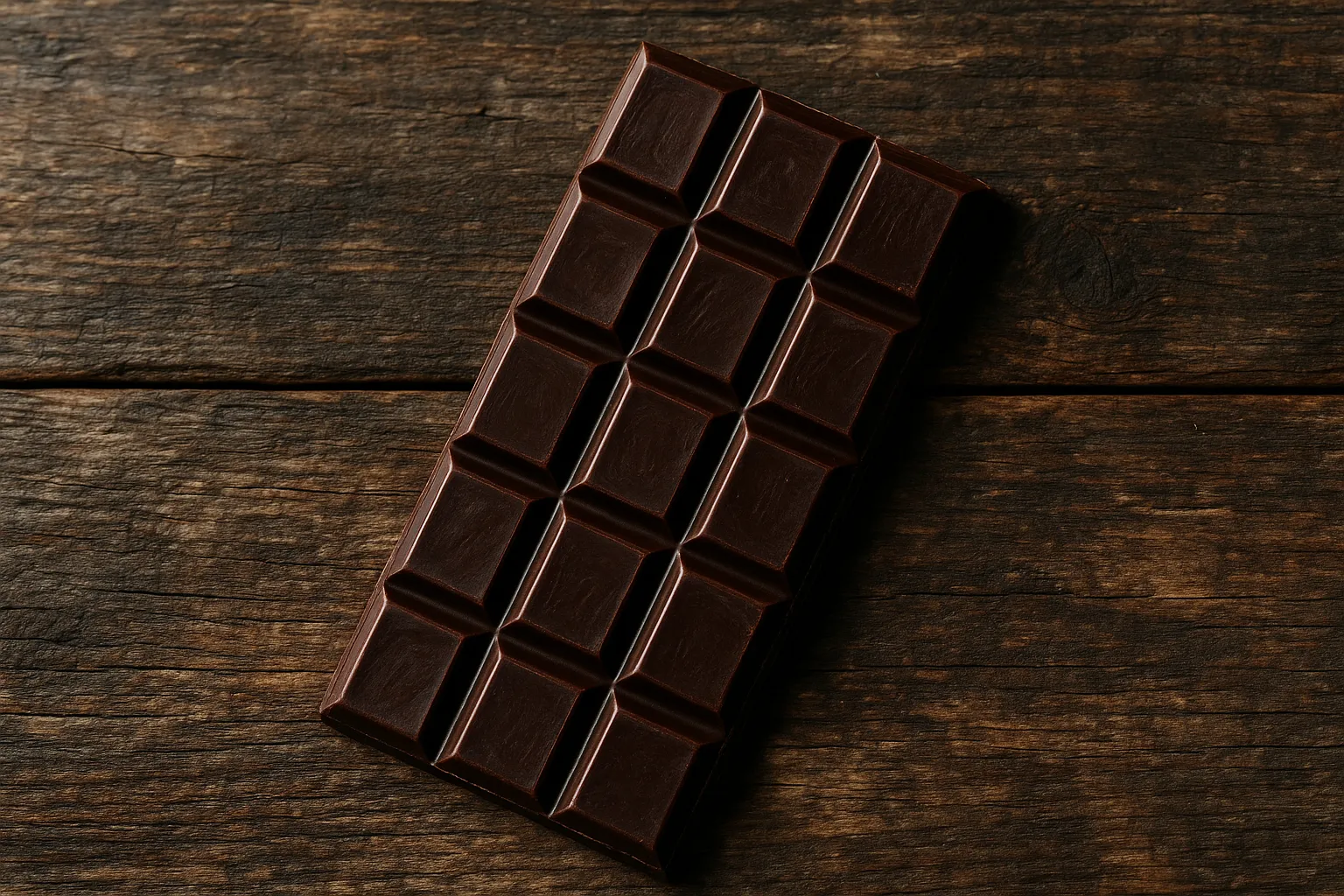
Quick Nutrition Facts
Per 1 Amul Dark Chocolate Bar (40g)
| Nutrient | Amount |
|---|---|
| Calories | 210 kcal |
| Protein | 2.8g |
| Carbohydrates | 18g |
| Fiber | 1.2g |
| Sugars | 11g |
| Fat | 14g |
| Saturated Fat | 8.5g |
| Caffeine | 12-18mg |
| Cocoa Content | ~50-55% |
Macronutrient Breakdown
 ChatGPT
  Claude
  AI Mode
  Perplexity
NUTRITIONIST INSIGHT
Amul dark chocolate's higher cocoa content delivers 8–10x more polyphenolic antioxidants (flavonoids, proanthocyanidins) than milk chocolate. These compounds support cardiovascular health, reduce inflammation, and promote satiety—making dark chocolate an ideal occasional indulgence for wellness-focused diets. Enjoy 1 bar (40g) 2–3x weekly for optimal antioxidant benefit without excess sugar.
Myth Busters
MYTH #1: Dark Chocolate Has No Sugar
TRUTH: Amul dark chocolate contains 11g sugar per 40g bar (27% by weight). While significantly less than milk chocolate (18g), it's not zero-sugar. Occasional consumption (2–3 bars weekly) fits most balanced diets when paired with activity.
MYTH #2: Dark Chocolate's Caffeine Will Keep You Awake
TRUTH: Amul dark chocolate contains 12–18mg caffeine per bar—similar to a cup of decaffeinated tea. This mild stimulation unlikely disrupts sleep unless consumed within 4–6 hours of bedtime. Most people tolerate it well as a post-lunch treat.
MYTH #3: Dark Chocolate Makes You Jittery
TRUTH: The caffeine in Amul dark chocolate (12–18mg) is minimal compared to coffee (95mg). You'd need 5+ bars to match one coffee cup. Additionally, dark chocolate's L-theanine balances caffeine, promoting calm focus rather than jitter.
MYTH #4: All Chocolate Polyphenols Are Equally Bioavailable
TRUTH: Dark chocolate's polyphenols are better absorbed than milk chocolate's; cocoa butter fat aids absorption. Amul dark chocolate at 50–55% cocoa delivers functional antioxidant levels; milk chocolate versions lose 50–80% polyphenol content.
MYTH #5: Dark Chocolate Has Too Much Saturated Fat
TRUTH: Amul dark chocolate's 8.5g saturated fat includes cocoa butter (stearic acid), which neutral fatty acid doesn't raise cholesterol. Studies show dark chocolate improves LDL and HDL profiles; moderate intake (1–2 bars weekly) supports cardiovascular health.
MYTH #6: Dark Chocolate Isn't Suitable for Diabetes
TRUTH: Amul dark chocolate's 18g carbs and 11g sugar elevate blood glucose noticeably (GI ~55). Pairing with 10g protein/fat slows absorption significantly. Diabetics can enjoy 1/2 bar (20g) 2–3x weekly post-meal, monitoring blood sugar response individually.
NutriScore by Health Goals
| Health Goal | NutriScore | Why This Score? |
|---|---|---|
| Weight Loss |  | 210 calories, but high cocoa polyphenols promote satiety; dark chocolate satisfies cravings with less volume. Enjoy 1 bar 2–3x weekly; sustainable choice vs rigid restriction. |
| Muscle Gain | | 18g carbs aid glycogen replenishment post-workout; polyphenols reduce exercise-induced oxidative stress. Use as carb top-up with protein; low protein (2.8g) limits primary meal use. |
| Diabetes Management | | 11g sugar, moderate GI (55); pair with protein/fat to flatten spike. Eat 1/2 bar (20g) post-meal, monitor blood glucose individually. Dark > milk chocolate for diabetics. |
| PCOS Management |  | Lower sugar (11g) than milk chocolate; polyphenols reduce insulin resistance markers. Better choice than caramel bars; enjoy 1 bar 1–2x weekly with protein pairing. |
| Pregnancy Nutrition | | Safe in moderation; polyphenol antioxidants support placental health; caffeine (12–18mg) acceptable <200mg daily. Limit to 1 bar weekly as treat; prioritize whole foods. |
| Viral/Flu Recovery | | Quick energy, mood boost, polyphenols aid immune recovery. Cocoa's theobromine mildly improves alertness during illness. Safe daily 1 bar during acute phase; prioritize fluids/protein. |
PERSONALIZED NUTRITION
Track your meals with NutriScan for personalized NutriScores based on your specific health goals!
Blood Sugar Response to Amul Dark Chocolate
Dark chocolate's moderate GI (~55) produces a gentler glucose rise than milk chocolate, especially when paired with protein or fat.
Typical Glucose Response Curve
This chart shows typical blood glucose response for general healthy individuals. Individual responses may vary. Not medical advice.
How to Minimize the Spike
Pairing dark chocolate with protein, fat, or fiber flattens the glucose curve and extends satiety:
- 🥜 Peanut butter or almond butter (1 tbsp) - Adds 4g protein, 9g fat
- 🥛 Greek yogurt (100g) - Provides 10g protein, probiotics
- 🌰 Handful of almonds (23 nuts) - 6g protein, 14g fat
- 🫐 Berries (small handful) - 2g fiber, additional antioxidants
Eating dark chocolate after meals (not on empty stomach) reduces peak glucose by 35–45% versus consumption alone.
Cultural Significance
Amul, India's iconic dairy brand (founded 1946), represents quality and trust across generations. Its dark chocolate line leverages India's cocoa heritage and global chocolate expertise.
In India:
- Amul brand synonymous with affordable quality and reliability
- Dark chocolate appeals to health-conscious consumers seeking antioxidants
- Price-to-quality ratio (₹40–60 per bar) makes premium chocolate accessible
- Growing popularity among fitness enthusiasts and wellness communities
- Available in retail chains, online, and specialty nutrition stores nationwide
Global Context:
- India produces ~4% of world cocoa (primarily in Western Ghats)
- Amul's dark chocolate leverages local cocoa with ethical sourcing
- Competes with global brands (Cadbury, Nestlé) while emphasizing local heritage
- Rising demand for dark chocolate in India driven by health awareness
Compare & Substitute
Amul Dark vs Other Dark Chocolates (Per 40g bar)
| Nutrient | Amul Dark (40g) | Cadbury Bournville (40g) | 70% Dark Generic (40g) | Lindt Excellence (40g) |
|---|---|---|---|---|
| Calories | 210 kcal | 202 kcal | 205 kcal | 220 kcal |
| Carbs | 18g | 20g | 16g | 19g |
| Fiber | 1.2g | 1.8g | 2.5g | 1.5g |
| Protein | 2.8g | 2.2g | 3.0g | 3.2g |
| Fat | 14g | 12g | 15g | 16g |
| Sugar | 11g | 14g | 9g | 13g |
| Cocoa % | ~50–55% | 50% | 70% | 70% |
| Best For | Budget-friendly; balanced antioxidants | Mainstream appeal; accessible | Pure antioxidant maximization | Premium indulgence; melting quality |
Frequently Asked Questions
Is Amul dark chocolate good for weight loss?
Yes, in moderation. At 210 calories per bar, Amul dark chocolate is calorie-dense but satiating due to cocoa polyphenols. Eating 1 bar 2–3x weekly (vs daily indulgence) fits balanced weight loss diets. Dark chocolate's richness requires less volume than milk chocolate to satisfy cravings, supporting long-term adherence.
How much caffeine is in Amul dark chocolate?
Amul dark chocolate contains 12–18mg caffeine per 40g bar (50–55% cocoa). This is 10x less than coffee (95mg) and similar to decaffeinated tea. Consuming before 2 PM works for most; sensitive individuals should avoid after 4 PM.
What antioxidants does dark chocolate provide?
Amul dark chocolate delivers flavonoids, proanthocyanidins, and other polyphenols totaling ~200–400mg per bar. These reduce inflammation, improve arterial function, and lower cardiovascular disease risk. Higher cocoa % = more antioxidants (70% dark chocolate has 8–10x more than milk chocolate).
Can dark chocolate support muscle gain?
Yes, as a carb top-up. Amul dark chocolate's 18g carbs aid glycogen replenishment after workouts; its polyphenols reduce exercise-induced oxidative stress and muscle soreness. Combine 1 bar with 20g whey protein post-workout for optimal recovery.
Is Amul dark chocolate safe during pregnancy?
Yes, in moderation. 1 bar (40g) weekly is safe; provides antioxidants for placental health. Caffeine (12–18mg) remains well under safe limits (<200mg daily). Prioritize nutrient-dense whole foods (nuts, fruits, yogurt) for pregnancy's nutritional demands; use dark chocolate as occasional treat.
How does Amul dark compare to milk chocolate?
Amul dark chocolate delivers 8–10x more polyphenolic antioxidants, 40% less sugar (11g vs 18g), and lower glycemic impact (GI 55 vs 70). Milk chocolate tastes smoother and easier for sensitive palates. Choose dark for health goals; milk for taste. Dark chocolate pairs better with protein/fat to minimize blood glucose spike.


Similar Nutritious Snacks & Sweets
4505 Chicharrones Classic Chili Salt
7 Eleven Japan Crispy Corn Cheese
Explore More Nutrition Tools & Resources
AI Calorie Counter App - Snap a Photo, Get Macros
AI Nutritionist App That Reads Your Logged Meals
Best Protein Supplements for Women
Bulking Meal Plan App That Sets Your Surplus
ChatGPT Calorie Counter Alternative That Keeps the Total
ChatGPT Diet Plan Alternative That Tracks What You Eat
ChatGPT Weight Loss Coach Alternative With a Food Log
Fast Food Calorie Counter App That Reads the Tray
Free Calorie Tracker App with AI Photo Scans | NutriScan
Indian Diet Plan App With Veg and Non Veg Meals
Indian Food Calorie Calculator - Get Instant Nutrition Facts for Desi Meals — 2026
Intermittent Fasting for Women, Timer and Meal Log App
Intermittent Fasting Tracker App - Free Fasting Timer
Macro Tracker App That Fills the Numbers From a Photo
Mediterranean Diet Meal Plan App That Counts the Oil
Micronutrient Tracker App for Vitamins and Minerals
MyFitnessPal Alternative That Stays Free | NutriScan
NutriScore App: A Free Grade on Every Meal | NutriScan
Nutrition Label Scanner App for the Amount You Ate
Second Trimester Protein Guide
Vegetarian Meal Plan App With a Protein Target
Voice Calorie Counter - Speak to Track Meals Hands-Free
Water and Calorie Tracker App - Free Water Log