Apple: Calories, Nutrition and Health Benefits
Nature's perfect snack: crunchy, sweet, and packed with fiber and antioxidants for every health goal.
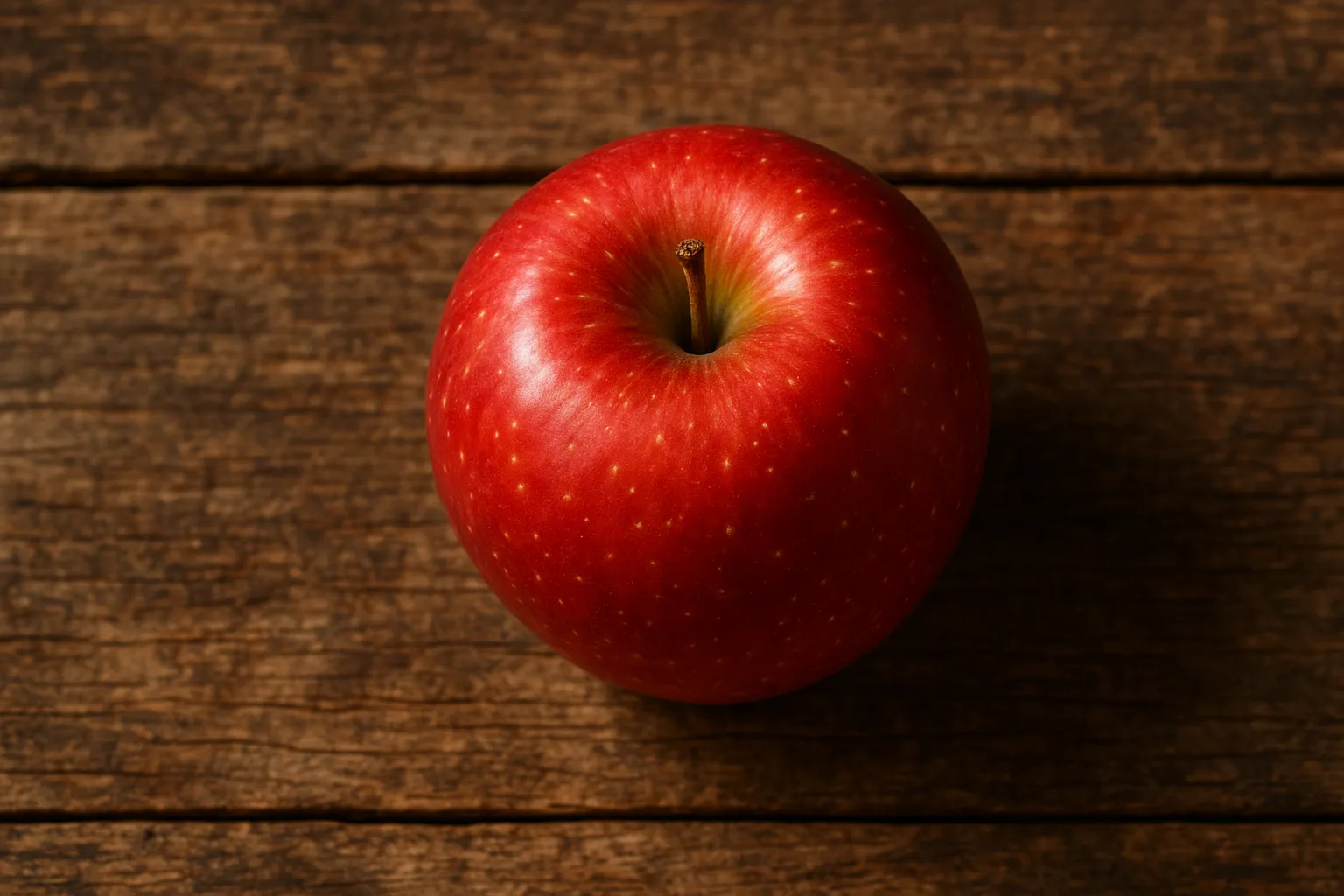
Quick Nutrition Facts
Per 1 Medium Apple (182g)
| Nutrient | Amount |
|---|---|
| Calories | 95 kcal |
| Protein | 0.5g |
| Carbohydrates | 25g |
| Fiber | 4.4g |
| Sugars | 19g |
| Fat | 0.3g |
| Vitamin C | 8.4mg |
| Potassium | 195mg |
| Vitamin K | 4μg |
| Vitamin A | 98 IU |
Macronutrient Breakdown
 ChatGPT
  Claude
  AI Mode
  Perplexity
NUTRITIONIST INSIGHT
Apples provide 18% of your daily fiber needs with most nutrients concentrated in the peel. The pectin fiber supports gut health and helps reduce LDL cholesterol by up to 10%.
Myth Busters
MYTH #1: Apples Have Too Much Sugar
TRUTH: A medium apple has 19g of natural fruit sugars balanced with 4.4g fiber that slows absorption. The low glycemic index (36) means minimal blood sugar spike. Natural fruit sugars with fiber are vastly different from added sugars in processed foods.
MYTH #2: You Should Avoid Apples at Night
TRUTH: Apples are safe to eat at night for most people. Only avoid if you have acid reflux or GERD, as the natural acids may trigger symptoms. The fiber can actually promote better sleep by stabilizing blood sugar overnight.
MYTH #3: Green Apples Are Healthier Than Red
TRUTH: All apple varieties offer similar nutrition. Granny Smith (green) has slightly more fiber and less sugar; Red Delicious has more antioxidants. Choose based on taste preference and health goals—both are nutritious choices.
MYTH #4: Apple Seeds Are Poisonous
TRUTH: Apple seeds contain trace amounts of amygdalin that converts to cyanide when digested. However, you'd need to chew and consume 200+ seeds at once for toxicity. Accidentally swallowing a few whole seeds is completely harmless.
MYTH #5: Apples Don't Help With Weight Loss
TRUTH: Studies show eating an apple 15 minutes before meals reduces calorie intake by 15%. The high fiber (4.4g) and water content (85%) promote fullness. At only 95 calories, apples are an evidence-based weight loss food.
MYTH #6: Organic Apples Have More Nutrients
TRUTH: Organic and conventional apples have identical nutrition profiles. The difference is in pesticide exposure. Washing thoroughly removes 80-90% of pesticide residue from conventional apples. Choose organic if budget allows, but don't skip apples entirely.
NutriScore by Health Goals
| Health Goal | NutriScore | Why This Score? |
|---|---|---|
| Weight Loss |  | Only 95 calories, 4.4g fiber promotes fullness, low GI prevents cravings. Eat before meals to reduce intake. |
| Muscle Gain |  | Low protein content (0.5g). Good for quick energy but pair with protein source. Not ideal post-workout alone. |
| Diabetes Management | | Low GI (36) causes minimal blood sugar spike. Fiber slows glucose absorption. Choose Granny Smith for lowest impact. |
| PCOS Management | | Low GI supports insulin sensitivity. Antioxidants reduce inflammation. Fiber aids hormone balance. Excellent daily snack. |
| Pregnancy Nutrition |  | Fiber prevents constipation, vitamin C boosts immunity, antioxidants support fetal development. Safe daily intake of 1-2 apples. |
| Viral/Flu Recovery | | Vitamin C supports immune function, easy to digest, natural sugars provide energy. Pectin soothes digestive upset. Applesauce ideal when appetite is low. |
PERSONALIZED NUTRITION
Track your meals with NutriScan for personalized NutriScores based on your specific health goals!
Blood Sugar Response to Apple
Understanding how apples affect your blood glucose can help you make informed decisions about when and how to eat them.
Typical Glucose Response Curve
This chart shows typical blood glucose response for general healthy individuals. Individual responses may vary. Not medical advice.
How to Flatten the Spike
Pairing apple with protein or healthy fat slows glucose absorption and provides sustained energy:
- 🧀 Cheese slices - Adds protein and fat for sustained energy
- 🥜 Almond butter or peanut butter - Healthy fats and protein
- 🥚 Boiled eggs - Complete protein source
- 🌰 A handful of walnuts or almonds - Omega-3s and protein
This combination not only reduces the glucose spike but also keeps you fuller for longer and provides balanced nutrition.
Cultural Significance
Apples have been cultivated for over 4,000 years, originating in Central Asia near modern-day Kazakhstan.
Global Symbolism:
- Biblical forbidden fruit symbolizing knowledge and temptation
- Greek mythology: golden apples of the Hesperides (immortality)
- "An apple a day keeps the doctor away" - 1860s Welsh proverb
- Symbol of education: students gifting apples to teachers (American tradition)
In India:
- Primarily grown in Himachal Pradesh, Kashmir, and Uttarakhand
- Varieties: Royal Delicious, Red Delicious, Golden Delicious, Granny Smith
- Kashmiri apples known globally for crispness and sweetness
- Apple cultivation supports 3+ million farming families
Global Impact:
- 7,500+ varieties grown worldwide
- China produces 48% of global apple supply
- 86 million tons produced annually
- Second most popular fruit globally after bananas
Compare & Substitute
Apple vs Similar Fruits (Per 100g)
| Nutrient | 🍎 Apple | 🍐 Pear | 🍑 Peach | 🍊 Orange |
|---|---|---|---|---|
| Calories | 52 kcal | 57 kcal | 39 kcal | 47 kcal |
| Carbs | 14g | 15g | 10g | 12g |
| Fiber | 2.4g | 3.1g | 1.5g | 2.4g |
| Protein | 0.3g | 0.4g | 0.9g | 0.9g |
| Fat | 0.2g | 0.1g | 0.3g | 0.1g |
| Vitamin C | 4.6mg | 4.3mg | 6.6mg | 53.2mg |
| Potassium | 107mg | 116mg | 190mg | 181mg |
| Sugar | 10g | 10g | 8g | 9g |
| Best For | Weight loss, blood sugar control | Higher fiber, digestive health | Lower calorie, immune boost | High vitamin C, immunity |
Frequently Asked Questions
Are apples good for weight loss?
Yes, apples are excellent for weight loss. A medium apple has only 95 calories but provides 4.4g of fiber that promotes fullness and satiety. The high water content (85%) adds volume without calories.
Best practices: Eat one apple 15 minutes before meals to reduce overall calorie intake by up to 15%; choose with peel on for maximum fiber; pair with protein for sustained energy; limit to 2-3 apples daily.
Can diabetics eat apples?
Yes, apples are safe and beneficial for diabetics. With a low glycemic index (36), apples cause minimal blood sugar spikes compared to other fruits.
Tips for diabetics: Always eat with peel on for maximum fiber; pair with protein or healthy fat (cheese, nuts); choose Granny Smith variety (lowest sugar); eat between meals rather than with large carb portions; monitor blood sugar 2 hours after eating.
The fiber slows glucose absorption and improves insulin sensitivity. Always consult your healthcare provider for personalized advice.
How much fiber is in an apple?
A medium apple contains 4.4g of fiber, providing about 18% of the daily recommended intake. Most fiber is concentrated in the peel, including pectin (soluble fiber) and cellulose (insoluble fiber).
Benefits of apple fiber: Supports digestive regularity; feeds beneficial gut bacteria; reduces LDL cholesterol by 5-10%; promotes fullness for weight management; stabilizes blood sugar levels.
What are the main health benefits of apples?
Key Benefits:
- Heart Health: Pectin fiber lowers LDL cholesterol; potassium regulates blood pressure; antioxidants reduce inflammation
- Blood Sugar Control: Low GI (36) prevents spikes; fiber improves insulin sensitivity
- Weight Management: High fiber and water content promote fullness; only 95 calories per serving
- Gut Health: Pectin feeds beneficial bacteria; fiber supports regular bowel movements
- Immune Support: Vitamin C and antioxidants boost immunity; quercetin has anti-inflammatory properties
- Disease Prevention: Antioxidants linked to reduced cancer risk; compounds support brain health and cognition
When is the best time to eat an apple?
Depends on your goal:
- Weight Loss: 15 minutes before meals to reduce appetite; morning snack to start metabolism.
- Diabetes: Between meals paired with protein; mid-morning or afternoon to prevent blood sugar dips.
- Digestion: Morning on empty stomach for natural cleansing (if no acid reflux).
- Energy: Pre-workout 30-45 minutes before exercise for quick carbs.
- General Health: Anytime as snack, but avoid late night if prone to reflux.
IMPORTANT NOTE
Avoid eating apples close to bedtime if you have acid reflux, GERD, or sensitive digestion.
Should I peel apples before eating?
No, keep the peel on for maximum nutrition. Apple peel contains most of the fiber, antioxidants (especially quercetin), and vitamins. Studies show the peel has 2-6 times more antioxidants than the flesh.
How to prepare: Wash thoroughly under running water; use produce brush to scrub surface; soak in water with 1 tablespoon baking soda for 15 minutes to remove pesticides; rinse again.
When to peel: Only if you have digestive sensitivity, difficulty chewing, or following low-fiber diet for medical reasons.
Organic vs Conventional: Apples rank #4 on the "Dirty Dozen" pesticide list. Choose organic when possible, but don't avoid apples entirely—benefits outweigh pesticide concerns when washed properly.
How many apples should I eat per day?
General Guidelines:
- 1-2 medium apples daily - Most people (190-285 calories, 36% fiber)
- 1 apple daily - Weight loss, calorie restriction, or sensitive digestion
- 2-3 apples daily - Athletes, high-fiber diets, or pregnancy
Avoid excess: More than 3-4 per day can provide too much fructose (digestive upset), excess fiber (bloating), or interfere with medication absorption.
Track your meals with NutriScan app to see how apples fit your personal nutrition goals.
Can I eat apple on an empty stomach?
Generally yes for most people—apples provide gentle energy and fiber to start the day. The pectin fiber aids natural cleansing and supports digestive health.
May want to avoid if you have: Acid reflux or GERD (natural acids trigger symptoms); IBS or sensitive digestion (may cause bloating); gastritis or stomach ulcers (acids may irritate).
Better approach: If sensitive, pair with protein (Greek yogurt, nuts, oatmeal) or eat after a small meal. Most people tolerate apples well on empty stomach.


Similar Nutritious Fruits
4505 Chicharrones Classic Chili Salt
7 Eleven Japan Crispy Corn Cheese
Explore More Nutrition Tools & Resources
AI Calorie Counter App - Snap a Photo, Get Macros
AI Nutritionist App That Reads Your Logged Meals
Best Protein Supplements for Women
Bulking Meal Plan App That Sets Your Surplus
ChatGPT Calorie Counter Alternative That Keeps the Total
ChatGPT Diet Plan Alternative That Tracks What You Eat
ChatGPT Weight Loss Coach Alternative With a Food Log
Fast Food Calorie Counter App That Reads the Tray
Free Calorie Tracker App with AI Photo Scans | NutriScan
Indian Diet Plan App With Veg and Non Veg Meals
Indian Food Calorie Calculator - Get Instant Nutrition Facts for Desi Meals — 2026
Intermittent Fasting for Women, Timer and Meal Log App
Intermittent Fasting Tracker App - Free Fasting Timer
Macro Tracker App That Fills the Numbers From a Photo
Mediterranean Diet Meal Plan App That Counts the Oil
Micronutrient Tracker App for Vitamins and Minerals
MyFitnessPal Alternative That Stays Free | NutriScan
NutriScore App: A Free Grade on Every Meal | NutriScan
Nutrition Label Scanner App for the Amount You Ate
Second Trimester Protein Guide
Vegetarian Meal Plan App With a Protein Target
Voice Calorie Counter - Speak to Track Meals Hands-Free
Water and Calorie Tracker App - Free Water Log