Bajra Roti: Calories, Nutrition and Health Benefits
Ancient Indian millet bread packed with fiber, slow-digesting carbs, and iron—a gluten-free powerhouse for stable energy and better blood sugar control.
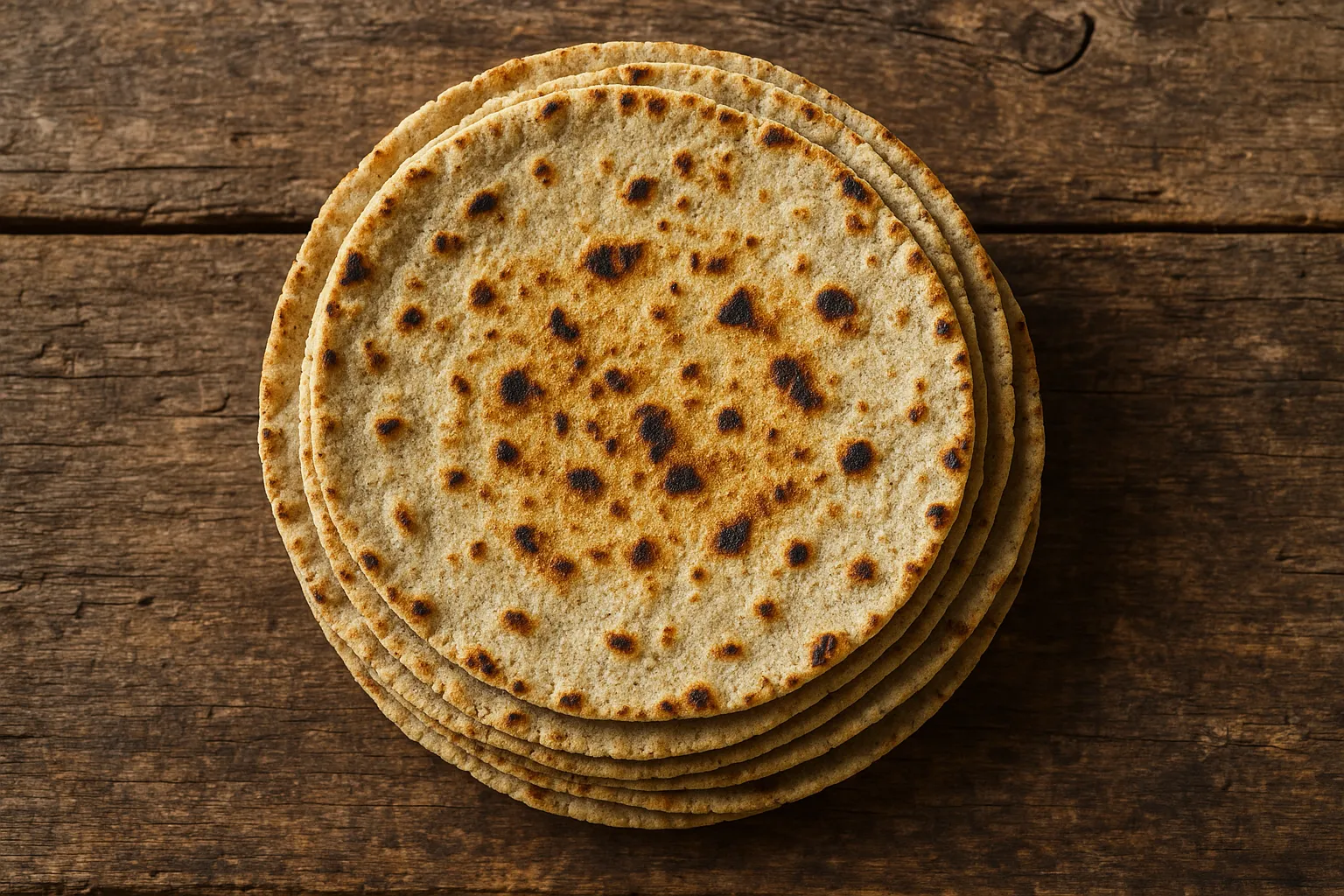
Quick Nutrition Facts
Per 1 Medium Bajra Roti (50g)
| Nutrient | Amount |
|---|---|
| Calories | 150 kcal |
| Protein | 4.2g |
| Carbohydrates | 28g |
| Fiber | 3.8g |
| Sugars | 1.2g |
| Fat | 1.5g |
| Iron | 2.3mg |
| Magnesium | 132mg |
| Phosphorus | 280mg |
Macronutrient Breakdown
 ChatGPT
  Claude
  AI Mode
  Perplexity
NUTRITIONIST INSIGHT
Bajra is a climate-resilient millet with a GI of 66, meaning it releases glucose slowly into your bloodstream—ideal for diabetes management. The 3.8g fiber per roti feeds beneficial gut bacteria while the iron content (2.3mg, 13% DV) supports oxygen transport for sustained energy.
Myth Busters
MYTH #1: Bajra Is Less Nutritious Than Wheat
TRUTH: Bajra surpasses wheat in several nutrients. It contains higher fiber (3.8g vs 2.6g per roti), more protein (4.2g vs 3g), and lower glycemic index (66 vs 77). For diabetes and weight loss, bajra is nutritionally superior.
MYTH #2: Millet Bread Causes Digestive Issues
TRUTH: Bajra is easier to digest than wheat for many people, especially those with gluten sensitivity. Its resistant starch feeds beneficial gut bacteria, improving long-term digestive health. Some may experience temporary bloating if transitioning from refined grains—ease into it gradually.
MYTH #3: Bajra Roti Tastes Bland
TRUTH: Bajra has a subtle earthy, slightly sweet flavor that enhances savory curries and spiced dishes. Traditional Indian recipes pair bajra with ghee, turmeric, and salt to amplify taste. It's not bland—it's simply unfamiliar to modern palates raised on wheat.
MYTH #4: Gluten-Free Means It's for Everyone
TRUTH: While bajra is naturally gluten-free, it's primarily beneficial for those with celiac disease or non-celiac gluten sensitivity. People without gluten issues don't gain special advantage from bajra over wheat, though its superior fiber and GI benefits remain valuable for all.
MYTH #5: Traditional Bajra Rotis Spike Blood Sugar More Than Bread
TRUTH: Bajra roti has a GI of 66 (low-to-medium), while white bread is 75+. The resistant starch and fiber in bajra create a gentler glucose curve. Pairing with dal or vegetables further reduces the glycemic response.
NutriScore by Health Goals
| Health Goal | NutriScore | Why This Score? |
|---|---|---|
| Weight Loss |  | 150 calories, 3.8g fiber promotes fullness, low GI (66) prevents blood sugar spikes. Pair with dal or greens; 1-2 rotis per meal. |
| Muscle Gain |  | 4.2g protein per roti (higher than wheat), slow-release carbs for sustained energy. Combine with paneer, yogurt, or meat for complete amino acids. |
| Diabetes Management | | Low glycemic index (GI 66), high resistant starch, fiber slows glucose absorption. Best grain for blood sugar control. |
| PCOS Management | | Low GI supports insulin sensitivity, fiber helps reduce androgens, resistant starch improves gut health. Ideal choice over wheat for PCOS hormonal balance. |
| Pregnancy Nutrition | | Good source of iron (2.3mg, 13% DV for pregnancy) and magnesium (132mg) for blood pressure regulation, though folate is lower than wheat. Combine with iron-rich vegetables for optimal pregnancy nutrition. |
| Viral/Flu Recovery | | Easily digestible, provides slow-release carbs for sustained energy, iron supports immune function and prevents post-illness fatigue, magnesium aids muscle recovery. |
PERSONALIZED NUTRITION
Track your meals with NutriScan for personalized NutriScores based on your specific health goals!
Blood Sugar Response to Bajra Roti
Understanding how bajra roti affects your blood glucose helps you time meals and pair foods strategically for better energy stability.
Typical Glucose Response Curve
This chart shows typical blood glucose response for general healthy individuals. Individual responses may vary. Not medical advice.
How to Flatten the Spike
Pairing bajra roti with protein or healthy fat slows carb absorption and reduces peak glucose:
- 🥛 Curd (dahi) or yogurt - Adds protein and probiotics; whey buffers glucose absorption
- 🫘 Dal or legumes - Plant-based protein + fiber synergizes to flatten the curve
- 🥬 Leafy greens or vegetables - Fiber further slows carb digestion
- 🧈 Ghee or healthy oil - Fat content delays gastric emptying, extending energy release
This pairing approach not only reduces glucose spikes but also prevents energy crashes, keeping you satiated longer.
Cultural Significance
Bajra (pearl millet) is one of India's oldest cultivated grains, thriving in arid and semi-arid regions for over 4,000 years.
In India:
- Staple in Rajasthan, Gujarat, and Maharashtra during summer months
- Low-water crop, traditionally grown in drought-prone regions without irrigation
- Bajra rotis and khichdi feature prominently in rural Indian diets for endurance and heat resilience
- Ayurveda values bajra for digestive strength and pitta balance
- "Poor man's grain" that nourishes millions while requiring minimal water and input
Global Recognition:
- Named International Year of Millets by UN in 2023, highlighting climate resilience and nutrition
- Gaining popularity in Western health communities as a gluten-free, low-GI grain
- Sustainable crop: minimal pesticides, fertilizer-independent in many regions
- Important food security crop for Sub-Saharan Africa and South Asia
Compare & Substitute
Bajra Roti vs Similar Grains (Per 50g Roti/Bread)
| Nutrient | 🌾 Bajra Roti | 🌾 Wheat Roti | 🥔 Jowar Roti | 🌾 Ragi Roti |
|---|---|---|---|---|
| Calories | 150 kcal | 143 kcal | 155 kcal | 145 kcal |
| Carbs | 28g | 26g | 29g | 28g |
| Fiber | 3.8g | 2.6g | 3.2g | 3.4g |
| Protein | 4.2g | 3g | 2.8g | 3.7g |
| Fat | 1.5g | 1.2g | 2.1g | 0.9g |
| Iron | 2.3mg | 1.6mg | 2.2mg | 9.3mg |
| GI | 66 (low) | 77 (medium) | 68 (low-medium) | 55 (low) |
| Best For | Diabetes, weight loss | General nutrition, folate | Summer heat tolerance | Calcium, iron absorption |
Frequently Asked Questions
Is bajra roti good for weight loss?
Yes, bajra roti is an excellent weight-loss grain. At 150 calories per roti with 3.8g fiber, it promotes sustained fullness without spiking blood sugar (GI 66). The resistant starch content aids fat oxidation. Limit to 1–2 rotis per meal and pair with vegetables or lean protein.
Can diabetics eat bajra roti?
Absolutely—bajra is one of the best grain choices for diabetes. Its low glycemic index (66) and high resistant starch create a gentle glucose curve. The 3.8g fiber slows carb digestion. Pair with dal, yogurt, or vegetables; consult your doctor for portion sizing.
How much protein is in bajra roti?
A medium bajra roti (50g) has 4.2g protein—notably higher than wheat roti (3g) and comparable to some legumes. While not a complete protein on its own, combine bajra with dal, curd, or paneer to form all nine essential amino acids.
What are the main health benefits of bajra roti?
- Blood Sugar Control: Low GI (66) with resistant starch prevents glucose spikes
- Digestive Health: 3.8g fiber feeds beneficial gut bacteria, supports regularity
- Iron Absorption: 2.3mg iron (13% DV) combats anemia and fatigue
- Muscle Function: Magnesium (132mg) supports strength and cramp prevention
- Gluten-Free: Safe for celiac disease and non-celiac gluten sensitivity
- Sustainable: Drought-resilient crop requiring minimal water or pesticides
Is bajra roti gluten-free?
Yes, bajra is naturally gluten-free, making it safe for celiac disease. However, verify production methods—many Indian home kitchens or small mills may blend bajra with wheat flour for texture. Always purchase pure bajra flour or grind whole bajra seeds at home for guaranteed gluten-free status.
How does bajra compare to wheat roti?
Bajra wins on fiber (3.8g vs 2.6g), protein (4.2g vs 3g), GI (66 vs 77), and iron content (2.3mg vs 1.6mg). Wheat offers more folate and B vitamins. For diabetes, weight loss, and gluten sensitivity, bajra is superior; for general all-around nutrition, wheat offers broader micronutrients. Best strategy: rotate both grains weekly.
How many bajra rotis should I eat per day?
General Guidelines:
- Weight loss: 1–2 rotis per meal (300–600 calories total from rotis)
- Diabetes/PCOS: 1–2 rotis per meal, paired with protein and vegetables
- General health: 2–3 rotis per day as part of balanced meals
- Athletes/muscle gain: 2–3 rotis per meal to fuel training
Monitor energy and satiety; adjust portions based on activity level and health goals.
Can I eat bajra roti every day?
Yes, bajra roti is safe and beneficial for daily consumption. Its superior fiber, resistant starch, and micronutrient profile make it ideal for long-term dietary patterns. However, variety matters—rotate with ragi, jowar, or wheat rotis weekly to benefit from diverse nutrient profiles. Dietary diversity ensures you don't miss any single nutrient.


Similar Nutritious Grains
4505 Chicharrones Classic Chili Salt
7 Eleven Japan Crispy Corn Cheese
Explore More Nutrition Tools & Resources
AI Calorie Counter App - Snap a Photo, Get Macros
AI Nutritionist App That Reads Your Logged Meals
Best Protein Supplements for Women
Bulking Meal Plan App That Sets Your Surplus
ChatGPT Calorie Counter Alternative That Keeps the Total
ChatGPT Diet Plan Alternative That Tracks What You Eat
ChatGPT Weight Loss Coach Alternative With a Food Log
Fast Food Calorie Counter App That Reads the Tray
Free Calorie Tracker App with AI Photo Scans | NutriScan
Indian Diet Plan App With Veg and Non Veg Meals
Indian Food Calorie Calculator - Get Instant Nutrition Facts for Desi Meals — 2026
Intermittent Fasting for Women, Timer and Meal Log App
Intermittent Fasting Tracker App - Free Fasting Timer
Macro Tracker App That Fills the Numbers From a Photo
Mediterranean Diet Meal Plan App That Counts the Oil
Micronutrient Tracker App for Vitamins and Minerals
MyFitnessPal Alternative That Stays Free | NutriScan
NutriScore App: A Free Grade on Every Meal | NutriScan
Nutrition Label Scanner App for the Amount You Ate
Second Trimester Protein Guide
Vegetarian Meal Plan App With a Protein Target
Voice Calorie Counter - Speak to Track Meals Hands-Free
Water and Calorie Tracker App - Free Water Log