Beef Curry: Calories, Nutrition and Health Benefits
A protein powerhouse enriched with iron, B vitamins, and aromatic spices—perfect for muscle building and sustained energy.
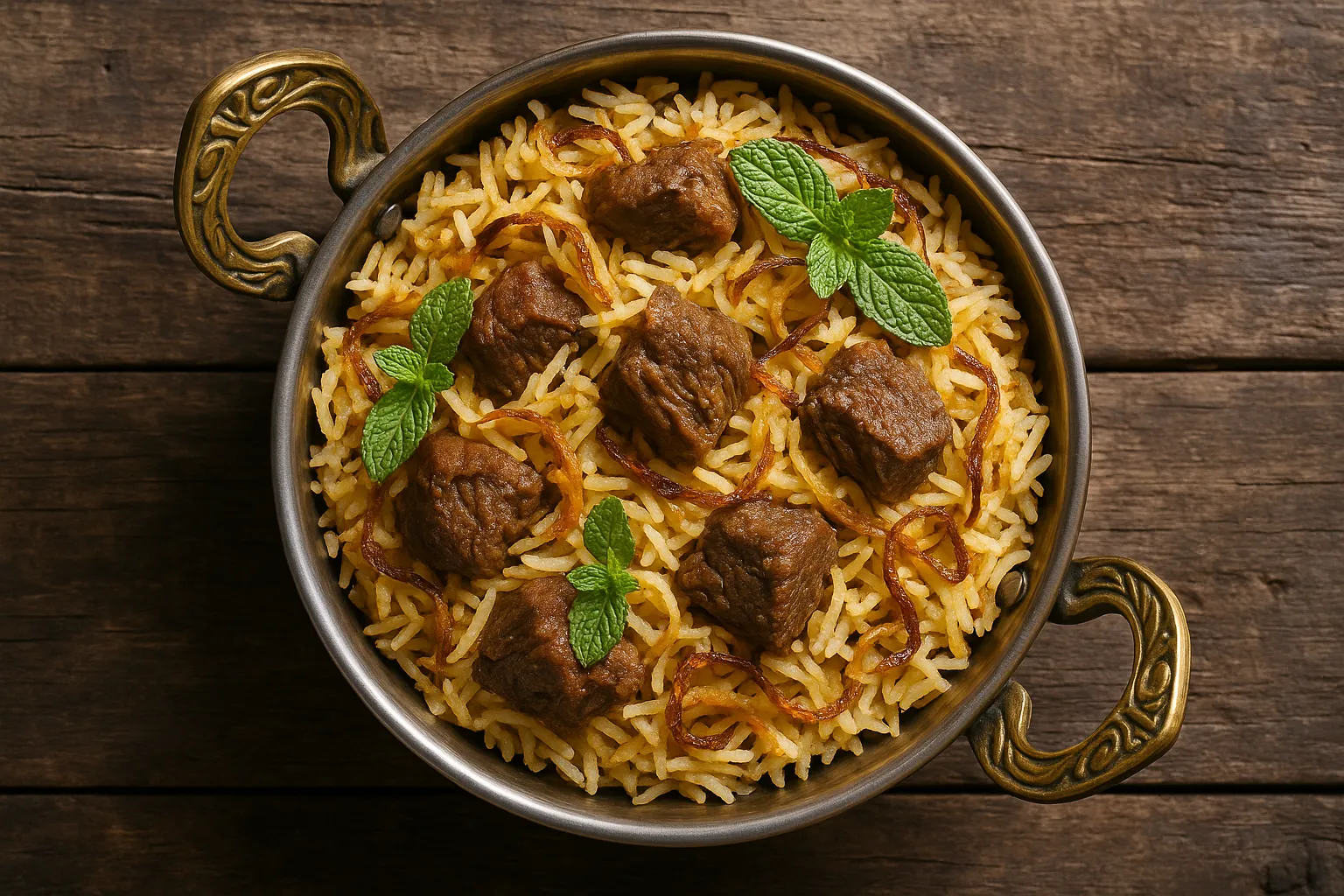
Quick Nutrition Facts
Per 1 Cup Beef Curry (240g)
| Nutrient | Amount |
|---|---|
| Calories | 180 kcal |
| Protein | 22g |
| Carbohydrates | 6g |
| Fiber | 1g |
| Fat | 9g |
| Iron | 2.8mg |
| Zinc | 6.2mg |
| Vitamin B12 | 1.5mcg |
| Potassium | 380mg |
| Selenium | 22mcg |
Macronutrient Breakdown
 ChatGPT
  Claude
  AI Mode
  Perplexity
NUTRITIONIST INSIGHT
Beef curry combines high-quality protein with bioavailable heme iron, making it one of the best post-workout recovery meals. The spices (turmeric, cumin) add anti-inflammatory compounds. For optimal absorption, pair with vitamin C from tomatoes or lemon juice.
Myth Busters
MYTH #1: Beef Curry Is High in Fat and Bad for Weight Loss
TRUTH: Lean beef curry (sirloin, tenderloin) has only 9g fat per 180-calorie serving. Studies show protein-rich beef supports satiety and fat loss when paired with vegetable sides. Cooking method matters more than beef itself.
MYTH #2: All Red Meat Increases Cholesterol
TRUTH: Lean beef cuts have minimal saturated fat. Recent research shows beef can be part of a heart-healthy diet when consumed in moderation (3-4 oz portions, 3-4 times weekly). Choose lean grades and limit oil.
MYTH #3: Beef Curry Spikes Blood Sugar
TRUTH: Pure beef curry (without added sugars) has minimal carbs (6g per serving). The protein slows digestion and prevents blood sugar spikes. Pairing with healthy fats further reduces glycemic response.
MYTH #4: Iron from Beef Is Not Absorbed Well
TRUTH: Heme iron from beef is 15-35% bioavailable, far superior to plant-based iron (2-5%). Pairing beef with vitamin C sources like tomatoes or lemon increases iron absorption by up to 3-4 times.
MYTH #5: Beef Curry Is Too Spicy for Digestion
TRUTH: Traditional spices (turmeric, cumin) have anti-inflammatory properties and aid digestion. Capsaicin and curcumin increase stomach acid and enzyme production, supporting nutrient absorption and gut health.
MYTH #6: Beef Curry Cannot Be Part of a Diabetes Diet
TRUTH: Lean beef curry with minimal oil is diabetes-friendly. Protein and fat slow carbohydrate digestion, preventing blood sugar spikes. Pair with non-starchy vegetables or brown rice instead of white rice.
NutriScore by Health Goals
| Health Goal | NutriScore | Why This Score? |
|---|---|---|
| Weight Loss |  | 180 calories, 22g protein promotes fullness. Minimal carbs (6g) prevent cravings. Choose lean cuts and minimal oil. |
| Muscle Gain | | Excellent post-workout (22g complete protein, iron, zinc, B12 for muscle recovery and strength). 180 calories fits macro goals. |
| Diabetes Management |  | Low carbs (6g), high protein slows digestion. Skip coconut milk-based curries; use tomato or yogurt sauce. Pair with non-starchy vegetables. |
| PCOS Management | | High protein supports hormone balance. Choose lean beef, minimize oil, avoid sugar. Portion control recommended (1 cup serving). |
| Pregnancy Nutrition | | Rich in iron (prevents anemia), B12 (fetal neurological development), zinc (immune support). Safe protein source for fetal growth. |
| Viral/Flu Recovery | | Easily digestible protein for tissue repair. Iron and B vitamins combat fatigue. Broth-based (minimal spice) aids quick recovery. |
PERSONALIZED NUTRITION
Track your meals with NutriScan for personalized NutriScores based on your specific health goals!
Blood Sugar Response to Beef Curry
Understanding how beef curry affects blood glucose helps optimize meal timing and pairing strategies.
Typical Glucose Response Curve
This chart shows typical blood glucose response for healthy individuals eating lean beef curry with minimal oil. Individual responses may vary. Not medical advice.
How to Maximize Satiety
Pairing beef curry with fiber-rich vegetables and healthy fats enhances satiety and sustains energy:
- 🥗 Vegetable sides - Spinach, broccoli, cabbage add fiber and nutrients
- 🥒 Cucumber raita - Yogurt-based condiment adds probiotics and protein
- 🍚 Brown rice or millets - Slower digestion than white rice
- 🥄 Ghee or coconut oil (1 tsp) - Moderate healthy fat for satiety
This combination extends fullness, prevents energy crashes, and optimizes nutrient absorption.
Cultural Significance
Beef curry represents a cross-cultural culinary tradition spanning Indian, Thai, Caribbean, and British cuisines.
In India:
- Central to Goan, Hyderabadi, and Kerala cuisines
- Religious acceptance varies; consumed in Muslim and Christian communities, less common in Hindu/Jain traditions
- Beef biryani and Chettinad chicken are famous regional variations
- Ayurveda considers beef warming and protein-dense for strength building
Global Impact:
- Foundational in Caribbean (Trinidad beef curry), Thai red/green curries, and British curry houses
- 2+ billion beef curry meals consumed annually worldwide
- Adaptation of Indian spice traditions to local beef varieties across continents
Compare & Substitute
Beef Curry vs Similar Protein Dishes (Per 100g)
| Nutrient | 🥩 Beef Curry | 🐔 Chicken Curry | 🍲 Lentil Curry | 🥜 Chickpea Curry |
|---|---|---|---|---|
| Calories | 75 kcal | 65 kcal | 85 kcal | 95 kcal |
| Protein | 9.2g | 10.5g | 5.8g | 5.4g |
| Carbs | 2.5g | 1.8g | 12g | 14g |
| Fiber | 0.4g | 0.3g | 3.5g | 3.2g |
| Fat | 3.8g | 2.1g | 0.9g | 2.5g |
| Iron | 1.2mg | 0.8mg | 2.4mg | 1.8mg |
| Zinc | 2.6mg | 1.4mg | 1.2mg | 1.5mg |
| Best For | Muscle gain, iron absorption | Lean protein, low calorie muscle gain | Vegetarians, fiber + protein combo | Budget-friendly plant protein |
Frequently Asked Questions
Is beef curry good for muscle gain?
Yes, beef curry is excellent for muscle gain. A serving provides 22g complete protein with all nine essential amino acids, plus creatine, iron, and B12 for muscle recovery. Post-workout timing (within 30 minutes) maximizes protein synthesis. Combine with carbs (rice, roti) for optimal recovery.
How many calories are in beef curry?
A typical serving (1 cup, 240g) contains 180 calories. Variations depend on meat cut (lean vs fatty), oil amount, gravy base (tomato, yogurt, or coconut milk), and additions (potatoes, peas). Lean beef with tomato-based gravy has fewer calories than coconut milk curries (which can reach 250+ calories).
Can diabetics eat beef curry?
Yes, in moderation. Choose lean beef, minimal oil, and tomato or yogurt-based gravy (skip coconut milk). The protein and fat content slow carbohydrate digestion, minimizing blood sugar spikes. Portion control and vegetable pairing are essential. Monitor individual blood sugar response.
What is the iron content in beef curry?
Beef curry provides 2-3mg iron per serving (12-17% daily value). This heme iron is highly bioavailable (15-35% absorption rate). Pairing with vitamin C sources (tomatoes in gravy, fresh lemon juice) increases iron absorption by 3-4 times, crucial for vegetarians eating plant-based iron sources.
Is beef curry good for weight loss?
Yes, when prepared lean. The 22g protein per 180-calorie serving promotes satiety and prevents overeating. Low carbs (6g) avoid blood sugar crashes and cravings. Use lean beef cuts, minimize cooking oil, pair with vegetables, and avoid coconut milk. Portion control to 1 cup daily.
What are the best cooking methods for beef curry?
Use lean beef (sirloin, tenderloin), brown in 1 teaspoon oil, then simmer 1-2 hours in tomato sauce or yogurt marinade. Slow cooking tenderizes meat while preserving nutrients. Avoid high oil, heavy cream, or coconut milk. This reduces fat by 30-40% compared to traditional methods.


Similar Nutritious Foods
4505 Chicharrones Classic Chili Salt
7 Eleven Japan Crispy Corn Cheese
Explore More Nutrition Tools & Resources
AI Calorie Counter App - Snap a Photo, Get Macros
AI Nutritionist App That Reads Your Logged Meals
Best Protein Supplements for Women
Bulking Meal Plan App That Sets Your Surplus
ChatGPT Calorie Counter Alternative That Keeps the Total
ChatGPT Diet Plan Alternative That Tracks What You Eat
ChatGPT Weight Loss Coach Alternative With a Food Log
Fast Food Calorie Counter App That Reads the Tray
Free Calorie Tracker App with AI Photo Scans | NutriScan
Indian Diet Plan App With Veg and Non Veg Meals
Indian Food Calorie Calculator - Get Instant Nutrition Facts for Desi Meals — 2026
Intermittent Fasting for Women, Timer and Meal Log App
Intermittent Fasting Tracker App - Free Fasting Timer
Macro Tracker App That Fills the Numbers From a Photo
Mediterranean Diet Meal Plan App That Counts the Oil
Micronutrient Tracker App for Vitamins and Minerals
MyFitnessPal Alternative That Stays Free | NutriScan
NutriScore App: A Free Grade on Every Meal | NutriScan
Nutrition Label Scanner App for the Amount You Ate
Second Trimester Protein Guide
Vegetarian Meal Plan App With a Protein Target
Voice Calorie Counter - Speak to Track Meals Hands-Free
Water and Calorie Tracker App - Free Water Log