Beshbarmak: Calories, Nutrition and Health Benefits
Kazakhstan's beloved national dish - hearty boiled meat over silky noodles, rich in protein, iron, and centuries of nomadic tradition.
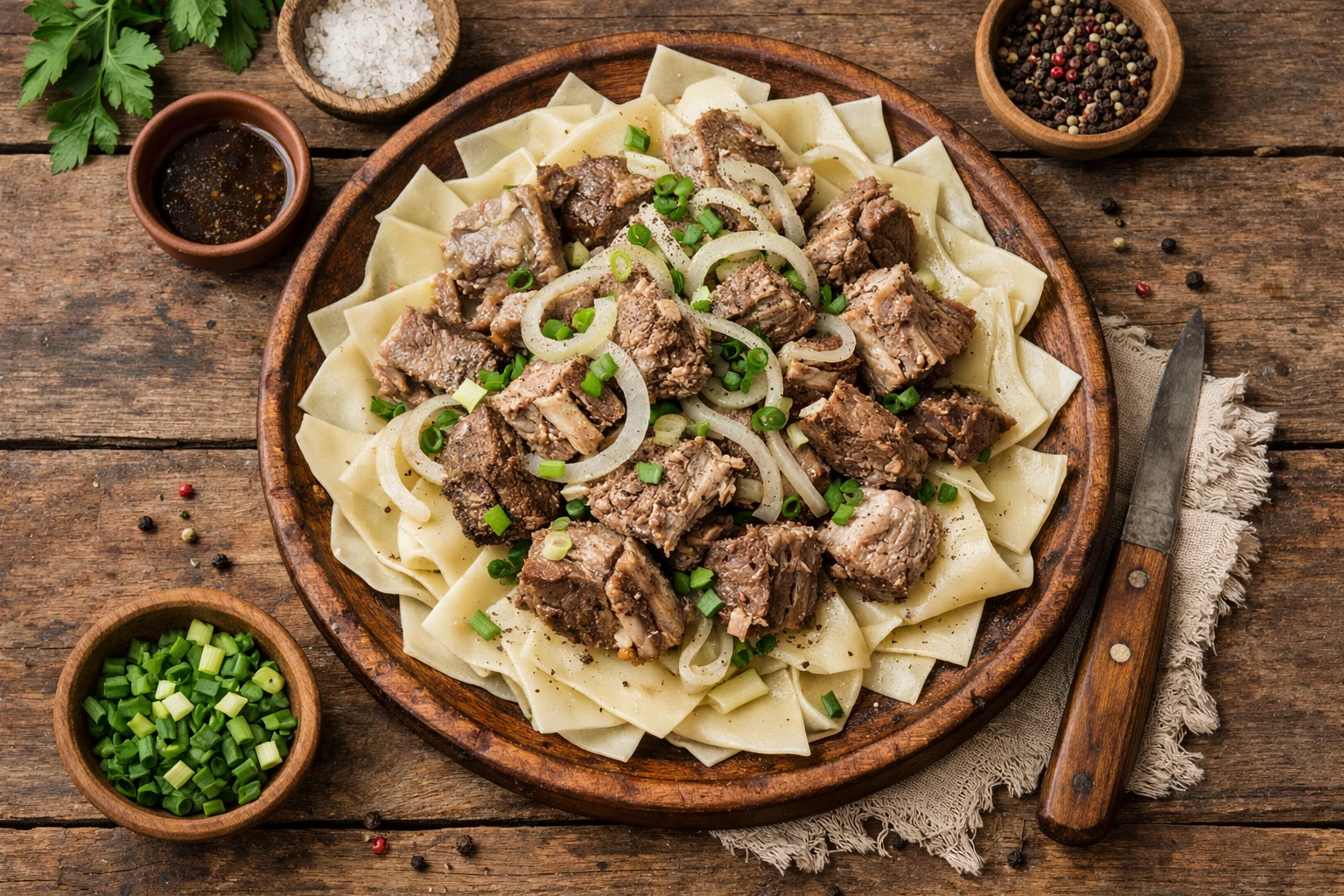
Quick Nutrition Facts
Per 1 Serving (350g)
| Nutrient | Amount |
|---|---|
| Calories | 420 kcal |
| Protein | 28g |
| Carbohydrates | 30g |
| Fiber | 2g |
| Sugars | 2g |
| Fat | 22g |
| Saturated Fat | 9g |
| Iron | 3.2mg |
| Zinc | 5.8mg |
| Vitamin B12 | 2.4mcg |
Macronutrient Breakdown
 ChatGPT
  Claude
  AI Mode
  Perplexity
NUTRITIONIST INSIGHT
Beshbarmak provides 28g of complete protein per serving - nearly half your daily needs. The combination of lamb's high zinc content (5.8mg) and iron (3.2mg) supports immune function and oxygen transport.
Myth Busters
MYTH #1: Beshbarmak Is Too Fatty to Be Healthy
TRUTH: While beshbarmak contains 22g of fat per serving, much of it comes from lamb which provides essential omega-3 fatty acids. Lamb fat contains conjugated linoleic acid (CLA) which may support metabolism. Moderation is key.
MYTH #2: Horse Meat Is Unsafe to Eat
TRUTH: Horse meat is consumed safely across Central Asia, Europe, and Japan. It's leaner than beef, higher in protein, and rich in iron. Traditional Kazakh beshbarmak uses horse meat for its tender texture and nutritional value.
MYTH #3: Noodle Dishes Are Bad for Blood Sugar
TRUTH: The high protein and fat content in beshbarmak significantly slows carbohydrate absorption. Combining protein with carbs reduces glycemic response. The 30g carbs are released gradually, not as a spike.
MYTH #4: Traditional Foods Are Less Nutritious Than Modern Diets
TRUTH: Beshbarmak developed as survival food for nomadic people in harsh climates. It provides complete nutrition: protein for muscle, fat for energy, carbs for endurance, and broth for hydration and minerals.
MYTH #5: You Must Eat Beshbarmak with Your Hands
TRUTH: While "beshbarmak" literally means "five fingers" in Kazakh, modern serving allows utensils. The name honors traditional eating customs, but the dish's nutritional value remains the same regardless of how you eat it.
NutriScore by Health Goals
| Health Goal | NutriScore | Why This Score? |
|---|---|---|
| Weight Loss | 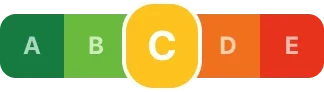 | 420 calories with 22g fat is moderate-high. Portion control essential. High protein promotes satiety. |
| Muscle Gain |  | Excellent 28g complete protein, 5.8mg zinc for testosterone, carbs for glycogen replenishment. |
| Diabetes Management |  | Protein-fat combo slows glucose absorption. Limit portion to 200g, pair with vegetables. |
| PCOS Management | | High protein supports hormonal balance. Watch portions due to saturated fat content. |
| Pregnancy Nutrition | | Iron (3.2mg) prevents anemia, B12 supports neural development. Protein essential for fetal growth. Ensure meat is fully cooked. |
| Viral/Flu Recovery | | Warm broth hydrates, zinc boosts immunity, protein aids tissue repair. Traditional healing food. |
PERSONALIZED NUTRITION
Track your meals with NutriScan for personalized NutriScores based on your specific health goals!
Blood Sugar Response to Beshbarmak
Understanding how beshbarmak affects your blood glucose helps optimize meal timing and portions.
Typical Glucose Response Curve
This chart shows typical blood glucose response for general healthy individuals. Individual responses may vary. Not medical advice.
How to Flatten the Spike
The protein and fat in beshbarmak already moderate glucose response, but you can optimize further:
- 🥗 Add fermented vegetables - Sauerkraut or pickled cabbage adds fiber and probiotics
- 🥒 Serve with fresh cucumber salad - Adds fiber with minimal calories
- 🍵 Drink unsweetened green tea - May help with fat metabolism
- 🚶 Take a 15-minute walk after eating - Helps muscles absorb glucose
Cultural Significance
Beshbarmak is more than food - it's the heart of Kazakh hospitality and national identity.
In Kazakhstan:
- National dish, served at all major celebrations (weddings, Nauryz, funerals)
- Name means "five fingers" - traditionally eaten by hand from a shared platter
- Preparation is ceremonial: eldest guests receive choice cuts (head, thigh)
- Different cuts carry symbolic meaning: ears for young people (to listen), tongue for orators
Across Central Asia:
- Kyrgyzstan, Uzbekistan, and Turkmenistan have regional variations
- Known as "naryn" when served cold with julienned meat
- Horse meat version considered most authentic and prestigious
- Essential for nomadic survival: high-calorie, warming, uses whole animal
Modern Adaptations:
- Restaurant versions often use beef or lamb for accessibility
- Instant noodles sometimes substitute traditional homemade pasta
- UNESCO considering for intangible cultural heritage recognition
Compare & Substitute
Beshbarmak vs Similar Dishes (Per Serving)
| Nutrient | 🍖 Beshbarmak | 🍝 Beef Stroganoff | 🥟 Pelmeni (15 pcs) | 🍜 Pho (Beef) |
|---|---|---|---|---|
| Calories | 420 kcal | 450 kcal | 380 kcal | 350 kcal |
| Carbs | 30g | 25g | 45g | 40g |
| Fiber | 2g | 1g | 2g | 1g |
| Protein | 28g | 25g | 18g | 25g |
| Fat | 22g | 28g | 15g | 8g |
| Iron | 3.2mg | 2.8mg | 2.5mg | 2.0mg |
| Zinc | 5.8mg | 4.5mg | 3.0mg | 4.0mg |
| Best For | Muscle gain, recovery | Comfort food | Quick protein | Low-fat, hydration |
Frequently Asked Questions
What is beshbarmak made of?
Beshbarmak consists of three main components: boiled meat (traditionally horse or lamb), flat homemade noodles (kespe), and a savory onion broth (sorpa). The meat is slow-cooked for 2-3 hours until fall-off-the-bone tender, then sliced and served over noodles with the broth ladled on top.
How many calories are in beshbarmak?
One serving of beshbarmak (350g) contains approximately 420 calories. This breaks down to 28g protein, 30g carbohydrates, and 22g fat. Calorie content varies based on meat type: horse meat is leaner (380 kcal), while fatty lamb cuts can reach 500 kcal per serving.
Is beshbarmak healthy?
Beshbarmak is nutritionally dense, providing 28g protein, 3.2mg iron (18% DV), 5.8mg zinc (53% DV), and B vitamins. It's excellent for muscle building, recovery, and iron replenishment. The main consideration is fat content (22g) and portion size. Enjoy 2-3 times per week as part of a balanced diet.
Can diabetics eat beshbarmak?
Diabetics can enjoy beshbarmak with modifications. The high protein and fat content naturally slows glucose absorption. Best practices: limit portions to 200g, choose leaner meat cuts, add extra vegetables, and monitor blood sugar 2 hours after eating. Consult your healthcare provider for personalized advice.
What meat is traditionally used in beshbarmak?
Traditional Kazakh beshbarmak uses horse meat, valued for its tenderness and lean protein. Lamb and mutton are equally common, especially in regions where horse meat is less available. Beef is a modern substitute. All versions provide similar protein and iron benefits.
Is beshbarmak good for muscle building?
Excellent for muscle building. One serving delivers 28g complete protein with all essential amino acids, plus 5.8mg zinc (supports testosterone production) and iron (oxygen transport to muscles). The carbohydrates help replenish glycogen after workouts. Ideal post-training meal.
How is beshbarmak traditionally served?
Beshbarmak is served on a large communal platter (tabak). The host distributes meat cuts based on guest hierarchy: elders receive prized cuts like the head, young men get the ears (to listen to elders). The broth is served separately in bowls. Traditionally eaten with fingers, though utensils are now common.
Can I make beshbarmak with chicken?
While not traditional, chicken beshbarmak is a lighter alternative. Use bone-in thighs for flavor and moisture. Expect lower calories (320 kcal) and fat (12g) but slightly less iron and zinc than the lamb version. The dish loses some authenticity but remains nutritious.


Similar Nutritious Foods
4505 Chicharrones Classic Chili Salt
7 Eleven Japan Crispy Corn Cheese
Explore More Nutrition Tools & Resources
AI Calorie Counter App - Snap a Photo, Get Macros
AI Nutritionist App That Reads Your Logged Meals
Best Protein Supplements for Women
Bulking Meal Plan App That Sets Your Surplus
ChatGPT Calorie Counter Alternative That Keeps the Total
ChatGPT Diet Plan Alternative That Tracks What You Eat
ChatGPT Weight Loss Coach Alternative With a Food Log
Fast Food Calorie Counter App That Reads the Tray
Free Calorie Tracker App with AI Photo Scans | NutriScan
Indian Diet Plan App With Veg and Non Veg Meals
Indian Food Calorie Calculator - Get Instant Nutrition Facts for Desi Meals — 2026
Intermittent Fasting for Women, Timer and Meal Log App
Intermittent Fasting Tracker App - Free Fasting Timer
Macro Tracker App That Fills the Numbers From a Photo
Mediterranean Diet Meal Plan App That Counts the Oil
Micronutrient Tracker App for Vitamins and Minerals
MyFitnessPal Alternative That Stays Free | NutriScan
NutriScore App: A Free Grade on Every Meal | NutriScan
Nutrition Label Scanner App for the Amount You Ate
Second Trimester Protein Guide
Vegetarian Meal Plan App With a Protein Target
Voice Calorie Counter - Speak to Track Meals Hands-Free
Water and Calorie Tracker App - Free Water Log