Bikano Bikaneri Bhujia: Calories, Nutrition and Health Benefits
Authentic Rajasthani spiced snack with chickpea base—bold flavors from turmeric, ginger, and cumin—delivering traditional nutrition in modern convenience.
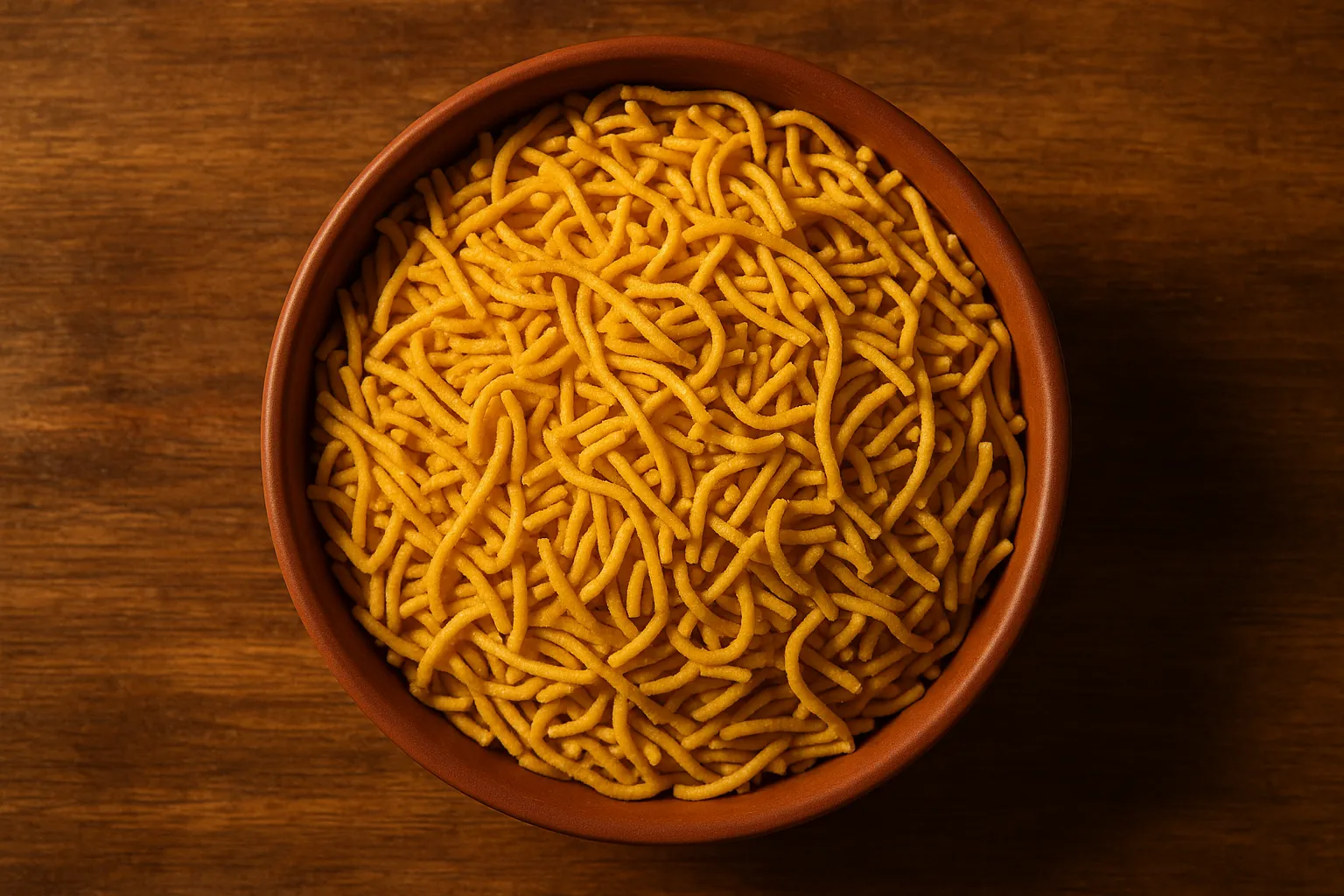
Quick Nutrition Facts
Per 1 Serving (30g)
| Nutrient | Amount |
|---|---|
| Calories | 360 kcal |
| Protein | 10g |
| Carbohydrates | 18g |
| Fiber | 1.5g |
| Sugars | 0.8g |
| Fat | 28g |
| Sodium | 380mg |
| Iron | 1.4mg |
| Calcium | 45mg |
| Cumin | 0.2g |
Macronutrient Breakdown
 ChatGPT
  Claude
  AI Mode
  Perplexity
NUTRITIONIST INSIGHT
Bikaneri bhujia combines chickpea and potato flour with Ayurvedic spices—turmeric's curcumin reduces inflammation; ginger aids digestion; cumin boosts metabolism. This traditional snack works best as an occasional indulgence (1 serving 1-2x weekly) paired with high-water vegetables to create balanced meals. The spice blend makes this superior to plain fried snacks from an inflammatory perspective.
Myth Busters
MYTH #1: All Packaged Namkeen Causes Weight Gain
TRUTH: Weight gain depends on total calories, not snack type. One serving (360 kcal) fits within most diets when portions stay controlled. Plant protein from chickpea promotes satiety, reducing overall calorie intake when compared to refined carb snacks.
MYTH #2: Spicy Snacks Damage Digestion
TRUTH: Studies show spices like cumin, ginger, and turmeric enhance digestive enzyme activity rather than harm it. Bikaneri bhujia's spice blend supports rather than impairs digestive function for most people.
MYTH #3: Traditional Indian Snacks Are Nutritionally Inferior to Western Options
TRUTH: Bikaneri bhujia delivers 10g plant protein, 1.5g fiber, and anti-inflammatory spices—surpassing many Western packaged snacks in nutritional density per serving. Traditional doesn't mean outdated nutritionally.
MYTH #4: Salt in Packaged Foods Is Always Excessive
TRUTH: One serving (380mg sodium) represents 16% of daily value—reasonable for occasional indulgence. Moderate salt intake in context of whole diet supports electrolyte balance, especially for active individuals.
MYTH #5: Fried Snacks Destroy All Nutrients
TRUTH: Deep-frying at 170°C preserves heat-stable nutrients like iron and fat-soluble vitamins while destroying some water-soluble ones. Chickpea's minerals and spices' active compounds remain largely intact.
MYTH #6: Bikaneri Bhujia Is Too Spicy for Children or Sensitive Stomachs
TRUTH: Spice level suits most palates; individual tolerance varies. The ginger and turmeric actually support digestive health. Those with sensitive stomachs can enjoy in moderation paired with yogurt, which buffers spice intensity.
NutriScore by Health Goals
| Health Goal | NutriScore | Why This Score? |
|---|---|---|
| Weight Loss |  | 360 calories per 30g serving limits use to occasional indulgence. Plant protein aids satiety but high fat (28g) requires strict portion control. Best: 1 serving weekly with vegetable pairing. |
| Muscle Gain |  | 10g plant protein supports muscle maintenance; carbs (18g) aid glycogen replacement. Enjoy 1-2 servings post-workout (within 30 min) with whole grain for complete amino acids. |
| Diabetes Management | | Moderate carbs (18g) with 1.5g fiber provide glycemic control. Chickpea's low GI (28) helps blood sugar stability. Best: 1 serving 2x weekly paired with non-starchy vegetables. |
| PCOS Management | | Plant protein and fiber support hormone balance and insulin sensitivity. Turmeric reduces inflammation linked to PCOS. Limit to 1 serving 2x weekly; pair with leafy greens. |
| Pregnancy Nutrition |  | Iron (1.4mg) supports increased blood volume; calcium (45mg) aids fetal development; ginger reduces morning sickness. Include 1 serving 2x weekly for nutrient diversity. |
| Viral/Flu Recovery | | Ginger and turmeric provide antimicrobial and anti-inflammatory support; protein aids immune cell synthesis. Enjoy as comfort snack during recovery with warm spiced tea. |
PERSONALIZED NUTRITION
Track your meals with NutriScan for personalized NutriScores based on your specific health goals!
Blood Sugar Response to Bikaneri Bhujia
Understanding glucose impact helps optimize snacking strategy, especially for diabetes management or sustained energy goals.
Typical Glucose Response Curve
This chart shows typical blood glucose response for general healthy individuals. Individual responses may vary. Not medical advice.
How to Optimize Blood Sugar Impact
Pairing chickpea-based snacks with protein and low-GI foods minimizes glucose spikes:
- 🥛 Yogurt or dahi - Protein and probiotics stabilize glucose curve
- 🥬 Spinach or greens - Fiber reduces carb absorption rate
- 🍎 Apple slices - Added fiber extends satiety
- ☕ Green tea - Polyphenols improve insulin sensitivity
Timing matters: enjoy bhujia with meals rather than alone to leverage food matrix effects.
Cultural Significance
Bikaneri bhujia originates from Bikaner, Rajasthan—a centuries-old trading hub where spice commerce shaped distinctive savory snack culture. The name itself means "spiced" in Hindi, reflecting regional flavor pride.
In India:
- Rajasthani signature snack served during festivals and weddings
- Street food staple in Bikaner, Gujarat, Jaipur, and Northern states
- Made with traditional wooden molds creating distinctive twisted shape
- Ayurvedic foundation: warming spices suited to desert climates
- Regional variants: Bikaneri, Navratan (multi-legume mix), Khatta Meetha (sweet-sour)
Global Impact:
- Export staple to diaspora communities worldwide
- Symbol of Indian snacking craftsmanship and authenticity
- Growing recognition in health circles for spice-based benefits
Compare & Substitute
Chickpea-Based Snacks vs Similar Options (Per 30g Serving)
| Nutrient | 🟢 Bikaneri Bhujia | 🔴 Roasted Chickpeas | 🟡 Chivda Mix | 🔵 Aloo Bhujia |
|---|---|---|---|---|
| Calories | 360 kcal | 420 kcal | 340 kcal | 365 kcal |
| Protein | 10g | 13g | 8g | 6g |
| Carbs | 18g | 32g | 24g | 22g |
| Fiber | 1.5g | 6g | 2g | 1.8g |
| Fat | 28g | 16g | 21g | 28g |
| Sodium | 380mg | 180mg | 420mg | 340mg |
| Spice Level | High (warming) | Minimal | Very High | Moderate (savory) |
| Best For | Flavor, digestion | Fiber, satiety | Variety, indulgence | Traditional, oil-based |
Frequently Asked Questions
Is Bikano Bikaneri Bhujia good for weight loss?
Bikaneri bhujia is calorie-dense at 360 kcal per 30g serving, making portion control essential for weight loss. The 10g plant protein provides satiety benefits, but the 28g fat content limits frequency. For active weight loss, enjoy no more than 1 serving once per week, always paired with vegetable-rich meals.
Best practices: Use a scale for accurate 30g portions; avoid eating directly from the package; pair with raw vegetables (cucumber, carrot, lettuce) to increase meal volume without adding calories.
What makes Bikaneri Bhujia different from other bhujia varieties?
Bikaneri bhujia uses a specific blend of turmeric, ginger, and cumin traditional to Bikaner region. Other varieties like Khatta Meetha add tamarind (sweet-sour), while Navratan includes multiple legumes. Bikaneri's pure savory-spicy profile makes it ideal for those avoiding sweet snacks or sugar spikes.
Can diabetics eat Bikano Bikaneri Bhujia safely?
Yes, in moderation. Chickpea flour provides low-glycemic carbohydrates (GI ~28); 1.5g fiber per serving aids blood sugar stability; and ginger has documented glucose-lowering effects. Diabetics can enjoy 1 serving (30g) up to 2x weekly when paired with non-starchy vegetables and protein.
Important: Monitor personal blood glucose response; pair with yogurt or Greek cheese to buffer carb absorption.
Is the sodium level in Bikaneri Bhujia problematic for high blood pressure?
One serving provides 380mg sodium (16% of 2,300mg daily limit). This fits within healthy ranges when balanced across the day. Those with hypertension should limit to 1-2 servings weekly and avoid pairing with other high-sodium foods. The potassium from chickpea actually aids blood pressure regulation.
What spices are in Bikano Bikaneri Bhujia and do they have health benefits?
Key Spices & Benefits:
- Turmeric: Curcumin reduces inflammation (1.4mg per serving)
- Ginger: Aids digestion, reduces nausea and bloating
- Cumin: Boosts metabolic rate, improves digestion
- Chili: Capsaicin increases fat oxidation during exercise
These aren't trace amounts—traditional bhujia uses concentrated spice powders, delivering measurable health effects beyond flavor.
How often can I safely eat Bikano Bikaneri Bhujia?
General Guidelines: Weight loss = 1x weekly; maintenance = 2-3x weekly; muscle gain = 2-3x weekly post-workout. Daily consumption risks exceeding sodium and fat targets. Never exceed 2 servings (60g) per day. Track portions using a scale for accuracy; visual estimation typically exceeds actual serving sizes by 30-40%.
Track your meals with NutriScan app to monitor how Bikaneri Bhujia fits your personal nutrition goals.


Similar Nutritious Snacks
4505 Chicharrones Classic Chili Salt
7 Eleven Japan Crispy Corn Cheese
Explore More Nutrition Tools & Resources
AI Calorie Counter App - Snap a Photo, Get Macros
AI Nutritionist App That Reads Your Logged Meals
Best Protein Supplements for Women
Bulking Meal Plan App That Sets Your Surplus
ChatGPT Calorie Counter Alternative That Keeps the Total
ChatGPT Diet Plan Alternative That Tracks What You Eat
ChatGPT Weight Loss Coach Alternative With a Food Log
Fast Food Calorie Counter App That Reads the Tray
Free Calorie Tracker App with AI Photo Scans | NutriScan
Indian Diet Plan App With Veg and Non Veg Meals
Indian Food Calorie Calculator - Get Instant Nutrition Facts for Desi Meals — 2026
Intermittent Fasting for Women, Timer and Meal Log App
Intermittent Fasting Tracker App - Free Fasting Timer
Macro Tracker App That Fills the Numbers From a Photo
Mediterranean Diet Meal Plan App That Counts the Oil
Micronutrient Tracker App for Vitamins and Minerals
MyFitnessPal Alternative That Stays Free | NutriScan
NutriScore App: A Free Grade on Every Meal | NutriScan
Nutrition Label Scanner App for the Amount You Ate
Second Trimester Protein Guide
Vegetarian Meal Plan App With a Protein Target
Voice Calorie Counter - Speak to Track Meals Hands-Free
Water and Calorie Tracker App - Free Water Log