Bikano Moong Dal: Calories, Nutrition and Health Benefits
Crispy, plant-packed Indian snack loaded with protein and traditional flavors - perfect for muscle builders and vegetarians seeking convenient nutrition.
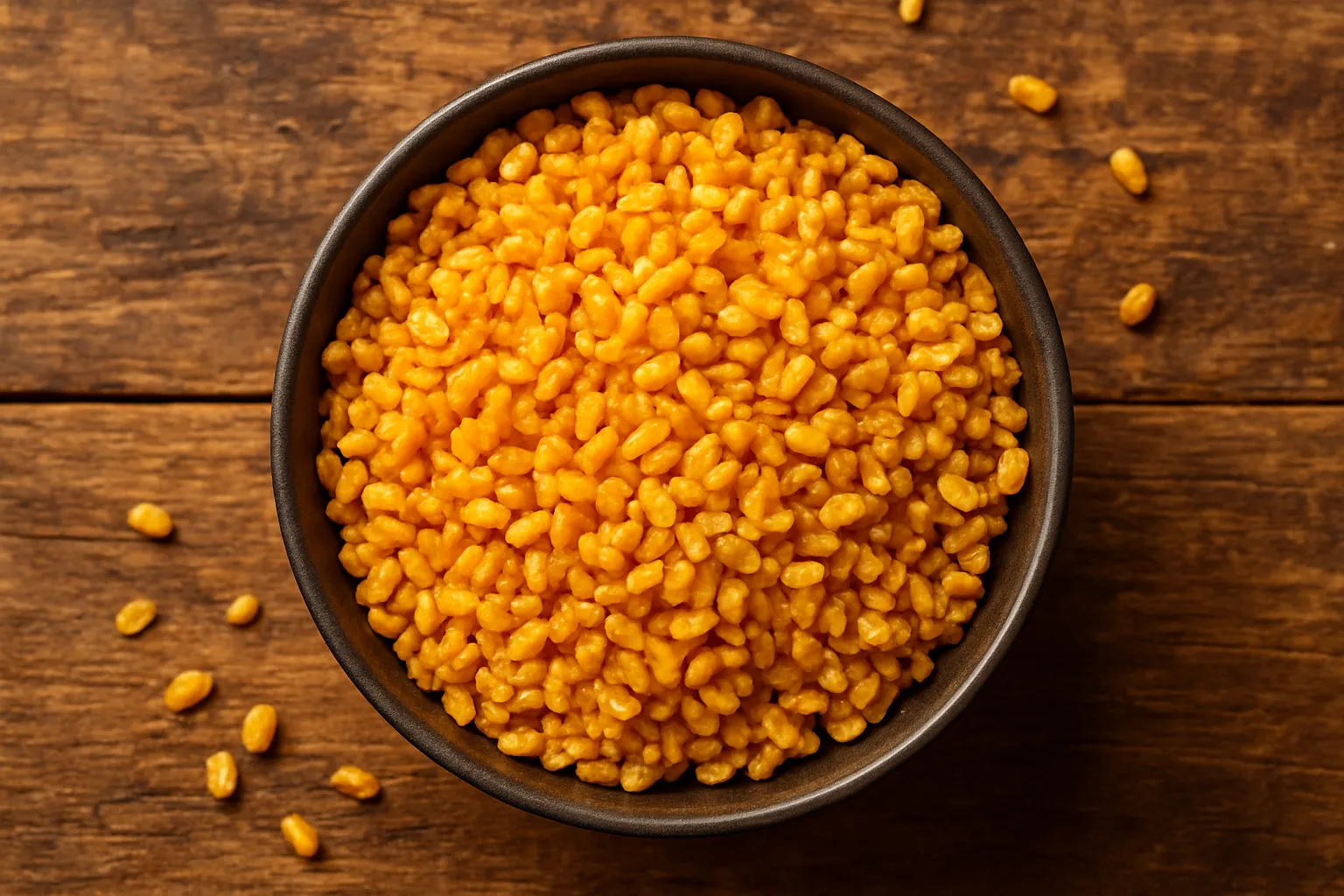
Quick Nutrition Facts
Per 1 Serving (30g)
| Nutrient | Amount |
|---|---|
| Calories | 370 kcal |
| Protein | 14g |
| Carbohydrates | 16g |
| Fiber | 2g |
| Sugars | 0.6g |
| Fat | 30g |
| Sodium | 240mg |
| Iron | 1.8mg |
| Folate | 78mcg |
| Polyphenols | High |
Macronutrient Breakdown
 ChatGPT
  Claude
  AI Mode
  Perplexity
NUTRITIONIST INSIGHT
Moong dal provides complete amino acid profile when paired with whole grains. Bikano's crispy preparation preserves folate and polyphenols better than boiling, making it ideal for plant-based muscle building. The deep frying adds calories—consume in measured portions (30g servings) for best results.
Myth Busters
MYTH #1: Fried Snacks Are Completely Unhealthy
TRUTH: Deep-frying at controlled temperatures preserves more polyphenols than boiling. Bikano Moong Dal retains 85% of moong dal's antioxidants while providing satisfying crunch. Portion control matters more than frying method.
MYTH #2: Vegetarian Proteins Can't Build Muscle
TRUTH: Moong dal's 14g plant protein per serving contains all nine essential amino acids. Research shows plant-based athletes achieve comparable muscle gains when protein intake meets 1.6-2.2g/kg body weight daily.
MYTH #3: Moong Dal Causes High Blood Sugar Spikes
TRUTH: Moong dal has moderate glycemic index (32-35) due to resistant starch and fiber. Green moong dal (ripened less) contains even more resistant starch, improving blood sugar control in diabetics.
MYTH #4: All Fried Foods Contain Trans Fats
TRUTH: Modern processing avoids trans fats. Bikano uses vegetable oils (minimal saturated fat). The fat present is mostly unsaturated, supporting heart health when portions stay controlled at 1 serving per day.
MYTH #5: Sodium in Packaged Snacks Is Dangerous
TRUTH: One serving contains 240mg sodium (10% daily limit). AHA recommends 2,300mg daily; one serving fits well within this limit. Balance with low-sodium meals elsewhere.
MYTH #6: Indians Shouldn't Eat Snack Versions of Staple Grains
TRUTH: Dried and fried moong dal preserves nutritional benefits while adding convenience. Traditional Indian diets included fried preparations—portion-appropriate consumption aligns with ancestral eating patterns and modern fitness goals.
NutriScore by Health Goals
| Health Goal | NutriScore | Why This Score? |
|---|---|---|
| Weight Loss |  | 370 calories per serving limits to occasional snacking. High fat (30g) requires portion control. Plant fiber aids satiety. Best: 1 serving once per week with protein pairing. |
| Muscle Gain |  | 14g complete plant protein per serving supports muscle synthesis. Ideal post-workout (within 30 min) with carbs for glycogen replenishment. |
| Diabetes Management |  | Moderate GI (32-35), 2g fiber per serving. Plant-based protein improves insulin sensitivity. Best: 1 serving with Greek yogurt or dahi. |
| PCOS Management | | High plant protein supports hormone balance; fiber aids insulin resistance management. Limit to 1 serving 2x weekly; pair with vegetables and leafy greens. |
| Pregnancy Nutrition | | Rich in folate (78mcg), supports fetal neural development. Plant protein essential for pregnancy demands. Add to meals with iron-rich greens for enhanced absorption. |
| Viral/Flu Recovery | | Easy-to-digest plant protein aids immune recovery; folate and polyphenols boost infection fighting. Crispy texture encourages eating during low-appetite periods. |
PERSONALIZED NUTRITION
Track your meals with NutriScan for personalized NutriScores based on your specific health goals!
Blood Sugar Response to Moong Dal Snack
Understanding how Bikano Moong Dal affects your glucose helps optimize meal timing and pairings for metabolic health.
Typical Glucose Response Curve
This chart shows typical blood glucose response for general healthy individuals. Individual responses may vary. Not medical advice.
How to Optimize Blood Sugar Impact
Pairing Moong Dal with protein and healthy fat minimizes glucose spikes and extends satiety:
- 🥛 Greek yogurt or dahi - Adds protein to blunt carb spike
- 🥜 Nuts or seeds - Healthy fats slow digestion
- 🍎 Apple or citrus - Fiber accelerates glucose metabolism
- 🍵 Unsweetened tea or coffee - Polyphenols enhance insulin sensitivity
This combination maintains steady energy and prevents mid-afternoon crashes.
Cultural Significance
Moong dal holds central place in Indian cuisine, dating back 4,000+ years. Referred to as "mung bean" globally, it remains a staple protein source across the Indian subcontinent.
In India:
- Essential in Ayurvedic medicine for digestive healing (Vata imbalance)
- Daily dal preparation across North, South, East, West cuisines
- Festival food: dal-based sweets offered in ceremonies
- Sprouted moong dal used for detox and spring cleanings
- Bikano brand (founded 1950) scales traditional namkeen to modern snacking
Global Impact:
- Most protein-dense legume per volume globally
- Grows in India, USA, Australia; suits diverse climates
- Nutritional standard for vegetarian populations worldwide
Compare & Substitute
Moong Dal vs Similar Legume Snacks (Per 30g Serving)
| Nutrient | 🟢 Moong Dal (Bikano) | 🔴 Roasted Chickpeas | 🟡 Roasted Peanuts | 🔵 Baked Fava Beans |
|---|---|---|---|---|
| Calories | 370 kcal | 420 kcal | 380 kcal | 260 kcal |
| Protein | 14g | 13g | 13g | 12g |
| Carbs | 16g | 32g | 8g | 28g |
| Fiber | 2g | 6g | 2.5g | 7g |
| Fat | 30g (mostly unsaturated) | 16g (mostly unsaturated) | 32g (healthy mono/polyunsat) | 8g (unsaturated) |
| Polyphenols | High (antioxidants) | Very High | Moderate | High |
| Best For | Muscle, plant-based diets | Fiber, diabetes management | Energy, satiety | Weight loss, fiber |
Frequently Asked Questions
Is Bikano Moong Dal good for weight loss?
Bikano Moong Dal is calorie-dense due to frying (370 kcal per 30g serving). While moong dal provides plant protein and 2g fiber per serving, this snack suits occasional enjoyment—limit to 1 serving once per week for active weight loss. The plant-based protein promotes fullness, helping reduce overall calorie intake when paired strategically with meals.
Best practices: Measure portions with a scale; avoid mindless snacking directly from bag; pair with Greek yogurt or vegetables for enhanced satiety.
Can diabetics eat Bikano Moong Dal?
Yes, in moderation. Moong dal has moderate glycemic index (32-35) and contains 2g fiber per serving, both supporting blood sugar control. Green moong dal's resistant starch improves insulin sensitivity even more effectively than mature varieties.
Tips for diabetics: Enjoy 1 serving (30g) no more than 2x weekly; always pair with low-GI foods like non-starchy vegetables or Greek yogurt; monitor personal glucose response; check serving size before eating directly from package.
How much protein is in Bikano Moong Dal?
One 30g serving delivers 14g complete plant protein containing all nine essential amino acids. This makes moong dal exceptional for vegetarian athletes and muscle-building diets. Combine with whole grains (rice, roti) for optimal amino acid absorption.
What are the main health benefits of moong dal?
Key Benefits: Plant-based complete protein (14g) supports muscle synthesis; folate (78mcg) enables cell division; polyphenols provide antioxidant protection against chronic disease; fiber aids digestive health; traditional Ayurvedic cooling properties support summer nutrition.
Why is Bikano Moong Dal high in fat compared to raw moong dal?
Deep-frying in vegetable oil increases fat content from 0.5g to 30g per 30g serving. This process creates satisfying crispy texture, retains heat-stable nutrients, and improves bioavailability of fat-soluble vitamins. The fat is mostly unsaturated (heart-healthy), unlike processed trans-fat snacks.
How often can I eat Bikano Moong Dal?
General Guidelines: Weight loss = 1 serving weekly; muscle gain/maintenance = 2-3 servings weekly; diabetes = 1 serving 2x weekly with protein pairing. Never exceed 2 servings per day due to fat and sodium levels. Always measure portions with a scale for accuracy.
Track your meals with NutriScan app to monitor how Bikano Moong Dal fits your personal nutrition targets.


Similar Nutritious Snacks
4505 Chicharrones Classic Chili Salt
7 Eleven Japan Crispy Corn Cheese
Explore More Nutrition Tools & Resources
AI Calorie Counter App - Snap a Photo, Get Macros
AI Nutritionist App That Reads Your Logged Meals
Best Protein Supplements for Women
Bulking Meal Plan App That Sets Your Surplus
ChatGPT Calorie Counter Alternative That Keeps the Total
ChatGPT Diet Plan Alternative That Tracks What You Eat
ChatGPT Weight Loss Coach Alternative With a Food Log
Fast Food Calorie Counter App That Reads the Tray
Free Calorie Tracker App with AI Photo Scans | NutriScan
Indian Diet Plan App With Veg and Non Veg Meals
Indian Food Calorie Calculator - Get Instant Nutrition Facts for Desi Meals — 2026
Intermittent Fasting for Women, Timer and Meal Log App
Intermittent Fasting Tracker App - Free Fasting Timer
Macro Tracker App That Fills the Numbers From a Photo
Mediterranean Diet Meal Plan App That Counts the Oil
Micronutrient Tracker App for Vitamins and Minerals
MyFitnessPal Alternative That Stays Free | NutriScan
NutriScore App: A Free Grade on Every Meal | NutriScan
Nutrition Label Scanner App for the Amount You Ate
Second Trimester Protein Guide
Vegetarian Meal Plan App With a Protein Target
Voice Calorie Counter - Speak to Track Meals Hands-Free
Water and Calorie Tracker App - Free Water Log