Black Beans (Canned): Calories, Nutrition and Health Benefits
Budget-friendly protein powerhouse: 7.8g protein, 7g fiber, and 42% daily folate in one serving of canned black beans.
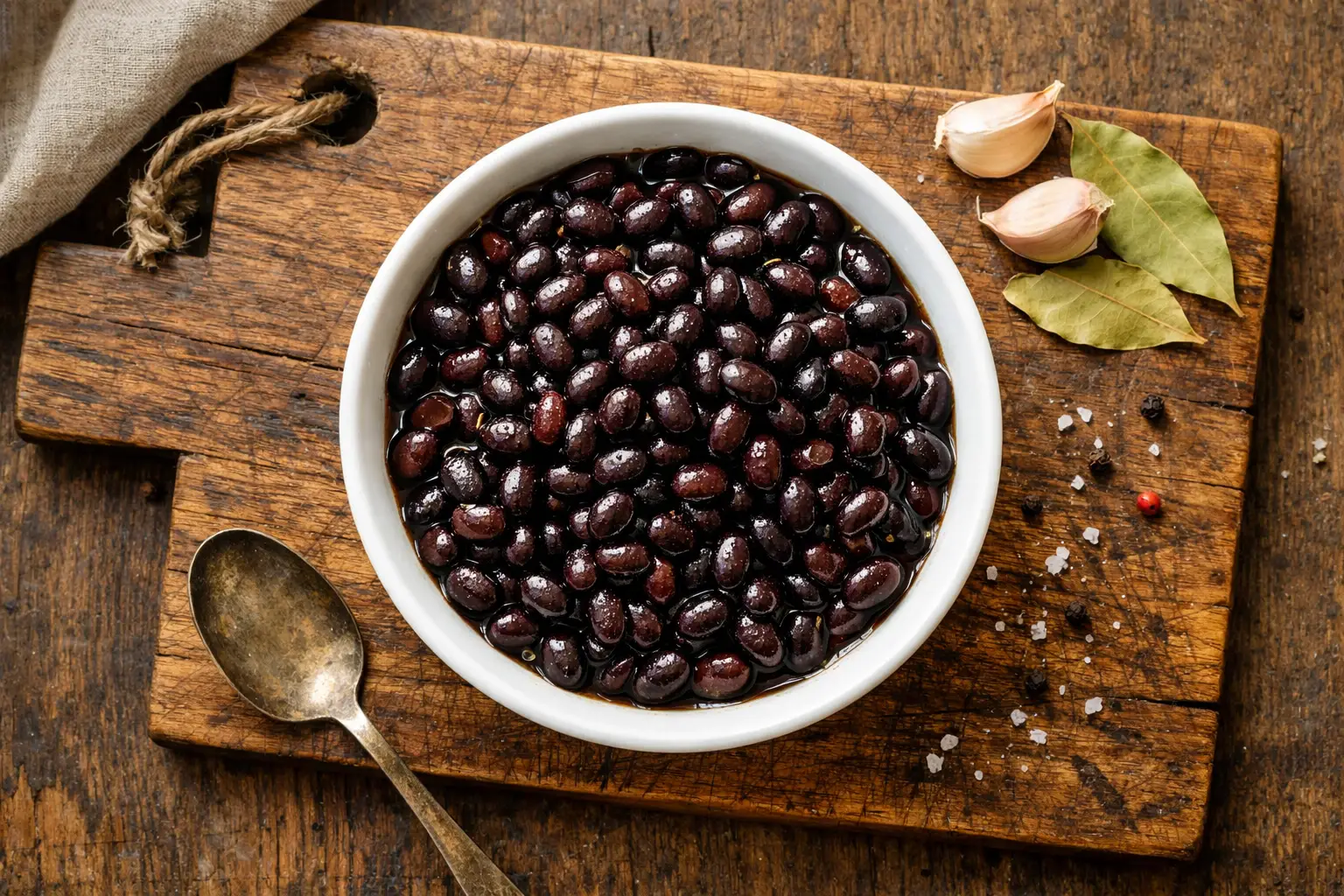
Quick Nutrition Facts
Per 1/2 Cup Canned, Drained (130g)
| Nutrient | Amount |
|---|---|
| Calories | 118 kcal |
| Protein | 7.8g |
| Carbohydrates | 21.5g |
| Fiber | 7g |
| Sugars | 0.4g |
| Fat | 0.4g |
| Iron | 2.6mg |
| Folate | 166mcg |
| Potassium | 462mg |
| Magnesium | 46mg |
Macronutrient Breakdown
 ChatGPT
  Claude
  AI Mode
  Perplexity
NUTRITIONIST INSIGHT
Canned black beans deliver 42% of your daily folate and 14% of your iron in a single 130g serving. Rinse before eating to cut sodium by up to 40% while keeping all the protein and fiber intact.
Myth Busters
MYTH #1: Beans Cause Too Much Gas to Be Worth Eating
TRUTH: Gas decreases significantly after 2-3 weeks of regular bean consumption as your gut bacteria adapt. Black beans stimulate beneficial Clostridia bacteria that reduce inflammation and improve digestion over time.
MYTH #2: Canned Beans Have No Nutritional Value
TRUTH: Canned black beans retain nearly all protein, fiber, iron, and folate compared to dried. The main difference is added sodium, which rinsing removes by up to 40%. Studies confirm canned beans maintain their blood sugar benefits.
MYTH #3: Lectins in Beans Are Dangerous
TRUTH: Canned beans are fully cooked, which destroys lectins completely. Populations eating the most beans live the longest (Blue Zones research) with lower rates of heart disease and diabetes.
MYTH #4: Black Beans Are Too High in Carbs
TRUTH: The 21.5g of carbs per serving comes with 7g of fiber, yielding only 14.5g net carbs. The resistant starch in black beans acts like fiber, feeding beneficial gut bacteria rather than spiking blood sugar.
MYTH #5: Plant Protein from Beans Is Incomplete
TRUTH: While black beans are low in methionine, pairing with rice or whole grains creates a complete protein. You don't even need to eat them in the same meal. Bean consumption improves overall dietary quality scores.
NutriScore by Health Goals
| Health Goal | NutriScore | Why This Score? |
|---|---|---|
| Weight Loss |  | Only 118 cal with 7g fiber and 7.8g protein per serving. Resistant starch reduces fat storage and promotes lasting fullness. |
| Muscle Gain |  | 7.8g plant protein per serving. Pair with rice for complete amino acids. Iron and magnesium support muscle recovery. |
| Diabetes Management | | Low GI (30). Studies show 34% lower insulin response after black bean meals. Fiber slows glucose absorption. |
| PCOS Management | | High fiber stabilizes blood sugar and reduces insulin resistance. Low glycemic load (7) supports hormonal balance. |
| Pregnancy Nutrition | | 42% daily folate reduces neural tube defect risk. Mothers consuming beans weekly had higher fiber, iron, and folate intake. 14% daily iron. |
| Viral/Flu Recovery | | Provides iron, zinc, and protein for immune function. Easy to digest in soups and stews during illness. |
PERSONALIZED NUTRITION
Track your meals with NutriScan for personalized NutriScores based on your specific health goals!
Blood Sugar Response to Black Beans
Black beans have one of the lowest glycemic indices among common foods, making them ideal for steady energy and blood sugar control.
Typical Glucose Response Curve
This chart shows typical blood glucose response for general healthy individuals. Individual responses may vary. Not medical advice.
How to Flatten the Spike
Pairing black beans with fiber-rich vegetables or healthy fats further reduces glucose absorption and keeps blood sugar stable:
- 🥑 Avocado or guacamole - Healthy fats slow carb absorption
- 🍚 Brown rice - Complete protein combo with extra fiber
- 🥬 Leafy greens (spinach, kale) - Added fiber and magnesium
- 🫒 Olive oil drizzle - Monounsaturated fats support insulin sensitivity
This combination provides sustained energy for 3-4 hours without blood sugar crashes.
Cultural Significance
Black beans (Phaseolus vulgaris) are native to the Americas and have been cultivated for over 7,000 years, serving as a sacred staple in pre-Columbian societies.
In Latin America & Caribbean:
- Cuba: Essential in "Moros y Cristianos" (rice and beans), a daily staple
- Brazil: Key ingredient in "Feijoada," the national dish of black bean stew
- Mexico: Foundation of refried beans, burritos, and traditional side dishes
- Symbolize good luck and prosperity at weddings and holidays
In India:
- Known as "Rajma" family; black beans used in curries and dals
- Growing popularity in urban health-conscious diets
- Paired with rice for complete protein in vegetarian meals
Global Impact:
- 2026 declared "Year of the Bean" by food sustainability advocates
- One of the most affordable protein sources worldwide
- Sustainable crop that enriches soil nitrogen naturally
Compare & Substitute
Black Beans vs Similar Legumes (Per 100g)
| Nutrient | Black Beans (Canned) | Kidney Beans (Canned) | Chickpeas (Cooked) | Lentils (Cooked) |
|---|---|---|---|---|
| Calories | 91 kcal | 100 kcal | 119 kcal | 116 kcal |
| Carbs | 16.5g | 17.8g | 20g | 20g |
| Fiber | 5.4g | 5.3g | 4.9g | 7.9g |
| Protein | 6g | 6.7g | 6.3g | 9g |
| Fat | 0.3g | 0.5g | 2.6g | 0.4g |
| Iron | 2.0mg | 2.2mg | 1.8mg | 3.3mg |
| Folate | 128mcg | 98mcg | 141mcg | 181mcg |
| Best For | Blood sugar control, budget protein | Antioxidants, stews | Gut health, hummus | Highest protein, fastest cook |
Frequently Asked Questions
Are canned black beans good for weight loss?
118 calories per serving with 7g fiber and 7.8g protein makes black beans one of the best weight loss foods. The resistant starch feeds beneficial gut bacteria and promotes fullness for hours.
Best practices: Use as a protein base in salads, soups, or burrito bowls. Rinse to reduce sodium. Aim for 1/2 to 1 cup per meal.
Can diabetics eat canned black beans?
Black beans are one of the best foods for diabetics with a GI of 30. Studies show they reduce postprandial insulin response by up to 34%.
Tips for diabetics:
- Pair with non-starchy vegetables for maximum benefit
- Add to rice dishes to lower the overall meal GI
- Choose low-sodium or rinse regular canned beans
- Monitor blood sugar 2 hours after eating
How much protein is in canned black beans?
A 130g drained serving provides 7.8g of plant protein. Pair with rice, quinoa, or whole grains for a complete amino acid profile matching animal protein quality.
For muscle gain, combine with grains at any meal during the day. You don't need to eat complementary proteins simultaneously.
Are canned black beans as nutritious as dried?
Canned beans retain nearly all protein, fiber, iron, and folate. The main trade-off is sodium (300-400mg per serving), but rinsing removes up to 40%. Canning may slightly increase GI compared to home-cooked dried beans, but the difference is minimal for most people.
Are black beans safe during pregnancy?
Black beans are excellent during pregnancy. One serving provides 42% daily folate (critical for preventing neural tube defects), 14% daily iron (prevents anemia), and quality plant protein for fetal development. No safety concerns at normal dietary amounts.
How do I reduce gas from black beans?
- Rinse canned beans thoroughly under running water
- Start with small portions (1/4 cup) and increase gradually over 2-3 weeks
- Add cumin, ginger, or epazote herb while cooking
- Chew slowly and eat mindfully
Your gut bacteria adapt to regular bean consumption within 2-3 weeks, significantly reducing gas production.


Similar Nutritious Foods
4505 Chicharrones Classic Chili Salt
7 Eleven Japan Crispy Corn Cheese
Explore More Nutrition Tools & Resources
AI Calorie Counter App - Snap a Photo, Get Macros
AI Nutritionist App That Reads Your Logged Meals
Best Protein Supplements for Women
Bulking Meal Plan App That Sets Your Surplus
ChatGPT Calorie Counter Alternative That Keeps the Total
ChatGPT Diet Plan Alternative That Tracks What You Eat
ChatGPT Weight Loss Coach Alternative With a Food Log
Fast Food Calorie Counter App That Reads the Tray
Free Calorie Tracker App with AI Photo Scans | NutriScan
Indian Diet Plan App With Veg and Non Veg Meals
Indian Food Calorie Calculator - Get Instant Nutrition Facts for Desi Meals — 2026
Intermittent Fasting for Women, Timer and Meal Log App
Intermittent Fasting Tracker App - Free Fasting Timer
Macro Tracker App That Fills the Numbers From a Photo
Mediterranean Diet Meal Plan App That Counts the Oil
Micronutrient Tracker App for Vitamins and Minerals
MyFitnessPal Alternative That Stays Free | NutriScan
NutriScore App: A Free Grade on Every Meal | NutriScan
Nutrition Label Scanner App for the Amount You Ate
Second Trimester Protein Guide
Vegetarian Meal Plan App With a Protein Target
Voice Calorie Counter - Speak to Track Meals Hands-Free
Water and Calorie Tracker App - Free Water Log