Black Olives: Calories, Nutrition and Health Benefits
Mediterranean superfood rich in heart-healthy fats, powerful antioxidants, and essential nutrients for cardiovascular health and longevity.
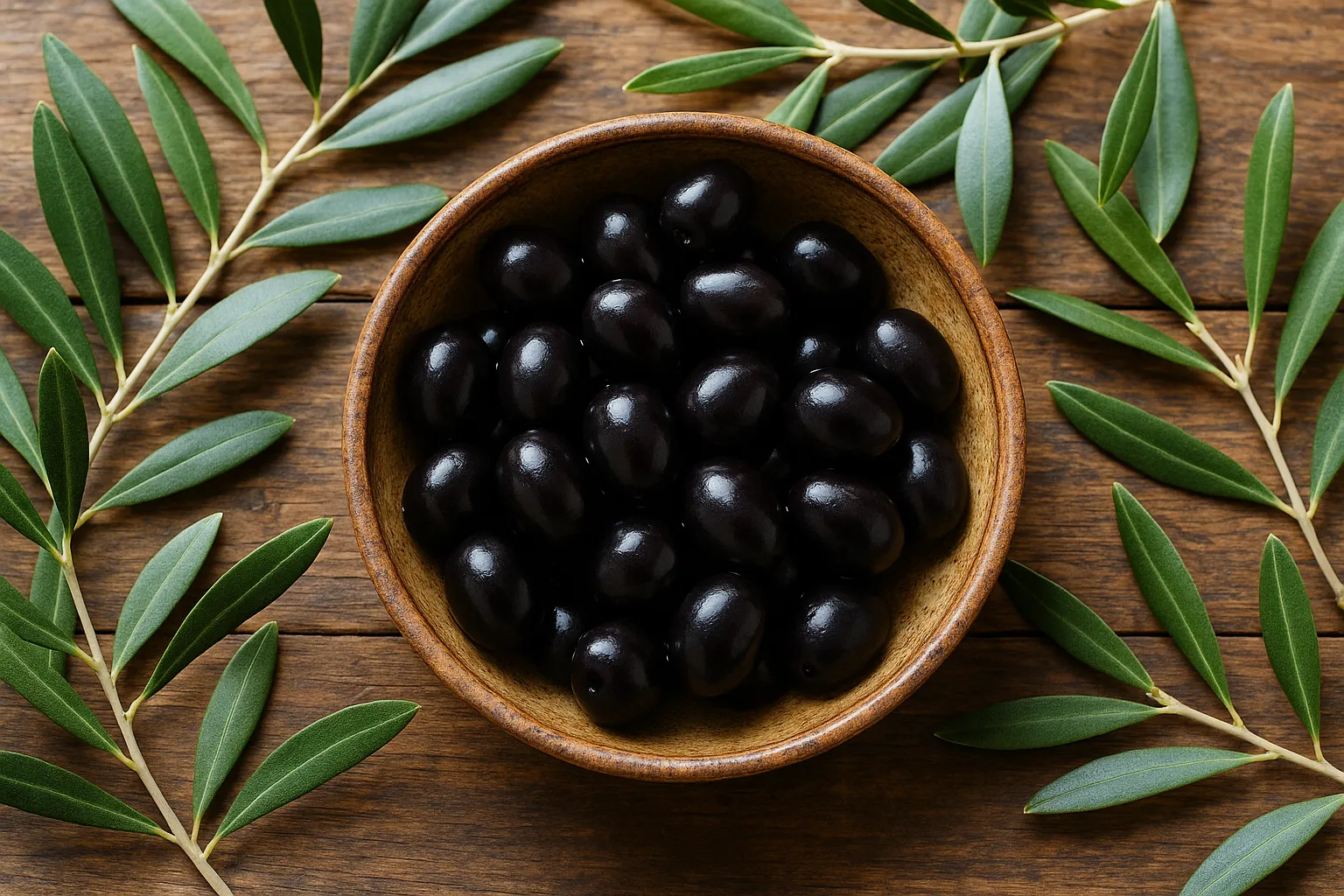
Quick Nutrition Facts
Per 100g (Approximately 30-35 Pitted Olives)
| Nutrient | Amount |
|---|---|
| Calories | 115 kcal |
| Protein | 0.8g |
| Carbohydrates | 6.3g |
| Fiber | 3.2g |
| Sugars | 0g |
| Fat | 10.7g |
| Saturated Fat | 1.4g |
| Sodium | 735mg |
| Iron | 3.3mg |
| Calcium | 88mg |
| Vitamin E | 1.7mg |
Macronutrient Breakdown
 ChatGPT
  Claude
  AI Mode
  Perplexity
NUTRITIONIST INSIGHT
Black olives provide 10.7g of heart-healthy monounsaturated fats (primarily oleic acid) that reduce LDL cholesterol. The 3.2g fiber aids digestion while powerful antioxidants like oleuropein protect against cellular damage and inflammation.
Myth Busters
MYTH #1: Black Olives Are Too High in Fat
TRUTH: The 10.7g fat is predominantly monounsaturated fat (oleic acid) proven to reduce heart disease risk and inflammation. Mediterranean populations consuming olives daily have lower cardiovascular disease rates.
MYTH #2: Olives Cause Weight Gain
TRUTH: Despite calories, studies show olive consumption associates with lower body weight. The healthy fats and 3.2g fiber increase satiety, reducing overall calorie intake. Portion control remains important.
MYTH #3: Black Olives Have No Nutritional Value
TRUTH: Beyond healthy fats, black olives provide 3.3mg iron (18% DV for men, 18% for women), vitamin E for skin health, polyphenols for antioxidant protection, and calcium for bones.
MYTH #4: All Black Olives Are the Same
TRUTH: Naturally cured olives (Kalamata, Moroccan) retain more antioxidants than canned California-style black olives processed with ferrous gluconate. Choose naturally ripened varieties for maximum health benefits.
MYTH #5: Olives Are Too High in Sodium to Be Healthy
TRUTH: While canned olives contain 735mg sodium per 100g, rinsing reduces it by 30-40%. The potassium-to-sodium ratio and healthy fats offset blood pressure concerns when consumed in moderation.
MYTH #6: You Must Avoid Olives for Low-Carb Diets
TRUTH: Black olives are excellent for keto and low-carb diets with only 6.3g total carbs and 3.2g fiber (3.1g net carbs per 100g). The high fat content supports ketosis perfectly.
NutriScore by Health Goals
| Health Goal | NutriScore | Why This Score? |
|---|---|---|
| Weight Loss |  | 115 calories per 100g with satiating fats and fiber. Portion to 10-15 olives (35-50 cal) as snack. |
| Muscle Gain |  | Low protein (0.8g) but healthy fats support hormone production. Pair with protein sources. |
| Diabetes Management |  | Low carbs (6.3g), high fiber, healthy fats stabilize blood sugar. Minimal glucose impact. |
| PCOS Management | | Anti-inflammatory fats and polyphenols support hormone balance and reduce insulin resistance. |
| Pregnancy Nutrition | | Iron (3.3mg) prevents anemia; healthy fats aid fetal brain development. Rinse to reduce sodium for preeclampsia prevention. |
| Viral/Flu Recovery | | Antioxidants (vitamin E, polyphenols) boost immunity; easy to digest; oleic acid reduces inflammation. |
PERSONALIZED NUTRITION
Track your meals with NutriScan for personalized NutriScores based on your specific health goals!
Blood Sugar Response to Black Olives
Understanding how olives affect your blood glucose demonstrates their value for metabolic health.
Typical Glucose Response Curve
This chart shows typical blood glucose response for general healthy individuals. Individual responses may vary. Not medical advice.
How Olives Support Blood Sugar Control
Black olives' combination of healthy fats, fiber, and minimal carbs creates ideal conditions for stable glucose:
- 🥗 Mediterranean salads - Pair with vegetables, feta, tomatoes
- 🍝 Pasta dishes - Add to whole grain pasta to slow carb absorption
- 🍞 Whole grain toast - Spread olive tapenade instead of butter
- 🧀 Cheese boards - Combine with nuts and vegetables for balanced snacking
The monounsaturated fats slow digestion of any carbohydrates consumed alongside olives, preventing glucose spikes.
Cultural Significance
Olives have been cultivated for over 6,000 years, originating in the Mediterranean region.
In Mediterranean Culture:
- Symbol of peace, wisdom, and prosperity in Greek mythology
- Essential to Mediterranean diet linked to longevity and low heart disease rates
- Olive trees can live 2,000+ years, representing endurance and heritage
- Traditional curing methods passed through generations preserve nutrients
Global Impact:
- 21 million tons produced annually worldwide
- Spain, Italy, Greece produce 75% of global olive supply
- Mediterranean diet studies credit olives for cardiovascular benefits
- Expanding cultivation in California, Australia, South America
Compare & Substitute
Black Olives vs Similar Foods (Per 100g)
| Nutrient | 🫒 Black Olives | 🫒 Green Olives | 🥑 Avocado | 🥜 Almonds |
|---|---|---|---|---|
| Calories | 115 kcal | 145 kcal | 160 kcal | 579 kcal |
| Carbs | 6.3g | 3.8g | 8.5g | 21.6g |
| Fiber | 3.2g | 3.3g | 6.7g | 12.5g |
| Protein | 0.8g | 1g | 2g | 21.2g |
| Fat | 10.7g | 15.3g | 14.7g | 49.9g |
| Sodium | 735mg | 1556mg | 7mg | 1mg |
| Iron | 3.3mg | 0.5mg | 0.6mg | 3.7mg |
| Best For | Heart health | Sodium lovers | Keto, fiber | Protein, energy |
Frequently Asked Questions
Are black olives good for weight loss?
Yes, black olives support weight loss despite 115 calories per 100g. The 10.7g healthy fats promote satiety and reduce cravings. Studies show Mediterranean diet followers who eat olives daily have better weight maintenance.
Best practices: Portion to 10-15 olives (35-50 calories) as snack; use sliced in salads for volume; choose pitted to slow eating; rinse canned olives to reduce sodium bloating.
Can diabetics eat black olives?
Yes, olives are excellent for diabetics with only 6.3g carbs per 100g, 3.2g fiber, and healthy fats that slow glucose absorption. The low glycemic index causes minimal blood sugar impact.
Diabetic tips: Pair with protein and vegetables; use as salad topping to slow carb digestion; choose varieties without added sugars; monitor sodium intake if managing blood pressure.
What are the main health benefits of black olives?
Key Benefits:
- Heart Health: Monounsaturated fats reduce LDL cholesterol and inflammation
- Antioxidant Protection: Oleuropein, vitamin E combat oxidative stress and cellular damage
- Anti-Inflammatory: Polyphenols reduce chronic inflammation markers
- Bone Health: Calcium (88mg) and polyphenols support bone density
- Iron for Energy: 3.3mg iron (18-41% DV) prevents anemia and fatigue
- Cancer Prevention: Antioxidants linked to reduced cancer risk in Mediterranean diet studies
How many calories in 10 black olives?
Ten medium pitted black olives (approximately 30g) contain about 35 calories, with 3.2g fat, 1.9g carbs, and 1g fiber. This makes them a reasonable snack for most diets.
Practical portions: 10 olives for snacking; 15-20 in salads (50-70 cal); 5-7 on pizza (20-25 cal).
Are black olives high in sodium?
Yes, canned black olives contain 735mg sodium per 100g (32% DV) due to brine preservation. This can contribute significantly to the recommended 2,300mg daily limit.
Sodium reduction strategies: Rinse olives under water for 30 seconds (reduces sodium 30-40%); choose low-sodium or no-salt-added brands (200-400mg per 100g); opt for fresh or dry-cured olives (lower sodium); balance with potassium-rich foods.
Are black olives or green olives healthier?
Both offer excellent health benefits with slight differences:
Black Olives (Ripe):
- More vitamin E and antioxidants from full ripening
- Milder flavor, easier for some to enjoy
- 115 calories per 100g
- Higher oleic acid content
Green Olives (Unripe):
- More polyphenols and chlorophyll
- Firmer texture, stronger flavor
- 145 calories per 100g
- Much higher sodium (1556mg vs 735mg)
Verdict: Choose based on taste preference - both provide heart-healthy fats and antioxidants. Black olives edge ahead for lower sodium and more vitamin E.
How should I store black olives?
Unopened Canned: Pantry for 18-24 months (check best-by date). Opened Canned: Refrigerate in brine or olive oil for 1-2 weeks in airtight container. Jarred/Deli: Refrigerate submerged in brine for 2-3 weeks. Dry-Cured: Refrigerate in sealed bag for 2-3 months.
Best practice: Keep olives submerged in liquid to prevent drying; discard if mold, off-smell, or cloudy brine develops.
Can I eat olives on a keto diet?
Yes, black olives are excellent for keto with only 3.1g net carbs per 100g (6.3g total - 3.2g fiber). The 10.7g fat content supports ketosis and provides good macros.
Keto applications: Snack on 15-20 olives (4-5g net carbs); add to keto pizzas and salads; make olive tapenade for fat bombs; pair with cheese and nuts.


Similar Nutritious Mediterranean Foods
4505 Chicharrones Classic Chili Salt
7 Eleven Japan Crispy Corn Cheese
Explore More Nutrition Tools & Resources
AI Calorie Counter App - Snap a Photo, Get Macros
AI Nutritionist App That Reads Your Logged Meals
Best Protein Supplements for Women
Bulking Meal Plan App That Sets Your Surplus
ChatGPT Calorie Counter Alternative That Keeps the Total
ChatGPT Diet Plan Alternative That Tracks What You Eat
ChatGPT Weight Loss Coach Alternative With a Food Log
Fast Food Calorie Counter App That Reads the Tray
Free Calorie Tracker App with AI Photo Scans | NutriScan
Indian Diet Plan App With Veg and Non Veg Meals
Indian Food Calorie Calculator - Get Instant Nutrition Facts for Desi Meals — 2026
Intermittent Fasting for Women, Timer and Meal Log App
Intermittent Fasting Tracker App - Free Fasting Timer
Macro Tracker App That Fills the Numbers From a Photo
Mediterranean Diet Meal Plan App That Counts the Oil
Micronutrient Tracker App for Vitamins and Minerals
MyFitnessPal Alternative That Stays Free | NutriScan
NutriScore App: A Free Grade on Every Meal | NutriScan
Nutrition Label Scanner App for the Amount You Ate
Second Trimester Protein Guide
Vegetarian Meal Plan App With a Protein Target
Voice Calorie Counter - Speak to Track Meals Hands-Free
Water and Calorie Tracker App - Free Water Log