Brown Rice: Calories, Nutrition and Health Benefits
Nutrient-dense whole grain with the bran and germ intact. More fiber, minerals, and antioxidants than white rice, but requires understanding of preparation and arsenic concerns.
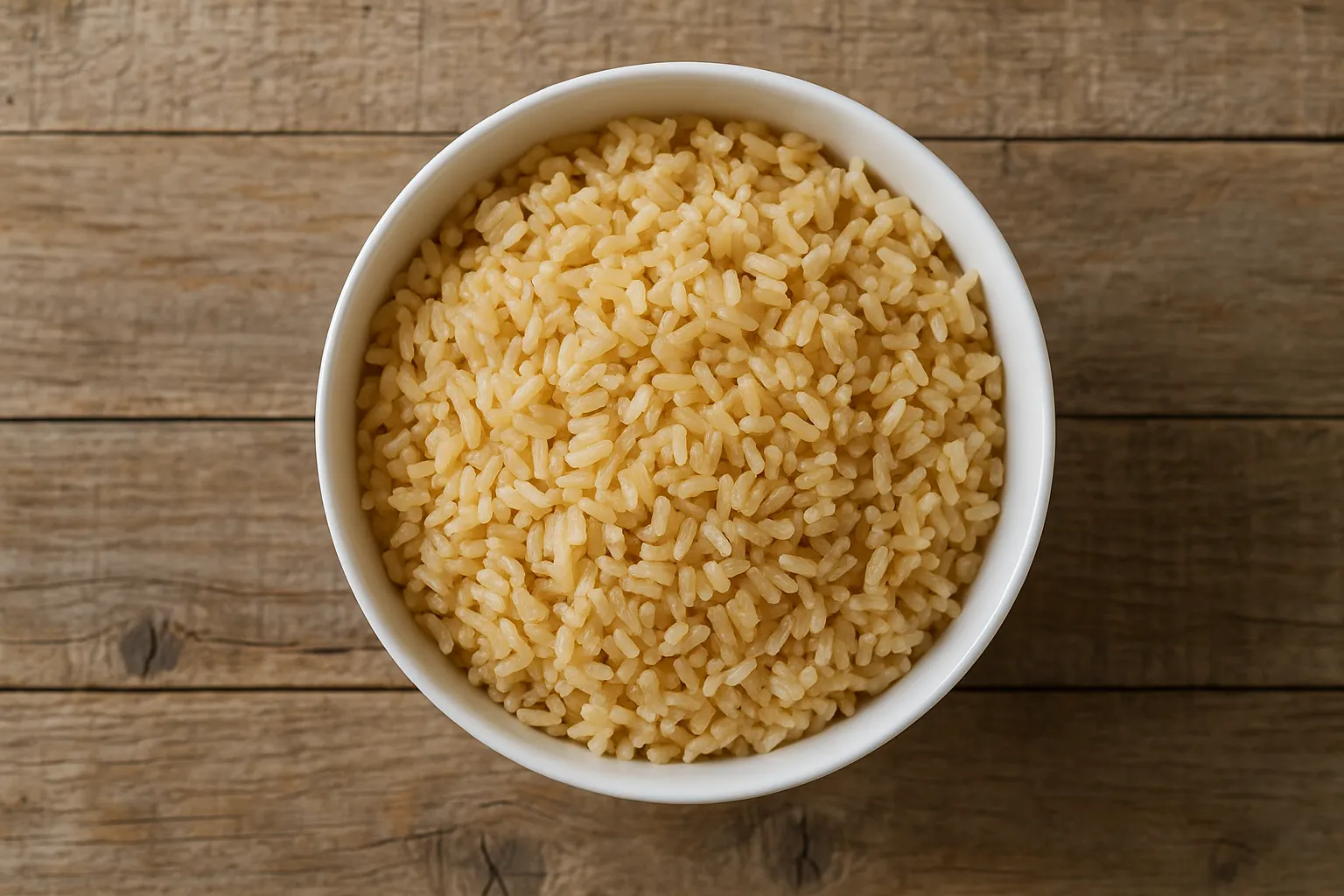
Quick Nutrition Facts
Per 1 Cup Cooked Brown Rice (195g)
| Nutrient | Amount |
|---|---|
| Calories | 218 kcal |
| Protein | 4.5g |
| Carbohydrates | 45.8g |
| Fiber | 3.5g |
| Sugars | 0.7g |
| Fat | 1.8g |
| Magnesium | 86mg |
| Phosphorus | 150mg |
| Manganese | 1.8mg |
| Selenium | 19mcg |
Macronutrient Breakdown
 ChatGPT
  Claude
  AI Mode
  Perplexity
NUTRITIONIST INSIGHT
Brown rice provides 3.5g fiber per cup (6x more than white rice) and retains the nutrient-rich bran and germ layers. The lower glycemic index (68) helps stabilize blood sugar. Soak for 8-12 hours before cooking to reduce arsenic by 30-50% and improve digestibility.
Myth Busters
MYTH #1: Brown Rice Has Significantly More Protein Than White Rice
TRUTH: The protein difference is minimal. Brown rice has 4.5g per cup vs 4.2g in white rice - only 0.3g more. Both provide similar protein amounts; the real advantage of brown rice is fiber (3.5g vs 0.6g), not protein.
MYTH #2: Brown Rice Is Always Healthier Than White Rice
TRUTH: Brown rice has 40-80% more arsenic than white rice because arsenic concentrates in the bran layer. For heavy consumers (4+ servings daily), white rice from low-arsenic regions (California basmati) may be safer. Context matters.
MYTH #3: You Must Eat Brown Rice to Lose Weight
TRUTH: While brown rice's 3.5g fiber helps with satiety, weight loss depends on total calories and overall diet quality. Some people lose weight eating white rice in appropriate portions. Choose what you'll actually eat consistently.
MYTH #4: Brown Rice Fiber Difference Is Huge
TRUTH: Brown rice has 3.5g fiber per cup vs 0.6g in white rice. That's 2.9g more - significant but not revolutionary. You can get the same fiber from 1/2 cup cooked lentils (8g), 1 cup broccoli (5g), or 1 medium apple (4.4g). Don't rely solely on rice for fiber.
MYTH #5: Brown Rice Doesn't Spike Blood Sugar
TRUTH: Brown rice has glycemic index of 68 (medium), which still causes blood sugar elevation. It's better than white rice (GI 73) but not "low glycemic" like quinoa (GI 53) or lentils (GI 29). Diabetics should still monitor portions.
MYTH #6: Rinsing Brown Rice Removes All Nutrients
TRUTH: Rinsing removes surface dust and reduces arsenic by 10-25%. The majority of nutrients are within the grain itself. To maximize arsenic reduction (30-50%), soak 8-12 hours, rinse, then cook in 6:1 water ratio and drain excess water.
NutriScore by Health Goals
| Health Goal | NutriScore | Why This Score? |
|---|---|---|
| Weight Loss |  | Higher fiber (3.5g/cup) promotes fullness, lower GI (68) prevents hunger spikes. Better than white rice but still 218 calories per cup. Limit to 1/2-3/4 cup with protein/vegetables. |
| Muscle Gain | | Good post-workout carb source (45.8g/cup) with added minerals (magnesium 86mg, phosphorus 150mg) for muscle recovery. Slower digestion than white rice but still effective. |
| Diabetes Management |  | GI 68 (medium) is better than white rice but still causes blood sugar elevation. Limit to 1/2-3/4 cup, pair with protein and fiber. |
| PCOS Management | | Lower GI helps insulin resistance but still a significant carb source. Better than white rice but quinoa or cauliflower rice are superior choices. |
| Pregnancy Nutrition |  | Rich in folate (8mcg), magnesium (86mg), and selenium (19mcg). Whole grain status provides B vitamins for fetal development. |
| Viral/Flu Recovery | | Provides sustained energy, easier to digest when cooked soft, good source of minerals. Takes longer to digest than white rice - may not be ideal during acute illness. |
PERSONALIZED NUTRITION
Track your meals with NutriScan for personalized NutriScores based on your specific health goals!
Blood Sugar Response to Brown Rice
Understanding how brown rice affects blood glucose compared to white rice helps you make informed carbohydrate choices.
Typical Glucose Response Curve
This chart shows typical blood glucose response for healthy individuals. Individual responses may vary. Not medical advice.
How to Flatten the Spike
Pairing brown rice with protein, fat, and additional fiber further reduces blood sugar spikes:
- 🥗 Eat vegetables first - Start meals with salad to slow glucose absorption
- 🐟 Add omega-3 protein - Salmon, mackerel, or walnuts improve insulin sensitivity
- 🥜 Include legumes - Add lentils or chickpeas for extra fiber and protein
- 🥥 Cook in coconut oil - Healthy fats slow carbohydrate digestion
Resistant starch trick: Cook brown rice, refrigerate overnight, then reheat. This creates resistant starch that lowers the glycemic response by 15-20%.
Cultural Significance
Brown rice has been consumed in Asia for thousands of years, though white rice became preferred due to longer shelf life and softer texture.
In India:
- Traditional brown rice varieties: Matta rice (Kerala), Red rice (Manipur), Black rice (Northeast)
- Ayurvedic texts praise brown rice for balancing Vata and Pitta doshas
- Modern resurgence due to health awareness and diabetes epidemic
- Often used in special diets for digestion and weight management
- Traditional preparation includes overnight soaking to improve digestibility
Global Impact:
- Brown rice consumption increasing in Western countries (health trends)
- Japan's genmai (brown rice) tradition dates back centuries
- Sustainable choice: whole grain = less processing = lower environmental impact
- Organic brown rice farming expanding globally due to demand
- Main challenge: 3x longer cooking time than white rice
Compare & Substitute
Brown Rice vs Similar Grains (Per 100g Cooked)
| Nutrient | 🍚 Brown Rice | 🍚 White Rice | 🌾 Quinoa | 🌾 Wild Rice |
|---|---|---|---|---|
| Calories | 112 kcal | 130 kcal | 120 kcal | 101 kcal |
| Carbs | 24g | 28g | 21g | 21g |
| Fiber | 1.8g | 0.4g | 2.8g | 1.8g |
| Protein | 2.6g | 2.7g | 4.4g | 4g |
| Fat | 0.9g | 0.3g | 1.9g | 0.3g |
| Magnesium | 44mg | 12mg | 64mg | 32mg |
| GI | 68 (medium) | 73 (high) | 53 (low) | 57 (medium) |
| Best For | Blood sugar | Quick energy | Complete protein | Low calorie |
Frequently Asked Questions
Is brown rice healthier than white rice?
Brown rice is generally healthier due to higher fiber (3.5g vs 0.6g per cup), lower glycemic index (68 vs 73), more magnesium (86mg vs 19mg), and retention of B vitamins, manganese, selenium, and antioxidants from the bran layer.
However, white rice is better for: Easier digestion (no phytic acid), 50-60% less arsenic, faster cooking (15 min vs 45 min), better post-workout glycogen replenishment, and during digestive issues.
Verdict: For most people, brown rice is healthier. But those with digestive sensitivities, high arsenic concerns, or needing quick energy may prefer white rice.
Is brown rice good for weight loss?
Yes, brown rice supports weight loss better than white rice. The 3.5g fiber per cup promotes fullness and reduces overall calorie intake. The lower glycemic index (68) prevents blood sugar spikes that trigger hunger.
Best practices for weight loss: Limit to 1/2-3/4 cup cooked per meal (109-164 calories); pair with 4-6 oz lean protein and 2-3 cups vegetables; meal prep to avoid portion creep; eat vegetables before rice to increase satiety; avoid fried rice or adding oils during cooking.
Research shows whole grain consumption is associated with lower BMI and reduced belly fat.
Can diabetics eat brown rice?
Diabetics can eat brown rice in moderation. With a glycemic index of 68 (medium), it causes less blood sugar spike than white rice (GI 73) but still requires portion control.
Tips for diabetics: Limit to 1/2-3/4 cup per meal (max 2-3x weekly); always pair with protein, healthy fat, and vegetables; monitor blood sugar 2 hours after meals; consider resistant starch method (cook, refrigerate overnight, reheat); substitute half the portion with cauliflower rice for lower carb load.
Studies show replacing white rice with brown rice reduces type 2 diabetes risk by 16%.
Does brown rice contain arsenic?
Yes, brown rice contains 40-80% more arsenic than white rice because inorganic arsenic accumulates in the bran layer. Long-term high consumption (4+ servings daily) may increase cancer risk, especially in children and pregnant women.
How to reduce arsenic: Rinse thoroughly 3-5 times; soak 8-12 hours before cooking (reduces arsenic 30-50%); cook in 6:1 water-to-rice ratio and drain excess water (reduces arsenic 30-40%); choose white basmati rice from California or India (lowest arsenic); limit brown rice to 2-4 servings weekly; rotate with quinoa, wild rice, and other grains.
How many calories are in brown rice?
Cooked brown rice: 112 calories per 100g, 218 calories per 1 cup (195g), 109 calories per 1/2 cup serving.
Uncooked brown rice: 370 calories per 100g, but it expands 3x when cooked. 1/2 cup uncooked = 1.5 cups cooked = 327 calories.
Comparison: Brown rice has fewer calories than white rice per cup (218 vs 205) despite being "healthier" because it absorbs more water during cooking.
Why does brown rice have more fiber than white rice?
Brown rice retains the nutrient-rich bran and germ layers that are removed during white rice processing. These outer layers contain:
- Fiber: 3.5g per cup (vs 0.6g in white rice)
- B vitamins: Thiamin, niacin, B6
- Minerals: Magnesium, phosphorus, manganese
- Antioxidants: Lignans, phenolic compounds
- Healthy fats: Small amounts of omega-3 and omega-6
The bran layer provides nearly 6x more fiber than white rice, making brown rice more filling and better for digestive health.
How should I cook brown rice to reduce arsenic?
Optimal arsenic-reduction method:
- Soak: Submerge rice in water for 8-12 hours (reduces arsenic 30-50%)
- Rinse: Drain and rinse thoroughly 3-5 times until water runs clear
- Cook: Use 6 parts water to 1 part rice (instead of 2:1)
- Drain: After cooking, drain and rinse with hot water
- Result: Up to 60% total arsenic reduction
Quick method: Rinse 3-5 times, cook in 6:1 water ratio, drain excess water = 30-40% arsenic reduction.


Similar Nutritious Foods
4505 Chicharrones Classic Chili Salt
7 Eleven Japan Crispy Corn Cheese
Explore More Nutrition Tools & Resources
AI Calorie Counter App - Snap a Photo, Get Macros
AI Nutritionist App That Reads Your Logged Meals
Best Protein Supplements for Women
Bulking Meal Plan App That Sets Your Surplus
ChatGPT Calorie Counter Alternative That Keeps the Total
ChatGPT Diet Plan Alternative That Tracks What You Eat
ChatGPT Weight Loss Coach Alternative With a Food Log
Fast Food Calorie Counter App That Reads the Tray
Free Calorie Tracker App with AI Photo Scans | NutriScan
Indian Diet Plan App With Veg and Non Veg Meals
Indian Food Calorie Calculator - Get Instant Nutrition Facts for Desi Meals — 2026
Intermittent Fasting for Women, Timer and Meal Log App
Intermittent Fasting Tracker App - Free Fasting Timer
Macro Tracker App That Fills the Numbers From a Photo
Mediterranean Diet Meal Plan App That Counts the Oil
Micronutrient Tracker App for Vitamins and Minerals
MyFitnessPal Alternative That Stays Free | NutriScan
NutriScore App: A Free Grade on Every Meal | NutriScan
Nutrition Label Scanner App for the Amount You Ate
Second Trimester Protein Guide
Vegetarian Meal Plan App With a Protein Target
Voice Calorie Counter - Speak to Track Meals Hands-Free
Water and Calorie Tracker App - Free Water Log