Brussels Sprouts: Calories, Nutrition and Health Benefits
Winter's nutrient powerhouse packed with cancer-fighting glucosinolates, exceptional vitamin K, and fiber for optimal digestive health.
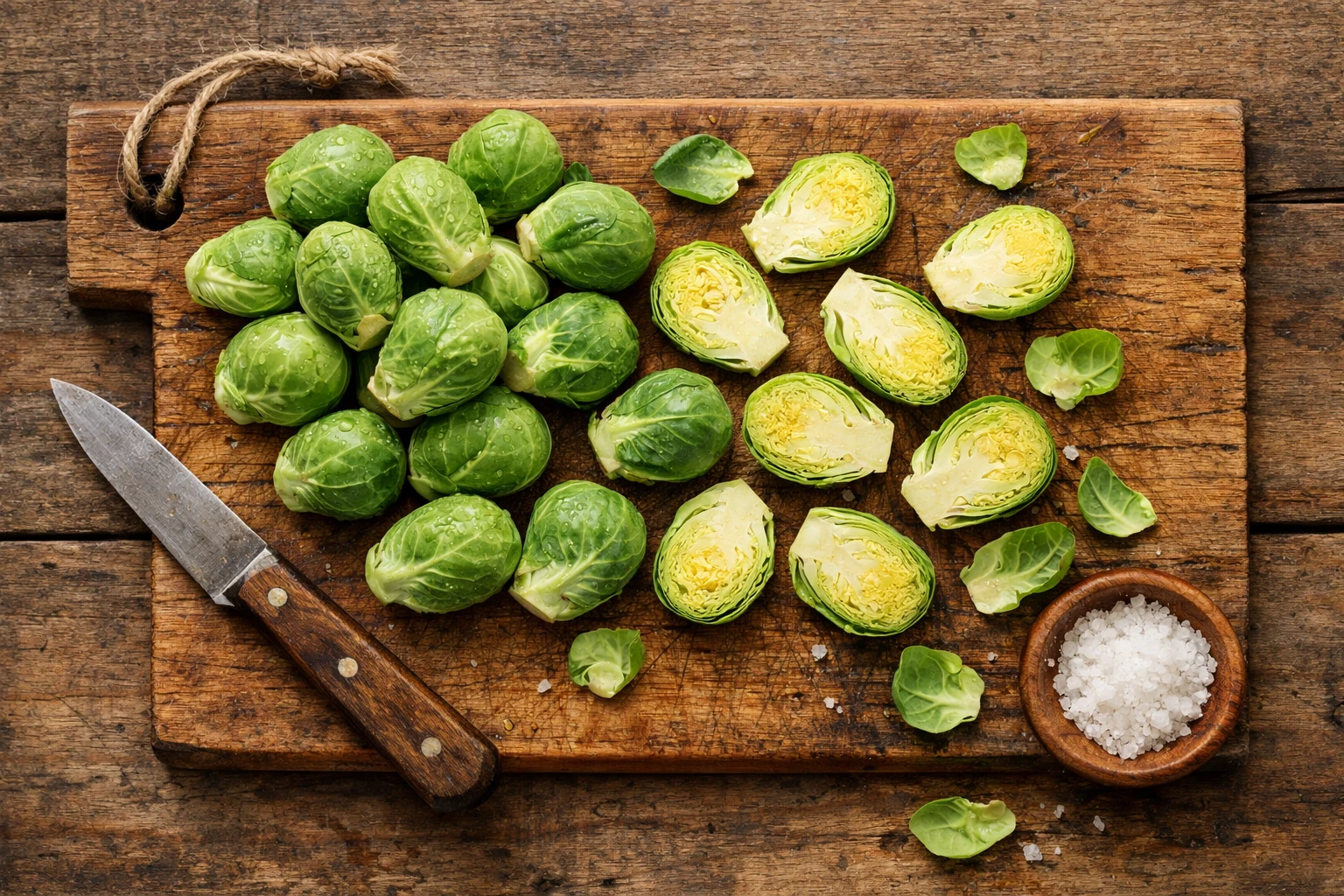
Quick Nutrition Facts
Per 100g Raw Brussels Sprouts
| Nutrient | Amount |
|---|---|
| Calories | 43 kcal |
| Protein | 3.4g |
| Carbohydrates | 9g |
| Fiber | 3.8g |
| Sugars | 2.2g |
| Fat | 0.3g |
| Vitamin K | 177mcg |
| Vitamin C | 85mg |
| Folate | 61mcg |
| Potassium | 389mg |
Macronutrient Breakdown
 ChatGPT
  Claude
  AI Mode
  Perplexity
NUTRITIONIST INSIGHT
Brussels sprouts deliver 148% of daily vitamin K in just 100g, essential for blood clotting and bone health. Their glucosinolates convert to isothiocyanates when chewed or chopped, maximizing cancer-protective benefits.
Myth Busters
MYTH #1: Brussels Sprouts Are Always Bitter
TRUTH: Bitterness comes from overcooking or old sprouts. Modern varieties bred since the 1990s are significantly sweeter. Roasting caramelizes natural sugars, creating a nutty, sweet flavor. Choose small, tight sprouts for best taste.
MYTH #2: Cooking Destroys All Nutrients
TRUTH: While some vitamin C is lost, cooking increases the bioavailability of certain compounds. Steaming retains most nutrients. Roasting preserves fiber and minerals. Quick cooking (5-7 min) minimizes nutrient loss while improving digestibility.
MYTH #3: Brussels Sprouts Are Bad for Thyroid
TRUTH: The goitrogen concern is overstated for most people. You would need to eat pounds daily to affect thyroid function. Normal consumption (1-2 cups) is safe. Only those with existing thyroid conditions and iodine deficiency should consult a doctor.
MYTH #4: They're Just Mini Cabbages with No Special Benefits
TRUTH: Brussels sprouts have higher glucosinolate concentrations than regular cabbage. They contain sulforaphane precursors studied for cancer prevention. Per calorie, they're more nutrient-dense than most vegetables, with exceptional vitamin K, C, and folate.
MYTH #5: Everyone Gets Gas from Brussels Sprouts
TRUTH: Digestive response varies by individual gut microbiome. Start with small portions and increase gradually to allow gut adaptation. Cooking reduces raffinose (the gas-causing sugar). Fermented Brussels sprouts are easier to digest.
NutriScore by Health Goals
| Health Goal | NutriScore | Why This Score? |
|---|---|---|
| Weight Loss |  | Only 43 calories per 100g with 3.8g fiber for satiety. High water content (86%) provides volume. Perfect for calorie deficit diets. |
| Muscle Gain |  | 3.4g protein per 100g, decent for a vegetable. Rich in potassium (389mg) for muscle function. Best paired with protein sources. |
| Diabetes Management | | Very low glycemic index of 15. High fiber slows glucose absorption. Negligible impact on blood sugar. |
| PCOS Management | | Low glycemic load supports insulin sensitivity. Anti-inflammatory compounds from glucosinolates. High fiber aids hormone balance. |
| Pregnancy Nutrition | | 61mcg folate (15% DV) crucial for fetal development. Vitamin K for healthy blood clotting. Iron for blood volume. |
| Viral/Flu Recovery | | 85mg vitamin C (94% DV) for immune function. Antioxidants reduce inflammation. Easy to digest when steamed. |
PERSONALIZED NUTRITION
Track your meals with NutriScan for personalized NutriScores based on your specific health goals!
Blood Sugar Response to Brussels Sprouts
Understanding how Brussels sprouts affect your blood glucose helps make informed dietary choices.
Typical Glucose Response Curve
This chart shows typical blood glucose response for general healthy individuals. Individual responses may vary. Not medical advice.
How to Optimize Blood Sugar Response
Pairing with protein or healthy fat further stabilizes glucose response:
- 🥓 Bacon or pancetta - Classic pairing adds protein and fat
- 🧀 Parmesan cheese - Adds protein and umami flavor
- 🥜 Toasted almonds or walnuts - Healthy fats and extra fiber
- 🫒 Olive oil drizzle - Enhances nutrient absorption
Brussels sprouts already have minimal glucose impact due to their very low GI (15), but these combinations maximize satiety and nutrient absorption.
Cultural Significance
Brussels sprouts originated in ancient Rome but were cultivated extensively near Brussels, Belgium in the 16th century, giving them their name.
In Europe:
- Traditional Christmas dinner vegetable in UK and Ireland
- Peak season October through March, with flavor sweetened by frost
- Belgium celebrates them as a national culinary heritage item
- Modern culinary renaissance with roasting and shaving techniques
Global Adoption:
- California produces over 80% of US Brussels sprouts
- Rising popularity in Asian fusion cuisine (charred with fish sauce, miso glazed)
- Featured in farm-to-table restaurants as premium vegetable
- 2008 onwards: culinary makeover from "hated vegetable" to trendy side dish
Compare & Substitute
Brussels Sprouts vs Similar Vegetables (Per 100g)
| Nutrient | 🥬 Brussels Sprouts | 🥦 Broccoli | 🥬 Cabbage | 🥬 Kale |
|---|---|---|---|---|
| Calories | 43 kcal | 34 kcal | 25 kcal | 49 kcal |
| Carbs | 9g | 7g | 6g | 9g |
| Fiber | 3.8g | 2.6g | 2.5g | 3.6g |
| Protein | 3.4g | 2.8g | 1.3g | 4.3g |
| Vitamin K | 177mcg | 102mcg | 76mcg | 817mcg |
| Vitamin C | 85mg | 89mg | 37mg | 120mg |
| Best For | Roasting, high vitamin K | Steaming, versatile cooking | Coleslaw, fermenting | Smoothies, chips |
Frequently Asked Questions
Are Brussels sprouts good for weight loss?
Brussels sprouts are excellent for weight loss with only 43 calories per 100g and 3.8g fiber promoting satiety. High water content (86%) adds volume without calories; the protein content (3.4g) is high for vegetables, helping preserve muscle during calorie restriction.
Can diabetics eat Brussels sprouts?
Brussels sprouts are ideal for diabetics with a very low glycemic index of 15. High fiber content (3.8g per 100g) slows glucose absorption and they have negligible impact on blood sugar levels.
Tips for diabetics:
- Enjoy 1-2 cups per serving without concern
- Roasting with olive oil adds healthy fats
- Pair with protein for balanced meals
- Consistent intake if on blood thinners (vitamin K consideration)
Do Brussels sprouts help prevent cancer?
Brussels sprouts contain glucosinolates that convert to isothiocyanates when chopped or chewed. These compounds are studied for cancer-preventive properties including supporting detoxification pathways and reducing oxidative stress.
Key compounds:
- Sulforaphane precursors (released when cells are damaged)
- Indole-3-carbinol for hormone metabolism
- Kaempferol antioxidants
Regular cruciferous vegetable intake is associated with lower risk of several cancers in epidemiological studies.
How much vitamin K is in Brussels sprouts?
Brussels sprouts provide 177mcg vitamin K per 100g (148% daily value), making them among the highest vitamin K foods.
Important considerations:
- Essential for blood clotting and bone health
- Those on warfarin/blood thinners should maintain consistent intake
- Vitamin K is fat-soluble; cook with olive oil for better absorption
What is the best way to cook Brussels sprouts?
Roasting (recommended): Halve sprouts, toss with olive oil, roast at 400°F (200°C) for 20-25 minutes until caramelized. This brings out natural sweetness and creates crispy edges.
Steaming: 5-7 minutes preserves most nutrients; best for tender texture.
Shaving raw: Thinly slice for salads; massage with lemon and olive oil.
Avoid: Boiling causes significant nutrient loss and sulfurous smell.
Why do Brussels sprouts cause gas?
Brussels sprouts contain raffinose, a complex sugar that humans cannot fully digest. Gut bacteria ferment it, producing gas as a byproduct.
To minimize gas:
- Start with small portions; increase gradually
- Cooking reduces raffinose compared to raw
- Chew thoroughly to aid digestion
- Consider digestive enzymes (like Beano) if very sensitive
How many Brussels sprouts should I eat per day?
General guidelines:
- 1-2 cups daily - Most people, optimal nutrition without digestive issues
- 1/2 cup daily - Those new to cruciferous vegetables or with digestive sensitivity
- 2-3 cups daily - Athletes or those seeking maximum nutrient density
Considerations: Those on blood thinners should maintain consistent intake due to high vitamin K. Introduce gradually if not accustomed to cruciferous vegetables.
Are Brussels sprouts safe during pregnancy?
Yes, Brussels sprouts are excellent during pregnancy. They provide 61mcg folate per 100g, crucial for preventing neural tube defects. High vitamin K supports healthy blood clotting; iron and vitamin C aid iron absorption for increased blood volume.
Recommendation: Cook thoroughly during pregnancy; wash well to remove soil-borne pathogens.


Similar Nutritious Foods
4505 Chicharrones Classic Chili Salt
7 Eleven Japan Crispy Corn Cheese
Explore More Nutrition Tools & Resources
AI Calorie Counter App - Snap a Photo, Get Macros
AI Nutritionist App That Reads Your Logged Meals
Best Protein Supplements for Women
Bulking Meal Plan App That Sets Your Surplus
ChatGPT Calorie Counter Alternative That Keeps the Total
ChatGPT Diet Plan Alternative That Tracks What You Eat
ChatGPT Weight Loss Coach Alternative With a Food Log
Fast Food Calorie Counter App That Reads the Tray
Free Calorie Tracker App with AI Photo Scans | NutriScan
Indian Diet Plan App With Veg and Non Veg Meals
Indian Food Calorie Calculator - Get Instant Nutrition Facts for Desi Meals — 2026
Intermittent Fasting for Women, Timer and Meal Log App
Intermittent Fasting Tracker App - Free Fasting Timer
Macro Tracker App That Fills the Numbers From a Photo
Mediterranean Diet Meal Plan App That Counts the Oil
Micronutrient Tracker App for Vitamins and Minerals
MyFitnessPal Alternative That Stays Free | NutriScan
NutriScore App: A Free Grade on Every Meal | NutriScan
Nutrition Label Scanner App for the Amount You Ate
Second Trimester Protein Guide
Vegetarian Meal Plan App With a Protein Target
Voice Calorie Counter - Speak to Track Meals Hands-Free
Water and Calorie Tracker App - Free Water Log