Butter Beans (Cooked): Calories, Nutrition and Health Benefits
A creamy, nutrient-dense legume loaded with plant protein, fiber, and essential minerals for heart health, blood sugar control, and sustained energy.
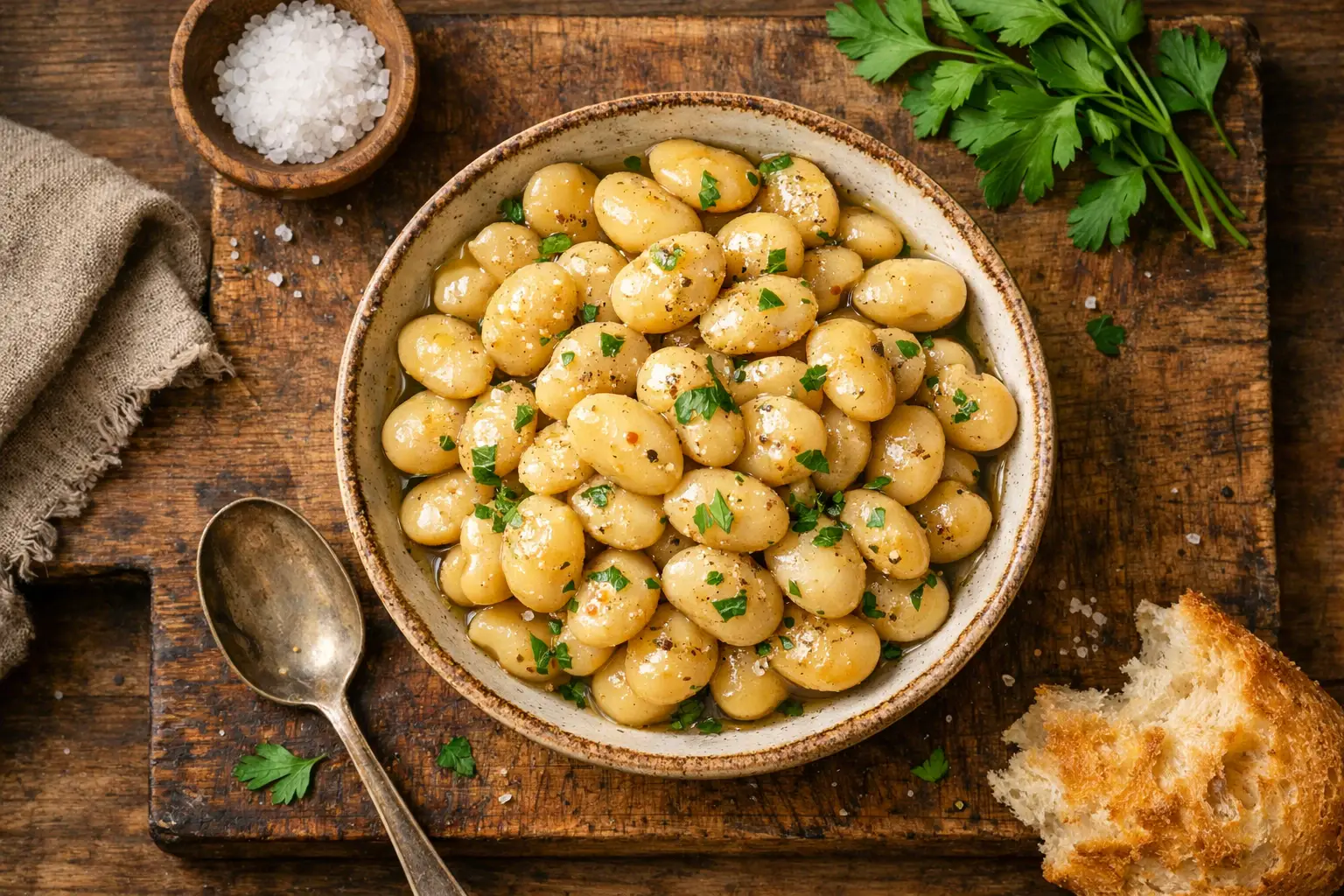
Quick Nutrition Facts
Per 1 Cup Cooked Butter Beans (170g)
| Nutrient | Amount |
|---|---|
| Calories | 196 kcal |
| Protein | 13.3g |
| Carbohydrates | 35.5g |
| Fiber | 11.9g |
| Sugars | 4.9g |
| Fat | 0.65g |
| Potassium | 864mg |
| Iron | 4.1mg |
| Folate | 141mcg |
| Magnesium | 73mg |
Macronutrient Breakdown
 ChatGPT
  Claude
  AI Mode
  Perplexity
NUTRITIONIST INSIGHT
Butter beans deliver nearly 48% of your daily fiber in a single cup, making them one of the most satiating legumes. Their low glycemic index (GI 31) and high resistant starch content support steady blood sugar and gut health.
Myth Busters
MYTH #1: Butter Beans Are Too Starchy for Weight Loss
TRUTH: Despite 35.5g carbs per cup, butter beans have an extremely low glycemic index (31). The 11.9g of fiber promotes lasting fullness and a meta-analysis found legume consumption improves satiety by over 30%.
MYTH #2: Plant Protein from Beans Is Incomplete
TRUTH: While butter beans lack some amino acids, pairing with rice or grains creates a complete protein profile. One cup provides 13.3g protein, comparable to 2 eggs.
MYTH #3: Butter Beans Cause Excessive Gas
TRUTH: Soaking beans 8-12 hours and discarding the water removes most gas-causing oligosaccharides. Your gut adapts within 2-3 weeks of regular consumption, significantly reducing bloating.
MYTH #4: Canned Butter Beans Are Unhealthy
TRUTH: Canned butter beans retain most nutrients. Research shows canned beans have similar blood glucose responses to home-cooked ones. Choose low-sodium varieties and rinse before eating.
MYTH #5: Diabetics Should Avoid All Beans
TRUTH: Butter beans are among the best foods for diabetes management. With a GI of 31 and high fiber, legumes significantly improve glycemic control markers in people with and without diabetes.
NutriScore by Health Goals
| Health Goal | NutriScore | Why This Score? |
|---|---|---|
| Weight Loss |  | 196 cal per cup with 11.9g fiber and 13.3g protein. Legumes improve satiety by 30%, supporting calorie control. |
| Muscle Gain |  | 13.3g plant protein per cup, excellent post-workout carbs (35.5g) for glycogen replenishment. Pair with rice for complete amino acids. |
| Diabetes Management | | GI of 31, high fiber slows glucose absorption. Legumes improve glycemic control in diabetics. |
| PCOS Management | | Low GI, high fiber, and plant protein help regulate insulin sensitivity and support hormonal balance. |
| Pregnancy Nutrition | | Rich in folate (141mcg per cup) essential for fetal development, plus iron (4.1mg) and potassium (864mg). |
| Viral/Flu Recovery | | Good protein and iron for immune support, gentle on digestion when well-cooked. Pair with vitamin C-rich foods for better iron absorption. |
PERSONALIZED NUTRITION
Track your meals with NutriScan for personalized NutriScores based on your specific health goals!
Blood Sugar Response to Butter Beans
Understanding how butter beans affect your blood glucose can help you make informed decisions about portion sizes and meal pairings.
Typical Glucose Response Curve
*This chart shows typical blood glucose response for general healthy individuals. Individual responses may vary. Not medical advice.*
How to Flatten the Spike
Pairing legumes with protein or healthy fat slows glucose absorption and reduces the peak blood sugar level:
- 🫒 Extra virgin olive oil - Adds healthy monounsaturated fats
- 🧀 Feta or parmesan cheese - Provides protein and calcium
- 🥬 Leafy greens (spinach, kale) - Adds fiber and vitamin C for iron absorption
- 🍋 Lemon juice squeeze - Vitamin C enhances non-heme iron absorption
This combination not only reduces the glucose spike but also extends energy release, keeping you fuller for longer.
Cultural Significance
Butter beans (Phaseolus lunatus) have been cultivated for over 4,000 years, originating in Central and South America before spreading worldwide.
In India:
- Known as "sem" or "pavta" in various regional languages
- Used in curries, dals, and stir-fries across South Indian cuisine
- Ayurveda values beans for their grounding, nourishing properties
- Popular in Maharashtra and Karnataka in traditional preparations
Global Impact:
- Staple food in Southern United States cuisine (succotash, casseroles)
- Central to Mediterranean and Middle Eastern cooking
- Major protein source in Sub-Saharan Africa
- Sustainable crop: nitrogen-fixing, improves soil health
Compare & Substitute
Butter Beans vs Similar Legumes (Per 100g, Cooked)
| Nutrient | 🫘 Butter Beans | 🫘 Chickpeas | 🫘 Black Beans | 🫘 Kidney Beans |
|---|---|---|---|---|
| Calories | 115 kcal | 164 kcal | 132 kcal | 127 kcal |
| Carbs | 20.9g | 27.4g | 23.7g | 22.8g |
| Fiber | 7g | 7.6g | 8.7g | 6.4g |
| Protein | 7.8g | 8.9g | 8.9g | 8.7g |
| Fat | 0.38g | 2.6g | 0.5g | 0.5g |
| Potassium | 508mg | 291mg | 355mg | 403mg |
| Iron | 2.4mg | 2.9mg | 2.1mg | 2.9mg |
| Folate | 83mcg | 172mcg | 149mcg | 130mcg |
| Best For | Low-fat meals, blood sugar | Versatile cooking, high protein | Antioxidants, heart health | High protein, iron boost |
Frequently Asked Questions
Are butter beans good for weight loss?
Yes, butter beans are excellent for weight loss. One cup (170g) delivers 196 calories with 11.9g of fiber and 13.3g of protein, keeping you full for hours. Research shows legume consumption improves satiety by over 30% compared to other foods.
Best practices: Include 1/2 to 1 cup per meal, pair with vegetables, use in soups and salads for volume eating.
Can diabetics eat butter beans?
Absolutely. Butter beans are one of the best legumes for diabetes management with a glycemic index of just 31. The high fiber content slows carbohydrate absorption, preventing blood sugar spikes.
Tips for diabetics:
- Enjoy 1/2 to 1 cup per meal
- Pair with non-starchy vegetables and lean protein
- Choose boiled or baked preparations over fried
- Monitor blood sugar 2 hours after eating
How much protein is in butter beans?
One cup (170g) of cooked butter beans contains 13.3g of protein (7.8g per 100g). While excellent as a plant protein source, combine with whole grains (rice, quinoa, bread) to get all essential amino acids.
What are the main health benefits of butter beans?
Key Benefits:
- Heart Health: 508mg potassium per 100g helps regulate blood pressure
- Digestive Health: 7g fiber per 100g supports regularity and gut microbiome
- Blood Sugar Control: Low GI (31) with slow-release carbohydrates
- Pregnancy Support: Rich in folate (83mcg/100g) for fetal neural development
- Iron Source: 2.4mg per 100g supports oxygen transport and energy
- Weight Management: High satiety from protein-fiber combination
Are butter beans and lima beans the same thing?
Yes, butter beans and lima beans are the same species (Phaseolus lunatus). "Butter beans" typically refers to the large, mature variety with a creamy texture, while "lima beans" can refer to both baby and large varieties. Nutritionally, they are identical when comparing the same maturity stage.
How should I cook butter beans for maximum nutrition?
Dried Butter Beans:
- Soak 8-12 hours in cold water (reduces anti-nutrients and cooking time)
- Discard soaking water, rinse well
- Boil in fresh water for 45-60 minutes until tender
- Do not add salt until the last 10 minutes (salt toughens skins)
Canned Butter Beans:
- Rinse thoroughly to remove up to 40% of added sodium
- Ready to eat or heat through in 5 minutes
- Equally nutritious as home-cooked
Track your meals with NutriScan app to see how butter beans fit your personal nutrition goals.




Similar Nutritious Foods
4505 Chicharrones Classic Chili Salt
7 Eleven Japan Crispy Corn Cheese
Explore More Nutrition Tools & Resources
AI Calorie Counter App - Snap a Photo, Get Macros
AI Nutritionist App That Reads Your Logged Meals
Best Protein Supplements for Women
Bulking Meal Plan App That Sets Your Surplus
ChatGPT Calorie Counter Alternative That Keeps the Total
ChatGPT Diet Plan Alternative That Tracks What You Eat
ChatGPT Weight Loss Coach Alternative With a Food Log
Fast Food Calorie Counter App That Reads the Tray
Free Calorie Tracker App with AI Photo Scans | NutriScan
Indian Diet Plan App With Veg and Non Veg Meals
Indian Food Calorie Calculator - Get Instant Nutrition Facts for Desi Meals — 2026
Intermittent Fasting for Women, Timer and Meal Log App
Intermittent Fasting Tracker App - Free Fasting Timer
Macro Tracker App That Fills the Numbers From a Photo
Mediterranean Diet Meal Plan App That Counts the Oil
Micronutrient Tracker App for Vitamins and Minerals
MyFitnessPal Alternative That Stays Free | NutriScan
NutriScore App: A Free Grade on Every Meal | NutriScan
Nutrition Label Scanner App for the Amount You Ate
Second Trimester Protein Guide
Vegetarian Meal Plan App With a Protein Target
Voice Calorie Counter - Speak to Track Meals Hands-Free
Water and Calorie Tracker App - Free Water Log