Butter Beans (Steamed): Calories, Nutrition and Health Benefits
Creamy, fiber-rich legume packed with plant protein, potassium, and resistant starch for steady energy and lasting fullness.
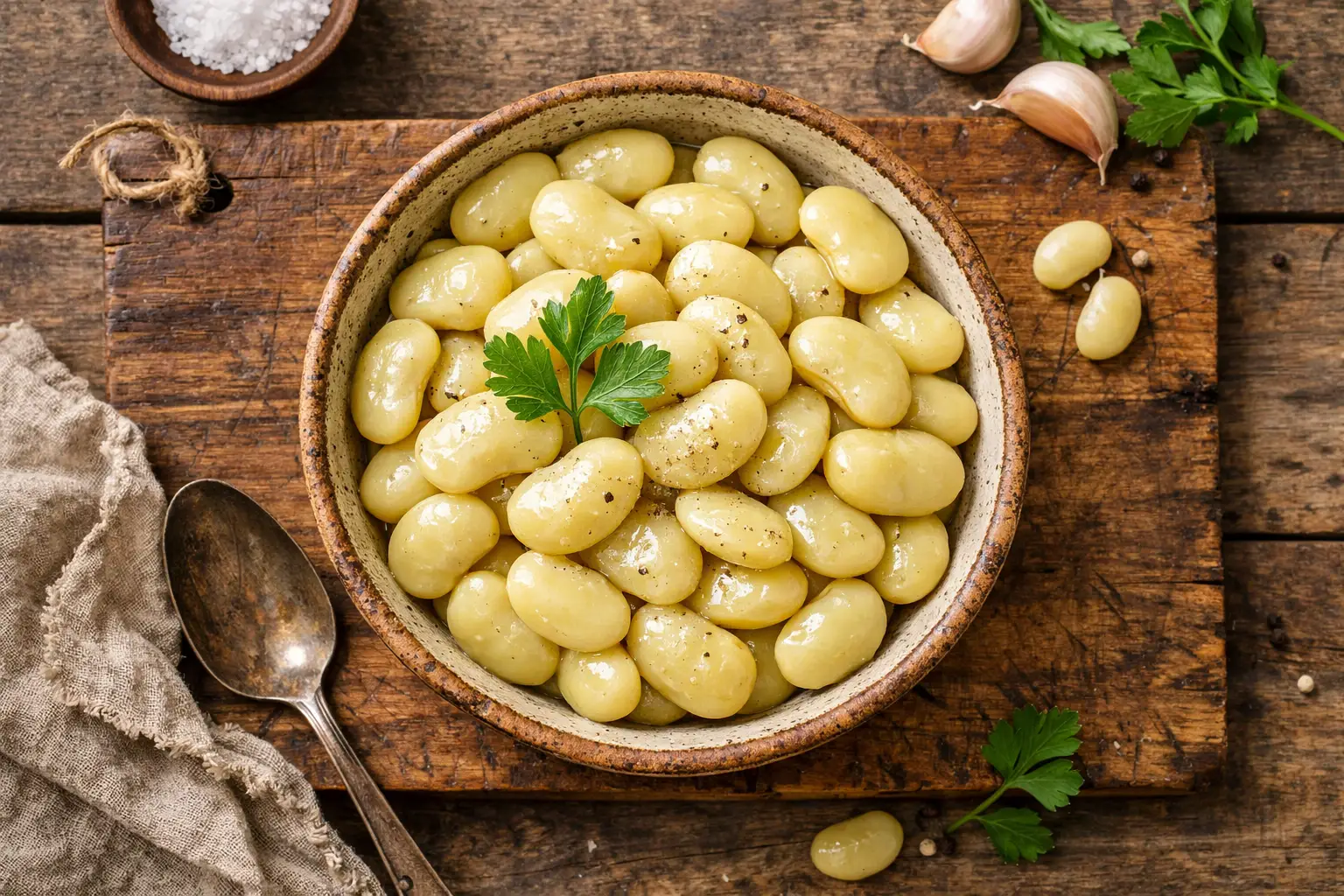
Quick Nutrition Facts
Per 1 Cup Cooked Butter Beans (170g)
| Nutrient | Amount |
|---|---|
| Calories | 196 kcal |
| Protein | 13.3g |
| Carbohydrates | 35.5g |
| Fiber | 11.9g |
| Sugars | 4.9g |
| Fat | 0.65g |
| Potassium | 864mg |
| Iron | 4.06mg |
| Folate | 141mcg |
| Magnesium | 73mg |
Macronutrient Breakdown
 ChatGPT
  Claude
  AI Mode
  Perplexity
NUTRITIONIST INSIGHT
Butter beans deliver 6.8g protein per 100 calories, making them one of the most protein-efficient plant foods. Their combination of 7g fiber and resistant starch per 100g creates a slow-digesting meal that stabilizes blood sugar for hours.
Myth Busters
MYTH #1: Beans Cause Too Much Gas to Eat Regularly
TRUTH: Gas from beans decreases significantly after 2-3 weeks of regular consumption. Soaking overnight and discarding the water before cooking reduces the oligosaccharides responsible. Start with small portions and increase gradually.
MYTH #2: Anti-Nutrients in Beans Make Them Unhealthy
TRUTH: Lectins and phytates are destroyed or reduced to safe levels by standard cooking (boiling 10+ minutes). No evidence shows properly cooked beans contain harmful levels of anti-nutrients. Blue Zones populations eating the most beans live longest.
MYTH #3: Bean Protein Is Incomplete and Inferior
TRUTH: Butter beans paired with grains (rice, bread) provide all essential amino acids. With 7.8g protein per 100g and high iron and folate, they are a nutritionally dense protein source for plant-based diets.
MYTH #4: Lectins in Beans Cause Inflammation
TRUTH: Active lectins exist only in raw legumes. Boiling eliminates virtually all lectin activity. Properly cooked butter beans are anti-inflammatory, not pro-inflammatory. The fiber feeds beneficial gut bacteria that reduce systemic inflammation.
MYTH #5: Phytic Acid Blocks All Mineral Absorption
TRUTH: Soaking, sprouting, and cooking reduce phytic acid substantially. Net mineral intake from beans remains highly beneficial. One cup of butter beans still delivers 23% DV iron and 17% DV magnesium despite any phytic acid present.
MYTH #6: Beans Spike Blood Sugar
TRUTH: Butter beans have a glycemic index of only 28-32 (low GI). Legumes retain 4-5x more resistant starch than bread or potatoes even after cooking, which blunts glucose response significantly.
NutriScore by Health Goals
| Health Goal | NutriScore | Why This Score? |
|---|---|---|
| Weight Loss |  | 115 cal/100g with 7g fiber and 7.8g protein creates exceptional satiety. Resistant starch aids fat metabolism. |
| Muscle Gain | | 13.3g protein per cup, 864mg potassium prevents cramps, low fat allows flexible macro budgeting. |
| Diabetes Management | | GI 28-32 (low). Studies confirm legume consumption improves glycaemic control in T2D. High fiber slows glucose absorption. |
| PCOS Management | | Low GI, high fiber, and plant protein support insulin sensitivity. Virtually no fat reduces inflammatory load. |
| Pregnancy Nutrition | | 141mcg folate per cup (35% DV) critical for neural tube development. Iron supports increased blood volume. Must be fully cooked before eating. |
| Viral/Flu Recovery |  | Good protein and iron for immune recovery, but heavier to digest than fruits. Best as part of a light soup. |
PERSONALIZED NUTRITION
Track your meals with NutriScan for personalized NutriScores based on your specific health goals!
Blood Sugar Response to Butter Beans
Understanding how butter beans affect your blood glucose can help you make informed decisions about when and how to eat them.
Typical Glucose Response Curve
*This chart shows typical blood glucose response for general healthy individuals. Individual responses may vary. Not medical advice.*
How to Flatten the Spike
Pairing butter beans with healthy fats or vinegar slows glucose absorption and reduces the peak blood sugar level:
- 🫒 Olive oil drizzle - Adds healthy monounsaturated fats and Mediterranean flavor
- 🍋 Lemon juice or vinegar - Acidity slows gastric emptying and glucose absorption
- 🧅 Sauteed onions and garlic - Adds flavor plus prebiotic fiber
- 🥬 Paired with leafy greens - Extra fiber and chromium for insulin sensitivity
This combination not only reduces the glucose spike but also extends energy release, keeping you fuller for longer.
Cultural Significance
Butter beans (lima beans) are one of the oldest cultivated legumes, originating in Peru over 7,000 years ago.
In South America:
- The Moche civilization (AD 100-800) cultivated lima beans extensively and depicted them in ceremonial art
- Named "lima" from export labels marked "Lima, Peru" during the Spanish colonial era
- Used as elite status symbols in pre-Columbian cultures
In the Mediterranean & Europe:
- Called "garrofon" in Spain, a key ingredient in authentic Valencian paella
- In the UK, "butter beans" are a pantry staple for casseroles and baked dishes
- Featured in rustic Mediterranean stews with olive oil and fresh herbs
In India:
- Known as "double beans" (val/sem) in South Indian and Maharashtrian cuisine
- Dried beans soaked overnight and pressure-cooked for curries and stews
- Valued as an affordable, protein-rich staple in vegetarian households
In the Southern US:
- Called "butter beans" and essential to succotash (with corn)
- Part of the indigenous "Three Sisters" agricultural tradition (beans, corn, squash)
- Slow-cooked comfort food staple across the American South
Compare & Substitute
Butter Beans vs Similar Legumes (Per 100g Cooked)
| Nutrient | 🫘 Butter Beans | 🫘 Chickpeas | 🫘 Black Beans | 🫘 Lentils |
|---|---|---|---|---|
| Calories | 115 kcal | 164 kcal | 132 kcal | 116 kcal |
| Carbs | 20.9g | 27.4g | 23.7g | 20.1g |
| Fiber | 7.0g | 7.6g | 8.7g | 7.9g |
| Protein | 7.8g | 8.9g | 8.9g | 9.0g |
| Fat | 0.4g | 2.6g | 0.5g | 0.4g |
| Potassium | 508mg | 291mg | 355mg | 369mg |
| Iron | 2.4mg | 2.9mg | 2.1mg | 3.3mg |
| Folate | 83mcg | 172mcg | 149mcg | 181mcg |
| Best For | Low-fat protein, potassium | Versatile cooking, hummus | High fiber, antioxidants | Fastest cooking, iron-rich |
Frequently Asked Questions
Are butter beans good for weight loss?
Yes, butter beans are excellent for weight loss. One cup (170g) has just 196 calories but delivers 11.9g of fiber and 13.3g of protein, keeping you full for hours. The resistant starch content further aids satiety and fat metabolism.
Best practices: Eat 1/2 to 1 cup per meal, pair with vegetables and lean protein, use as a replacement for higher-calorie starches like white rice or pasta.
Can diabetics eat butter beans?
Butter beans are one of the best foods for blood sugar management. With a glycemic index of just 28-32 and a glycemic load of 7-8 per cup, they cause minimal blood sugar spikes.
Tips for diabetics:
- Enjoy 1/2 to 1 cup per meal as your carbohydrate source
- Pair with non-starchy vegetables and healthy fats
- Cool cooked beans before eating to increase resistant starch content
- Monitor blood sugar 2 hours after eating
Research confirms regular legume consumption improves glycaemic control in type 2 diabetes. Always consult your healthcare provider.
How much protein is in butter beans?
One cup (170g) of cooked butter beans contains 13.3g of protein (7.8g per 100g). They provide 6.8g protein per 100 calories, making them one of the most protein-efficient plant foods.
For complete protein, combine with grains like rice, quinoa, or whole wheat bread to get all essential amino acids.
What are the main health benefits of butter beans?
Key Benefits:
- Blood Pressure Support: 508mg potassium per 100g with virtually no sodium
- Digestive Health: 7g fiber per 100g feeds beneficial gut bacteria
- Blood Sugar Control: Low GI (28-32) with resistant starch for steady energy
- Iron Source: 2.4mg per 100g (13% DV) supports oxygen transport
- Folate Rich: 83mcg per 100g (21% DV) essential for cell division
- Heart Health: Near-zero fat, no cholesterol, high fiber reduces LDL
Do butter beans cause gas and bloating?
Initial gas is common but manageable. Gas decreases significantly after 2-3 weeks of regular consumption as your gut microbiome adapts.
Tips to reduce gas:
- Soak dried beans overnight and discard the soaking water
- Cook thoroughly (boil for at least 10 minutes)
- Start with small portions (1/4 cup) and increase gradually
- Add a pinch of baking soda while cooking
- Use canned beans (already pre-soaked and cooked)
Are butter beans safe during pregnancy?
Fully cooked butter beans are excellent during pregnancy. One cup provides 35% DV folate, critical for preventing neural tube defects, plus 23% DV iron for increased blood volume demands.
Important: Never eat raw lima beans. They contain linamarin (a cyanogenic glycoside) that is completely destroyed by boiling for 10+ minutes. Canned and properly cooked beans are perfectly safe.
Track your meals with NutriScan app to see how butter beans fit your personal nutrition goals.




Similar Nutritious Foods
4505 Chicharrones Classic Chili Salt
7 Eleven Japan Crispy Corn Cheese
Explore More Nutrition Tools & Resources
AI Calorie Counter App - Snap a Photo, Get Macros
AI Nutritionist App That Reads Your Logged Meals
Best Protein Supplements for Women
Bulking Meal Plan App That Sets Your Surplus
ChatGPT Calorie Counter Alternative That Keeps the Total
ChatGPT Diet Plan Alternative That Tracks What You Eat
ChatGPT Weight Loss Coach Alternative With a Food Log
Fast Food Calorie Counter App That Reads the Tray
Free Calorie Tracker App with AI Photo Scans | NutriScan
Indian Diet Plan App With Veg and Non Veg Meals
Indian Food Calorie Calculator - Get Instant Nutrition Facts for Desi Meals — 2026
Intermittent Fasting for Women, Timer and Meal Log App
Intermittent Fasting Tracker App - Free Fasting Timer
Macro Tracker App That Fills the Numbers From a Photo
Mediterranean Diet Meal Plan App That Counts the Oil
Micronutrient Tracker App for Vitamins and Minerals
MyFitnessPal Alternative That Stays Free | NutriScan
NutriScore App: A Free Grade on Every Meal | NutriScan
Nutrition Label Scanner App for the Amount You Ate
Second Trimester Protein Guide
Vegetarian Meal Plan App With a Protein Target
Voice Calorie Counter - Speak to Track Meals Hands-Free
Water and Calorie Tracker App - Free Water Log