Cabbage Poriyal: Calories, Nutrition and Health Benefits
South Indian dry vegetable curry that's incredibly low in calories, high in fiber, and packed with immunity-boosting nutrients.
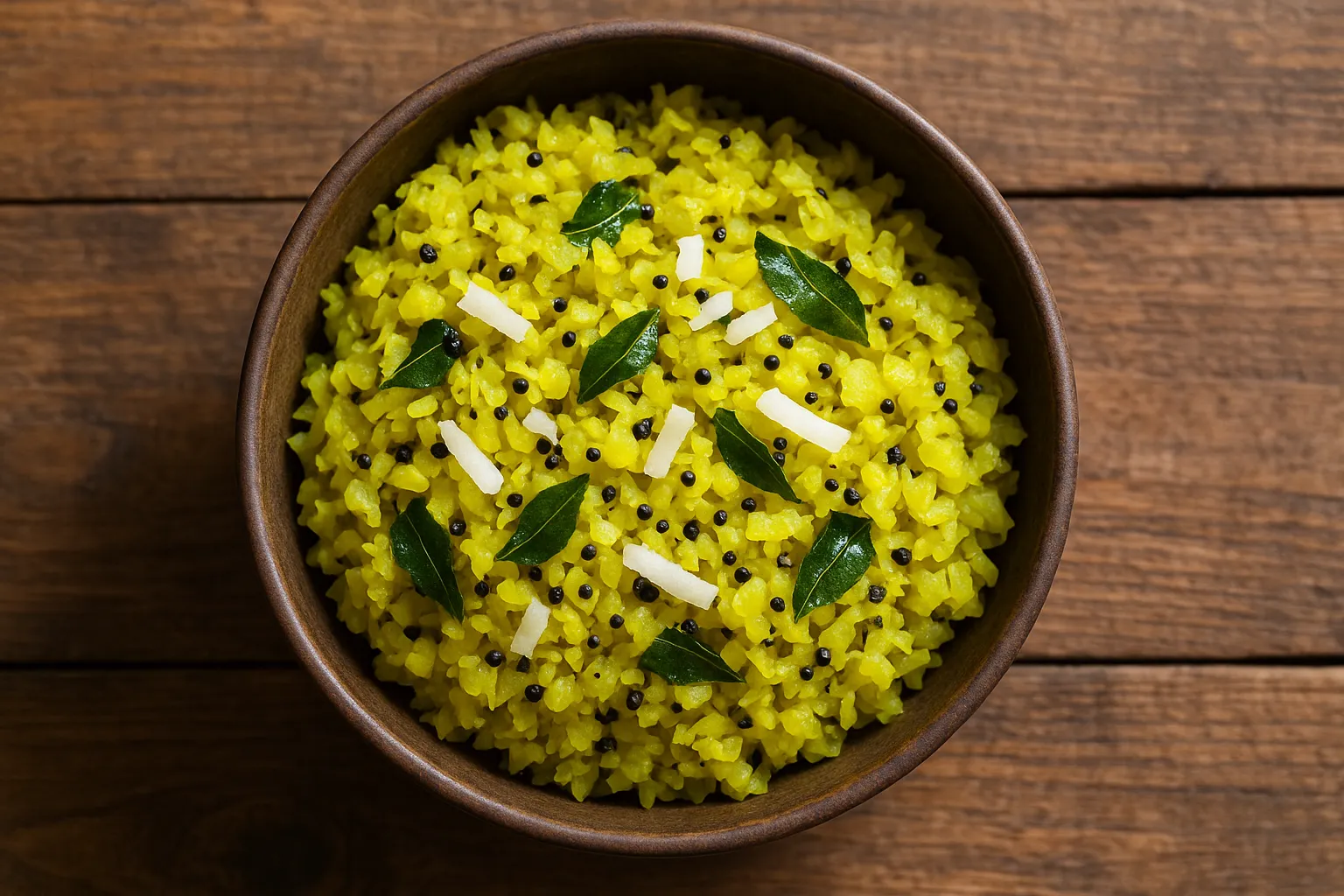
Quick Nutrition Facts
Per 1 Cup Cabbage Poriyal (150g)
| Nutrient | Amount |
|---|---|
| Calories | 85 kcal |
| Protein | 3g |
| Carbohydrates | 10g |
| Fiber | 3.5g |
| Sugars | 5g |
| Fat | 4g |
| Vitamin C | 48mg |
| Vitamin K | 85mcg |
| Folate | 60mcg |
| Calcium | 52mg |
Macronutrient Breakdown
 ChatGPT
  Claude
  AI Mode
  Perplexity
NUTRITIONIST INSIGHT
Cabbage poriyal provides 54% of your daily vitamin C needs in just one cup. The traditional tempering with mustard seeds and curry leaves adds antioxidants and aids digestion, making it a perfect low-calorie side dish.
Myth Busters
MYTH #1: Cabbage Causes Weight Gain
TRUTH: Cabbage poriyal has only 85 calories per cup. Weight changes depend on total daily calories, not cabbage. Its high fiber content (3.5g) actually promotes fullness and supports weight loss when prepared with minimal oil.
MYTH #2: Cooked Cabbage Loses All Nutrients
TRUTH: While some vitamin C is reduced during cooking, cabbage poriyal retains significant nutrients. Vitamin K, fiber, and minerals remain largely intact. The quick stir-fry method preserves more nutrients than boiling.
MYTH #3: Cabbage Always Causes Gas and Bloating
TRUTH: Cooking significantly reduces the raffinose sugars that cause gas. The traditional tempering with cumin, mustard seeds, and asafoetida (hing) in poriyal preparation actively helps prevent gas and improves digestibility.
MYTH #4: Cabbage Has No Protein
TRUTH: Cabbage poriyal provides 3g protein per cup, which is substantial for a vegetable dish. When paired with dal, rice, and coconut (traditional South Indian meal), it contributes to a complete amino acid profile.
MYTH #5: Only Raw Cabbage Is Healthy
TRUTH: Cooked cabbage in poriyal form is easier to digest and allows better absorption of certain nutrients. The added oil helps absorb fat-soluble vitamins. Both raw and cooked forms have unique benefits.
MYTH #6: Thyroid Patients Must Avoid Cabbage
TRUTH: Moderate consumption of cooked cabbage is safe for most thyroid patients. Only consuming excessive amounts of raw cruciferous vegetables might interfere with thyroid function. Normal portions of cooked poriyal pose minimal risk.
NutriScore by Health Goals
| Health Goal | NutriScore | Why This Score? |
|---|---|---|
| Weight Loss |  | Only 85 calories per cup, 3.5g fiber promotes fullness, low energy density. Perfect for volume eating and calorie deficit maintenance. |
| Muscle Gain |  | Low calorie but provides 3g protein and essential micronutrients. Excellent side dish; pair with protein-rich main for muscle support. |
| Diabetes Management | | Low glycemic index, only 10g carbs per cup, high fiber slows glucose absorption. Ideal vegetable for blood sugar control. |
| PCOS Management | | Low carb, high fiber, anti-inflammatory compounds. Cruciferous vegetables support hormonal balance and insulin sensitivity. |
| Pregnancy Nutrition | | Rich in folate (60mcg), vitamin K for blood clotting, vitamin C for immunity. Low calorie yet nutrient-dense during pregnancy. |
| Viral/Flu Recovery | | High vitamin C (48mg) boosts immunity, easy to digest, anti-inflammatory compounds. Traditional curry leaves and turmeric enhance medicinal benefits. |
PERSONALIZED NUTRITION
Track your meals with NutriScan for personalized NutriScores based on your specific health goals!
Blood Sugar Response to Cabbage Poriyal
Understanding how cabbage poriyal affects your blood glucose - excellent news for diabetics and weight management.
Typical Glucose Response Curve
This chart shows minimal blood glucose response for cabbage poriyal. Individual responses may vary. Not medical advice.
Why Cabbage Poriyal Is Ideal for Blood Sugar Control
The low carb and high fiber combination creates minimal blood sugar impact:
- Low Glycemic Index - Minimal glucose spike, ideal for diabetes
- High Fiber (3.5g) - Slows glucose absorption and improves insulin sensitivity
- Sulforaphane - Bioactive compound that may improve glucose metabolism
- Low Carb (10g) - Fits perfectly into low-carb and keto diets
Perfect Pairing for Balanced Meals:
- 🍚 With brown rice or quinoa - Adds fiber and nutrients to grain-based meals
- 🫘 With dal and chapati - Complete South Indian thali for steady energy
- 🍗 With grilled protein - Low-carb, high-protein combination
- 🥥 With coconut chutney - Healthy fats enhance nutrient absorption
This makes cabbage poriyal one of the best vegetable dishes for maintaining stable blood sugar throughout the day.
Cultural Significance
Cabbage Poriyal (also called cabbage palya, cabbage thoran, or muttaikose poriyal) is a staple in South Indian cuisine, representing simple yet flavorful everyday cooking.
Regional Variations in South India:
- Tamil Nadu Poriyal: With urad dal, mustard seeds, curry leaves, grated coconut
- Kerala Thoran: With green chilies, coconut, and minimal tempering
- Karnataka Palya: With chana dal, dried red chilies, and fresh coconut
- Andhra Vepudu: Spicier version with more red chili powder and garlic
Cultural Importance:
- Daily staple in South Indian households across all economic classes
- Essential component of traditional thali (complete meal plate)
- Quick 10-minute recipe, perfect for working families
- Sustainable cooking: uses entire vegetable with minimal waste
Ayurvedic Perspective:
- Cabbage (patta gobi) considered cooling and balancing for all doshas
- Mustard seeds and curry leaves aid digestion (agni)
- Coconut provides healthy fats and cooling properties
- Turmeric adds anti-inflammatory benefits
Global Adoption:
- Gaining popularity in health-conscious communities worldwide
- Vegan, gluten-free, and low-carb diet friendly
- Featured in South Indian restaurants globally as healthy side dish
Compare & Substitute
Cabbage Poriyal vs Similar Vegetable Dishes (Per 100g Cooked)
| Nutrient | 🥬 Cabbage Poriyal | 🥕 Carrot Poriyal | 🌿 Beans Poriyal | 🍆 Brinjal Poriyal |
|---|---|---|---|---|
| Calories | 57 kcal | 75 kcal | 68 kcal | 62 kcal |
| Carbs | 7g | 11g | 9g | 8g |
| Fiber | 2.3g | 3g | 3.5g | 3g |
| Protein | 2g | 1.5g | 2.5g | 1.8g |
| Fat | 2.7g | 3g | 2.5g | 3g |
| Vitamin C | 32mg | 8mg | 15mg | 4mg |
| Vitamin A | 25 IU | 18,000 IU | 800 IU | 45 IU |
| Best For | Weight loss, immunity | Eye health, vitamin A | Protein, fiber | Low calorie, antioxidants |
Frequently Asked Questions
Is cabbage poriyal good for weight loss?
Yes, cabbage poriyal is excellent for weight loss. One cup has only 85 calories with 3.5g fiber that promotes fullness and reduces overall calorie intake.
Best practices for weight loss:
- Use minimal oil (1 tsp instead of 2-3 tsp) to reduce calories
- Add vegetables like carrots, beans, peas for more volume
- Limit coconut to 2 tbsp (saves 30 calories)
- Eat as part of meals to increase satiety without excess calories
The high water and fiber content means you can eat a large, satisfying portion while maintaining a calorie deficit.
Can diabetics eat cabbage poriyal?
Yes, cabbage poriyal is ideal for diabetics. With only 10g carbs per cup and a very low glycemic index, it has minimal impact on blood sugar.
Benefits for diabetics:
- Low carb (10g per cup)
- High fiber (3.5g) slows glucose absorption
- Sulforaphane may improve insulin sensitivity
- Fits perfectly into diabetes meal plans
- Can be eaten freely without portion restrictions
No special modifications needed - regular preparation is diabetes-friendly. Always monitor individual response.
How much protein is in cabbage poriyal?
One cup of cabbage poriyal contains 3g of protein. While moderate, this is substantial for a vegetable dish.
Ways to boost protein content:
- Add roasted chana dal (2 tbsp = 5g protein) during tempering
- Add roasted peanuts (2 tbsp = 7g protein)
- Pair with dal (1 cup = 15g protein)
- Serve with yogurt/curd (1 cup = 12g protein)
In traditional South Indian thali with dal, rice, and yogurt, cabbage poriyal contributes to a complete protein profile.
What are the main health benefits of cabbage poriyal?
Key Benefits:
- Immunity Boost: 48mg vitamin C (54% DV) supports immune function
- Bone Health: 85mcg vitamin K essential for bone metabolism
- Digestive Health: 3.5g fiber supports gut microbiome and regular bowel movements
- Anti-inflammatory: Sulforaphane and antioxidants reduce inflammation
- Cancer Prevention: Cruciferous compounds may reduce cancer risk
- Weight Management: Low calorie density (0.57 kcal/g) perfect for weight control
When is the best time to eat cabbage poriyal?
Best consumed for:
- Lunch: Traditional South Indian thali with rice and dal
- Dinner: Light, easily digestible side dish
- Weight Loss: Include in all meals for volume without calories
- Diabetes: Excellent side dish for any meal to balance blood sugar
IMPORTANT NOTE
Avoid late-night consumption if prone to gas or bloating. The traditional tempering helps reduce this effect, but some people may still be sensitive.
Does cabbage cause gas and bloating?
Raw cabbage contains raffinose sugars that can cause gas. However, cooking significantly reduces this effect.
How Poriyal Preparation Prevents Gas:
- Cooking: Breaks down complex sugars
- Mustard seeds: Aid digestion and reduce gas
- Cumin: Traditional digestive aid
- Asafoetida (hing): Powerful anti-gas agent
- Curry leaves: Improve digestive enzyme activity
Most people tolerate cooked cabbage poriyal well. If sensitive, start with small portions and gradually increase.
Can I eat cabbage poriyal every day?
Generally safe and beneficial to eat cabbage poriyal daily when prepared with minimal oil.
Benefits of daily consumption:
- Consistent vitamin C and K intake
- Regular fiber for digestive health
- Low-calorie vegetable intake supports weight management
- Cruciferous vegetables linked to reduced disease risk
Consider moderation if you have:
- Thyroid issues: Consult doctor; moderate cooked cabbage usually safe
- IBS: May trigger symptoms in some; monitor individual response
- Kidney stones: High vitamin K may interact with blood thinners
Best approach: Rotate with other vegetables (beans, carrot, beetroot poriyal) for dietary variety and comprehensive nutrition.
How can I make cabbage poriyal healthier?
5 Simple Ways:
- Reduce oil: Use 1 tsp oil instead of 2-3 tsp (saves 40-80 calories)
- Add turmeric: Anti-inflammatory benefits and color
- Include curry leaves: Antioxidants and digestive benefits
- Add split urad dal: Extra protein and texture
- Mix vegetables: Add carrots, beans, peas for more nutrients and color


Similar Nutritious Foods
4505 Chicharrones Classic Chili Salt
7 Eleven Japan Crispy Corn Cheese
Explore More Nutrition Tools & Resources
AI Calorie Counter App - Snap a Photo, Get Macros
AI Nutritionist App That Reads Your Logged Meals
Best Protein Supplements for Women
Bulking Meal Plan App That Sets Your Surplus
ChatGPT Calorie Counter Alternative That Keeps the Total
ChatGPT Diet Plan Alternative That Tracks What You Eat
ChatGPT Weight Loss Coach Alternative With a Food Log
Fast Food Calorie Counter App That Reads the Tray
Free Calorie Tracker App with AI Photo Scans | NutriScan
Indian Diet Plan App With Veg and Non Veg Meals
Indian Food Calorie Calculator - Get Instant Nutrition Facts for Desi Meals — 2026
Intermittent Fasting for Women, Timer and Meal Log App
Intermittent Fasting Tracker App - Free Fasting Timer
Macro Tracker App That Fills the Numbers From a Photo
Mediterranean Diet Meal Plan App That Counts the Oil
Micronutrient Tracker App for Vitamins and Minerals
MyFitnessPal Alternative That Stays Free | NutriScan
NutriScore App: A Free Grade on Every Meal | NutriScan
Nutrition Label Scanner App for the Amount You Ate
Second Trimester Protein Guide
Vegetarian Meal Plan App With a Protein Target
Voice Calorie Counter - Speak to Track Meals Hands-Free
Water and Calorie Tracker App - Free Water Log