Cadbury Dairy Milk Silk Mousse: Calories, Nutrition and Health Benefits
India's most indulgent chocolate bar with light, airy mousse texture and rich cocoa flavor. Perfect for occasional treats when counting calories.
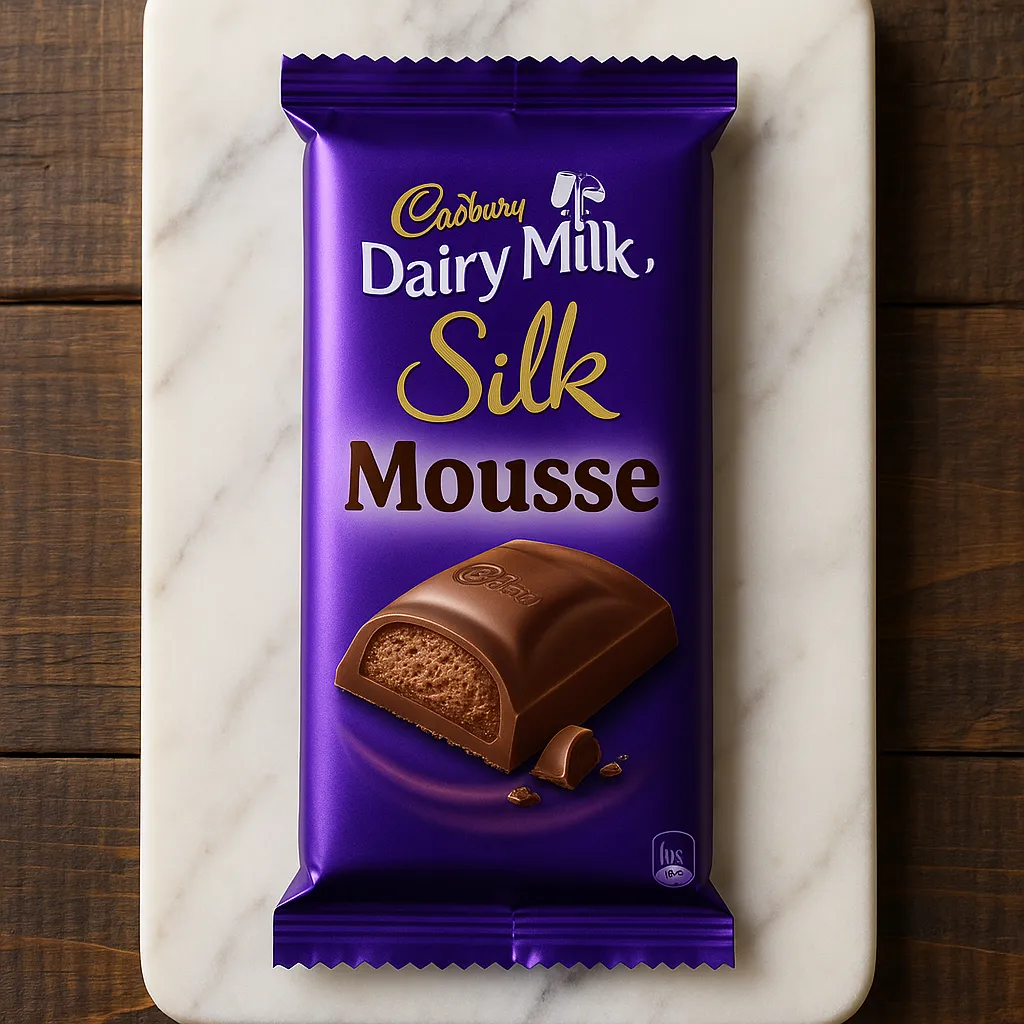
Quick Nutrition Facts
Per 1 Bar (40g)
| Nutrient | Amount |
|---|---|
| Calories | 235 kcal |
| Protein | 2.5g |
| Carbohydrates | 21g |
| Fiber | 0g |
| Sugars | 18-20g |
| Fat | 15g |
| Sodium | 50mg |
| Cocoa | ~30% |
Macronutrient Breakdown
 ChatGPT
  Claude
  AI Mode
  Perplexity
NUTRITIONIST INSIGHT
The mousse texture is created through aeration, making the bar feel lighter while maintaining the same calorie and sugar density as solid chocolate. This is a high-indulgence treat best enjoyed occasionally, not as a daily snack. Pair with unsweetened beverages to balance the sweetness.
Myth Busters
MYTH #1: Mousse Chocolate Is Lower Calorie
TRUTH: The aerated structure creates an illusion of lightness, but calorie density remains the same as solid chocolate. The air pockets don't reduce calories; they only change texture and perceived lightness.
MYTH #2: Occasional Chocolate Won't Affect Weight Loss
TRUTH: A single Silk Mousse bar contains 235 calories—10% of a 2,000-calorie diet. If not accounted for in daily intake, daily consumption adds 1,645 calories weekly, contributing to weight gain.
MYTH #3: Dark Chocolate Is Always Better Than Milk Chocolate
TRUTH: Cadbury Silk Mousse (30% cocoa) has similar sugar to milk chocolate bars. While dark chocolate (70%+) offers more antioxidants, regular consumption of either is a high-calorie, high-sugar choice.
MYTH #4: Sugar in Chocolate Provides Energy Without Guilt
TRUTH: The 18-20g of added sugar causes rapid blood sugar spikes, followed by crashes. This pattern increases hunger and fatigue, not sustained energy.
MYTH #5: Cadbury Silk Mousse Is a Protein Source
TRUTH: At 2.5g protein per 40g bar, it's not a meaningful protein source. Protein content is minimal compared to calories, making it a sugar/fat treat, not a protein snack.
NutriScore by Health Goals
| Health Goal | NutriScore | Why This Score? |
|---|---|---|
| Weight Loss |  | 235 calories, 15g fat, 18-20g sugar; no fiber. High calorie density makes portion control difficult. Avoid or save as rare treat (1-2x monthly). |
| Muscle Gain | | Only 2.5g protein for 235 calories makes this inefficient for muscle building. Better post-workout options: protein shake, Greek yogurt, nuts. |
| Diabetes Management |  | 18-20g sugar causes rapid blood glucose spikes. Not recommended for diabetics. Choose sugar-free chocolate or whole fruits instead. |
| PCOS Management | | High sugar and refined carbs worsen insulin resistance. Avoid or choose very small portions (half bar max) with protein pairing. |
| Pregnancy Nutrition | | High sugar increases gestational diabetes risk. Occasional small amounts (1/4 bar) acceptable; prioritize fruits and nuts for sweetness cravings. |
| Viral/Flu Recovery | | Sugar may suppress immune function. Easy to digest but offers no immune-supporting nutrients. Better options: warm broths, immune-boosting fruits. |
PERSONALIZED NUTRITION
Track your meals with NutriScan for personalized NutriScores based on your specific health goals!
Blood Sugar Response to Chocolate
Understanding how chocolate affects your blood glucose helps you make informed decisions about portion size and timing.
Typical Glucose Response Curve
This chart shows typical blood glucose response for general healthy individuals. Individual responses may vary. Not medical advice.
How to Manage Blood Sugar Spikes
Pairing chocolate with protein, healthy fats, or fiber slows glucose absorption and reduces the peak blood sugar level:
- 🥄 Greek yogurt - Add plain yogurt to balance sweetness with protein
- 🥜 Almonds or peanuts - Eat handful with chocolate for sustained energy
- 🍎 Apple slices - Pair small chocolate pieces with fiber-rich fruit
- 🧈 Nut butter - Spread almond butter on graham cracker, add small chocolate pieces
The key is reducing the glycemic load through nutrient pairing.
Cultural Significance
Cadbury entered India in 1930s, becoming an iconic brand for celebrations and gifting. Dairy Milk remains the best-selling chocolate bar in India.
In Indian Culture:
- Offered during festivals, especially Diwali, as a premium sweet
- Gift of choice for birthdays and celebrations across all age groups
- Silk line represents luxury and indulgence in Indian chocolate market
- Often paired with tea in Indian households as an evening treat
Global Context:
- Cadbury Dairy Milk is world's best-selling chocolate brand
- Silk mousse line is premium positioning against value chocolate bars
- Part of changing Indian snacking patterns toward Western-style confectionery
Compare & Substitute
Chocolate & Dessert Comparison (Per 40g serving)
| Nutrient | 🍫 Silk Mousse | 🍫 Dairy Milk Classic | 🍫 Dark Chocolate (70%) | 🍎 Apple + Almond Butter |
|---|---|---|---|---|
| Calories | 235 kcal | 230 kcal | 210 kcal | 150 kcal |
| Carbs | 21g | 23g | 18g | 22g |
| Sugar | 18-20g | 20-22g | 10-12g | 4g (fruit sugars) |
| Fiber | 0g | 0g | 2-3g | 2g |
| Protein | 2.5g | 3g | 3.5g | 4g |
| Fat | 15g | 13g | 14g | 8g |
| Cocoa % | 30% | 20-25% | 70% | N/A |
| Best For | Rare treat | Occasional snack | Better chocolate choice | Healthier sweet option |
Frequently Asked Questions
How many calories are in Cadbury Silk Mousse?
A single 40g bar contains 235 calories. This represents approximately 12% of a standard 2,000-calorie diet. The mousse texture doesn't reduce calorie content compared to solid chocolate.
Should I eat Silk Mousse during weight loss?
Not recommended as a regular food. At 235 calories per bar with minimal nutritional value, it's best avoided during active weight loss. Save for rare occasions (1-2 times monthly) as a planned treat.
What's the difference between Mousse and regular Dairy Milk?
The mousse version is aerated for a lighter texture but has nearly identical calories (235 vs 230), sugar (18-20g vs 20-22g), and fat (15g vs 13g). The main difference is mouthfeel, not nutrition.
Can I eat half a bar instead of the whole bar?
Yes, eating half (20g) reduces intake to approximately 117 calories and 9-10g sugar. This is a reasonable single-serving approach if you choose to consume chocolate. Pair with unsweetened tea or coffee.
Is Silk Mousse better than other chocolate bars?
Not significantly. While slightly lower sugar than some competitors, it remains a high-calorie, high-sugar treat. Dark chocolate (70%+) offers more antioxidants if choosing chocolate; whole fruits remain the healthier sweet option.
What's the best time to eat chocolate?
For minimal blood sugar impact: pair with meals containing protein and fat, or eat with other foods. Avoid on empty stomach. If weight loss goal: save for occasional weekend treat after main meal.


Similar Nutritious Foods
4505 Chicharrones Classic Chili Salt
7 Eleven Japan Crispy Corn Cheese
Explore More Nutrition Tools & Resources
AI Calorie Counter App - Snap a Photo, Get Macros
AI Nutritionist App That Reads Your Logged Meals
Best Protein Supplements for Women
Bulking Meal Plan App That Sets Your Surplus
ChatGPT Calorie Counter Alternative That Keeps the Total
ChatGPT Diet Plan Alternative That Tracks What You Eat
ChatGPT Weight Loss Coach Alternative With a Food Log
Fast Food Calorie Counter App That Reads the Tray
Free Calorie Tracker App with AI Photo Scans | NutriScan
Indian Diet Plan App With Veg and Non Veg Meals
Indian Food Calorie Calculator - Get Instant Nutrition Facts for Desi Meals — 2026
Intermittent Fasting for Women, Timer and Meal Log App
Intermittent Fasting Tracker App - Free Fasting Timer
Macro Tracker App That Fills the Numbers From a Photo
Mediterranean Diet Meal Plan App That Counts the Oil
Micronutrient Tracker App for Vitamins and Minerals
MyFitnessPal Alternative That Stays Free | NutriScan
NutriScore App: A Free Grade on Every Meal | NutriScan
Nutrition Label Scanner App for the Amount You Ate
Second Trimester Protein Guide
Vegetarian Meal Plan App With a Protein Target
Voice Calorie Counter - Speak to Track Meals Hands-Free
Water and Calorie Tracker App - Free Water Log