Caffè Latte: Calories, Nutrition and Health Benefits
The perfect balance of rich espresso and creamy steamed milk - a coffeehouse classic that delivers both flavor and nutrition.

Quick Nutrition Facts
Per 1 Grande (16 oz / 473 ml with 2% milk)
| Nutrient | Amount |
|---|---|
| Calories | 190 kcal |
| Protein | 13g |
| Carbohydrates | 19g |
| Sugars | 18g |
| Fat | 7g |
| Saturated Fat | 4.5g |
| Calcium | 450mg |
| Caffeine | 150mg |
| Sodium | 170mg |
| Cholesterol | 25mg |
Macronutrient Breakdown
 ChatGPT
  Claude
  AI Mode
  Perplexity
NUTRITIONIST INSIGHT
Caffè latte provides 13g protein and 45% of daily calcium needs in one Grande serving. The espresso delivers antioxidants while the steamed milk creates sustained energy from balanced macros.
Myth Busters
MYTH #1: Lattes Are Just Sugary Coffee
TRUTH: An unsweetened caffè latte contains only natural milk sugars (18g lactose). Unlike flavored lattes with added syrups (20-30g added sugar), a plain latte provides protein and calcium alongside moderate calories. Milk's natural sugars come with beneficial nutrients.
MYTH #2: Lattes Cause Weight Gain
TRUTH: A Grande latte has 190 calories - fitting easily into most daily calorie goals. Weight gain happens from excess overall calories, not one latte. Moderate coffee consumption may support weight management through increased metabolism and fat oxidation.
MYTH #3: The Milk in Lattes Cancels Out Coffee Benefits
TRUTH: The espresso in lattes retains its antioxidants and caffeine benefits. Milk adds protein, calcium, and B vitamins. Studies show milk doesn't reduce coffee's antioxidant absorption - you get benefits from both components.
MYTH #4: Lattes Dehydrate You
TRUTH: While caffeine has mild diuretic effects, the 473ml of fluid in a Grande latte provides more hydration than caffeine removes. Moderate coffee intake contributes to daily fluid needs rather than causing dehydration.
MYTH #5: All Lattes Have the Same Calories
TRUTH: Calories vary dramatically by milk choice and size. A Grande with nonfat milk has 130 calories vs 190 with 2% milk vs 250 with whole milk. Adding flavored syrups adds 80-150 calories. Size matters: Tall (12 oz) has 150 calories vs Venti (20 oz) with 250 calories.
MYTH #6: Pregnant Women Should Avoid Lattes
TRUTH: Moderate caffeine intake (up to 200mg daily) is considered safe during pregnancy. A Grande latte with 150mg caffeine fits within guidelines and provides beneficial calcium (45% DV) and protein (13g) for fetal development.
NutriScore by Health Goals
| Health Goal | NutriScore | Why This Score? |
|---|---|---|
| Weight Loss | 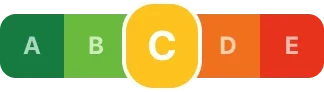 | 190 calories in Grande; choose nonfat milk (130 cal) and skip syrups. Protein keeps you full; caffeine boosts metabolism. |
| Muscle Gain |  | 13g protein supports recovery, balanced carbs (19g) replenish glycogen, 450mg calcium aids muscle contraction. Perfect post-workout with added protein powder. |
| Diabetes Management | | 19g natural milk sugars; choose nonfat milk to reduce carbs to 15g. Monitor blood glucose as caffeine may affect insulin sensitivity. |
| PCOS Management | | Moderate calories and natural sugars; choose nonfat milk and limit to 1 daily. Caffeine may affect hormone balance in sensitive individuals. |
| Pregnancy Nutrition | | 450mg calcium supports fetal bone development, 13g protein aids growth, 150mg caffeine within safe limits (under 200mg). |
| Viral/Flu Recovery | | Easy to consume when sick, provides hydration (473ml), protein for immune function, and warm comfort. Moderate caffeine won't strain recovery. |
PERSONALIZED NUTRITION
Track your beverages with NutriScan for personalized NutriScores based on your specific health goals!
Blood Sugar Response to Caffè Latte
Understanding how caffè latte affects your blood glucose helps you make informed choices about timing and modifications.
Typical Glucose Response Curve
This chart shows typical blood glucose response for general healthy individuals. Individual responses may vary. Not medical advice.
How to Optimize Your Latte
Pairing your latte with protein or choosing smart modifications can reduce blood sugar impact and extend energy:
- 🥚 Protein-rich breakfast - Eggs, Greek yogurt, or turkey sausage slow glucose absorption
- 🥜 Handful of nuts (almonds, walnuts) - Healthy fats stabilize blood sugar
- 🥐 Whole grain pastry - Fiber slows sugar release vs white flour options
- 💧 Choose nonfat milk - Reduces carbs from 19g to 15g and calories from 190 to 130
These combinations extend energy release and prevent the mid-morning crash.
Cultural Significance
Caffè latte has evolved from Italian espresso culture into a global coffeehouse phenomenon.
Italian Origins:
- Name means "milk coffee" in Italian; traditionally consumed at breakfast
- In Italy, served in smaller portions (8-10 oz) than American sizes
- Considered a morning drink only; Italians rarely order after 11 AM
- The espresso-to-milk ratio creates a balanced, smooth taste
Global Evolution:
- Starbucks popularized the 16 oz (Grande) size in the 1990s
- Latte art competitions showcase barista skill worldwide
- Third-wave coffee culture emphasizes high-quality espresso and milk steaming
- Plant-based milk options (almond, oat, soy) expanded accessibility
Health Awareness:
- Modern consumers seek protein-rich beverages
- Latte provides convenient way to meet calcium needs
- Moderate caffeine content appeals to those sensitive to high doses
Compare & Substitute
Caffè Latte vs Similar Coffee Drinks (Per Grande/16 oz with 2% milk)
| Nutrient | ☕ Caffè Latte | ☕ Cappuccino | ☕ Flat White | ☕ Americano |
|---|---|---|---|---|
| Calories | 190 kcal | 140 kcal | 220 kcal | 15 kcal |
| Carbs | 19g | 14g | 22g | 3g |
| Protein | 13g | 10g | 15g | 1g |
| Fat | 7g | 5g | 11g | 0g |
| Sugar | 18g | 13g | 21g | 0g |
| Calcium | 450mg | 350mg | 500mg | 10mg |
| Caffeine | 150mg | 150mg | 195mg | 225mg |
| Best For | Balanced nutrition, calcium | Lower calories, rich foam | Extra protein, creamy texture | Minimal calories, high caffeine |
Frequently Asked Questions
Is caffè latte good for weight loss?
A caffè latte can fit weight loss goals with smart choices. A Grande (16 oz) with 2% milk has 190 calories; switch to nonfat milk for 130 calories and 0g fat. Skip flavored syrups to save 80-150 calories per drink.
Best practices: Order nonfat milk; avoid syrups; limit to 1 daily; consume morning or pre-workout; pair with protein-rich breakfast.
Can diabetics drink caffè latte?
Diabetics can enjoy caffè latte with modifications. Choose unsweetened versions with nonfat milk to reduce carbs from 19g to 15g per Grande. Avoid all flavored syrups.
Tips for diabetics:
- Order smallest size (Tall/12 oz has 12g carbs)
- Choose nonfat milk exclusively
- Monitor blood glucose 2 hours after drinking; caffeine may affect insulin sensitivity in some individuals
- Best timing: morning with breakfast, not on empty stomach
Always consult your healthcare provider about caffeine intake limits.
How much caffeine is in a caffè latte?
A Grande (16 oz) caffè latte contains 150mg caffeine from 2 espresso shots. Tall (12 oz) has 75mg from 1 shot; Venti (20 oz) has 150mg from 2 shots.
Comparison: This is moderate vs brewed coffee (310mg Grande), lower than Americano (225mg), but higher than tea (40-70mg). Caffeine content stays the same regardless of milk choice - it comes from espresso only.
What are the main health benefits of caffè latte?
Key Benefits:
- Protein Source: 13g protein per Grande supports muscle maintenance and satiety
- Bone Health: 450mg calcium (45% DV) strengthens bones and teeth
- Mental Alertness: 150mg caffeine improves focus and cognitive performance
- Antioxidants: Espresso provides chlorogenic acid and other compounds
- B Vitamins: Milk supplies riboflavin and B12 for energy metabolism
- Sustained Energy: Balanced macros prevent blood sugar crashes
When is the best time to drink a caffè latte?
Depends on your goal:
- Weight Loss: Morning (6-10 AM) to boost metabolism; avoid afternoon to prevent evening hunger.
- Muscle Gain: Post-workout (within 1 hour) for protein recovery; add protein powder for extra 20g.
- Energy: Mid-morning (9-11 AM) when cortisol naturally dips; provides 3-4 hours sustained focus.
- General Health: Before 2 PM to avoid sleep disruption; caffeine half-life is 5-6 hours.
IMPORTANT NOTE
Avoid after 2 PM if you're sensitive to caffeine or have sleep issues.
Is caffè latte healthier than regular coffee?
Both have benefits - choose based on your goals:
Caffè Latte Advantages:
- 13g protein supports muscles and fullness
- 450mg calcium (45% DV) for bone health
- B vitamins from milk for energy metabolism
- Sustained energy from balanced macros
- Creamier taste without added sugar (when unsweetened)
Black Coffee Advantages:
- Only 5 calories vs 190 in latte
- Higher caffeine (310mg Grande vs 150mg)
- Zero sugar vs 18g natural lactose
- Better for strict low-carb or keto diets
Recommendation: Need protein/calcium or post-workout drink = latte. Want minimal calories and maximum caffeine = black coffee.
How many lattes should I drink per day?
General Guidelines:
- 1 latte daily - Most people (fits macro goals, provides calcium)
- 2 lattes daily - Athletes or high-protein needs (26g protein total)
- Limit to 1 if: Diabetes (carb control); PCOS (hormone sensitivity); weight loss (calorie budget)
Watch caffeine limits: 1 Grande latte (150mg) is safe; 2 Grande lattes (300mg) approaches the 400mg daily limit. Pregnant women should stick to 1 latte (150mg) to stay under the 200mg recommendation.
Track with NutriScan app to see how lattes fit your personal nutrition goals.
Can I drink caffè latte on an empty stomach?
Generally safe for most people - the milk buffers coffee's acidity and provides protein for sustained energy.
May want to avoid if you have:
- Acid Reflux/GERD: Coffee can trigger symptoms even with milk
- Caffeine Sensitivity: May cause jitters or anxiety without food
- IBS: Lactose may cause discomfort
Better approach: Pair with protein-rich breakfast (eggs, Greek yogurt, whole grain toast) for balanced nutrition and stable blood sugar throughout the morning.


Similar Nutritious Beverages
4505 Chicharrones Classic Chili Salt
7 Eleven Japan Crispy Corn Cheese
Explore More Nutrition Tools & Resources
AI Calorie Counter App - Snap a Photo, Get Macros
AI Nutritionist App That Reads Your Logged Meals
Best Protein Supplements for Women
Bulking Meal Plan App That Sets Your Surplus
ChatGPT Calorie Counter Alternative That Keeps the Total
ChatGPT Diet Plan Alternative That Tracks What You Eat
ChatGPT Weight Loss Coach Alternative With a Food Log
Fast Food Calorie Counter App That Reads the Tray
Free Calorie Tracker App with AI Photo Scans | NutriScan
Indian Diet Plan App With Veg and Non Veg Meals
Indian Food Calorie Calculator - Get Instant Nutrition Facts for Desi Meals — 2026
Intermittent Fasting for Women, Timer and Meal Log App
Intermittent Fasting Tracker App - Free Fasting Timer
Macro Tracker App That Fills the Numbers From a Photo
Mediterranean Diet Meal Plan App That Counts the Oil
Micronutrient Tracker App for Vitamins and Minerals
MyFitnessPal Alternative That Stays Free | NutriScan
NutriScore App: A Free Grade on Every Meal | NutriScan
Nutrition Label Scanner App for the Amount You Ate
Second Trimester Protein Guide
Vegetarian Meal Plan App With a Protein Target
Voice Calorie Counter - Speak to Track Meals Hands-Free
Water and Calorie Tracker App - Free Water Log