Canned Alaskan Salmon: Calories, Nutrition and Health Benefits
Omega-3 rich shelf-stable protein powerhouse with 130 calories, 20g protein, and essential nutrients for heart health, muscle recovery, and brain function.
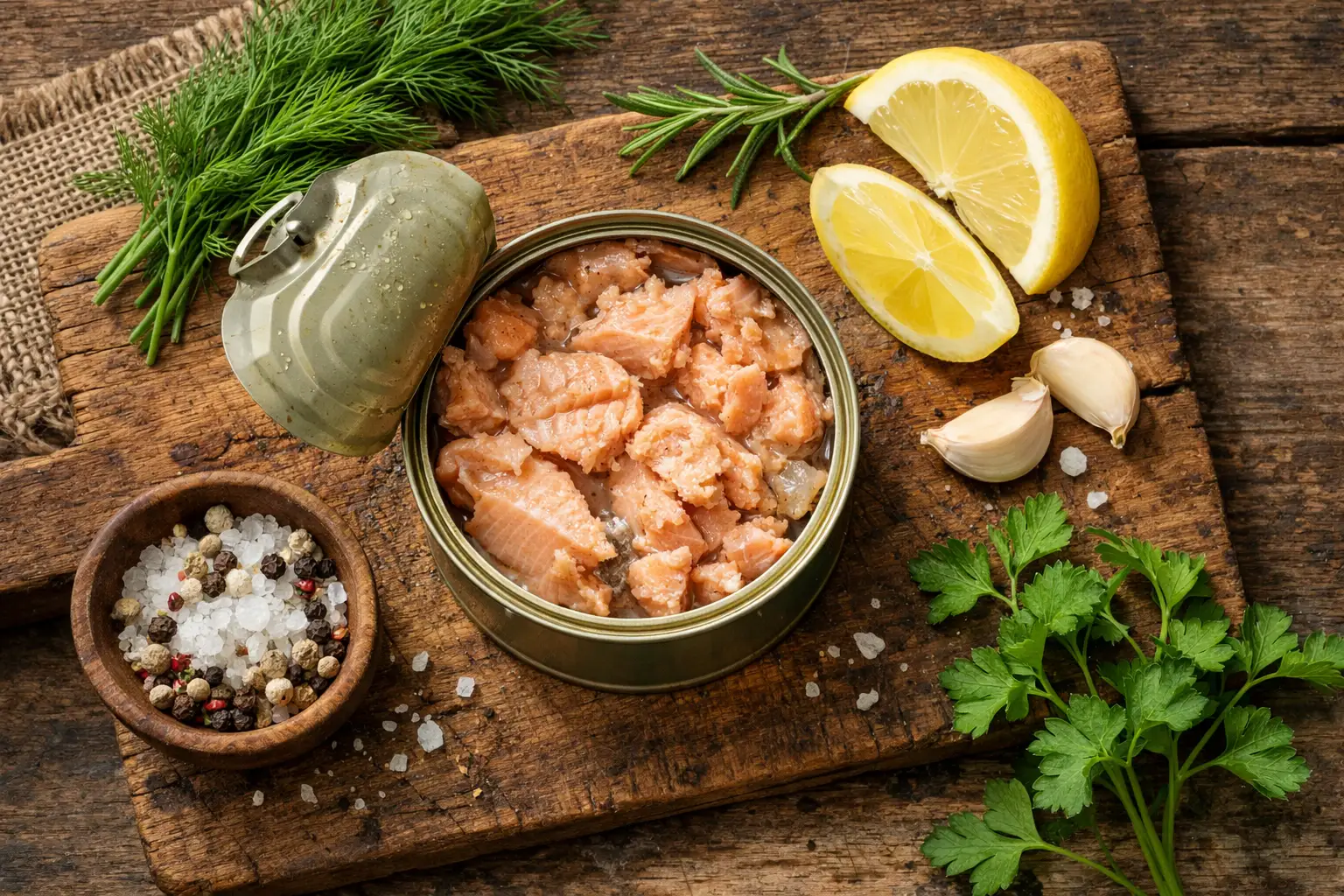
Quick Nutrition Facts
Per 1 Serving (85g drained)
| Nutrient | Amount |
|---|---|
| Calories | 130 kcal |
| Protein | 20g |
| Carbohydrates | 0g |
| Fiber | 0g |
| Sugars | 0g |
| Fat | 6g |
| Omega-3 (EPA+DHA) | 1.5g |
| Calcium | 240mg |
| Vitamin D | 16mcg |
| Selenium | 40mcg |
Macronutrient Breakdown
 ChatGPT
  Claude
  AI Mode
  Perplexity
NUTRITIONIST INSIGHT
Canned Alaskan salmon delivers more omega-3 per dollar than most fresh fish. The edible bones provide 240mg of highly bioavailable calcium per serving, nearly 25% of your daily needs. Choose wild-caught Alaskan varieties for the lowest mercury and highest omega-3 content.
Myth Busters
MYTH #1: Canned Salmon Is Less Nutritious Than Fresh
TRUTH: Canned salmon retains virtually all its omega-3 fatty acids, protein, and micronutrients through the canning process. Studies confirm canned seafood provides comparable EPA and DHA levels to fresh fish. The canning process actually makes bones soft and edible, adding a calcium boost you don't get from fresh fillets.
MYTH #2: Canned Salmon Is High in Mercury
TRUTH: Alaskan salmon (both pink and sockeye) is among the lowest mercury fish available. The FDA classifies salmon as a "Best Choice" fish, safe to eat 2-3 servings per week, even during pregnancy.
MYTH #3: The Fat in Salmon Is Unhealthy
TRUTH: The 6g of fat per serving is predominantly heart-healthy omega-3 fatty acids (EPA and DHA). These fats reduce triglycerides, lower inflammation, and support cardiovascular health. This is the type of fat nutritionists want you to eat more of.
MYTH #4: Canned Fish Contains Too Much Sodium
TRUTH: While canned salmon does contain sodium (~330mg per serving), draining the liquid removes a significant portion. Low-sodium varieties are widely available. The sodium content is modest compared to most processed foods and the nutritional benefits far outweigh this concern.
MYTH #5: You Should Remove the Bones from Canned Salmon
TRUTH: The soft bones in canned salmon are completely safe and highly nutritious. They provide 240mg of bioavailable calcium per serving. Mashing them into the salmon makes them undetectable while delivering nearly 25% of your daily calcium needs.
NutriScore by Health Goals
| Health Goal | NutriScore | Why This Score? |
|---|---|---|
| Weight Loss |  | Only 130 calories with 20g protein for maximum satiety. Zero carbs, high protein-to-calorie ratio keeps you full longer. |
| Muscle Gain | | 20g complete protein per serving with all essential amino acids. Omega-3s may help reduce exercise-induced muscle soreness. |
| Diabetes Management | | Zero carbs, GI of 0. Omega-3 fatty acids may improve insulin sensitivity. Ideal protein source for blood sugar stability. |
| PCOS Management | | Anti-inflammatory omega-3s help manage PCOS symptoms. High protein supports hormonal balance without insulin-spiking carbs. |
| Pregnancy Nutrition | | DHA is critical for fetal brain and retina development. Low mercury, FDA "Best Choice" fish. Calcium and vitamin D for bone health. |
| Viral/Flu Recovery | | Complete protein for immune cell repair. Selenium (40mcg) supports immune function. Omega-3s reduce inflammatory response. |
PERSONALIZED NUTRITION
Track your meals with NutriScan for personalized NutriScores based on your specific health goals!
Blood Sugar Response to Canned Alaskan Salmon
Canned salmon has virtually no impact on blood glucose levels due to its zero carbohydrate content, making it one of the most blood-sugar-friendly foods available.
Typical Glucose Response Curve
This chart shows typical blood glucose response for general healthy individuals. Individual responses may vary. Not medical advice.
How to Optimize Your Meal
Pairing salmon with low-GI carbohydrates increases diet-induced thermogenesis and optimizes blood sugar control:
- 🥗 Mixed green salad - Fiber slows any carb absorption from dressing
- 🍠 Sweet potato (small) - Low-GI carb for sustained energy with salmon protein
- 🍚 Brown rice or quinoa - Complete meal with balanced macros
- 🥑 Avocado on whole grain toast - Healthy fats complement omega-3s
This protein-first approach keeps blood sugar stable while providing sustained energy throughout the day.
Cultural Significance
Canned salmon has been a pantry staple across cultures for over a century, with roots in the Pacific Northwest fishing industry dating to the 1860s.
In Alaska & Pacific Northwest:
- Salmon is sacred to Indigenous peoples, central to ceremonies and sustenance for millennia
- The canning industry transformed coastal economies starting in the 1870s
- Alaska remains the world's largest producer of wild-caught salmon
- Five species are harvested: King, Sockeye, Coho, Pink, and Chum
Global Impact:
- Canned salmon provides affordable, shelf-stable protein to communities worldwide
- Japan, Russia, and Scandinavia are major consumers with distinct culinary traditions
- Growing demand for sustainable, wild-caught protein drives the industry
- Canned salmon has a 3-5 year shelf life, reducing food waste
Compare & Substitute
Canned Alaskan Salmon vs Other Proteins (Per 100g)
| Nutrient | 🐟 Canned Salmon | 🐔 Canned Chicken | 🐟 Canned Tuna | 🐟 Canned Sardines |
|---|---|---|---|---|
| Calories | 153 kcal | 134 kcal | 116 kcal | 208 kcal |
| Carbs | 0g | 0g | 0g | 0g |
| Fiber | 0g | 0g | 0g | 0g |
| Protein | 23.5g | 25g | 26g | 25g |
| Fat | 7g | 3g | 1g | 11g |
| Omega-3 | 1.8g | 0.1g | 0.3g | 1.5g |
| Calcium | 282mg | 12mg | 11mg | 382mg |
| Vitamin D | 18.8mcg | 0.1mcg | 2.7mcg | 4.8mcg |
| Best For | Omega-3, calcium, versatility | Low-fat protein, mild flavor | Lean protein, low calorie | Calcium, omega-3, bone health |
Frequently Asked Questions
Is canned salmon as healthy as fresh salmon?
Yes, canned salmon retains virtually all its nutritional value. The omega-3 fatty acids, protein, and micronutrients survive the canning process. Canned salmon with bones actually provides more calcium (240mg per serving) than fresh fillets since the bones become soft and edible.
How much protein is in canned salmon?
1 serving (85g drained) provides 20g of complete protein with all essential amino acids. Per 100g, canned Alaskan salmon delivers 23.5g of protein, making it one of the most protein-dense shelf-stable foods available.
Can diabetics eat canned salmon?
Canned salmon is excellent for diabetics. It contains zero carbohydrates and has a glycemic index of 0, meaning it does not raise blood sugar at all. The omega-3 fatty acids may improve insulin sensitivity, and the high protein content helps stabilize blood sugar when paired with carbohydrate-containing foods.
Is canned salmon safe during pregnancy?
Yes, canned salmon is safe and recommended during pregnancy. The FDA classifies salmon as a "Best Choice" fish due to its low mercury content. The DHA omega-3 fatty acids are critical for fetal brain and eye development. Aim for 2-3 servings per week.
How much omega-3 is in canned salmon?
1 serving (85g) provides approximately 1.5g of combined EPA and DHA omega-3 fatty acids. This exceeds the daily recommended intake of 250-500mg for cardiovascular health. Sockeye varieties tend to have slightly higher omega-3 than pink salmon.
What is the best way to eat canned salmon?
Canned salmon is incredibly versatile. Make salmon patties or burgers, toss into salads, mix with pasta, spread on whole grain crackers, or use in sandwiches and wraps. For maximum nutrition, mash the soft bones into the salmon for added calcium and pair with vegetables for fiber.
Track your meals with NutriScan app to see how canned salmon fits your personal nutrition goals.


Similar Nutritious Foods
4505 Chicharrones Classic Chili Salt
7 Eleven Japan Crispy Corn Cheese
Explore More Nutrition Tools & Resources
AI Calorie Counter App - Snap a Photo, Get Macros
AI Nutritionist App That Reads Your Logged Meals
Best Protein Supplements for Women
Bulking Meal Plan App That Sets Your Surplus
ChatGPT Calorie Counter Alternative That Keeps the Total
ChatGPT Diet Plan Alternative That Tracks What You Eat
ChatGPT Weight Loss Coach Alternative With a Food Log
Fast Food Calorie Counter App That Reads the Tray
Free Calorie Tracker App with AI Photo Scans | NutriScan
Indian Diet Plan App With Veg and Non Veg Meals
Indian Food Calorie Calculator - Get Instant Nutrition Facts for Desi Meals — 2026
Intermittent Fasting for Women, Timer and Meal Log App
Intermittent Fasting Tracker App - Free Fasting Timer
Macro Tracker App That Fills the Numbers From a Photo
Mediterranean Diet Meal Plan App That Counts the Oil
Micronutrient Tracker App for Vitamins and Minerals
MyFitnessPal Alternative That Stays Free | NutriScan
NutriScore App: A Free Grade on Every Meal | NutriScan
Nutrition Label Scanner App for the Amount You Ate
Second Trimester Protein Guide
Vegetarian Meal Plan App With a Protein Target
Voice Calorie Counter - Speak to Track Meals Hands-Free
Water and Calorie Tracker App - Free Water Log