Chaga Mushroom: Calories, Nutrition and Health Benefits
An adaptogenic superfood mushroom prized for its exceptional antioxidant content, immune-modulating properties, and centuries of use in Siberian traditional wellness.
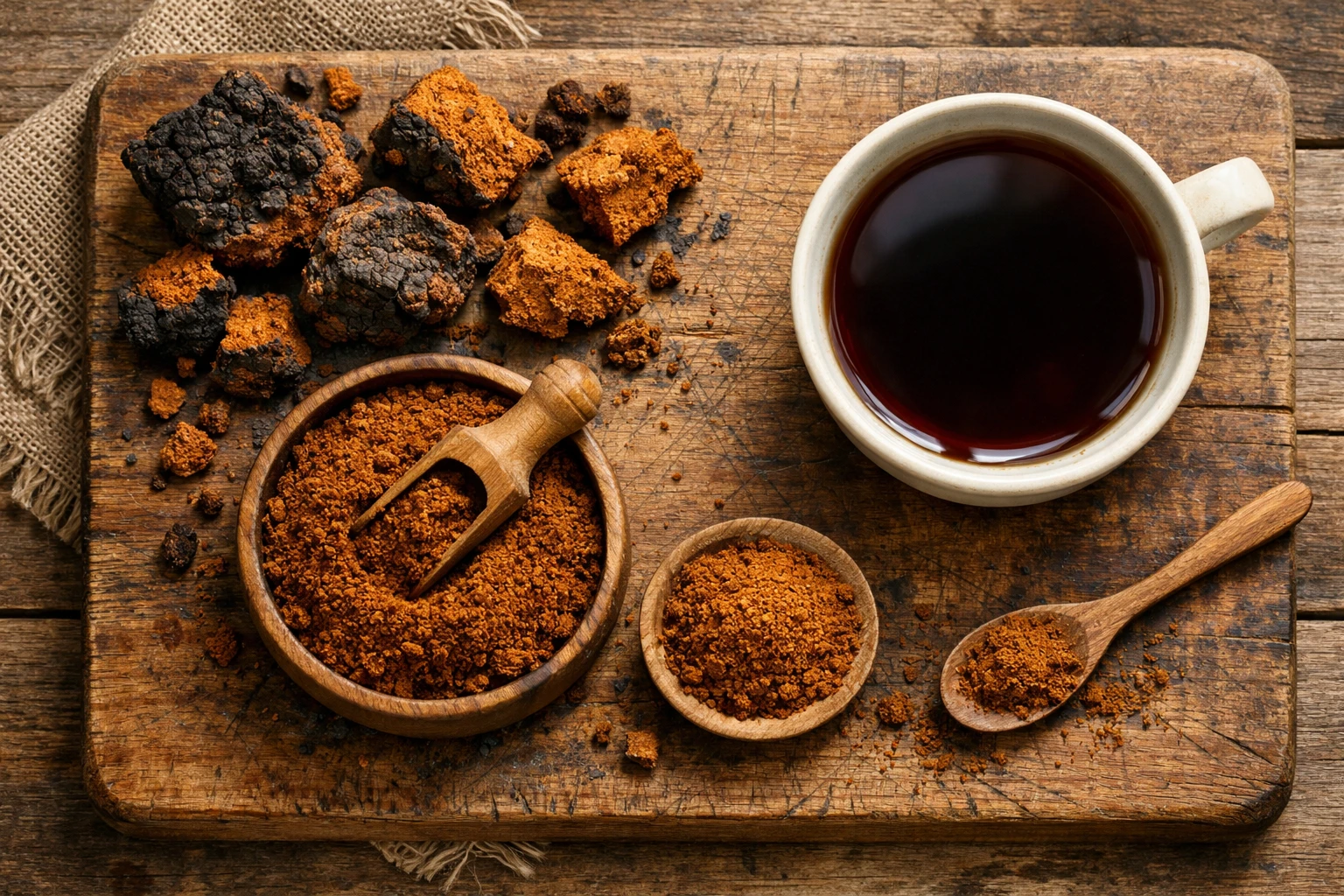
Quick Nutrition Facts
Per 1 Cup Brewed Tea (240ml from 2g powder)
| Nutrient | Amount |
|---|---|
| Calories | 5 kcal |
| Protein | 0.1g |
| Carbohydrates | 1g |
| Fiber | 0.5g |
| Sugars | 0g |
| Fat | 0g |
| Potassium | 15mg |
| Zinc | 0.1mg |
| Selenium | 2mcg |
| Beta-Glucans | 10-20% |
Macronutrient Breakdown
 ChatGPT
  Claude
  AI Mode
  Perplexity
NUTRITIONIST INSIGHT
Chaga boasts one of the highest ORAC (antioxidant) scores of any food at up to 146,700 units per 100g - nearly 50% higher than acai berries. Its beta-glucans act as a biological response modifier, intelligently supporting your immune system.
Myth Busters
MYTH #1: Chaga Works Immediately
TRUTH: Like most adaptogens, chaga requires consistent use over 2-4 weeks for noticeable benefits. Beta-glucans accumulate gradually in the body to modulate immune response. Patience and daily consumption are key.
MYTH #2: All Chaga Products Are Equal
TRUTH: Only wild-harvested chaga from birch trees contains betulinic acid. Cultivated chaga grown on grain lacks key compounds like betulin and melanin. Look for wild-harvested, fruiting body products.
MYTH #3: Raw Chaga Is Best
TRUTH: Humans cannot digest raw chaga due to chitin cell walls. Proper extraction (hot water or dual extraction) is required to release bioactive compounds like beta-glucans and triterpenes.
MYTH #4: Chaga Cures Cancer
TRUTH: While early research shows promising anti-tumor properties, no human clinical trials confirm cancer-curing effects. Chaga may support overall health but should never replace conventional cancer treatment.
MYTH #5: More Chaga Is Better
TRUTH: Chaga is high in oxalates, which can contribute to kidney stones with excessive consumption. Stick to 1-2 cups daily and avoid if you have kidney disease or history of kidney stones.
MYTH #6: Chaga Is Just a Trend
TRUTH: Chaga has been used in Siberian and Russian traditional medicine for over 500 years. Modern science is now validating these traditional uses with studies on its polysaccharides and antioxidant compounds.
NutriScore by Health Goals
| Health Goal | NutriScore | Why This Score? |
|---|---|---|
| Weight Loss |  | Nearly zero calories (5 kcal per cup); caffeine-free energy alternative; may support metabolism. |
| Muscle Gain |  | Minimal protein; best as recovery support for reducing exercise-induced inflammation. |
| Diabetes Management |  | May help regulate blood sugar; near-zero carbs; consult doctor if on diabetes medication. |
| PCOS Management | | Anti-inflammatory properties; may support hormone balance; zero sugar impact. |
| Pregnancy Nutrition |  | Insufficient safety data during pregnancy; avoid or consult healthcare provider before use. |
| Viral/Flu Recovery | | Beta-glucans boost immune response; antioxidants support recovery; traditionally used for illness. |
PERSONALIZED NUTRITION
Track your meals with NutriScan for personalized NutriScores based on your specific health goals!
Blood Sugar Response to Chaga Tea
Chaga tea has virtually no impact on blood glucose due to its negligible carbohydrate content and potential blood sugar-regulating properties.
Typical Glucose Response Curve
This chart shows typical blood glucose response for general healthy individuals. Individual responses may vary. Not medical advice.
Why Chaga Is Excellent for Blood Sugar
Research suggests chaga may help manage blood sugar through multiple mechanisms:
- Nearly zero carbs - Only 1g carbohydrates per cup of brewed tea
- Alpha-glucosidase inhibition - May slow carbohydrate absorption
- Polysaccharide activity - Studies show hypoglycemic effects in animal models
- Antioxidant protection - Protects pancreatic beta cells from oxidative stress
The flat glucose curve makes chaga tea an ideal beverage for diabetics and those monitoring blood sugar.
Cultural Significance
Chaga (Inonotus obliquus) has been treasured in traditional medicine across northern regions for centuries.
In Russia and Siberia:
- Known as the "King of Medicinal Mushrooms" and "Diamond of the Forest"
- Used for over 500 years in Siberian folk medicine for digestive health and immunity
- Called "Chaga" from the Russian word derived from the Komi-Permyak language
- Traditionally prepared as a tea or tincture for general wellness
Global Recognition:
- Featured in Alexander Solzhenitsyn's novel "Cancer Ward" (1968), boosting Western awareness
- Growing popularity in mushroom coffee blends and wellness products
- Subject of increasing clinical research for immune and metabolic benefits
- Considered a premium functional food in biohacking and longevity communities
Compare & Substitute
Chaga vs Other Functional Mushrooms (Per Serving)
| Nutrient | Chaga (1 cup tea) | Reishi (1 cup tea) | Lion's Mane (100g) | Turkey Tail (1 cup tea) |
|---|---|---|---|---|
| Calories | 5 kcal | 5 kcal | 35 kcal | 5 kcal |
| ORAC Score | Up to 146,700 | 9,244 | 8,000 | 12,000 |
| Beta-Glucans | 10-20% | 25-50% | 20-40% | 30-50% |
| Key Compound | Betulinic acid, melanin | Triterpenes, ganoderic acid | Hericenones, erinacines | PSK, PSP polysaccharides |
| Best For | Antioxidants, immune support | Calm, sleep, stress | Brain health, cognition | Immune support, gut health |
Frequently Asked Questions
What are the main health benefits of chaga mushroom?
Chaga offers powerful antioxidant protection with one of the highest ORAC scores of any food (up to 146,700). Key benefits include immune system modulation via beta-glucans, anti-inflammatory properties from triterpenes, potential blood sugar regulation, and adaptogenic stress support.
How much chaga should I consume daily?
For general wellness, 1-2 cups of chaga tea daily (2-4g powder) is typical. Extract supplements: 500-1500mg daily. Start with lower doses and increase gradually over 1-2 weeks. Effects may take 2-4 weeks of consistent use to notice.
Is chaga safe to take every day?
Chaga is generally safe for daily use and has been consumed in Siberian traditional medicine for centuries. However, avoid if taking blood thinners (chaga may affect clotting), have kidney issues (high in oxalates), or are on diabetes medications without consulting a doctor first.
Does chaga help with immune function?
Yes, chaga contains beta-glucans that modulate immune response. Research shows it can stimulate white blood cell production and regulate cytokines. It acts as a biological response modifier (BRM), boosting immunity when needed and calming overactive responses.
Can diabetics drink chaga tea?
Chaga may help regulate blood sugar, but diabetics should use caution. It can lower blood glucose, potentially causing hypoglycemia when combined with diabetes medications. Always consult your healthcare provider before adding chaga to your routine.
How do you prepare chaga tea?
For chaga tea: Add 2g chaga powder or chunks to 240ml hot water (not boiling, around 80-85C). Steep for 5-10 minutes. For stronger extraction, simmer chunks for 1-2 hours on low heat. Add honey, maple syrup, or cinnamon to taste. Can be rebrewed 2-3 times.
What does chaga taste like?
Chaga has a mild, earthy flavor with subtle vanilla and coffee-like notes. It is not bitter like some medicinal mushrooms. The taste is often described as smooth and slightly sweet, making it pleasant to drink without sweeteners.
Can I combine chaga with coffee?
Yes, chaga pairs excellently with coffee and is a popular ingredient in mushroom coffee blends. It may help smooth out caffeine jitters while adding antioxidant benefits. Many people replace one cup of regular coffee with chaga coffee for balanced energy.


Similar Nutritious Foods
4505 Chicharrones Classic Chili Salt
7 Eleven Japan Crispy Corn Cheese
Explore More Nutrition Tools & Resources
AI Calorie Counter App - Snap a Photo, Get Macros
AI Nutritionist App That Reads Your Logged Meals
Best Protein Supplements for Women
Bulking Meal Plan App That Sets Your Surplus
ChatGPT Calorie Counter Alternative That Keeps the Total
ChatGPT Diet Plan Alternative That Tracks What You Eat
ChatGPT Weight Loss Coach Alternative With a Food Log
Fast Food Calorie Counter App That Reads the Tray
Free Calorie Tracker App with AI Photo Scans | NutriScan
Indian Diet Plan App With Veg and Non Veg Meals
Indian Food Calorie Calculator - Get Instant Nutrition Facts for Desi Meals — 2026
Intermittent Fasting for Women, Timer and Meal Log App
Intermittent Fasting Tracker App - Free Fasting Timer
Macro Tracker App That Fills the Numbers From a Photo
Mediterranean Diet Meal Plan App That Counts the Oil
Micronutrient Tracker App for Vitamins and Minerals
MyFitnessPal Alternative That Stays Free | NutriScan
NutriScore App: A Free Grade on Every Meal | NutriScan
Nutrition Label Scanner App for the Amount You Ate
Second Trimester Protein Guide
Vegetarian Meal Plan App With a Protein Target
Voice Calorie Counter - Speak to Track Meals Hands-Free
Water and Calorie Tracker App - Free Water Log