Chana Masala: Calories, Nutrition and Health Benefits
Protein-packed Indian chickpea curry with aromatic spices, delivering plant-based nutrition and authentic flavors for health-conscious food lovers.
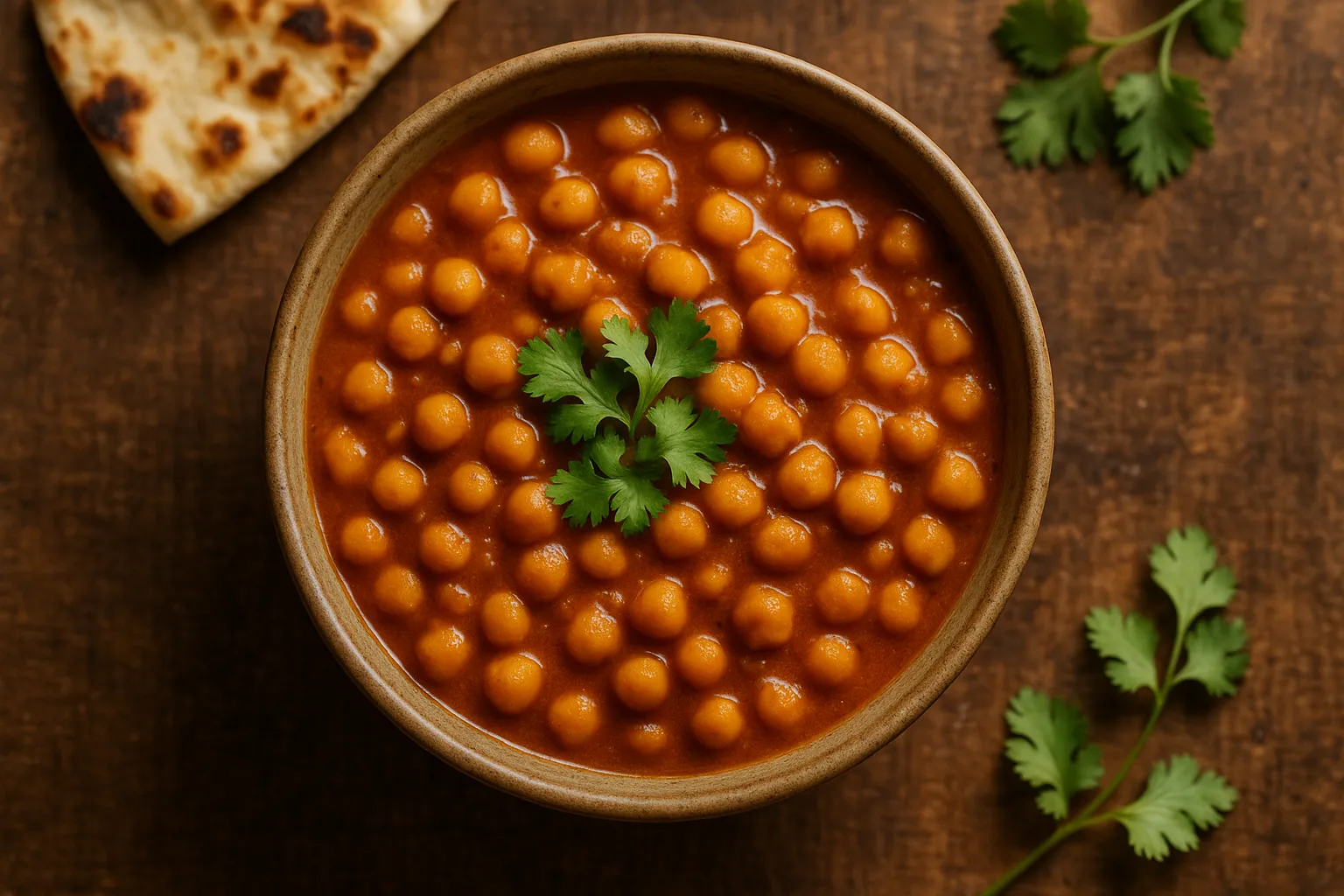
Quick Nutrition Facts
Per 1 Cup (240g)
| Nutrient | Amount |
|---|---|
| Calories | 240 kcal |
| Protein | 12g |
| Carbohydrates | 35g |
| Fiber | 10g |
| Sugars | 6g |
| Fat | 6g |
| Iron | 4.2mg |
| Folate | 280mcg |
| Magnesium | 78mg |
| Potassium | 420mg |
Macronutrient Breakdown
 ChatGPT
  Claude
  AI Mode
  Perplexity
NUTRITIONIST INSIGHT
Chana masala delivers 40% of daily fiber needs in one serving. Chickpeas have a glycemic index of just 28-30, making them ideal for blood sugar management and sustained energy.
Myth Busters
MYTH #1: Chana Masala is Too High in Carbs for Weight Loss
TRUTH: While chana masala contains 35g carbs per cup, 10g of fiber and 12g protein promote significant satiety. The resistant starch in chickpeas actually improves fat burning and appetite control, making it excellent for weight management.
MYTH #2: Indian Curries Are Always Unhealthy
TRUTH: Turmeric, cumin, and coriander in chana masala provide powerful anti-inflammatory benefits. Restaurant versions may use excess oil, but homemade chana masala with moderate oil is highly nutritious and disease-fighting.
MYTH #3: Vegetarian Protein is Inferior to Meat
TRUTH: Chickpeas provide complete nutrition with all essential amino acids when paired with grains like rice or roti. The 12g plant protein per cup supports muscle maintenance and is easier to digest than many animal proteins.
MYTH #4: Chana Masala Causes Bloating for Everyone
TRUTH: While chickpeas contain oligosaccharides that can cause gas, soaking and cooking properly reduces these compounds significantly. Most people tolerate chana masala well, especially when introduced gradually. The fiber benefits far outweigh temporary discomfort.
MYTH #5: Diabetics Should Avoid Chana Masala Due to Carbs
TRUTH: Chickpeas have one of the lowest glycemic indexes (28-30) among staple foods. The high fiber and protein content slows glucose absorption, making chana masala one of the best carb sources for diabetics. Studies show regular chickpea consumption improves HbA1c levels.
MYTH #6: Canned Chickpeas Lose All Nutritional Value
TRUTH: While fresh-cooked is ideal, canned chickpeas retain most protein, fiber, and minerals. Just rinse to remove excess sodium. Both forms provide excellent nutrition for chana masala.
NutriScore by Health Goals
| Health Goal | NutriScore | Why This Score? |
|---|---|---|
| Weight Loss |  | 240 calories with 10g fiber and 12g protein keeps you full for hours. Low GI prevents cravings. Perfect for sustainable weight loss. |
| Muscle Gain |  | 12g plant protein per cup supports muscle maintenance. Pair with rice/roti for 18-20g total protein. Iron and magnesium aid recovery. |
| Diabetes Management | | Chickpeas have GI of 28-30, lowest among staples. High fiber slows glucose absorption. Studies show improved HbA1c with regular consumption. |
| PCOS Management | | Low GI improves insulin sensitivity. Plant protein and fiber regulate hormones. Anti-inflammatory spices (turmeric, cumin) reduce PCOS inflammation. |
| Pregnancy Nutrition | | 280mcg folate per cup (70% daily need) prevents neural tube defects. Iron prevents anemia. Protein supports fetal development. |
| Viral/Flu Recovery | | Easy to digest, anti-inflammatory spices boost immunity, provides energy without heaviness. Turmeric and garlic support immune function. |
PERSONALIZED NUTRITION
Track your meals with NutriScan for personalized NutriScores based on your specific health goals!
Blood Sugar Response to Chana Masala
Understanding how chana masala affects blood glucose showcases why it's exceptional for diabetes and metabolic health.
Typical Glucose Response Curve
This chart shows typical blood glucose response for healthy individuals. Chana masala shows remarkably stable glucose levels due to low GI. Individual responses may vary. Not medical advice.
Why Chana Masala is Blood Sugar Friendly
The unique combination of fiber, protein, and resistant starch makes chana masala one of the best foods for glucose control:
- 🥄 Eat with roti or rice - Whole grain combinations reduce overall meal GI
- 🥗 Add vegetables - Extra fiber further stabilizes blood sugar
- 🥛 Serve with yogurt raita - Probiotic benefits and additional protein
- 🍋 Squeeze lemon - Vitamin C and acidity lower glycemic response
Even diabetics can enjoy chana masala regularly. The gradual glucose release provides sustained energy for 4-6 hours.
Cultural Significance
Chana masala represents the heart of North Indian vegetarian cuisine with centuries of culinary tradition.
In India:
- Punjab Origins: Born in Punjab, spread across North India as street food staple
- Chole Bhature: Iconic pairing with fried bread in Delhi and Punjab
- Religious Significance: Popular during Navratri fasting and vegetarian festivals
- Regional Variations: Each region adds unique spices—Punjabi style (tangy, spicy), Delhi style (milder), Mumbai street style (extra onions)
- Social Gatherings: Essential dish at weddings, parties, religious ceremonies
Ayurvedic Perspective:
- Chickpeas are considered "Sattvic" food—pure, energizing, harmonious
- Spices like cumin aid digestion; turmeric reduces inflammation
- Balances all three doshas when prepared properly
Global Impact:
- Top vegetarian dish in Indian restaurants worldwide
- Influenced Middle Eastern hummus culture
- Modern fusion: tacos, wraps, grain bowls featuring chana masala
- Plant-based movement elevated chickpeas to superfood status
Compare & Substitute
Chana Masala vs Similar Protein-Rich Foods (Per Cup/240g)
| Nutrient | 🫘 Chana Masala | 🍛 Dal Tadka | 🧈 Paneer Curry | 🍛 Kidney Bean Curry |
|---|---|---|---|---|
| Calories | 240 kcal | 180 kcal | 320 kcal | 220 kcal |
| Carbs | 35g | 28g | 8g | 32g |
| Fiber | 10g | 8g | 2g | 11g |
| Protein | 12g | 9g | 18g | 13g |
| Fat | 6g | 6g | 22g | 5g |
| Iron | 4.2mg | 3.5mg | 1.2mg | 4.8mg |
| Folate | 280mcg | 180mcg | 40mcg | 230mcg |
| GI | 28-30 (Low) | 38 (Low) | 15 (Very Low) | 29 (Low) |
| Best For | All-around nutrition, diabetes | Weight loss, digestion | High protein, muscle gain | Weight loss, heart health |
Frequently Asked Questions
Is chana masala good for weight loss?
Yes, chana masala is exceptional for weight loss due to its nutrient density and satiety.
Weight loss benefits: 240 calories with 12g protein and 10g fiber keeps you full for 4-6 hours; low GI (28-30) prevents blood sugar crashes and cravings; resistant starch improves fat burning; high volume food that satisfies hunger. Studies show people eating legumes regularly lose more weight.
Best practices: Eat 1 cup for lunch with minimal oil (3-4 tbsp total recipe); pair with 1-2 roti or 1 cup rice; avoid bhature or excess naan; make at home to control oil.
Can diabetics eat chana masala?
Chana masala is one of the best foods for diabetics. Chickpeas have a glycemic index of just 28-30, among the lowest of any staple food.
Diabetes benefits:
- 10g fiber slows glucose absorption significantly
- Low GI causes gradual, sustained blood sugar rise
- 12g protein stabilizes glucose levels
- Regular consumption improves HbA1c levels (long-term diabetes marker)
- Can eat 1 cup with 2 roti or 1 cup rice safely
Tips: Monitor first time to see individual response; eat with vegetables for extra fiber; avoid pairing with white rice or naan; best for lunch or early dinner. Most diabetics can enjoy chana masala regularly.
How much protein is in chana masala?
One cup of chana masala contains 12g of high-quality plant protein. This represents 24% of daily needs for average adults and provides all essential amino acids.
Protein boost tips: Add paneer cubes (+7g protein); serve with 2 roti (+6g protein) or 1 cup rice with dal (+9g protein together); top with Greek yogurt raita (+8g protein). Total meal protein can reach 18-20g, excellent for muscle maintenance.
What are the main health benefits of chana masala?
Key Benefits:
- Blood Sugar Control: GI of 28-30, ideal for diabetics and metabolic health
- Digestive Health: 10g fiber (40% daily need) supports gut bacteria and regularity
- Heart Health: Soluble fiber lowers cholesterol; potassium regulates blood pressure
- Weight Management: High satiety prevents overeating and supports healthy weight
- Pregnancy Nutrition: 280mcg folate (70% daily need) prevents birth defects
- Muscle Maintenance: 12g plant protein supports lean muscle mass
- Anti-Inflammatory: Turmeric, cumin, coriander fight chronic inflammation
- Energy Sustained: Complex carbs provide 4-6 hours stable energy
When is the best time to eat chana masala?
Optimal timing depends on goals:
- Weight Loss: Lunch (12-2pm) when metabolism is active. Keeps you full until dinner, preventing snacking.
- Muscle Gain: Post-workout lunch with rice/roti for recovery carbs and protein.
- Diabetes: Lunch or early dinner (before 7pm). Avoid late night due to fiber content.
- PCOS: Lunch for stable blood sugar throughout afternoon.
- General Health: Lunch preferred. The fiber content aids afternoon digestion.
IMPORTANT NOTE
Avoid chana masala late at night (after 9pm) as the high fiber may cause digestive discomfort or gas during sleep.
Is chana masala healthy for PCOS?
Yes, chana masala is excellent for PCOS management due to its impact on insulin sensitivity and hormonal balance.
PCOS benefits:
- Low GI (28-30) improves insulin sensitivity, key for PCOS management
- High fiber regulates estrogen metabolism and hormone balance
- Plant protein supports healthy weight management
- Anti-inflammatory spices (turmeric, cumin) reduce PCOS-related inflammation
- Folate and iron support reproductive health
PCOS-friendly meal: 1 cup chana masala with 2 whole wheat roti, vegetable salad, and cucumber raita. This provides balanced macros with low glycemic impact.
How do I make chana masala healthier?
Healthy Preparation Tips:
- Control Oil: Use 3-4 tbsp for entire recipe (serves 4-6). Avoid excess tempering oil.
- Spice Quality: Use fresh ground spices for maximum antioxidant benefits.
- Add Vegetables: Mix spinach, tomatoes, bell peppers for extra nutrients and fiber.
- Onion-Tomato Base: Use more onions and tomatoes for depth; less oil needed.
- Pressure Cook: Retains more nutrients than long boiling.
- Reduce Salt: Use 1 tsp per recipe; let spices shine.
- Skip Butter/Cream: Traditional recipe doesn't need dairy finishing.
Track your homemade version in NutriScan app to optimize nutrition further.
Can I eat chana masala every day?
Daily consumption is generally healthy but consider these factors:
Safe for daily eating if:
- Part of varied diet with different proteins throughout week
- Homemade with controlled oil (not restaurant versions daily)
- No digestive issues (gas, bloating) after eating
- Paired with different grains—rice some days, roti others
- Includes variety of vegetables and fruits daily
Moderate frequency if:
- Prone to gas or bloating (2-3 times per week instead)
- High uric acid or gout (chickpeas are moderate purine)
- Following low-FODMAP diet (chickpeas are high-FODMAP)
Balance approach: Rotate with dal, paneer, eggs, fish for protein variety. Chickpeas 3-4 times per week is ideal for most people, providing benefits without digestive strain.


Similar Nutritious Foods
4505 Chicharrones Classic Chili Salt
7 Eleven Japan Crispy Corn Cheese
Explore More Nutrition Tools & Resources
AI Calorie Counter App - Snap a Photo, Get Macros
AI Nutritionist App That Reads Your Logged Meals
Best Protein Supplements for Women
Bulking Meal Plan App That Sets Your Surplus
ChatGPT Calorie Counter Alternative That Keeps the Total
ChatGPT Diet Plan Alternative That Tracks What You Eat
ChatGPT Weight Loss Coach Alternative With a Food Log
Fast Food Calorie Counter App That Reads the Tray
Free Calorie Tracker App with AI Photo Scans | NutriScan
Indian Diet Plan App With Veg and Non Veg Meals
Indian Food Calorie Calculator - Get Instant Nutrition Facts for Desi Meals — 2026
Intermittent Fasting for Women, Timer and Meal Log App
Intermittent Fasting Tracker App - Free Fasting Timer
Macro Tracker App That Fills the Numbers From a Photo
Mediterranean Diet Meal Plan App That Counts the Oil
Micronutrient Tracker App for Vitamins and Minerals
MyFitnessPal Alternative That Stays Free | NutriScan
NutriScore App: A Free Grade on Every Meal | NutriScan
Nutrition Label Scanner App for the Amount You Ate
Second Trimester Protein Guide
Vegetarian Meal Plan App With a Protein Target
Voice Calorie Counter - Speak to Track Meals Hands-Free
Water and Calorie Tracker App - Free Water Log