Chicken Masala: Calories, Nutrition and Health Benefits
Rich, aromatic Indian curry packed with protein, immune-boosting spices, and essential nutrients for every fitness goal.
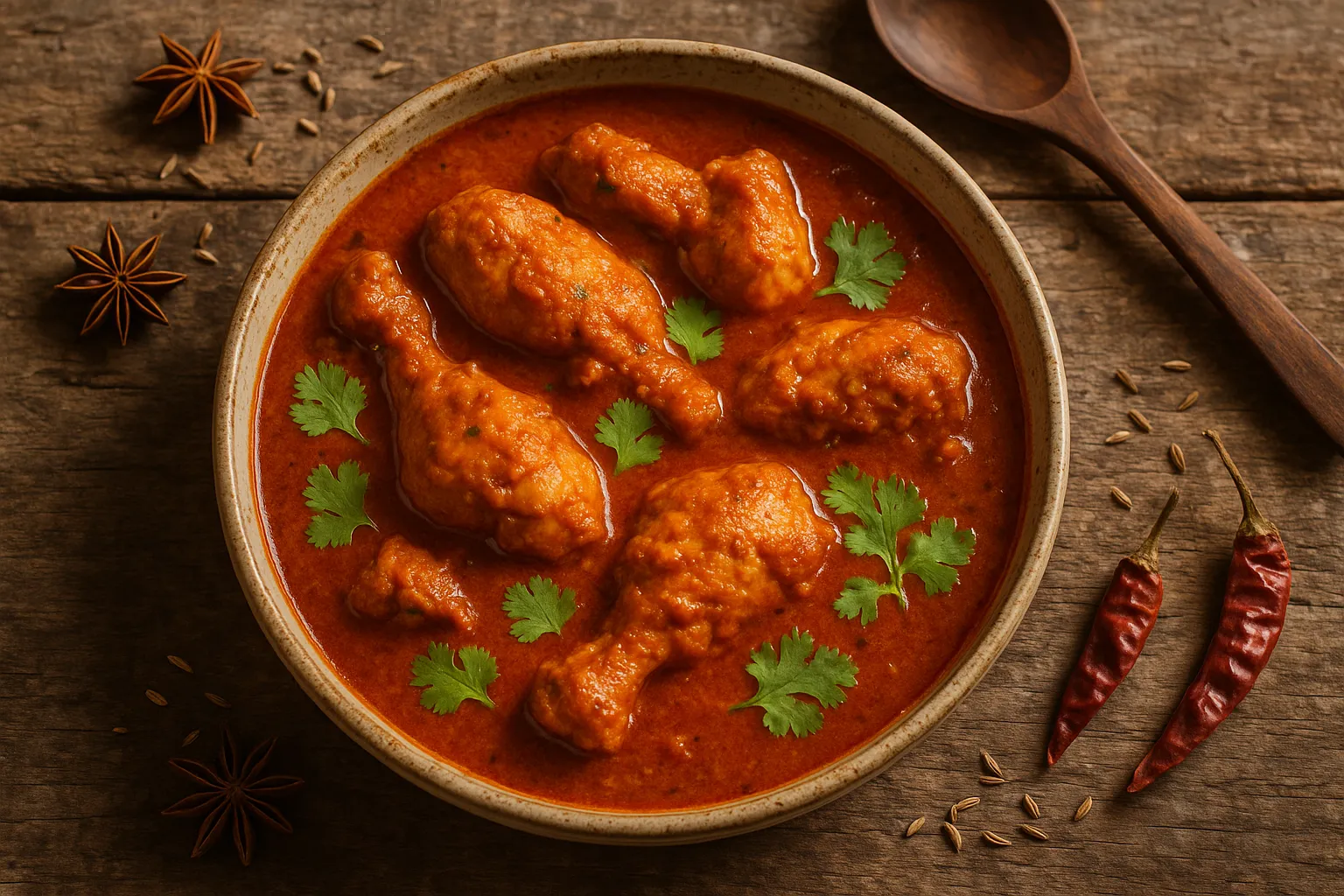
Quick Nutrition Facts
Per 100g (approx. 1/2 cup)
| Nutrient | Amount |
|---|---|
| Calories | 165 kcal |
| Protein | 12g |
| Carbohydrates | 10g |
| Fiber | 2g |
| Sugars | 4g |
| Fat | 8g |
| Sodium | 420mg |
| Iron | 1.2mg |
| Vitamin B6 | 0.3mg |
| Zinc | 1.5mg |
Macronutrient Breakdown
 ChatGPT
  Claude
  AI Mode
  Perplexity
NUTRITIONIST INSIGHT
Chicken masala combines high-quality protein with antioxidant-rich spices like turmeric and ginger. The spices provide anti-inflammatory benefits while the chicken supplies all essential amino acids for muscle recovery and immune function.
Myth Busters
MYTH #1: Chicken Masala Is Too High in Calories
TRUTH: At 165 calories per 100g, chicken masala is a moderate-calorie protein source. Protein-rich meals increase satiety and boost metabolism, making it suitable for weight management when portion-controlled and prepared with minimal oil.
MYTH #2: The Spices Cause Inflammation
TRUTH: The opposite is true. Turmeric contains curcumin with powerful anti-inflammatory properties, ginger reduces muscle soreness, and garlic boosts immunity. These spices fight inflammation, not cause it.
MYTH #3: Chicken Curry Is Bad for Diabetes
TRUTH: High-protein meals like chicken masala help stabilize blood sugar by slowing carbohydrate absorption. Choose tomato-based versions over cream-heavy ones and pair with fiber-rich vegetables for optimal blood sugar control.
MYTH #4: All Chicken Masala Is Unhealthy
TRUTH: Preparation method matters. Homemade chicken masala with controlled oil, tomato-based gravy, and lean chicken breast is nutritious. Restaurant versions may be higher in fat and sodium; ask for less oil and choose grilled chicken options.
MYTH #5: You Can't Eat Chicken Masala on a Diet
TRUTH: Chicken masala fits many diets: keto (moderate protein, low carb), high-protein, paleo, and even diabetes management plans. Control portions, choose tomato-based versions, and balance with vegetables for a complete, diet-friendly meal.
MYTH #6: Chicken Masala Has No Nutritional Value
TRUTH: Beyond 12g protein per 100g, chicken masala provides B vitamins for energy, iron for oxygen transport, zinc for immunity, and bioactive compounds from spices that support overall health.
NutriScore by Health Goals
| Health Goal | NutriScore | Why This Score? |
|---|---|---|
| Weight Loss |  | 12g protein promotes satiety, moderate calories. Choose grilled preparation with minimal oil. Portion control essential. |
| Muscle Gain |  | Complete protein with all essential amino acids, 12g per 100g supports muscle synthesis. Perfect post-workout meal with rice. |
| Diabetes Management | | Protein helps stabilize blood sugar. Choose tomato-based gravy, pair with high-fiber foods. |
| PCOS Management | | High protein improves insulin sensitivity. Anti-inflammatory spices support hormonal balance. Opt for low-oil versions. |
| Pregnancy Nutrition | | Rich in protein for fetal development, iron for blood health, B6 reduces nausea. |
| Viral/Flu Recovery | | Protein for tissue repair, immune-boosting garlic and ginger, anti-inflammatory turmeric, easy to digest when made with light gravy. |
PERSONALIZED NUTRITION
Track your meals with NutriScan for personalized NutriScores based on your specific health goals!
Blood Sugar Response to Chicken Masala
Understanding how chicken masala affects blood glucose helps optimize meal timing and combinations.
Typical Glucose Response Curve
*This chart shows typical blood glucose response for general healthy individuals. Individual responses may vary. Not medical advice.*
How to Optimize Blood Sugar Control
Pairing protein-rich chicken masala with fiber creates a balanced meal with minimal blood sugar impact:
- 🥦 High-fiber vegetables - Broccoli, spinach, cauliflower add bulk without spikes
- 🌾 Whole grains - Brown rice or whole wheat roti provide sustained energy
- 🥗 Side salad - Fresh greens increase fiber and nutrient density
- 🫘 Add lentils - Extra fiber and protein for better glucose control
This combination keeps blood sugar stable while providing complete nutrition and lasting satiety.
Cultural Significance
Chicken masala represents the rich culinary heritage of Indian cuisine, blending indigenous spices with cooking techniques perfected over centuries.
In India:
- Evolved from Mughlai cuisine traditions dating back to 16th century
- Every region has unique variations: Punjabi butter chicken, Goan vindaloo, South Indian pepper chicken
- Traditional spice blends (garam masala) passed through generations
- Integral to celebrations, festivals, and family gatherings
- Balances six tastes (sweet, sour, salty, bitter, pungent, astringent) in Ayurveda
Global Impact:
- Most popular Indian dish worldwide, found in 150+ countries
- Chicken tikka masala voted UK's national dish
- Fusion adaptations: Thai chicken masala, Mexican-spiced chicken
- Represents Indian diaspora's culinary influence globally
Compare & Substitute
Chicken Masala vs Similar Protein Dishes (Per 100g)
| Nutrient | 🍗 Chicken Masala | 🍖 Lamb Curry | 🧀 Paneer Tikka Masala | 🐟 Fish Curry |
|---|---|---|---|---|
| Calories | 165 kcal | 210 kcal | 265 kcal | 135 kcal |
| Carbs | 10g | 8g | 12g | 6g |
| Fiber | 2g | 1.8g | 1.5g | 1.2g |
| Protein | 12g | 15g | 18g | 14g |
| Fat | 8g | 13g | 18g | 7g |
| Iron | 1.2mg | 2.5mg | 0.8mg | 1.0mg |
| Sodium | 420mg | 480mg | 520mg | 380mg |
| Vitamin B6 | 0.3mg | 0.25mg | 0.1mg | 0.4mg |
| Best For | Balanced nutrition, muscle gain | High protein, iron for anemia | Vegetarian high-protein | Weight loss, heart health |
Frequently Asked Questions
Is chicken masala good for weight loss?
Yes, chicken masala supports weight loss when prepared correctly. At 165 calories per 100g with 12g protein, it provides excellent satiety per calorie.
Weight loss tips:
- Choose grilled or tandoori chicken over fried
- Request tomato-based gravy instead of cream
- Limit oil to 1-2 teaspoons per serving
- Pair with vegetable sides instead of naan or rice
- Portion control: 150-200g per meal
Can diabetics eat chicken masala?
Diabetics can safely eat chicken masala. The high protein content helps stabilize blood sugar, and when paired correctly, it has minimal glycemic impact.
Diabetes-friendly preparation:
- Choose tomato-based gravy (avoid cream and cashew paste)
- Pair with brown rice or whole wheat roti (limit to 1/2 cup or 1 small roti)
- Add high-fiber vegetables like spinach, cauliflower
- Monitor portion size: 150g chicken masala per meal
- Avoid sugary chutneys or sweetened versions
Always monitor blood sugar 2 hours after eating and consult your healthcare provider.
How much protein is in chicken masala?
Chicken masala contains 12g of protein per 100g serving. A typical restaurant portion (200g) provides 24g of complete protein with all nine essential amino acids.
Protein comparison:
- 150g serving = 18g protein (equivalent to 2.5 eggs)
- 200g serving = 24g protein (post-workout meal size)
- Provides leucine, the key amino acid for muscle protein synthesis
Combine with rice or roti for complete meal protein.
What are the main health benefits of chicken masala?
Key Benefits:
- High-Quality Protein: 12g per 100g supports muscle maintenance and repair
- Anti-Inflammatory Spices: Turmeric, ginger, garlic reduce chronic inflammation
- Immune Support: Zinc, vitamin B6, and garlic boost immune function
- Heart Health: Moderate fat, potassium from tomatoes support cardiovascular health
- Energy Metabolism: B vitamins help convert food to energy
- Bone Health: Phosphorus and trace minerals support skeletal system
Is chicken masala healthy for muscle gain?
Yes, chicken masala is excellent for muscle gain. It provides complete protein with optimal leucine content for muscle protein synthesis.
Muscle gain strategy:
- Post-workout timing: Eat within 2 hours of training
- Protein amount: 150-200g provides 18-24g protein
- Carb pairing: Combine with 1 cup rice or 2 rotis for glycogen replenishment
- Frequency: Include 4-5 times weekly in muscle-building meal plan
- Preparation: Choose grilled chicken for maximum protein-to-fat ratio
What's healthier: chicken masala or paneer masala?
Chicken masala is leaner with more protein and fewer calories:
- For weight loss: Chicken masala (165 cal, 12g protein vs paneer's 265 cal, 18g protein)
- For muscle gain: Both work; chicken has better protein-to-calorie ratio
- For vegetarians: Paneer masala is the only option and still nutritious
- For diabetes: Chicken masala has less saturated fat
- For calcium: Paneer wins with 200mg vs 25mg per 100g
Recommendation: Weight loss/muscle gain = chicken; vegetarian high-protein = paneer.
Can I eat chicken masala on keto diet?
Yes, chicken masala fits a keto diet with modifications:
Keto-friendly preparation:
- Avoid onion-tomato base (use cream or coconut milk base instead)
- Skip added sugar or cashew paste
- Pair with cauliflower rice instead of regular rice
- Track carbs: aim for 5-8g carbs per serving
- Increase fat: add ghee or butter for higher fat ratio
Macros per 100g (keto version): 8g fat, 12g protein, 5g net carbs.
How many calories in restaurant chicken masala?
Restaurant chicken masala typically ranges 200-300 calories per 100g depending on preparation:
- Tandoori/Grilled style: 150-180 cal (leaner)
- Home-style curry: 165-200 cal (moderate oil)
- Restaurant butter chicken: 250-350 cal (cream, butter)
- Tikka masala: 220-280 cal (cream-based)
Calorie control tips: Ask for "less oil," choose tandoori over fried, request sauce on side.
Track with NutriScan app to log exact portions and see how it fits your daily calorie goals.




Similar Nutritious Foods
4505 Chicharrones Classic Chili Salt
7 Eleven Japan Crispy Corn Cheese
Explore More Nutrition Tools & Resources
AI Calorie Counter App - Snap a Photo, Get Macros
AI Nutritionist App That Reads Your Logged Meals
Best Protein Supplements for Women
Bulking Meal Plan App That Sets Your Surplus
ChatGPT Calorie Counter Alternative That Keeps the Total
ChatGPT Diet Plan Alternative That Tracks What You Eat
ChatGPT Weight Loss Coach Alternative With a Food Log
Fast Food Calorie Counter App That Reads the Tray
Free Calorie Tracker App with AI Photo Scans | NutriScan
Indian Diet Plan App With Veg and Non Veg Meals
Indian Food Calorie Calculator - Get Instant Nutrition Facts for Desi Meals — 2026
Intermittent Fasting for Women, Timer and Meal Log App
Intermittent Fasting Tracker App - Free Fasting Timer
Macro Tracker App That Fills the Numbers From a Photo
Mediterranean Diet Meal Plan App That Counts the Oil
Micronutrient Tracker App for Vitamins and Minerals
MyFitnessPal Alternative That Stays Free | NutriScan
NutriScore App: A Free Grade on Every Meal | NutriScan
Nutrition Label Scanner App for the Amount You Ate
Second Trimester Protein Guide
Vegetarian Meal Plan App With a Protein Target
Voice Calorie Counter - Speak to Track Meals Hands-Free
Water and Calorie Tracker App - Free Water Log