Chilli Chicken: Calories, Nutrition and Health Benefits
Popular Indo-Chinese fusion dish combining high protein, bold spices, and satisfying flavors for muscle building and balanced nutrition.
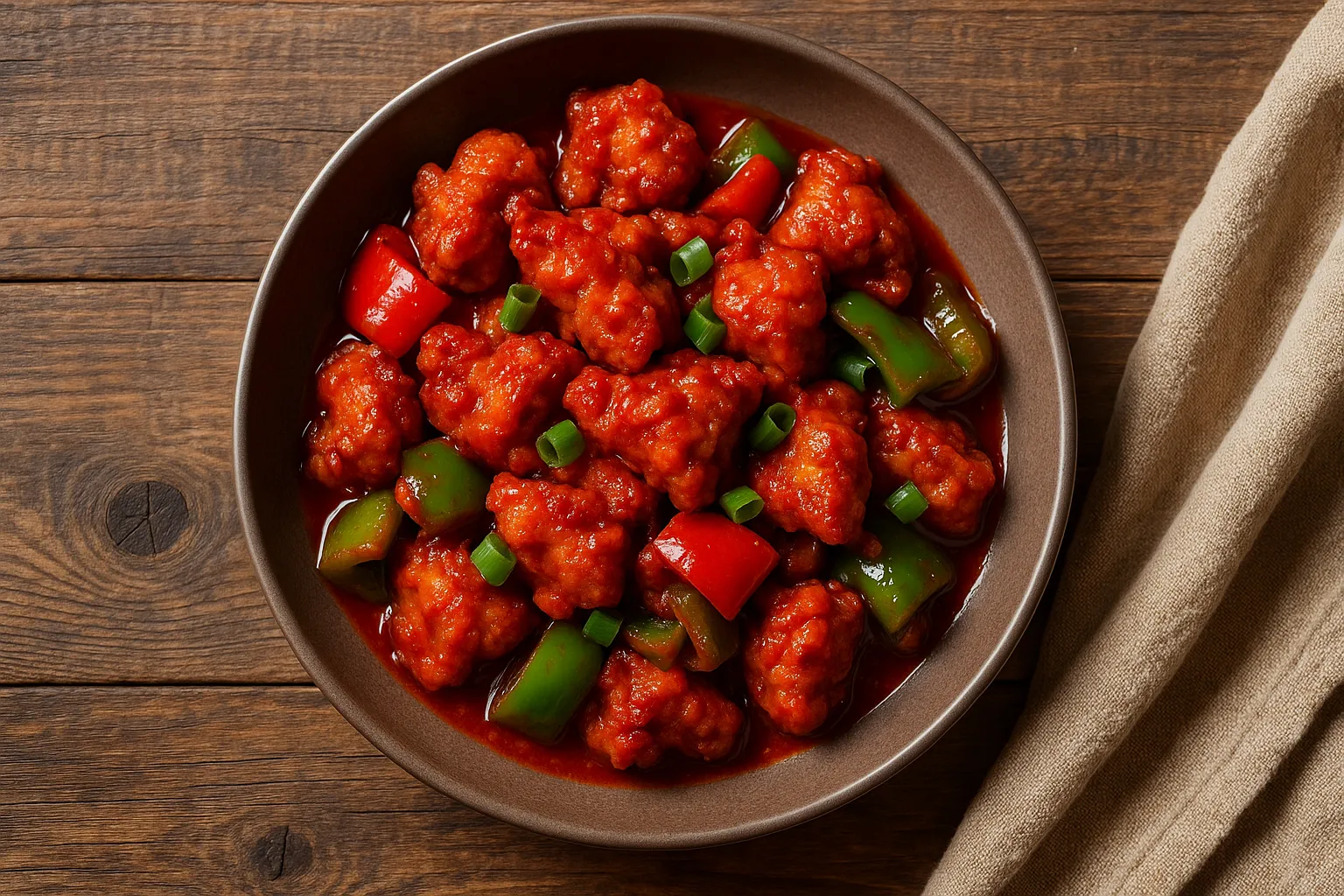
Quick Nutrition Facts
Per 1 Serving (150g, Dry Style)
| Nutrient | Amount |
|---|---|
| Calories | 300 kcal |
| Protein | 24g |
| Carbohydrates | 20g |
| Fiber | 2.5g |
| Sugars | 6g |
| Fat | 16g |
| Sodium | 780mg |
| Vitamin C | 28mg |
| Iron | 2.1mg |
| Vitamin B6 | 0.5mg |
Macronutrient Breakdown
 ChatGPT
  Claude
  AI Mode
  Perplexity
NUTRITIONIST INSIGHT
Chilli chicken provides 24g of high-quality protein per serving, making it excellent for muscle maintenance and satiety. The capsaicin from chillies boosts metabolism while bell peppers add vitamin C. Choose grilled over deep-fried versions to reduce calories by 30-40%.
Myth Busters
MYTH #1: Chilli Chicken Is Always Unhealthy
TRUTH: Preparation method determines healthiness. Grilled or stir-fried chilli chicken with minimal oil provides lean protein (24g), vitamins, and capsaicin benefits. Only deep-fried versions with excessive oil are unhealthy. Homemade or restaurant "dry" versions can fit healthy diets.
MYTH #2: Indo-Chinese Food Has No Nutritional Value
TRUTH: Chilli chicken combines protein-rich chicken with vitamin C from bell peppers and capsaicin from chillies. Lean chicken provides essential amino acids for muscle building, while vegetables add fiber and micronutrients. It's the cooking method, not the cuisine, that matters.
MYTH #3: High Protein Foods Like Chilli Chicken Damage Kidneys
TRUTH: High protein intake from whole foods is safe for healthy individuals. Unless you have pre-existing kidney disease, consuming 1.6-2.2g protein per kg body weight is safe and beneficial for muscle maintenance. One serving of chilli chicken (24g protein) fits easily within healthy limits.
MYTH #4: You Should Avoid Chilli Chicken for Weight Loss
TRUTH: Chilli chicken can support weight loss when prepared healthily. The 24g protein increases satiety and preserves muscle mass during calorie deficit. Capsaicin from chillies boosts metabolism and fat oxidation. Choose grilled versions and control portions.
MYTH #5: Restaurant Chilli Chicken and Homemade Are the Same
TRUTH: Restaurant versions often contain 1.5-2x more calories (400-500 kcal) due to deep-frying, excess oil, and MSG. Homemade grilled chilli chicken has 280-320 calories with controlled sodium. Making it at home gives you complete control over ingredients and nutrition.
MYTH #6: Spicy Food Like Chilli Chicken Is Bad for Digestion
TRUTH: For most people, moderate spicy food consumption supports digestion. Capsaicin increases gastric motility and may reduce inflammation. Only avoid if you have GERD, ulcers, or IBS. Capsaicin has gastroprotective effects for healthy individuals.
NutriScore by Health Goals
| Health Goal | NutriScore | Why This Score? |
|---|---|---|
| Weight Loss |  | 300 calories with 24g protein supports satiety. Choose grilled versions, limit to 2-3 times weekly, pair with vegetables. Avoid deep-fried versions (100+ extra calories). |
| Muscle Gain |  | Excellent protein source (24g per serving) with complete amino acid profile. Leucine-rich chicken supports muscle synthesis. Post-workout or high-protein meal option. |
| Diabetes Management | | Moderate carbs (20g), high protein moderates blood sugar. Choose versions without cornstarch coating and sugary sauces. Best consumed at lunch when insulin sensitivity is higher. |
| PCOS Management |  | High protein helps manage insulin resistance. Limit to 2-3 times weekly, choose grilled, avoid deep-fried. Pair with low-glycemic vegetables. |
| Pregnancy Nutrition | | Protein supports fetal development (24g), iron (2.1mg) prevents anemia. Ensure chicken is fully cooked. Moderate spice based on tolerance. Avoid MSG-heavy restaurant versions. |
| Viral/Flu Recovery | | High protein aids recovery, vitamin C from bell peppers boosts immunity (28mg). Capsaicin clears sinuses. Easy to digest when cooked with less oil. |
PERSONALIZED NUTRITION
Track your meals with NutriScan for personalized NutriScores based on your specific health goals!
Blood Sugar Response to Chilli Chicken
Understanding how chilli chicken affects blood glucose helps you make informed decisions about portions and meal timing.
Typical Glucose Response Curve
This chart shows typical blood glucose response for chilli chicken with moderate sauce. Individual responses may vary based on preparation. Not medical advice.
How to Optimize Blood Sugar Response
High protein content moderates blood sugar spikes from the carbohydrates in sauce and coating. Make it even better:
- 🥗 Add fiber-rich vegetables - Bell peppers, cabbage, broccoli slow glucose absorption
- 🍚 Limit rice/noodles - Eat chilli chicken as main with vegetable sides
- 🥒 Start with salad - Fiber consumed first reduces overall glucose spike
- 🔥 Choose dry style - Less cornstarch and sauce means fewer carbs (15g vs 25g)
The protein-to-carb ratio in chilli chicken (24g protein to 20g carbs) naturally moderates blood sugar response compared to carb-heavy dishes.
Cultural Significance
Chilli chicken represents the unique fusion of Chinese cooking techniques with Indian spices, born in Kolkata's Chinese community.
In India:
- Originated in Kolkata's Chinatown (Tiretti Bazaar) in the 1970s
- Created by Chinese immigrants adapting to Indian taste preferences
- Became the most popular Indo-Chinese dish across India
- Available in two styles: "dry" (stir-fried) and "gravy" (with sauce)
- Street food icon and restaurant staple nationwide
Regional Variations:
- Kolkata Style: Original, with more soy sauce and less spice
- Mumbai Style: Spicier, with more red chillies and garlic
- Delhi Style: Heavier on sauce, often with cornstarch-thickened gravy
- Bangalore Style: Fusion with South Indian spices like curry leaves
Global Impact:
- Symbol of successful cultural fusion cuisine
- Inspired similar Indo-Chinese dishes (Manchurian, Szechuan)
- Growing presence in international Asian fusion restaurants
- Represents India's diverse culinary landscape
Compare & Substitute
Chilli Chicken vs Similar Protein Dishes (Per 150g serving)
| Nutrient | 🍗 Chilli Chicken | 🍗 Tandoori Chicken | 🧀 Chilli Paneer | 🥩 Beef Chilli |
|---|---|---|---|---|
| Calories | 300 kcal | 220 kcal | 320 kcal | 340 kcal |
| Carbs | 20g | 5g | 18g | 15g |
| Fiber | 2.5g | 1g | 2g | 2g |
| Protein | 24g | 32g | 14g | 28g |
| Fat | 16g | 8g | 24g | 22g |
| Sodium | 780mg | 650mg | 820mg | 890mg |
| Vitamin C | 28mg | 4mg | 18mg | 12mg |
| Iron | 2.1mg | 1.8mg | 1.2mg | 3.5mg |
| Best For | Balanced protein and flavor | Weight loss, low-carb | Vegetarian high-protein | High protein, iron needs |
Frequently Asked Questions
Is chilli chicken good for weight loss?
Chilli chicken can fit into a weight loss diet when prepared healthily and consumed in moderation. At 300 calories per serving with 24g of protein, it's satisfying and helps preserve muscle mass during calorie deficit.
Best practices for weight loss:
- Choose grilled or air-fried versions (saves 100-150 calories)
- Order "dry" style instead of gravy (saves 50-80 calories)
- Limit to 2-3 times per week
- Pair with vegetable salad, not rice or noodles
- Control portions: stick to one serving (150g)
- Make it at home to control oil and sodium
The capsaicin in chilli chicken may boost metabolism by 5-10%, helping burn an extra 50-100 calories.
Can diabetics eat chilli chicken?
Yes, diabetics can eat chilli chicken in moderation with smart choices. The 24g protein per serving helps moderate blood sugar spikes from the 20g carbohydrates.
Tips for diabetics:
- Choose grilled versions without cornstarch coating (reduces carbs to 12-15g)
- Avoid sweet sauces with added sugar
- Pair with low-carb vegetables like broccoli, cauliflower, cabbage
- Best timing: lunch when insulin sensitivity is typically higher
- Monitor blood sugar 2 hours after eating to find your tolerance
- Limit to 1-2 times per week
Always consult your healthcare provider for personalized dietary advice.
How much protein is in chilli chicken?
A standard serving of chilli chicken (150g) contains 24 grams of protein. This makes it an excellent choice for:
- Muscle Building: Provides essential amino acids for muscle protein synthesis
- Post-Workout Meals: Supports muscle recovery and growth
- High-Protein Diets: Fits easily into keto, paleo, or bodybuilding diets
- Satiety: Helps you feel full and satisfied for hours
For muscle gain goals, aim for 0.8-1g protein per pound of body weight daily. One serving of chilli chicken provides roughly 15-20% of daily protein needs for most adults.
Is chilli chicken healthy?
Chilli chicken can be healthy depending on how it's prepared:
Healthy Factors:
- High-quality lean protein (24g)
- Vitamin C from bell peppers (28mg)
- Metabolism-boosting capsaicin from chillies
- Iron for blood health (2.1mg)
- Vitamin B6 for energy metabolism
Less Healthy Factors:
- High sodium (780mg, 34% daily value)
- Deep-fried versions add 150+ calories
- Restaurant versions often contain MSG
- Excess oil increases fat content
Make it healthier: Grill or air-fry instead of deep-frying; use less oil; add more vegetables; reduce soy sauce for lower sodium; make homemade to control ingredients.
What is the difference between dry and gravy chilli chicken?
Dry Chilli Chicken:
- Stir-fried with minimal sauce
- 280-300 calories per serving
- Crispier texture
- Lower sodium (700-800mg)
- Better for weight loss
- More common as appetizer
Gravy Chilli Chicken:
- Served with thick sauce
- 350-400 calories per serving
- Softer, saucier texture
- Higher sodium (900-1000mg)
- Higher carbs due to cornstarch (25-30g vs 15-20g)
- Better as main course with rice
Recommendation: Choose dry style for weight loss and lower calories. Choose gravy if you need a saucy main dish, but watch portions.
How often can I eat chilli chicken?
Frequency recommendations by health goal:
- Weight Maintenance: 2-3 times per week (balanced diet)
- Weight Loss: 1-2 times per week (choose grilled versions)
- Muscle Gain: 3-4 times per week (excellent protein source)
- Diabetes: 1-2 times per week (with careful preparation)
- PCOS: 2 times per week (supports protein needs)
General considerations:
- Varies based on preparation method (homemade vs restaurant)
- Should be part of a varied diet, not daily staple
- Balance with other protein sources (fish, eggs, legumes)
- Restaurant versions should be less frequent due to higher sodium and oil
Track your meals with NutriScan app to see how chilli chicken fits your personal nutrition goals.
Can I eat chilli chicken on keto diet?
Yes, but with modifications. Standard chilli chicken has 20g carbs per serving, which may be too high for strict keto (20-30g carbs daily).
Keto-friendly modifications:
- Skip the cornstarch coating (saves 8-10g carbs)
- Use minimal sauce or avoid sweet sauces (saves 4-6g carbs)
- Final carbs: 6-8g per serving (keto-friendly)
- Keep high fat content (16g per serving) for keto macros
- Pair with low-carb vegetables like cauliflower rice
This brings chilli chicken to approximately: 280 calories, 6-8g carbs, 24g protein, 18g fat - suitable for most keto meal plans.
Is chilli chicken safe during pregnancy?
Yes, chilli chicken is safe during pregnancy with proper precautions:
Benefits:
- High protein (24g) supports fetal growth and development
- Iron (2.1mg) helps prevent pregnancy anemia
- Vitamin B6 may reduce morning sickness
- Vitamin C supports immune function
Safety considerations:
- Ensure chicken is fully cooked (internal temperature 165°F/74°C)
- Avoid raw or undercooked chicken due to bacteria risk
- Choose homemade or trusted restaurants
- Moderate spice level based on your tolerance (heartburn is common in pregnancy)
- Limit to 2-3 times per week due to sodium content
- Avoid MSG-heavy restaurant versions
Always consult your healthcare provider about dietary choices during pregnancy.


Similar Nutritious Foods
4505 Chicharrones Classic Chili Salt
7 Eleven Japan Crispy Corn Cheese
Explore More Nutrition Tools & Resources
AI Calorie Counter App - Snap a Photo, Get Macros
AI Nutritionist App That Reads Your Logged Meals
Best Protein Supplements for Women
Bulking Meal Plan App That Sets Your Surplus
ChatGPT Calorie Counter Alternative That Keeps the Total
ChatGPT Diet Plan Alternative That Tracks What You Eat
ChatGPT Weight Loss Coach Alternative With a Food Log
Fast Food Calorie Counter App That Reads the Tray
Free Calorie Tracker App with AI Photo Scans | NutriScan
Indian Diet Plan App With Veg and Non Veg Meals
Indian Food Calorie Calculator - Get Instant Nutrition Facts for Desi Meals — 2026
Intermittent Fasting for Women, Timer and Meal Log App
Intermittent Fasting Tracker App - Free Fasting Timer
Macro Tracker App That Fills the Numbers From a Photo
Mediterranean Diet Meal Plan App That Counts the Oil
Micronutrient Tracker App for Vitamins and Minerals
MyFitnessPal Alternative That Stays Free | NutriScan
NutriScore App: A Free Grade on Every Meal | NutriScan
Nutrition Label Scanner App for the Amount You Ate
Second Trimester Protein Guide
Vegetarian Meal Plan App With a Protein Target
Voice Calorie Counter - Speak to Track Meals Hands-Free
Water and Calorie Tracker App - Free Water Log