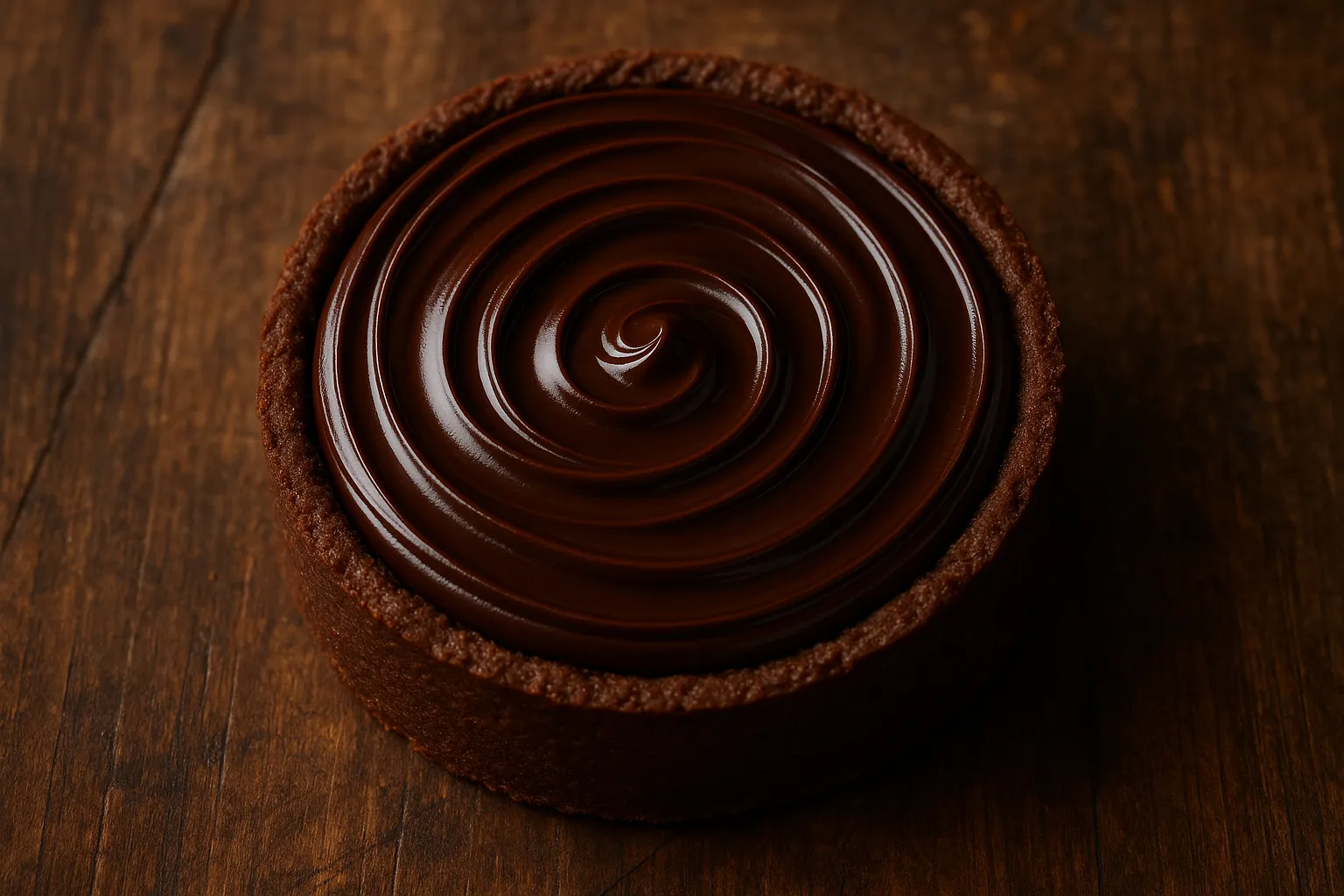
Chocolate Pastry: Calories, Nutrition and Health Benefits
Indulgent chocolate dessert that can fit into a balanced lifestyle when enjoyed mindfully and in moderation.
Quick Nutrition Facts
Per 1 Piece (100g)
| Nutrient | Amount |
|---|---|
| Calories | 380 kcal |
| Protein | 6g |
| Carbohydrates | 48g |
| Fiber | 2.5g |
| Sugars | 30g |
| Fat | 18g |
| Saturated Fat | 10g |
| Sodium | 250mg |
| Calcium | 60mg |
| Iron | 2mg |
Macronutrient Breakdown
 ChatGPT
  Claude
  AI Mode
  Perplexity
NUTRITIONIST INSIGHT
Choose dark chocolate pastries (70%+ cocoa) for more antioxidants and less sugar. Pair with protein-rich foods to slow sugar absorption and reduce blood glucose spikes.
Myth Busters
MYTH #1: All Chocolate Pastries Are Unhealthy
TRUTH: While calorie-dense, dark chocolate pastries provide flavonoids that support heart health. The key is portion control and choosing quality ingredients. Homemade versions using whole grain flour, dark chocolate, and reduced sugar offer better nutrition.
MYTH #2: Eating Desserts Always Causes Weight Gain
TRUTH: Weight management depends on total daily calories, not individual foods. A 380-calorie pastry fits into a 2,000-calorie diet when balanced with nutrient-dense meals. Strategic timing (after workouts, special occasions) prevents overconsumption.
MYTH #3: Chocolate Pastry Has No Nutritional Value
TRUTH: Quality chocolate pastries provide iron (2mg), calcium (60mg), and cocoa antioxidants. While not a health food, they offer more nutrition than many processed snacks.
MYTH #4: You Must Avoid Desserts to Be Healthy
TRUTH: Rigid food rules often lead to binge eating. Mindful indulgence reduces cravings and supports long-term dietary adherence. Including treats 1-2 times weekly prevents feelings of deprivation.
MYTH #5: Chocolate Causes Acne
TRUTH: Research shows chocolate itself doesn't cause acne. High sugar and dairy content in some pastries may affect skin in sensitive individuals. Dark chocolate (70%+ cocoa) rarely triggers breakouts.
MYTH #6: Eating Sweets Before Bed Ruins Sleep
TRUTH: While large portions may disrupt sleep, small servings provide tryptophan from chocolate that can promote relaxation. The sugar spike concern is overblown for modest portions eaten 2-3 hours before bedtime.
NutriScore by Health Goals
| Health Goal | NutriScore | Why This Score? |
|---|---|---|
| Weight Loss |  | 380 calories is significant (19% of 2,000-calorie diet). High sugar (30g) triggers cravings. Reserve for special occasions, eat small portions (1/4-1/2 piece). |
| Muscle Gain |  | Quick carbs (48g) useful post-workout for glycogen replenishment. Low protein (6g). Better options exist, but occasional treat supports adherence. |
| Diabetes Management |  | 30g sugar + 48g refined carbs cause significant blood sugar spikes. Only for rare special occasions, always with protein, in very small portions. |
| PCOS Management | | High sugar worsens insulin resistance central to PCOS. Avoid or choose dark chocolate versions with <15g sugar, limit to monthly treats. |
| Pregnancy Nutrition | | Safe occasionally for pregnancy cravings. Ensure freshly made, avoid raw eggs. Balance with nutrient-dense meals. Iron content (2mg) offers minor benefit. |
| Viral/Flu Recovery | | Provides quick energy when appetite is low. High sugar may suppress immune function temporarily. Better options: dark chocolate, fruit-based desserts. |
PERSONALIZED NUTRITION
Track your meals with NutriScan for personalized NutriScores based on your specific health goals!
Blood Sugar Response to Chocolate Pastry
Understanding the glycemic impact helps you make informed decisions about when and how to enjoy chocolate pastries.
Typical Glucose Response Curve
This chart shows typical blood glucose response for general healthy individuals. Individual responses may vary. Not medical advice.
How to Minimize the Spike
Strategic pairing and timing can significantly reduce the blood sugar impact:
- 🥜 Handful of nuts (almonds, walnuts) - Healthy fats slow glucose absorption
- 🧀 Small serving of cheese - Protein and fat combination stabilizes blood sugar
- 🥛 Greek yogurt - Protein slows carb digestion
- ☕ Black coffee or tea - May improve insulin sensitivity
Optimal Timing: Consume after meals with protein and fiber, or post-workout when insulin sensitivity is highest and muscles absorb glucose more efficiently.
Cultural Significance
Chocolate pastries represent a global culinary tradition spanning centuries and continents.
Historical Roots:
- Chocolate introduced to Europe from Aztec civilization in 1500s
- French pâtisserie elevated chocolate pastries to art form (1600s-1700s)
- Industrial revolution made chocolate accessible to masses (1800s)
- Modern fusion creates diverse regional variations worldwide
In India:
- Growing bakery culture blends European techniques with Indian flavors
- Popular celebrations feature chocolate pastries: birthdays, anniversaries, festivals
- Eggless versions cater to vegetarian preferences
- Local innovations: chocolate samosa, chocolate modak, fusion desserts
Global Variations:
- France: Pain au chocolat, éclair, profiterole
- Austria: Sachertorte (dense chocolate cake)
- Belgium: Chocolate puff pastry with pralines
- India: Chocolate barfi, chocolate peda fusion
Compare & Substitute
Chocolate Pastry vs Similar Desserts (Per 100g)
| Nutrient | 🍰 Chocolate Pastry | 🍫 Dark Chocolate (70%) | 🧁 Chocolate Muffin | 🍨 Chocolate Ice Cream |
|---|---|---|---|---|
| Calories | 380 kcal | 598 kcal | 360 kcal | 216 kcal |
| Carbs | 48g | 46g | 51g | 28g |
| Fiber | 2.5g | 11g | 2g | 1.2g |
| Protein | 6g | 8g | 5g | 3.8g |
| Fat | 18g | 43g | 15g | 11g |
| Sugar | 30g | 24g | 35g | 21g |
| Iron | 2mg | 12mg | 1.8mg | 0.9mg |
| Best For | Special occasions, celebration treats | Antioxidants, heart health, controlled portions | Quick snack, breakfast treat | Cooling dessert, lower calories |
Frequently Asked Questions
Can I eat chocolate pastry on a diet?
Yes, chocolate pastry can fit into a balanced diet when eaten mindfully. Success depends on portion control and frequency.
Strategies for inclusion:
- Portion Control: Eat half or share with someone (190 calories vs 380)
- Plan Ahead: Budget 380 calories by reducing other meals slightly
- Timing: Eat earlier in the day when metabolism is higher
- Pairing: Combine with protein (Greek yogurt, nuts) to slow sugar absorption
- Frequency: Limit to 1-2 times per week, not daily
Weight loss tip: Track with NutriScan app to see real-time impact on your daily calorie budget. Many people successfully lose weight while including weekly treats.
Is chocolate pastry bad for diabetes?
Chocolate pastry contains high sugar (30g) and refined carbs (48g) that spike blood sugar, making it challenging for diabetes management.
Diabetic considerations:
- High Glycemic Impact: Rapid blood sugar rise (see glucose chart above)
- Portion Critical: Very small portions only (1/4 piece maximum)
- Always Pair: Combine with protein or healthy fat (nuts, cheese)
- Timing: After protein-rich meals, never on empty stomach
- Frequency: Reserve for special occasions only (monthly maximum)
Better alternatives: Dark chocolate (70%+ cocoa) with lower sugar; sugar-free chocolate desserts; chocolate protein smoothies; homemade versions using almond flour and sugar substitutes.
Always monitor blood sugar 2 hours after eating and consult your healthcare provider for personalized guidance.
How many calories are in a chocolate pastry?
Chocolate pastry calories vary significantly by size and ingredients:
Standard Servings:
- Small piece (50g): 190 calories
- Medium piece (100g): 380 calories (most common)
- Large piece (150g): 570 calories
- Bakery serving (200g): 760 calories
Calorie breakdown: 48g carbs (192 cal), 18g fat (162 cal), 6g protein (24 cal). Fat and carbs contribute most calories.
Context: 380 calories equals 2 bowls of oatmeal; 3 medium bananas; 1 hour moderate cycling to burn.
Use NutriScan's photo scanning to accurately track calories from bakery pastries of varying sizes.
What are healthier alternatives to chocolate pastry?
Several alternatives satisfy chocolate cravings with better nutrition profiles:
Lower-Calorie Options:
- Dark Chocolate (70%+ cocoa) - 50g piece: 299 cal, high antioxidants, less sugar
- Banana Nice Cream with cocoa - 150 cal per serving, natural sweetness, fiber
- Greek Yogurt + Dark Chocolate Chips - 200 cal, 15g protein, probiotics
- Chocolate Protein Smoothie - 250 cal, 25g protein, satisfies sweet cravings
- Homemade Chocolate Energy Balls (dates, nuts, cocoa) - 100 cal per ball, whole foods
Healthier Pastry Versions:
- Whole grain flour instead of refined white flour
- Dark chocolate (70%+) instead of milk chocolate
- Reduced sugar (stevia, monk fruit sweeteners)
- Avocado or Greek yogurt replacing some butter
- Add nuts for protein and healthy fats
These alternatives provide 30-50% fewer calories while delivering more nutrients.
Can pregnant women eat chocolate pastry?
Yes, pregnant women can enjoy chocolate pastry occasionally as part of a balanced diet.
Safety Guidelines:
- Ensure Freshness: Choose reputable bakeries, avoid stale items
- Check Ingredients: Confirm pasteurized eggs and dairy (raw eggs risk salmonella)
- Caffeine Awareness: One piece contains ~20-30mg caffeine (safe within 200mg daily limit)
- Portion Control: Stick to small servings due to high sugar content
Pregnancy Benefits (modest):
- Satisfies chocolate cravings healthily vs binge eating
- Iron content (2mg) supports increased blood volume needs
- Psychological well-being from occasional treats
- Dark chocolate versions may improve placental function
Best practices: Balance with nutrient-dense meals; choose dark chocolate versions; limit to 1-2 times weekly; pair with protein or fiber.
Does chocolate pastry provide any health benefits?
While primarily an indulgence food, quality chocolate pastries offer modest benefits:
Potential Benefits:
- Cocoa Flavonoids: Support cardiovascular health, improve blood flow
- Antioxidants: Dark chocolate provides polyphenols that reduce inflammation
- Mood Enhancement: Chocolate compounds (theobromine, phenylethylamine) boost endorphins
- Iron Content: 2mg per piece supports hemoglobin production
- Quick Energy: Useful pre-workout or for active individuals
Important Context: These benefits apply more to dark chocolate (70%+ cocoa) than milk chocolate pastries. The high sugar and calories typically outweigh benefits unless consumed very moderately.
Healthier Approach: For maximum antioxidants with minimal downsides, choose plain dark chocolate (70-85% cocoa) over pastries (598 calories per 100g but eaten in smaller portions).


Similar Nutritious Foods
4505 Chicharrones Classic Chili Salt
7 Eleven Japan Crispy Corn Cheese
Explore More Nutrition Tools & Resources
AI Calorie Counter App - Snap a Photo, Get Macros
AI Nutritionist App That Reads Your Logged Meals
Best Protein Supplements for Women
Bulking Meal Plan App That Sets Your Surplus
ChatGPT Calorie Counter Alternative That Keeps the Total
ChatGPT Diet Plan Alternative That Tracks What You Eat
ChatGPT Weight Loss Coach Alternative With a Food Log
Fast Food Calorie Counter App That Reads the Tray
Free Calorie Tracker App with AI Photo Scans | NutriScan
Indian Diet Plan App With Veg and Non Veg Meals
Indian Food Calorie Calculator - Get Instant Nutrition Facts for Desi Meals — 2026
Intermittent Fasting for Women, Timer and Meal Log App
Intermittent Fasting Tracker App - Free Fasting Timer
Macro Tracker App That Fills the Numbers From a Photo
Mediterranean Diet Meal Plan App That Counts the Oil
Micronutrient Tracker App for Vitamins and Minerals
MyFitnessPal Alternative That Stays Free | NutriScan
NutriScore App: A Free Grade on Every Meal | NutriScan
Nutrition Label Scanner App for the Amount You Ate
Second Trimester Protein Guide
Vegetarian Meal Plan App With a Protein Target
Voice Calorie Counter - Speak to Track Meals Hands-Free
Water and Calorie Tracker App - Free Water Log