Chole: Chickpeas Curry - Calories, Nutrition and Health Benefits
India's beloved legume staple packed with protein, fiber, and essential minerals for muscle building, digestive health, and sustained energy.
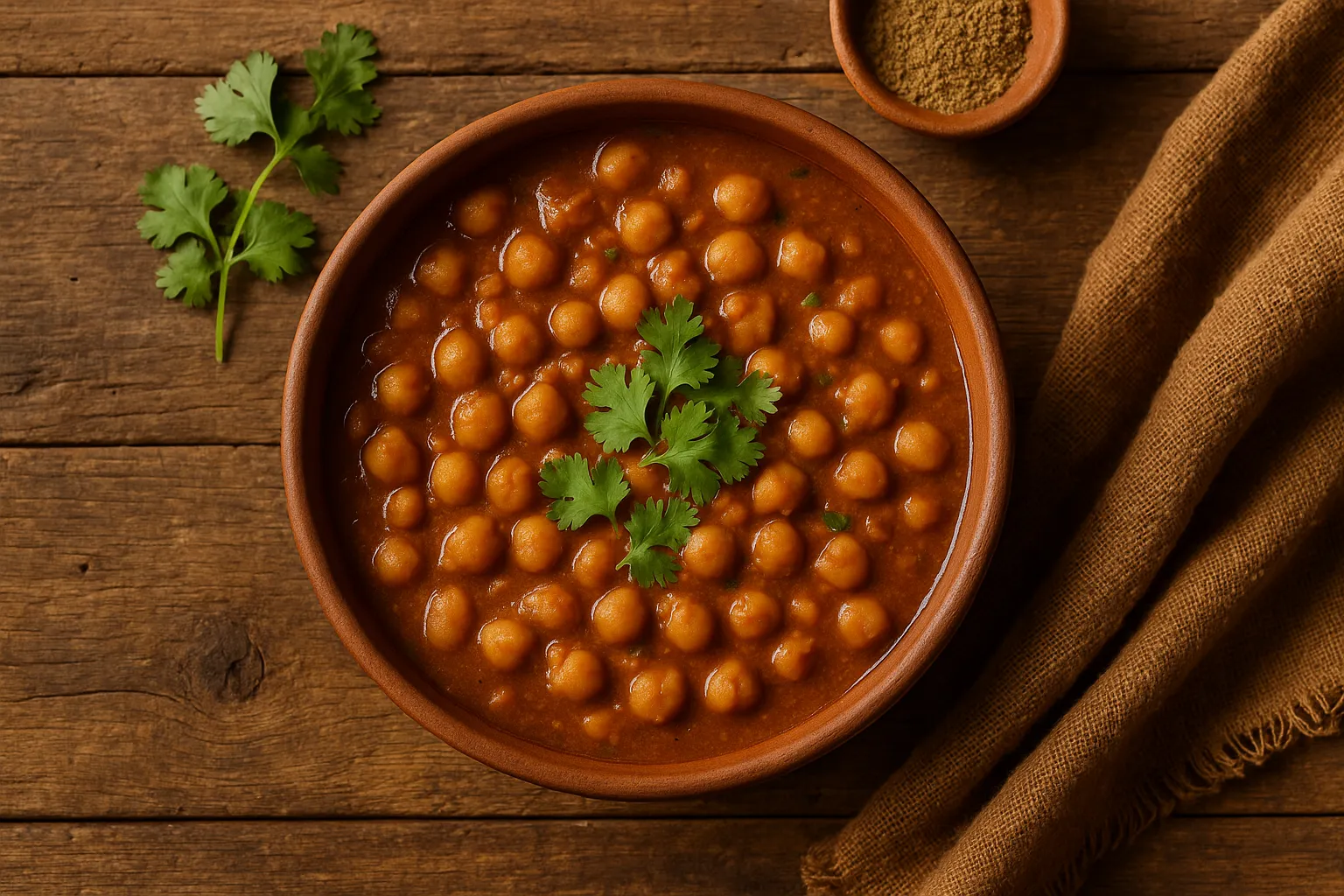
Quick Nutrition Facts
Per 1 Cup Cooked Chole (164g)
| Nutrient | Amount |
|---|---|
| Calories | 270 kcal |
| Protein | 15g |
| Carbohydrates | 45g |
| Fiber | 12g |
| Sugars | 8g |
| Fat | 4.2g |
| Iron | 8.5mg |
| Manganese | 1.7mg |
| Folate | 282mcg |
| Magnesium | 80mg |
Macronutrient Breakdown
 ChatGPT
  Claude
  AI Mode
  Perplexity
NUTRITIONIST INSIGHT
Chole (chickpeas) is one of India's most nutritious legumes. A single cup provides 15g of plant-based protein—equivalent to 2 eggs—plus 12g of fiber for digestive health. The resistant starch in cooked, cooled chickpeas improves insulin sensitivity and aids weight management.
Myth Busters
MYTH #1: Chickpeas Cause Weight Gain
TRUTH: Chole supports weight loss when portion-controlled. One cup has 270 calories but 12g of fiber promotes satiety. The resistant starch in cooled chole improves fat metabolism. Best practice: 3/4 cup serving, 3-4 times per week.
MYTH #2: Diabetics Cannot Eat Chole
TRUTH: Chole has a low glycemic index (28) and soluble fiber slows glucose absorption. Pair with vegetables or whole grains. Monitor blood sugar response and eat 1/2 to 3/4 cup portions.
MYTH #3: Chole is Too High in Carbs
TRUTH: 45g carbs per cup come packaged with 12g fiber. Net carbs: 33g—excellent for energy without blood sugar spikes. The low GI (28) means slower glucose release compared to white rice.
MYTH #4: Chickpeas Cause Bloating
TRUTH: Proper preparation prevents bloating. Soak for 8+ hours and rinse thoroughly. Cook until soft. Introduce gradually if new to legumes. Combine with ginger, ajwain (carom), or fennel to aid digestion.
MYTH #5: Chole is Only a Side Dish
TRUTH: Chole is a complete protein source. 15g plant protein per cup rivals meat. Pair with rice (complete amino acids), roti, or salad for full meals. Essential for vegetarians and muscle-building diets.
MYTH #6: Raw or Undercooked Chickpeas are Nutritious
TRUTH: Raw chickpeas contain anti-nutrients that reduce mineral absorption. Always cook properly: soak 8 hours, boil 45-60 minutes, or pressure cook 10 minutes. Cooked chole is safer and more digestible.
NutriScore by Health Goals
| Health Goal | NutriScore | Why This Score? |
|---|---|---|
| Weight Loss |  | 270 calories, 12g fiber promotes fullness; resistant starch aids fat burning. Limit to 3/4 cup, pair with vegetables. |
| Muscle Gain |  | 15g plant protein per cup equals 2 eggs; 45g carbs replenish glycogen. Perfect post-workout with rice for complete amino acids. |
| Diabetes Management | | Low GI (28); 12g fiber slows glucose. Choose 1/2 cup; pair with protein/fat. Monitor blood sugar response after meals. |
| PCOS Management | | Good protein (15g) supports hormone balance; fiber aids insulin sensitivity. Limit to 3/4 cup; combine with leafy greens for micronutrients. |
| Pregnancy Nutrition | | 282mcg folate reduces neural tube defects; iron (8.5mg) prevents anemia; protein supports fetal growth. |
| Viral/Flu Recovery | | Easy to digest, gentle on stomach; iron boosts immunity; warm chole-rice (khichdi) is traditional Ayurvedic healing food. |
PERSONALIZED NUTRITION
Track your meals with NutriScan for personalized NutriScores based on your specific health goals!
Blood Sugar Response to Chole
Understanding how chole affects your blood glucose helps optimize meal timing and pairings for your health goals.
Typical Glucose Response Curve
*This chart shows typical blood glucose response for general healthy individuals. Individual responses may vary. Not medical advice.*
How to Flatten the Spike
Pairing chole with protein or healthy fat slows glucose absorption and reduces the peak blood sugar level:
- 🥚 Boiled eggs - Complete protein, pairs well with chole salad
- 🥛 Greek yogurt or curd (dahi) - Protein and probiotics for digestion
- 🌿 Leafy greens (spinach, kale) - Fiber and minimal carbs
- 🌰 Nuts (almonds, walnuts) - Healthy fats, mineral-rich
This combination slows carb absorption, prevents energy crashes, and keeps you satisfied longer.
Cultural Significance
Chole (chickpeas) has been cultivated in India for over 5,000 years and holds deep cultural and nutritional significance.
In India:
- Staple protein source for vegetarians and low-income families
- Chole Bhature: iconic North Indian street food pairing
- Chaat items: Chole Chaat, Pani Puri filling—beloved street snacks
- Ayurveda uses chole for protein, energy, and digestive balance
- Religious significance: offered in temples during festivals
- Soak and sprout for Navratri (spring festival) fasting
Global Impact:
- Second most-consumed legume globally after lentils
- Hummus staple in Middle Eastern cuisine (made from chickpeas)
- Chickpea flour (besan) essential in Indian baking
- Rising popularity in Western plant-based diets for protein
- Sustainably grown: nitrogen-fixing crop improves soil health
Compare & Substitute
Chole vs Similar Legumes (Per 100g cooked)
| Nutrient | 🍲 Chole | 🟤 Lentils | 🫘 Kidney Beans | ⚫ Black Beans |
|---|---|---|---|---|
| Calories | 164 kcal | 116 kcal | 127 kcal | 132 kcal |
| Protein | 9.2g | 9g | 8.7g | 8.9g |
| Carbs | 27.4g | 20g | 23g | 24g |
| Fiber | 7.3g | 7.9g | 6.4g | 8.7g |
| Fat | 2.6g | 0.4g | 0.4g | 0.5g |
| Iron | 5.2mg | 6.5mg | 2.5mg | 3.6mg |
| Folate | 172mcg | 181mcg | 130mcg | 149mcg |
| Best For | Muscle gain, plant protein | Low fat, quick cooking (20min) | Kidney disease (lower potassium) | Antioxidants, easy digestion |
Frequently Asked Questions
Are chickpeas good for muscle gain?
Absolutely. Chole provides 15g plant-based protein per cup—equivalent to 2 eggs or 2 oz of meat. The 45g of carbohydrates replenish glycogen for recovery. Pair with rice for complete amino acid profile; eat post-workout within 30 minutes.
Best practice: 1 cup cooked chole + 1/2 cup rice + vegetables = complete muscle-building meal (40g protein, 60g carbs).
Can diabetics eat chole?
Yes, chole is diabetic-friendly. Glycemic Index: 28 (low); 12g fiber slows glucose absorption; resistant starch (in cooled chole) improves insulin sensitivity. Eat 1/2 to 3/4 cup portions; pair with protein or fat; monitor blood sugar 2 hours after meals.
Tip: Chole + leafy greens + tomato salad minimizes blood sugar impact.
How much protein is in chole?
One cup cooked chole: 15 grams of plant protein. This equals 2 eggs, 2 oz chicken, or 1/2 cup paneer. Essential for vegetarians, vegans, and anyone building muscle. Combine with grains (rice, roti) for complete amino acids.
Is chole good for weight loss?
Yes. 270 calories per cup with 12g fiber promotes satiety and reduces overeating. Resistant starch (in cooled chole) increases fat burning. Avoid heavy gravies with coconut oil; use spices instead. Limit to 3/4 cup per serving.
Weight loss formula: Chole + leafy greens + minimal oil + whole grain = nutrient-dense, low-calorie meal.
What are the main health benefits of chole?
Top 5 Benefits:
- Muscle Building: 15g plant protein per cup
- Digestive Health: 12g fiber supports gut bacteria and bowel regularity
- Blood Sugar Control: Low GI (28), slows glucose absorption
- Iron for Energy: 8.5mg supports oxygen transport; crucial for vegetarians
- Bone Health: Manganese (1.7mg) supports bone mineralization
How often can I eat chole?
Ideally 3-4 times per week for most people. Daily consumption may cause bloating if not accustomed to high fiber. Proper preparation is key: soak 8+ hours, rinse, cook thoroughly.
Intro strategy: Start with 1/2 cup, 2x weekly; gradually increase to 1 cup, 4x weekly over 2-3 weeks.
Does chole cause bloating?
Not if prepared correctly. Raw/undercooked chickpeas contain oligosaccharides (hard-to-digest sugars). Proper soaking and cooking eliminates them. Add ginger, ajwain (carom seeds), or fennel while cooking to aid digestion.
Preparation: Soak 8+ hours → drain → cook 45-60 minutes (or 10 min in pressure cooker) → drain excess water.
Can I eat canned chole?
Yes, canned chole is convenient and equally nutritious. Drain brine, rinse, and reheat. Watch sodium (300-500mg per cup); rinse well to reduce. Dry/soak your own chole for lowest sodium and cost-effectiveness.




Similar Nutritious Legumes & Foods
4505 Chicharrones Classic Chili Salt
7 Eleven Japan Crispy Corn Cheese
Explore More Nutrition Tools & Resources
AI Calorie Counter App - Snap a Photo, Get Macros
AI Nutritionist App That Reads Your Logged Meals
Best Protein Supplements for Women
Bulking Meal Plan App That Sets Your Surplus
ChatGPT Calorie Counter Alternative That Keeps the Total
ChatGPT Diet Plan Alternative That Tracks What You Eat
ChatGPT Weight Loss Coach Alternative With a Food Log
Fast Food Calorie Counter App That Reads the Tray
Free Calorie Tracker App with AI Photo Scans | NutriScan
Indian Diet Plan App With Veg and Non Veg Meals
Indian Food Calorie Calculator - Get Instant Nutrition Facts for Desi Meals — 2026
Intermittent Fasting for Women, Timer and Meal Log App
Intermittent Fasting Tracker App - Free Fasting Timer
Macro Tracker App That Fills the Numbers From a Photo
Mediterranean Diet Meal Plan App That Counts the Oil
Micronutrient Tracker App for Vitamins and Minerals
MyFitnessPal Alternative That Stays Free | NutriScan
NutriScore App: A Free Grade on Every Meal | NutriScan
Nutrition Label Scanner App for the Amount You Ate
Second Trimester Protein Guide
Vegetarian Meal Plan App With a Protein Target
Voice Calorie Counter - Speak to Track Meals Hands-Free
Water and Calorie Tracker App - Free Water Log