Chole (Chickpeas): Calories, Nutrition and Health Benefits
India's beloved legume—packed with plant-based protein, fiber, and nutrients. A versatile staple for every meal and health goal.
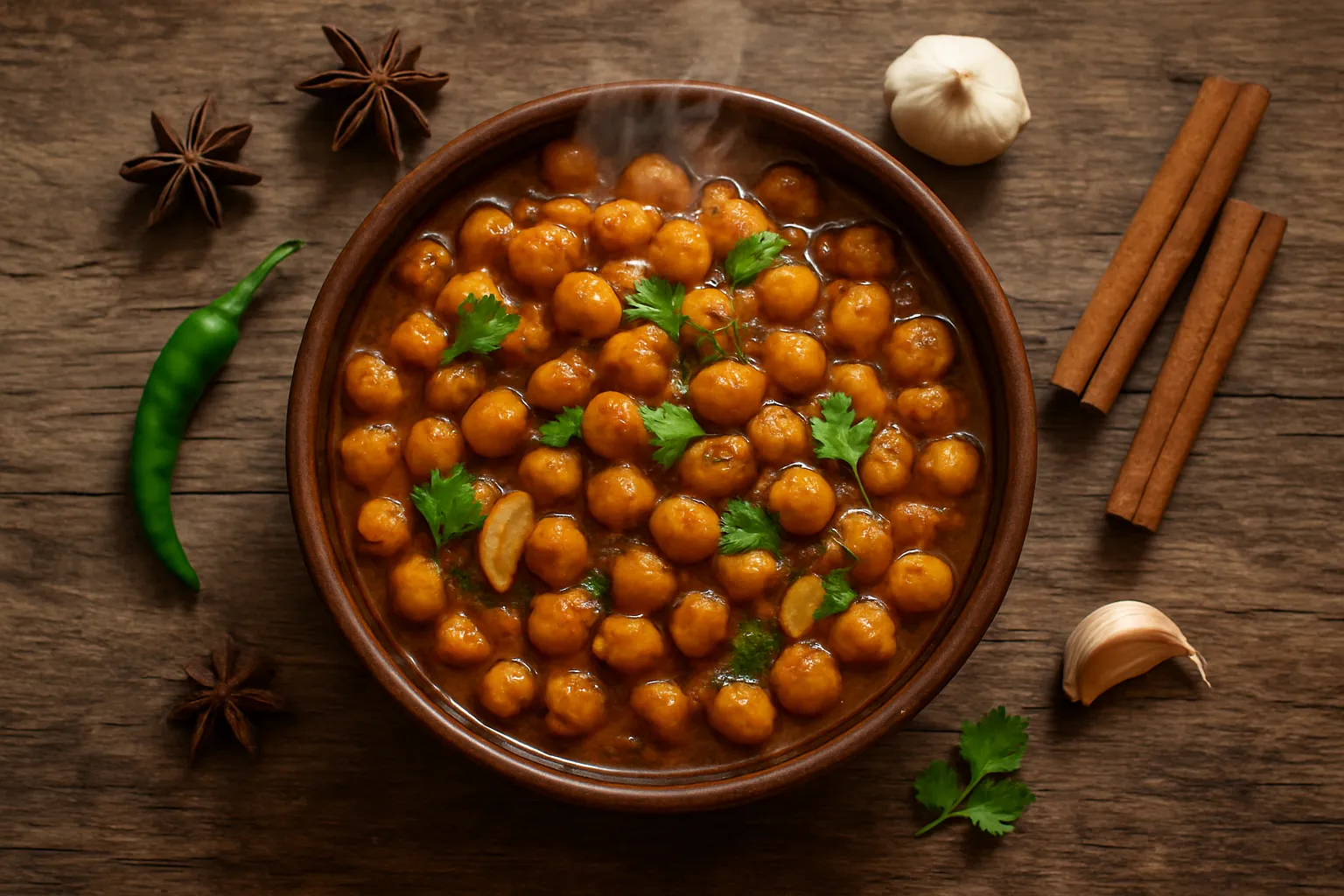
Quick Nutrition Facts
Per 1 Cup Cooked Chickpeas (164g)
| Nutrient | Amount |
|---|---|
| Calories | 269 kcal |
| Protein | 15g |
| Carbohydrates | 45g |
| Fiber | 12g |
| Sugars | 8g |
| Fat | 4g |
| Iron | 4.7mg |
| Magnesium | 79mg |
| Potassium | 477mg |
| Folate | 282mcg |
Macronutrient Breakdown
 ChatGPT
  Claude
  AI Mode
  Perplexity
NUTRITIONIST INSIGHT
Chickpeas are a nutritional powerhouse for vegetarians and omnivores alike. With 15g protein per cup, they're among the highest-protein legumes. The 12g fiber (40% daily value) feeds beneficial gut bacteria and improves cholesterol and blood sugar control. Pair with whole grains for complete amino acid profile.
Myth Busters
MYTH #1: Chickpeas Are Too Starchy and Bad for Weight Loss
TRUTH: Chickpeas have a low glycemic index (28) and high satiety score. Studies show legume consumption is associated with 0.5 kg less body weight per year. The high fiber slows digestion, preventing blood sugar spikes.
MYTH #2: Plant Protein Isn't Complete Without Meat
TRUTH: One cup chickpeas (15g) + one cup rice (4g) = 19g complete protein with all 9 essential amino acids. This traditional dal-rice combination has sustained Indian populations for millennia.
MYTH #3: Canned Chickpeas Have Lost Their Nutrients
TRUTH: Canning preserves most nutrients. Some water-soluble vitamins and polyphenols may leach into liquid, but protein and fiber remain intact. Simply drain and rinse to reduce excess sodium (up to 400mg per can).
MYTH #4: Chickpeas Cause Bloating in Everyone
TRUTH: Soaking dried chickpeas 8-12 hours and discarding water reduces oligosaccharides (gas-causing compounds) by up to 90%. Gradual consumption helps your microbiota adapt. Properly prepared chickpeas rarely cause issues.
MYTH #5: Chickpeas Are Only for Vegetarians
TRUTH: Chickpeas benefit everyone. Regular legume consumption (including by meat-eaters) is associated with 14% lower cardiovascular disease risk. Add to salads, curries, grain bowls, and soups.
MYTH #6: Chickpeas Lack Iron Like Vegetables
TRUTH: One cup cooked chickpeas provides 4.7mg iron (26% DV for women, 59% for men). Combined with vitamin C-rich foods (tomatoes, lemon) iron absorption improves 3-4x. Chole bhature with tomato chutney = bioavailable iron.
NutriScore by Health Goals
| Health Goal | NutriScore | Why This Score? |
|---|---|---|
| Weight Loss |  | 15g protein + 12g fiber = sustained fullness. Low GI (28) prevents blood sugar spikes. Portion: ½ cup (135 cal) as a side dish or 1 cup (269 cal) as main protein. |
| Muscle Gain | | 15g complete plant protein, 45g carbs for glycogen replenishment. Combine with grains (rice, roti) and pair with vitamin C for iron absorption and muscle recovery. |
| Diabetes Management | | Low glycemic index (28), resistant starch improves insulin sensitivity. Fiber content (12g) slows digestion. Include in every meal type. |
| PCOS Management | | Plant-based protein supports hormonal balance. Low GI prevents insulin spikes. Minerals (magnesium, iron) address PCOS deficiencies. Excellent legume choice for PCOS diets. |
| Pregnancy Nutrition | | Folate-rich (282mcg = 70% DV) essential for fetal development. Protein supports placental growth. Iron supports increased blood volume. Safe, accessible legume throughout pregnancy. |
| Viral/Flu Recovery | | Soft texture easy to digest, complete protein for immune repair, easily absorbed iron, warming spices traditional in Ayurvedic recovery meals (turmeric, ginger chole). |
PERSONALIZED NUTRITION
Track your meals with NutriScan for personalized NutriScores based on your specific health goals!
Blood Sugar Response to Chickpeas
Chickpeas have one of the lowest glycemic responses among starches due to resistant starch and soluble fiber.
Typical Glucose Response Curve
This chart shows typical blood glucose response for general healthy individuals. Individual responses may vary. Not medical advice.
How to Flatten the Spike Further
Pairing chickpeas with fat, protein, and vinegar creates even flatter glucose curves:
- 🍋 Lemon or vinegar - Acetic acid slows starch digestion
- 🥄 Olive oil or ghee - Healthy fat slows carb absorption
- 🥒 Pickled/fermented foods - Probiotics improve insulin sensitivity
- 🌶️ Spices (turmeric, cumin) - Anti-inflammatory, blood sugar stabilizing
Traditional chole bhature or chole salad with lemon dressing and pickles represents optimal pairing science.
Cultural Significance
Chickpeas (chole) are woven into Indian food culture and history.
In India:
- Cultivated in India for 7,000+ years; it's the largest chickpea producer globally (70% of world supply)
- Chole bhature—spiced chickpea curry with fried bread—iconic North Indian breakfast and street food
- Chole chaat (roasted, spiced chickpea snack) consumed across India as healthy street food
- In Ayurveda, chickpeas are considered balancing for vata and pitta doshas
- Religious significance: offered in temples, part of traditional fasting meals
- Regional variations: chole masala (curry), chikhalwali (sprouted), roasted chole (snack)
Global Impact:
- Mediterranean hummus (chickpea paste) staple for 2,000+ years
- Falafel (fried chickpea balls) street food across Middle East and North Africa
- Modern health movement embracing chickpeas as sustainable, high-protein plant food
- Climate resilience: chickpeas thrive in water-scarce regions, key to food security
Compare & Substitute
Chickpeas vs Similar Legumes (Per 100g Cooked)
| Nutrient | 🫘 Chickpeas | 🫛 Black Beans | 🔴 Red Lentils | 🟢 Green Lentils |
|---|---|---|---|---|
| Calories | 164 kcal | 132 kcal | 116 kcal | 116 kcal |
| Carbs | 27g | 24g | 20g | 20g |
| Fiber | 7.6g | 8.4g | 1.9g | 3.3g |
| Protein | 9g | 8.9g | 9g | 9g |
| Fat | 2.6g | 0.5g | 0.4g | 0.4g |
| Iron | 2.9mg | 3.6mg | 6.6mg | 6.6mg |
| Folate | 172mcg | 149mcg | 159mcg | 181mcg |
| Best For | Complete protein, mild | Fiber, antioxidants, salads | Quick cooking, dal, soups | Texture, green chutney pairing |
Frequently Asked Questions
Are chickpeas good for weight loss?
Yes, chickpeas are excellent for weight loss. Research shows legume consumers have 30% lower weight gain over time. High protein (15g) and fiber (12g) promote fullness for hours.
Best practices: Enjoy ½–1 cup daily; pair with vegetables and whole grains; use olive oil-based dressings; avoid heavy creams. Chole salad with lemon dressing beats creamy versions significantly.
Can diabetics eat chickpeas?
Absolutely. Chickpeas are among the best foods for diabetes. Low glycemic index (28), high soluble fiber (12g), and resistant starch all improve insulin sensitivity.
Tips for diabetics: One cup cooked chickpeas; combine with grains for complete meal; always include protein; monitor portion with rice/roti; measure portions consistently.
How much protein is in chickpeas?
One cup cooked chickpeas (164g) contains 15g protein—a substantial amount for plant-based eaters. Combined with 1 cup cooked rice (4g), you get 19g complete protein with all 9 essential amino acids.
Protein pairing: Chole rice; chole bhature (fried bread); chole salad with nuts; chickpea curry with roti.
What are the main health benefits of chickpeas?
Key benefits: Plant-based protein for muscle; soluble fiber for heart health and digestion; folate for cell division and pregnancy; iron for oxygen transport; polyphenols (antioxidants) reducing inflammation and disease risk; resistant starch feeding beneficial gut bacteria.
Regular chickpea consumption improves cholesterol, blood pressure, blood sugar, and weight management.
When is the best time to eat chickpeas?
Timing depends on goal:
- Weight Loss: Lunch with vegetables and whole grains for afternoon satiety
- Muscle Gain: Post-workout with carbs (rice) for recovery and glycogen replenishment
- Diabetes: Any meal paired with protein/fat to minimize glucose impact
- General Health: Daily in various preparations (salads, curries, roasted snacks)
Are dried or canned chickpeas better?
Nutritionally equivalent. Dried chickpeas (soaked 8-12 hours) may retain slightly more polyphenols; canning reduces oligosaccharides (gas compounds) through heat treatment. For convenience, canned is fine; just drain excess sodium (up to 400mg per can).
Tip: Soak dried chickpeas overnight, discard water, cook fresh. This minimizes bloating for sensitive digestive systems.
How do I prevent chickpea-related bloating?
Proper soaking reduces oligosaccharides by 90%. Soak dried chickpeas 8-12 hours, discard water, cook. Or gradually increase portions weekly so your microbiota adapts. Pair with ginger, cumin, or fennel spices that reduce gas.
Can I eat chickpeas every day?
Yes. Daily chickpea consumption (½–1 cup) is safe and beneficial. Vary preparation: curries, salads, roasted, hummus, sprouted. This ensures diverse nutrient intake and prevents palate boredom.


Similar Nutritious Legumes
4505 Chicharrones Classic Chili Salt
7 Eleven Japan Crispy Corn Cheese
Explore More Nutrition Tools & Resources
AI Calorie Counter App - Snap a Photo, Get Macros
AI Nutritionist App That Reads Your Logged Meals
Best Protein Supplements for Women
Bulking Meal Plan App That Sets Your Surplus
ChatGPT Calorie Counter Alternative That Keeps the Total
ChatGPT Diet Plan Alternative That Tracks What You Eat
ChatGPT Weight Loss Coach Alternative With a Food Log
Fast Food Calorie Counter App That Reads the Tray
Free Calorie Tracker App with AI Photo Scans | NutriScan
Indian Diet Plan App With Veg and Non Veg Meals
Indian Food Calorie Calculator - Get Instant Nutrition Facts for Desi Meals — 2026
Intermittent Fasting for Women, Timer and Meal Log App
Intermittent Fasting Tracker App - Free Fasting Timer
Macro Tracker App That Fills the Numbers From a Photo
Mediterranean Diet Meal Plan App That Counts the Oil
Micronutrient Tracker App for Vitamins and Minerals
MyFitnessPal Alternative That Stays Free | NutriScan
NutriScore App: A Free Grade on Every Meal | NutriScan
Nutrition Label Scanner App for the Amount You Ate
Second Trimester Protein Guide
Vegetarian Meal Plan App With a Protein Target
Voice Calorie Counter - Speak to Track Meals Hands-Free
Water and Calorie Tracker App - Free Water Log