Cloudberry: Calories, Nutrition and Health Benefits
Rare Arctic golden berry treasured across Scandinavia, packed with 4x more vitamin C than oranges and powerful antioxidants.
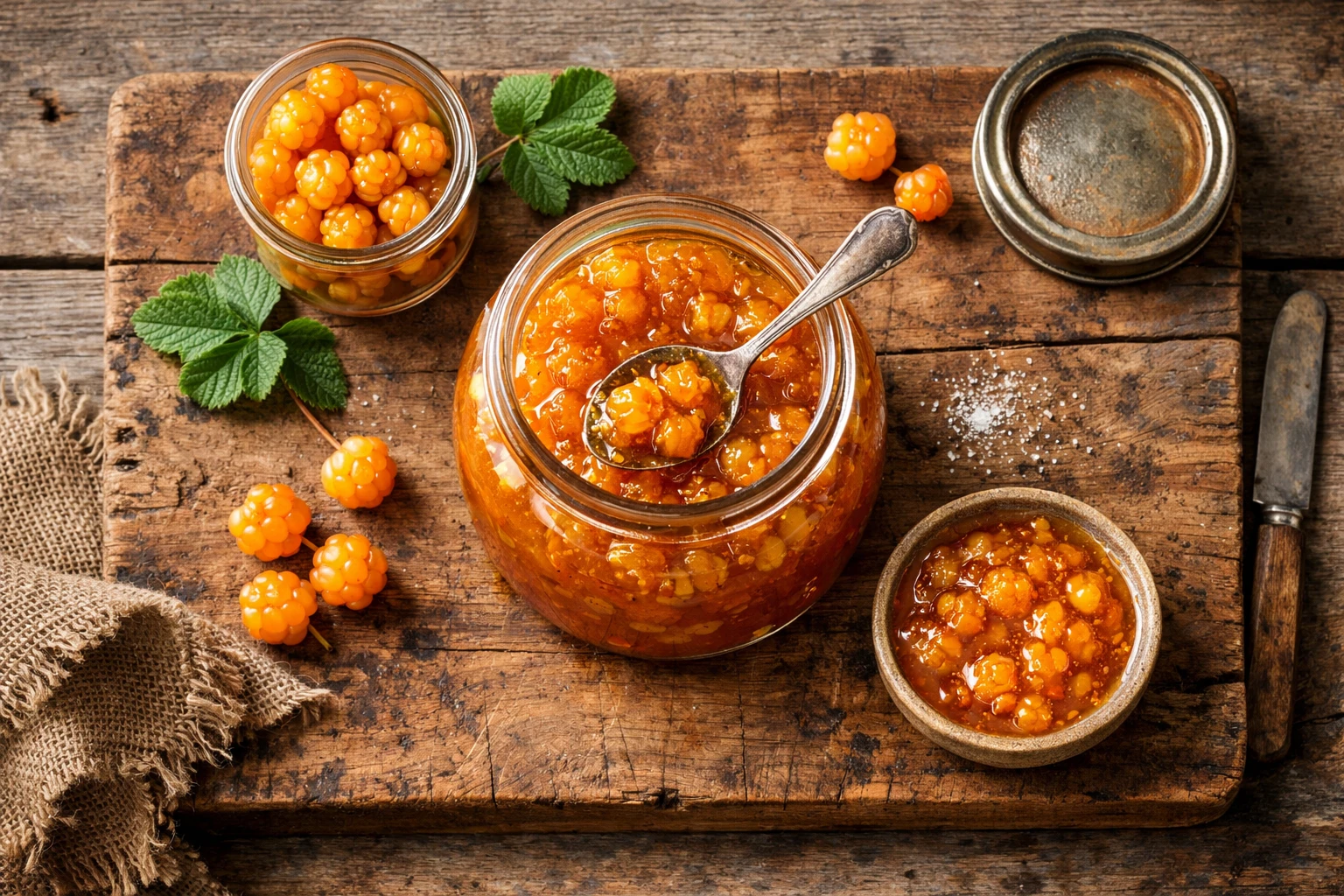
Quick Nutrition Facts
Per 100g Serving
| Nutrient | Amount |
|---|---|
| Calories | 51 kcal |
| Protein | 2g |
| Carbohydrates | 10g |
| Fiber | 6g |
| Sugars | 4g |
| Fat | 0g |
| Vitamin C | 158mg (176% DV) |
| Vitamin E | 2.4mg (16% DV) |
| Vitamin A | 210 IU |
| Ellagic Acid | High |
Macronutrient Breakdown
 ChatGPT
  Claude
  AI Mode
  Perplexity
NUTRITIONIST INSIGHT
Cloudberries contain 158mg vitamin C per 100g (176% DV), making them one of nature's richest sources - 4 times more than oranges. Their unique polyphenol profile includes ellagic acid, a powerful antioxidant studied for cancer prevention.
Myth Busters
MYTH #1: Cloudberries Are Just Like Other Berries
TRUTH: Cloudberries are nutritionally superior to most berries with 158mg vitamin C per 100g (vs 59mg in strawberries), 6g fiber, and unique bioactive compounds like ellagic acid and benzoic acid that other berries lack in such concentrations.
MYTH #2: You Can Grow Cloudberries at Home
TRUTH: Cloudberries cannot be commercially cultivated and grow only wild in Arctic and subarctic bogs above 58°N latitude. They require specific soil conditions, cold climates, and long daylight hours. All cloudberries are wild-harvested, making them a precious Nordic treasure.
MYTH #3: Cloudberries Are Too Tart to Eat Fresh
TRUTH: Fresh cloudberries have a complex tart-sweet flavor with honey and floral notes. While tart, they're delicious eaten fresh, especially when fully ripe and golden-orange. Nordic cultures enjoy them fresh with cream, in jams, or as dessert toppings.
MYTH #4: Frozen Cloudberries Lose Nutrients
TRUTH: Freezing preserves 85-95% of vitamin C and antioxidants in berries, making frozen cloudberries an excellent year-round option. Commercial quick-freezing locks in nutrients at peak ripeness, ensuring quality outside harvest season.
MYTH #5: Cloudberries Are High in Sugar
TRUTH: Cloudberries contain only 4g natural sugars per 100g (vs 7g in raspberries, 10g in blueberries). The 6g fiber further reduces glycemic impact, making cloudberries suitable for blood sugar control and weight management.
MYTH #6: Cloudberries Are Only for Desserts
TRUTH: Nordic cuisine uses cloudberries in savory dishes too - with game meats, in sauces for salmon, and as condiments for cheese. The tart-sweet profile complements fatty meats and fish, adding vitamin C and balancing richness.
NutriScore by Health Goals
| Health Goal | NutriScore | Why This Score? |
|---|---|---|
| Weight Loss |  | Only 51 calories with 6g fiber promotes fullness, vitamin C supports fat metabolism, low sugar content. |
| Muscle Gain |  | Low calorie but rich in vitamin C for collagen synthesis and recovery, antioxidants reduce inflammation. |
| Diabetes Management | | Only 10g carbs with 6g fiber, low glycemic load. Polyphenols improve insulin sensitivity. |
| PCOS Management | | Low sugar, high fiber, rich antioxidants reduce inflammation and support hormone balance. |
| Pregnancy Nutrition | | 158mg vitamin C (176% DV) for immune support and iron absorption, fiber prevents constipation, folate for development. |
| Viral/Flu Recovery | | Exceptional vitamin C (176% DV) boosts immunity, antioxidants fight inflammation, easy to digest. |
PERSONALIZED NUTRITION
Track your meals with NutriScan for personalized NutriScores based on your specific health goals!
Blood Sugar Response to Cloudberries
Understanding how cloudberries affect blood glucose helps with diabetes management and weight control.
Typical Glucose Response Curve
*This chart shows typical blood glucose response for general healthy individuals. Individual responses may vary. Not medical advice.*
How to Optimize the Response
Pairing cloudberries with protein or healthy fat further stabilizes blood sugar and enhances nutrient absorption:
- 🥛 Skyr or Greek yogurt - Adds protein and probiotics, traditional Nordic pairing
- 🥜 Almond butter or nuts - Provides healthy fats and protein
- 🍚 Oatmeal porridge - Adds complex carbs and fiber for sustained energy
- 🧈 Heavy cream or coconut cream - Traditional topping that slows sugar absorption
These combinations create balanced meals with minimal blood sugar impact and enhanced satiety.
Cultural Significance
Cloudberries have been treasured in Nordic cultures for thousands of years, considered "Arctic gold" for their rarity and nutritional value.
In Scandinavia:
- National symbol of Finland; depicted on Finnish 2 euro coin
- Norwegian "multebær" harvested in July-August during peak Arctic summer
- Swedish "hjortron" traditionally served with whipped cream or ice cream
- Finnish "lakka" used in liqueurs, jams, and desserts
- Protected by law in some regions; harvesting rights carefully regulated
Cultural Traditions:
- Served at special occasions including weddings and Midsummer celebrations
- Cloudberry jam is a traditional accompaniment to leipäjuusto (Finnish bread cheese)
- Indigenous Sámi people have harvested cloudberries for centuries as vitamin C source
- Symbolizes resilience and beauty of Arctic wilderness
Global Impact:
- Cannot be cultivated commercially; all berries are wild-harvested
- Growing interest in Nordic superfoods driving demand and research
- Climate change threatens cloudberry habitats and harvest seasons
- Sustainable harvesting practices essential to preserve Arctic ecosystems
Compare & Substitute
Cloudberry vs Similar Berries (Per 100g)
| Nutrient | 🫐 Cloudberry | 🍓 Strawberry | 🫐 Blueberry | 🍒 Sea Buckthorn |
|---|---|---|---|---|
| Calories | 51 kcal | 32 kcal | 57 kcal | 82 kcal |
| Carbs | 10g | 7.7g | 14g | 8.5g |
| Fiber | 6g | 2g | 2.4g | 3.3g |
| Protein | 2g | 0.7g | 0.7g | 1.5g |
| Fat | 0g | 0.3g | 0.3g | 7g |
| Vitamin C | 158mg (176% DV) | 59mg (66% DV) | 10mg (11% DV) | 200mg (222% DV) |
| Vitamin E | 2.4mg (16% DV) | 0.3mg (2% DV) | 0.6mg (4% DV) | 5mg (33% DV) |
| Antioxidants | High ellagic acid | Moderate anthocyanins | High anthocyanins | Highest (flavonoids) |
| Best For | Immunity, rare Arctic treat | Weight loss, low-calorie | Brain health, antioxidants | Immunity, omega-7 |
Frequently Asked Questions
Are cloudberries good for immunity?
Yes, cloudberries are excellent for immunity. They provide 158mg vitamin C per 100g (176% DV), which is 4 times more than oranges; vitamin C enhances white blood cell function and antibody production; ellagic acid and polyphenols reduce inflammation; consume fresh or frozen for maximum immune benefits.
Can diabetics eat cloudberries?
Yes, diabetics can eat cloudberries. They have only 10g carbs per 100g with 6g fiber, resulting in low glycemic load; the fiber and polyphenols help regulate blood sugar; vitamin C improves insulin sensitivity; consume fresh or frozen without added sugar; pair with protein for optimal blood sugar control.
How much vitamin C is in cloudberries?
Cloudberries contain 158mg of vitamin C per 100g, which is 176% of the daily value. This makes them one of the richest natural sources of vitamin C, surpassing oranges (53mg), strawberries (59mg), kiwi (93mg), and most other fruits; only sea buckthorn and certain tropical fruits contain more.
What are the main health benefits of cloudberries?
Key Benefits: 158mg vitamin C (176% DV) for immunity and collagen production; 6g fiber for digestive health and satiety; ellagic acid for antioxidant protection and cellular health; vitamin E for skin health and anti-aging; omega-3 and omega-6 from seeds for heart health; benzoic acid for natural preservation and antimicrobial effects.
Are cloudberries rare?
Yes, cloudberries are rare and precious. They grow only in Arctic and subarctic regions above 58°N latitude (Norway, Sweden, Finland, Alaska, Canada); require specific bog and wetland conditions; cannot be commercially cultivated; wild harvesting is the only source; climate change threatens habitats; considered a Nordic delicacy worth protecting.
How do cloudberries taste?
Cloudberries have a unique tart-sweet flavor with floral and honey notes. They taste like a combination of apricots, red currants, and raspberries with distinct tartness when fresh; fully ripe berries (golden-orange) are sweeter; cooking or sweetening brings out honeyed sweetness; traditionally served with cream, sugar, or in jams to balance tartness.
Can I substitute cloudberries with other berries?
Partial substitutes: lingonberries for tartness; golden raspberries for color; sea buckthorn for vitamin C; strawberries for sweetness. No perfect substitute exists due to cloudberry's unique flavor, 158mg vitamin C, and cultural significance; frozen cloudberries or cloudberry jam are best alternatives when fresh unavailable. Track with NutriScan app to compare nutrition.




Similar Nutritious Foods
4505 Chicharrones Classic Chili Salt
7 Eleven Japan Crispy Corn Cheese
Explore More Nutrition Tools & Resources
AI Calorie Counter App - Snap a Photo, Get Macros
AI Nutritionist App That Reads Your Logged Meals
Best Protein Supplements for Women
Bulking Meal Plan App That Sets Your Surplus
ChatGPT Calorie Counter Alternative That Keeps the Total
ChatGPT Diet Plan Alternative That Tracks What You Eat
ChatGPT Weight Loss Coach Alternative With a Food Log
Fast Food Calorie Counter App That Reads the Tray
Free Calorie Tracker App with AI Photo Scans | NutriScan
Indian Diet Plan App With Veg and Non Veg Meals
Indian Food Calorie Calculator - Get Instant Nutrition Facts for Desi Meals — 2026
Intermittent Fasting for Women, Timer and Meal Log App
Intermittent Fasting Tracker App - Free Fasting Timer
Macro Tracker App That Fills the Numbers From a Photo
Mediterranean Diet Meal Plan App That Counts the Oil
Micronutrient Tracker App for Vitamins and Minerals
MyFitnessPal Alternative That Stays Free | NutriScan
NutriScore App: A Free Grade on Every Meal | NutriScan
Nutrition Label Scanner App for the Amount You Ate
Second Trimester Protein Guide
Vegetarian Meal Plan App With a Protein Target
Voice Calorie Counter - Speak to Track Meals Hands-Free
Water and Calorie Tracker App - Free Water Log