Coconut Flakes: Calories, Nutrition and Health Benefits
Nutrient-dense tropical superfood packed with healthy fats, MCTs, and fiber for sustainable energy and metabolism support.
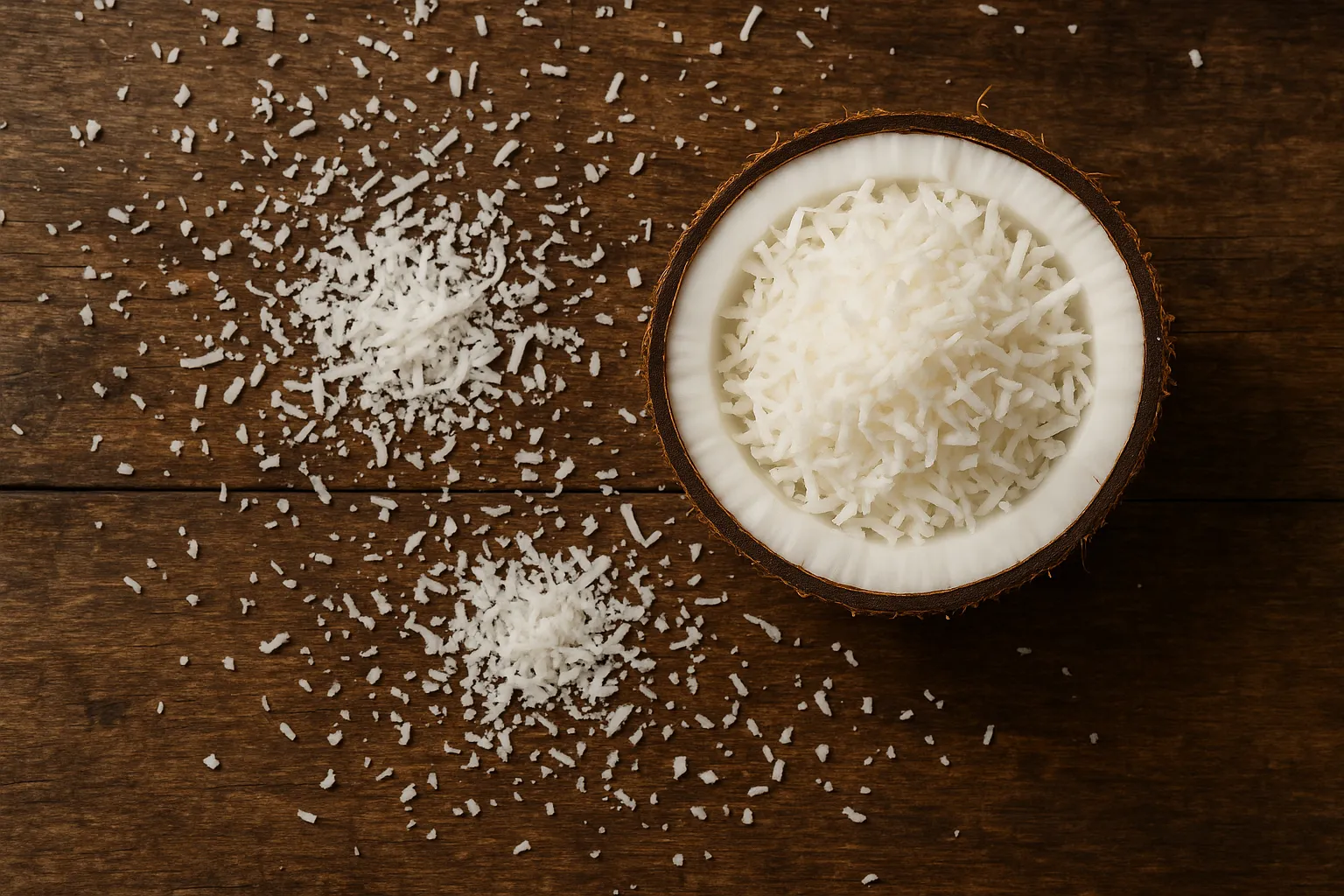
Quick Nutrition Facts
Per 1 Cup Unsweetened (28g)
| Nutrient | Amount |
|---|---|
| Calories | 187 kcal |
| Protein | 2g |
| Carbohydrates | 7g |
| Fiber | 4.6g |
| Sugars | 1.3g |
| Fat | 18g |
| Saturated Fat | 16g |
| Manganese | 0.9mg |
| Copper | 0.3mg |
| Iron | 2.1mg |
Macronutrient Breakdown
 ChatGPT
  Claude
  AI Mode
  Perplexity
NUTRITIONIST INSIGHT
Coconut flakes contain 18g of healthy fats per 28g serving, predominantly MCTs (medium-chain triglycerides) that bypass normal fat digestion and convert directly to energy. The 4.6g fiber supports digestive health and satiety while keeping net carbs low (2.4g).
Myth Busters
MYTH #1: Coconut Fat Is Unhealthy Saturated Fat
TRUTH: Coconut's saturated fat is primarily lauric acid and MCTs, which have antimicrobial and metabolic benefits different from long-chain saturated fats. Studies show MCTs may increase calorie burn and reduce body fat.
MYTH #2: Coconut Flakes Are Too High in Calories
TRUTH: While coconut is calorie-dense (187 per 28g), the MCTs are rapidly absorbed and converted to energy rather than stored as fat. The high fiber promotes fullness, reducing overall calorie intake. Quality over quantity applies here.
MYTH #3: Sweetened and Unsweetened Are Nutritionally Similar
TRUTH: Sweetened coconut flakes contain 14-15g added sugar per serving versus 1.3g in unsweetened. This dramatically affects blood sugar response, making unsweetened the clear choice for health-conscious consumers.
MYTH #4: Coconut Oil and Coconut Flakes Have Identical Benefits
TRUTH: Flakes retain more fiber (4.6g vs 0g in oil) and phytonutrients. Oil is pure fat, while flakes include the whole coconut meat with minerals, antioxidants, and satisfying texture for recipes.
MYTH #5: Coconut Raises Cholesterol
TRUTH: Recent research shows coconut MCTs don't negatively impact cholesterol profiles and may support heart health. Moderation and overall diet quality matter more than any single ingredient.
MYTH #6: All Coconuts Are High in Sodium
TRUTH: Unsweetened coconut flakes contain only trace amounts of sodium (<23mg per 28g). Sweetened varieties may have slightly more, but neither approaches problematic levels compared to processed foods.
NutriScore by Health Goals
| Health Goal | NutriScore | Why This Score? |
|---|---|---|
| Weight Loss |  | High calorie density (187 per 28g) requires portion control. MCTs boost metabolism, but limit to 1-2 tbsp daily. Best in recipes rather than as standalone snacks. |
| Muscle Gain |  | MCTs provide quick energy for workouts, 2g protein supports recovery. Use in post-workout smoothies with protein powder and healthy carbs for optimal results. |
| Diabetes Management |  | Low fiber-to-carb ratio (4.6g fiber, 7g net carbs). High fat slows digestion. Limit strictly to 1 tablespoon, choose unsweetened, pair with protein. Monitor blood sugar closely. |
| PCOS Management | | MCTs support hormonal balance; fiber aids insulin sensitivity. Limit to 1-2 tbsp in recipes. Unsweetened only. Can be part of balanced PCOS meals with proper portion control. |
| Pregnancy Nutrition | | Copper (0.3mg) supports fetal development; manganese aids bone formation. Iron (2.1mg) aids oxygen transport. Use moderately in recipes for nutritional diversity. |
| Viral/Flu Recovery |  | Lauric acid has antimicrobial properties; easy to digest fat provides quick energy. MCTs support immune function. 1-2 tbsp in warm drinks aids recovery and hydration. |
PERSONALIZED NUTRITION
Track your meals with NutriScan for personalized NutriScores based on your specific health goals!
Blood Sugar Response to Coconut Flakes
Unsweetened coconut flakes have minimal impact on blood glucose due to low carb content and high fiber ratio.
Typical Glucose Response Curve
This chart shows typical blood glucose response for general healthy individuals. Individual responses may vary. Not medical advice.
Why Coconut Flakes Have Low Glycemic Impact
The 4.6g fiber per 28g serving slows carbohydrate absorption, resulting in minimal blood sugar spike. Pair with protein-rich foods to further flatten any response:
- 🥑 Avocado or nut butters - Healthy fats enhance satiety
- 🥛 Greek yogurt or cottage cheese - Protein stabilizes blood sugar
- 🥚 Nuts and seeds - Fiber and protein combination
- 🍗 Lean protein - Offsets carb absorption
This combination maximizes nutrient absorption while maintaining stable energy levels throughout the day.
Cultural Significance
Coconut has been cultivated for over 4,500 years and is central to tropical and subtropical cuisines worldwide.
In India:
- Essential ingredient in South Indian curries, chutneys, and desserts
- Ayurvedic medicine uses coconut for cooling, nourishing properties
- Coconut water offered in Hindu and Buddhist ceremonies
- Major crop in Kerala, Tamil Nadu, and Karnataka regions
- Coconut oil (coconut tel) traditional in Ayurveda for hair and skin
Global Impact:
- Grown in 93 countries; provides income for 12+ million farmers
- Every part utilized: meat, water, oil, husk, trunk, leaves
- Third most important food crop after rice and wheat in tropical regions
Compare & Substitute
Coconut Flakes vs Similar High-Fat Foods (Per 100g)
| Nutrient | 🥥 Coconut Flakes (Unsweetened) | 🥜 Peanut Butter | 🌰 Almonds | 🌻 Sunflower Seeds |
|---|---|---|---|---|
| Calories | 660 kcal | 588 kcal | 579 kcal | 584 kcal |
| Carbs | 24g | 20g | 22g | 20g |
| Fiber | 16.4g | 6g | 12.5g | 8.6g |
| Protein | 7g | 25g | 21g | 21g |
| Fat | 64g | 50g | 50g | 51g |
| MCTs | High (unique benefit) | None | None | None |
| Copper | 1.1mg | 0.4mg | 1mg | 1.5mg |
| Best For | Quick energy, recipes | Muscle gain, satiety | Heart health, texture | Vitamin E, plant-based option |
Frequently Asked Questions
Are coconut flakes good for weight loss?
Coconut flakes can support weight loss when used strategically. The high fiber (4.6g) and MCTs promote satiety and may increase metabolism by 3-5%. However, they're calorie-dense at 187 per 28g, so portion control is essential. Best practice: limit to 1-2 tablespoons daily, incorporate into recipes rather than eating straight, and pair with protein sources.
Can diabetics eat coconut flakes?
Diabetics should use extreme caution. Choose unsweetened only; limit to 1 tablespoon daily; always pair with protein or healthy fat; monitor blood sugar response individually. The 7g carbs per 28g serving with 4.6g fiber leaves just 2.4g net carbs, but fat content may slow digestion unpredictably.
What are MCTs and how do they help metabolism?
MCTs (medium-chain triglycerides) bypass normal fat digestion and go directly to the liver, where they're converted to energy or ketones. Research shows MCTs increase daily calorie expenditure by 3-5% compared to long-chain fats. They're especially useful for endurance athletes and those following ketogenic diets.
How much protein is in coconut flakes?
Coconut flakes contain only 2g of protein per 28g serving, making them insufficient as a primary protein source. Combine with Greek yogurt, protein powder, nuts, or seeds to create balanced meals that leverage coconut's MCT benefits alongside adequate protein for muscle support.
What are the main health benefits of coconut flakes?
Coconut flakes deliver MCTs for rapid energy and potential metabolic boost; fiber (4.6g) for digestive and cardiovascular health; manganese for bone strength; copper for iron metabolism; and lauric acid with antimicrobial properties. Unsweetened varieties provide antioxidants without added sugar.
Is sweetened or unsweetened coconut flakes better?
Unsweetened is vastly superior nutritionally. Sweetened varieties contain 14-15g added sugar per 28g serving (more than a candy bar), causing dramatic blood sugar spikes unsuitable for any health goal. Always choose unsweetened and check labels carefully—some brands may have hidden sugars.
How should I use coconut flakes in my diet?
Best practices: Add 1-2 tbsp to smoothies, yogurt parfaits, or oatmeal; sprinkle on curries or stir-fries for authentic flavor; use in baking (substitute for part of flour); combine with nuts for trail mixes; blend into nut butters. Always measure portions and pair with protein.
Are coconut flakes dairy-free and vegan-friendly?
Yes, unsweetened coconut flakes are naturally dairy-free and vegan-friendly, making them ideal for plant-based diets. They provide healthy fats and calories for those avoiding animal products. Combine with plant-based proteins (hemp seeds, legumes, tofu) for complete nutrition.
What's the difference between shredded coconut and flakes?
Flakes are larger pieces with more texture, while shredded is finer and more uniform. Nutritionally identical per weight. Flakes work better in recipes requiring texture (toppings, baking); shredded works better in batters, fillings, and curries. Choose based on recipe preference rather than nutrition.


Similar Nutritious Foods
4505 Chicharrones Classic Chili Salt
7 Eleven Japan Crispy Corn Cheese
Explore More Nutrition Tools & Resources
AI Calorie Counter App - Snap a Photo, Get Macros
AI Nutritionist App That Reads Your Logged Meals
Best Protein Supplements for Women
Bulking Meal Plan App That Sets Your Surplus
ChatGPT Calorie Counter Alternative That Keeps the Total
ChatGPT Diet Plan Alternative That Tracks What You Eat
ChatGPT Weight Loss Coach Alternative With a Food Log
Fast Food Calorie Counter App That Reads the Tray
Free Calorie Tracker App with AI Photo Scans | NutriScan
Indian Diet Plan App With Veg and Non Veg Meals
Indian Food Calorie Calculator - Get Instant Nutrition Facts for Desi Meals — 2026
Intermittent Fasting for Women, Timer and Meal Log App
Intermittent Fasting Tracker App - Free Fasting Timer
Macro Tracker App That Fills the Numbers From a Photo
Mediterranean Diet Meal Plan App That Counts the Oil
Micronutrient Tracker App for Vitamins and Minerals
MyFitnessPal Alternative That Stays Free | NutriScan
NutriScore App: A Free Grade on Every Meal | NutriScan
Nutrition Label Scanner App for the Amount You Ate
Second Trimester Protein Guide
Vegetarian Meal Plan App With a Protein Target
Voice Calorie Counter - Speak to Track Meals Hands-Free
Water and Calorie Tracker App - Free Water Log