Coca-Cola (Coke): Calories, Nutrition and Health Impact
The world's most popular soft drink - high in sugar and calories with zero nutritional value. Understanding its impact on your health.
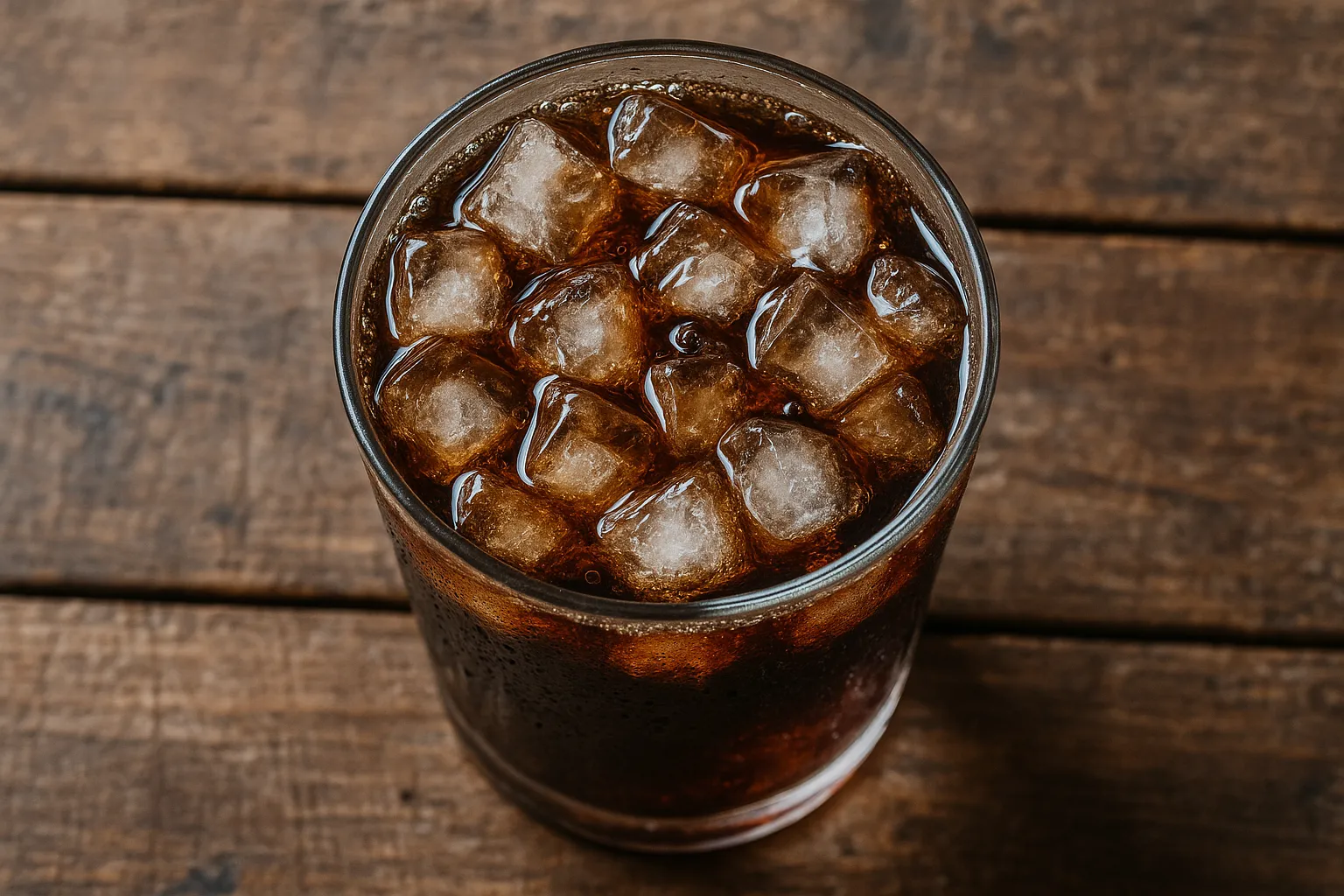
Quick Nutrition Facts
Per 1 Can (330ml)
| Nutrient | Amount |
|---|---|
| Calories | 139 kcal |
| Protein | 0g |
| Carbohydrates | 35g |
| Sugars | 35g |
| Fat | 0g |
| Sodium | 10mg |
| Caffeine | 34mg |
| Fiber | 0g |
| Vitamins | 0 |
| Minerals | None |
Macronutrient Breakdown
 ChatGPT
  Claude
  AI Mode
  Perplexity
NUTRITIONIST INSIGHT
Coca-Cola provides 139 empty calories with zero nutrients. A single can contains 35g sugar - exceeding WHO's daily recommendation for women (25g). Regular consumption is linked to weight gain, diabetes, and dental erosion.
Myth Busters
MYTH #1: Diet Coke Is Just As Bad As Regular Coke
TRUTH: While artificial sweeteners have concerns, Diet Coke has zero calories and doesn't spike blood sugar. For diabetics and weight loss, it's significantly better than regular Coke, though water remains the ideal choice.
MYTH #2: Coke Can Be Part of a Balanced Diet
TRUTH: Added sugars should be limited to <10% of daily calories. One can of Coke provides 35g (140 calories) of pure sugar with zero nutrients - this is not "balanced" but rather empty calories that displace nutritious foods.
MYTH #3: Coke Helps With Digestion
TRUTH: Coke does not aid digestion. The carbonation can cause bloating, and the acidity (pH 2.5) can irritate the stomach lining and contribute to acid reflux. The phosphoric acid may interfere with calcium absorption.
MYTH #4: One Coke Per Day Won't Hurt
TRUTH: Daily soda consumption increases diabetes risk by 26%. One can daily adds 50,750 empty calories yearly (14.5 pounds of potential weight gain). Small daily habits compound over time.
MYTH #5: Coke Zero Has No Sugar, So It's Healthy
TRUTH: While Coke Zero contains no sugar or calories, it's not "healthy." Artificial sweeteners may alter gut bacteria and taste preferences. It's better than regular Coke but doesn't provide hydration, nutrients, or health benefits.
MYTH #6: Coke Is Better Than Fruit Juice
TRUTH: While both are high in sugar, 100% fruit juice provides vitamins, minerals, and antioxidants. Coke offers only added sugar and calories. Neither should be consumed daily, but juice has nutritional merit.
NutriScore by Health Goals
| Health Goal | NutriScore | Why This Score? |
|---|---|---|
| Weight Loss |  | 139 empty calories, 35g sugar promotes fat storage, increases hunger. Eliminate completely for weight loss success. |
| Muscle Gain |  | Zero protein, pure sugar causes insulin spikes without supporting muscle recovery. Not recommended; choose chocolate milk or protein shakes instead. |
| Diabetes Management | | 35g sugar causes dangerous blood sugar spikes. Avoid completely. Diet versions are acceptable alternatives if needed. |
| PCOS Management | | High sugar worsens insulin resistance, a core PCOS issue. Avoid to improve symptoms and hormone balance. |
| Pregnancy Nutrition | | Excess sugar during pregnancy increases gestational diabetes risk. Provides zero nutrients for fetal development. Avoid entirely. |
| Viral/Flu Recovery | | Sugar suppresses immune function temporarily. Choose water, coconut water, or diluted juice for hydration and nutrients. |
PERSONALIZED NUTRITION
Track your meals with NutriScan to understand how drinks impact your health goals!
Blood Sugar Response to Coke
Understanding how Coca-Cola affects your blood glucose reveals why it's problematic for metabolic health.
Typical Glucose Response Curve
This chart shows typical blood glucose response. Coke causes rapid spike due to liquid sugar absorption. Not medical advice.
Why the Spike Is Dangerous
Liquid sugar is absorbed faster than solid food, causing a rapid blood glucose spike followed by an insulin surge. This pattern:
- 💥 Triggers fat storage - Excess glucose converts to fat
- 🍽️ Increases hunger - Insulin crash causes cravings 1-2 hours later
- ⚡ Reduces energy - Blood sugar crash leaves you fatigued
- 🔄 Creates addiction cycle - Cravings lead to repeated consumption
Better Alternatives for Thirst
If you crave Coke's fizz or sweetness, try these healthier options:
- 💧 Sparkling water with fresh lemon/lime - Zero calories, refreshing
- 🍋 Nimbu pani with stevia - Vitamin C, no sugar spike
- 🥥 Coconut water - Natural electrolytes, 45 calories per cup
- 🧊 Unsweetened iced tea - Antioxidants, optional stevia
Cultural Significance
Coca-Cola is more than a beverage - it's a global cultural icon since 1886.
Global Impact:
- Most recognized brand worldwide, available in 200+ countries
- Originally sold as a medicinal tonic containing coca leaf extract and kola nut
- Created by pharmacist John Pemberton in Atlanta, Georgia
- 1.9 billion servings consumed daily worldwide
In India:
- Launched in 1993 after earlier withdrawal in 1977
- Competes with local brands like Thums Up (acquired by Coca-Cola)
- Cultural debate around traditional drinks vs Western sodas
- Associated with celebrations, cricket matches, and fast food
Modern Context:
- Growing awareness of health impacts leading to declining consumption in developed countries
- Coca-Cola diversifying into water, juice, and zero-sugar options
- Sustainability concerns around plastic bottles and water usage
Compare & Substitute
Coke vs Beverage Alternatives (Per 330ml serving)
| Nutrient | 🥤 Coca-Cola | 🍊 Orange Juice (100%) | 🥥 Coconut Water | 💧 Sparkling Water w/ Lime |
|---|---|---|---|---|
| Calories | 139 kcal | 145 kcal | 60 kcal | 0 kcal |
| Carbs | 35g | 33g | 15g | 0g |
| Sugar | 35g (added) | 29g (natural) | 12g (natural) | 0g |
| Protein | 0g | 2g | 2g | 0g |
| Fiber | 0g | 0.8g | 0g | 0g |
| Sodium | 10mg | 3mg | 252mg | 0mg |
| Vitamin C | 0mg | 124mg (155% DV) | 8mg | 15mg (from lime) |
| Potassium | 0mg | 496mg (14% DV) | 600mg (17% DV) | 20mg |
| Best For | None | Occasional treat, Vit C | Post-workout hydration | Daily hydration, zero cal |
Frequently Asked Questions
How many calories are in a can of Coke?
A standard 330ml can contains 139 calories, all from 35g sugar. A 500ml bottle has 210 calories; 600ml has 252 calories.
These are empty calories - no protein, fiber, vitamins, or minerals. For context, 139 calories equals a medium banana (which provides fiber, potassium, vitamins) or 1.5 eggs (with protein and nutrients).
Can diabetics drink Coke?
No, regular Coca-Cola is not recommended for diabetics. 35g pure sugar causes rapid blood glucose spikes, worsening blood sugar control.
Better options for diabetics:
- Diet Coke or Coke Zero (zero sugar, zero calories)
- Unsweetened drinks (water, tea, coffee)
- Sparkling water with natural flavoring
- Coconut water (natural sugars with electrolytes)
Always monitor blood sugar response and consult your healthcare provider.
Is Coke bad for weight loss?
Yes, Coca-Cola is highly detrimental to weight loss:
- 139 empty calories provide no satiety
- 35g sugar triggers insulin spikes promoting fat storage
- Liquid calories don't reduce appetite like solid food
- Creates hunger-craving cycle within 1-2 hours
Impact: Eliminating one daily Coke removes 50,750 calories yearly (14.5 pounds potential weight gain). Studies show people who quit soda lose 5-10 pounds without other diet changes.
What are healthier alternatives to Coke?
Zero-Calorie Options:
- Sparkling water with fresh lime/lemon
- Unsweetened iced tea (green, black, herbal)
- Black coffee or espresso drinks without sugar
- Infused water (cucumber, mint, berries)
Low-Calorie Options (under 50 calories):
- Coconut water (45 cal, natural electrolytes)
- Fresh lime soda with stevia
- Cold-pressed vegetable juice diluted with water
- Kombucha (fermented tea, probiotics)
Occasional Treat Options:
- Fresh fruit juice diluted 50/50 with sparkling water
- Lassi made with low-fat yogurt
- Homemade jaljeera or aamras
How much sugar is in Coke?
35g sugar per 330ml can - equivalent to approximately 9 teaspoons of table sugar dissolved in water.
Daily limits:
- Women: WHO recommends max 25g daily (Coke exceeds this)
- Men: WHO recommends max 36g daily (one can nearly maxes out)
- Children: Max 12-25g based on age (one can far exceeds)
For perspective, the sugar in one Coke can equals 3.5 tablespoons of pure white sugar.
Does Coke have any nutritional benefits?
No, Coca-Cola provides zero nutritional benefits:
- Zero protein
- Zero fiber
- Zero vitamins
- Zero minerals (except negligible sodium)
- No antioxidants
- No beneficial compounds
The only contents are sugar, carbonated water, caffeine (34mg), caramel coloring, phosphoric acid, and natural flavors. It's classified as an "empty calorie" food - calories without nutrition.
What happens if I drink Coke every day?
Daily Coke consumption health impacts:
- Weight gain: 50,750 empty calories yearly (14.5 lbs potential gain)
- Diabetes risk: 26% increased risk of type 2 diabetes
- Dental erosion: pH 2.5 damages tooth enamel
- Bone health: Phosphoric acid may reduce calcium absorption
- Fatty liver: Excess fructose linked to non-alcoholic fatty liver disease
- Metabolic syndrome: Increased risk of heart disease, high blood pressure
One can daily over 10 years = 507,500 empty calories = potential 145-pound weight gain if not compensated.
Is Coke Zero healthier than regular Coke?
Coke Zero is significantly better for:
- Weight loss: Zero calories vs 139 calories
- Diabetes: No blood sugar spike
- Dental health: No sugar-related decay
But it's not "healthy":
- Artificial sweeteners (aspartame, acesulfame K) may affect gut bacteria
- May maintain sugar cravings and sweet taste preference
- Still acidic (pH 3.2), can erode tooth enamel
- Provides no hydration benefits vs water
Verdict: Better choice than regular Coke, but water/tea remain superior for health.


Similar Nutritious Foods
4505 Chicharrones Classic Chili Salt
7 Eleven Japan Crispy Corn Cheese
Explore More Nutrition Tools & Resources
AI Calorie Counter App - Snap a Photo, Get Macros
AI Nutritionist App That Reads Your Logged Meals
Best Protein Supplements for Women
Bulking Meal Plan App That Sets Your Surplus
ChatGPT Calorie Counter Alternative That Keeps the Total
ChatGPT Diet Plan Alternative That Tracks What You Eat
ChatGPT Weight Loss Coach Alternative With a Food Log
Fast Food Calorie Counter App That Reads the Tray
Free Calorie Tracker App with AI Photo Scans | NutriScan
Indian Diet Plan App With Veg and Non Veg Meals
Indian Food Calorie Calculator - Get Instant Nutrition Facts for Desi Meals — 2026
Intermittent Fasting for Women, Timer and Meal Log App
Intermittent Fasting Tracker App - Free Fasting Timer
Macro Tracker App That Fills the Numbers From a Photo
Mediterranean Diet Meal Plan App That Counts the Oil
Micronutrient Tracker App for Vitamins and Minerals
MyFitnessPal Alternative That Stays Free | NutriScan
NutriScore App: A Free Grade on Every Meal | NutriScan
Nutrition Label Scanner App for the Amount You Ate
Second Trimester Protein Guide
Vegetarian Meal Plan App With a Protein Target
Voice Calorie Counter - Speak to Track Meals Hands-Free
Water and Calorie Tracker App - Free Water Log