Cold Foam: Calories, Nutrition and Health Benefits
TikTok's beverage darling: airy fat-free milk foam lighter than whipped cream, delivering protein-packed indulgence with 114.5% YoY growth.
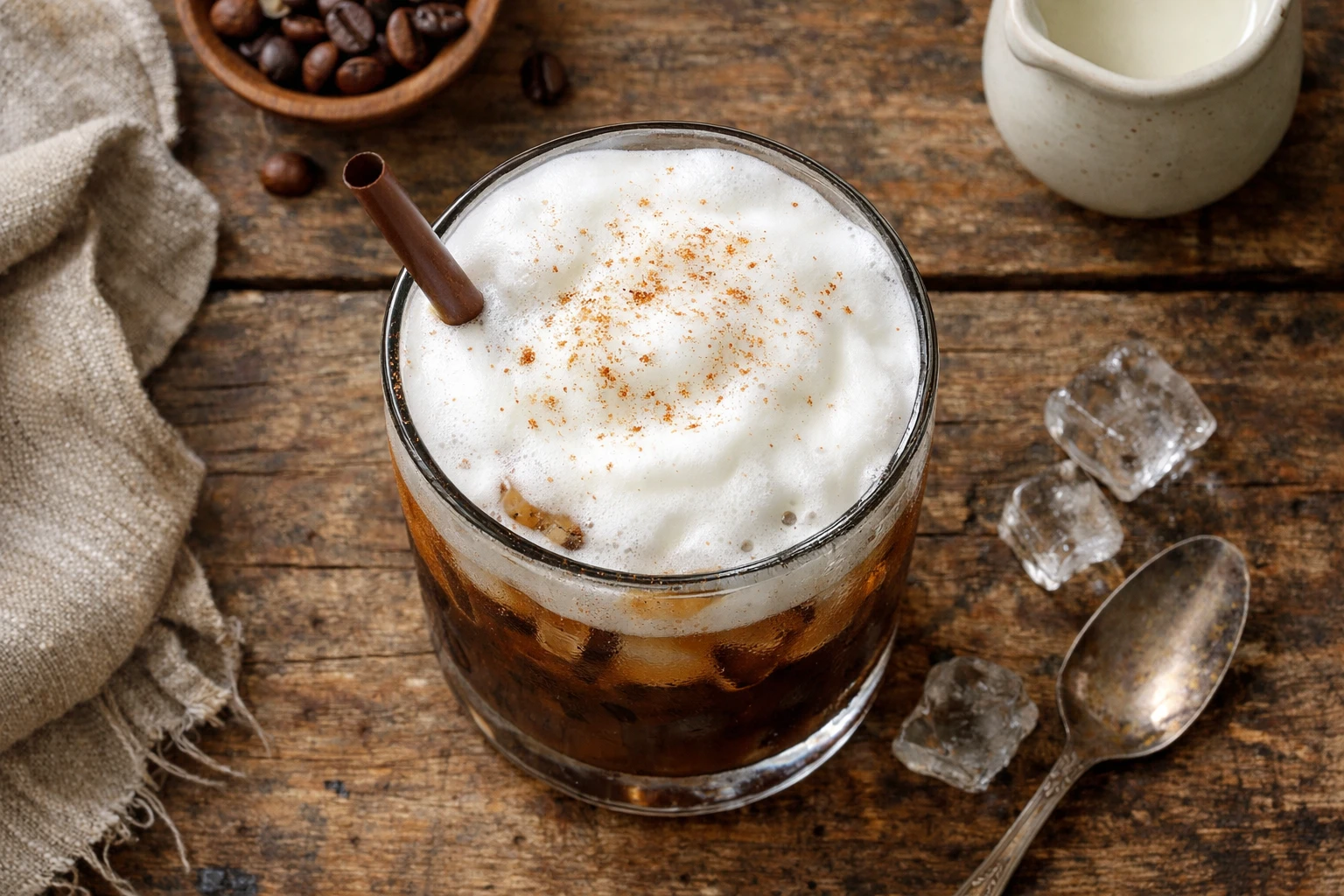
Quick Nutrition Facts
Per 1 Scoop Protein Cold Foam (~15g)
| Nutrient | Amount |
|---|---|
| Calories | 25 kcal |
| Protein | 6g |
| Carbohydrates | 1g |
| Fiber | 0g |
| Sugars | 0g |
| Fat | 0g |
| Sodium | 25mg |
Nondairy Cold Foam (~35 calories, lower protein)
Macronutrient Breakdown
 ChatGPT
  Claude
  AI Mode
  Perplexity
NUTRITIONIST INSIGHT
Cold foam revolutionizes coffee toppings with 6g protein and zero fat per scoop—lighter than whipped cream while boosting satiety. Choose protein versions for muscle recovery and appetite control.
Myth Busters
MYTH #1: Cold Foam Is Just Sweetened Milk
TRUTH: Protein cold foam uses nonfat milk whipped with air for airy texture; plain versions have 0g sugar and ~25 calories per scoop. Sweetened variants like vanilla sweet cream add 70 calories and 5g sugar—always check labels.
MYTH #2: Cold Foam Has No Nutritional Value
TRUTH: Protein cold foam delivers 6g protein per scoop—equivalent to a small egg—while adding creamy texture. Pre-made cold foam drinks contain 19-26g protein per grande, supporting muscle recovery and fullness.
MYTH #3: Nondairy Cold Foam Is Healthier Than Dairy
TRUTH: Nondairy cold foam averages ~35 calories per scoop versus dairy protein foam's ~25 calories; protein content varies by brand (often lower). Choose based on dietary restrictions, not assumed health superiority; both are low-calorie options when unsweetened.
MYTH #4: Cold Foam Is the Same as Whipped Cream
TRUTH: Cold foam is fat-free and lighter (~25 calories, 6g protein per scoop); whipped cream contains ~50 calories, 5g fat, 0g protein. Cold foam uses whipped nonfat milk; whipped cream uses heavy cream—nutritionally distinct toppings.
MYTH #5: All Cold Foam Is Low-Calorie
TRUTH: Plain protein cold foam is ~25 calories; flavored versions like vanilla sweet cream add 70 calories and 5g sugar per scoop. Pre-made cold foam drinks range 160-430 calories per grande depending on ingredients—always review nutrition labels.
NutriScore by Health Goals
| Health Goal | NutriScore | Why This Score? |
|---|---|---|
| Weight Loss |  | Only ~25 calories per scoop with 6g protein promotes fullness. Choose unsweetened; avoid flavored versions. |
| Muscle Gain | | 6g protein per scoop supports recovery; pre-made drinks offer 19-26g protein for post-workout convenience. |
| Diabetes Management | | Unsweetened protein foam has 0g sugar; pair with unsweetened beverages only. |
| PCOS Management | | Zero sugar, high protein supports blood sugar stability. Avoid sweet cream variants. |
| Pregnancy Nutrition |  | Safe protein source (6g per scoop); ensure pasteurized milk; moderate caffeine. |
| Viral/Flu Recovery | | Easy-to-digest protein for recovery; hydration from beverages. Not a primary recovery food. |
PERSONALIZED NUTRITION
Track your meals with NutriScan for personalized NutriScores based on your specific health goals!
Blood Sugar Response to Cold Foam
Cold foam itself has minimal blood sugar impact due to zero sugar content in protein versions. When paired with beverages, total response depends on base drink.
Typical Glucose Response Curve
*This chart shows blood glucose response for unsweetened protein cold foam on black coffee. Flavored versions cause higher spikes. Individual responses vary. Not medical advice.*
How to Optimize for Blood Sugar
Pair protein cold foam with zero-sugar beverages to minimize glucose impact:
- Black cold brew - Zero calories, zero sugar base
- Unsweetened iced tea - Antioxidants without sugar
- Plain espresso drinks - Skip syrups and sweeteners
- Sugar-free alternatives - Use stevia or monk fruit if needed
Avoid sweet cream or flavored foams with 5g+ sugar; protein content slows absorption but cannot eliminate glucose spikes from added sugars.
Cultural Significance
Cold foam emerged in specialty coffee culture in the mid-2010s, popularized by third-wave coffee shops seeking lighter alternatives to whipped cream.
In Modern Coffee Culture:
- TikTok drove 114.5% YoY growth as users showcased aesthetic layered drinks
- Starbucks launched protein cold foam in 2024, adding functional nutrition to trendy topping
- Home baristas use handheld frothers to replicate cafe-style foam
- Nondairy versions expanded accessibility for lactose-intolerant and vegan consumers
Global Impact:
- Shifted beverage innovation toward protein-forward, low-calorie indulgence
- Influenced functional beverage category blending taste and nutrition
- Normalized premium upcharges for healthier menu modifications
Compare & Substitute
Cold Foam vs Similar Beverage Toppings (Per Scoop ~15g)
| Nutrient | Cold Foam (Protein) | Whipped Cream | Nondairy Foam | Sweet Cream Foam |
|---|---|---|---|---|
| Calories | 25 kcal | 50 kcal | 35 kcal | 70 kcal |
| Protein | 6g | 0g | 0-2g | 1g |
| Carbs | 1g | 1g | 2g | 5g |
| Fiber | 0g | 0g | 0g | 0g |
| Fat | 0g | 5g | 1.5g | 5g |
| Sugar | 0g | 0g | 1g | 5g |
| Best For | Weight loss protein | Indulgent treats | Dairy-free preferences | Sweet flavor seekers |
Frequently Asked Questions
Is cold foam good for weight loss?
Yes, protein cold foam supports weight loss with only ~25 calories and 6g protein per scoop; promotes fullness without added fat. Choose plain or unsweetened vanilla versions; avoid sweet cream or flavored foams with 70+ calories and 5g sugar. Pair with black coffee or unsweetened tea; limit to 1-2 scoops daily for best results.
How much protein is in cold foam?
Starbucks protein cold foam contains 6g protein per scoop; pre-made protein cold foam drinks deliver 19-26g protein per grande depending on variant (Iced Vanilla Cream Protein Latte has 26g; Chocolate Cream Protein Cold Brew has 19g). Plain sweet cream foam has only 1g protein—verify labels for protein content.
Can diabetics drink cold foam?
Diabetics can enjoy unsweetened protein cold foam with ~25 calories, 6g protein, 0g sugar per scoop; pair with unsweetened cold brew or tea. Avoid vanilla sweet cream or flavored versions with 5g+ sugar; protein slows absorption but cannot eliminate glucose spikes from added sugars. Monitor blood sugar after new beverages; consult healthcare provider.
What are the main health benefits of cold foam?
Key Benefits:
- High Protein, Low Calorie: 6g protein in ~25 calories supports muscle recovery and satiety without excess calories
- Fat-Free Alternative: Zero fat versus whipped cream's 5g per scoop reduces calorie density
- Blood Sugar Friendly: Unsweetened versions have 0g sugar; protein content slows glucose absorption
- Versatile Pairing: Enhances coffee, tea, smoothies, or protein shakes with creamy texture
- TikTok-Approved: Aesthetic layering creates Instagram-worthy drinks that support nutrition goals
Is cold foam healthier than whipped cream?
Yes, protein cold foam is healthier with ~25 calories, 6g protein, 0g fat per scoop versus whipped cream's ~50 calories, 0g protein, 5g fat. Cold foam is protein-forward and fat-free; whipped cream is fat-forward with no protein. For weight loss or muscle gain choose cold foam; for indulgent treats or keto diets whipped cream fits better. Sweetened cold foam variants (70 calories) lose this advantage.
What is nondairy cold foam made from?
Nondairy cold foam uses plant-based milks (oat, almond, coconut) whipped with air for airy texture; contains ~35 calories per scoop, slightly higher than dairy protein foam's ~25 calories. Starbucks Nondairy Vanilla Sweet Cream Cold Foam has 160 calories per serving; check specific brands for protein content (often lower than dairy versions). Choose based on dietary restrictions; both are low-calorie when unsweetened.
When is the best time to drink cold foam beverages?
Depends on your goal:
- Weight Loss: Morning (with breakfast coffee) or mid-afternoon (appetite control); limit to 1 scoop unsweetened.
- Muscle Gain: Post-workout (protein cold foam drinks with 19-26g protein within 30 minutes); pre-workout (caffeine + protein 30 minutes before).
- Diabetes: Mid-morning or afternoon with unsweetened cold brew; pair with protein meal to stabilize blood sugar.
- Energy: Morning or early afternoon (caffeine peak); avoid late afternoon if caffeine-sensitive.




Similar Nutritious Drinks
4505 Chicharrones Classic Chili Salt
7 Eleven Japan Crispy Corn Cheese
Explore More Nutrition Tools & Resources
AI Calorie Counter App - Snap a Photo, Get Macros
AI Nutritionist App That Reads Your Logged Meals
Best Protein Supplements for Women
Bulking Meal Plan App That Sets Your Surplus
ChatGPT Calorie Counter Alternative That Keeps the Total
ChatGPT Diet Plan Alternative That Tracks What You Eat
ChatGPT Weight Loss Coach Alternative With a Food Log
Fast Food Calorie Counter App That Reads the Tray
Free Calorie Tracker App with AI Photo Scans | NutriScan
Indian Diet Plan App With Veg and Non Veg Meals
Indian Food Calorie Calculator - Get Instant Nutrition Facts for Desi Meals — 2026
Intermittent Fasting for Women, Timer and Meal Log App
Intermittent Fasting Tracker App - Free Fasting Timer
Macro Tracker App That Fills the Numbers From a Photo
Mediterranean Diet Meal Plan App That Counts the Oil
Micronutrient Tracker App for Vitamins and Minerals
MyFitnessPal Alternative That Stays Free | NutriScan
NutriScore App: A Free Grade on Every Meal | NutriScan
Nutrition Label Scanner App for the Amount You Ate
Second Trimester Protein Guide
Vegetarian Meal Plan App With a Protein Target
Voice Calorie Counter - Speak to Track Meals Hands-Free
Water and Calorie Tracker App - Free Water Log