Collagen Peptide Powder: Calories, Nutrition and Health Benefits
Hydrolyzed protein supplement supporting skin elasticity, joint health, and muscle recovery with 1000% search growth in 2025.
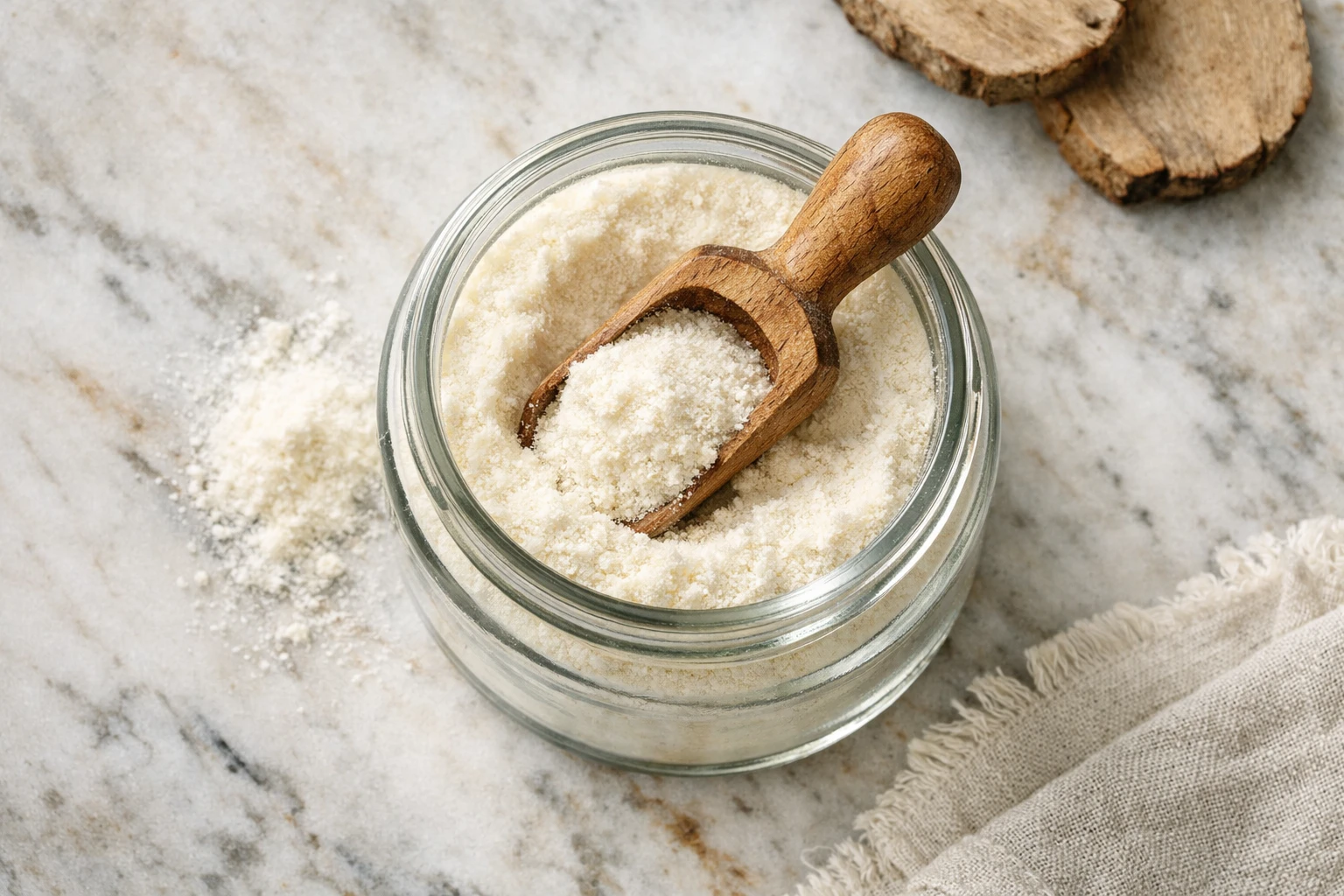
Quick Nutrition Facts
Per 1 Scoop (10g)
| Nutrient | Amount |
|---|---|
| Calories | 35 kcal |
| Protein | 9g |
| Carbohydrates | 0g |
| Fiber | 0g |
| Sugars | 0g |
| Fat | 0g |
| Glycine | 2,000mg |
| Proline | 1,200mg |
| Hydroxyproline | 1,000mg |
| Sodium | 25mg |
Macronutrient Breakdown
 ChatGPT
  Claude
  AI Mode
  Perplexity
NUTRITIONIST INSIGHT
Collagen peptides are hydrolyzed (broken down) for superior absorption compared to whole collagen protein. The unique amino acid profile—high in glycine, proline, and hydroxyproline—provides building blocks that stimulate collagen synthesis in skin, bones, and connective tissue. Most effective with vitamin C for collagen production.
Myth Busters
MYTH #1: Collagen Gets Digested Like Any Protein, So It Won't Work
TRUTH: While collagen is broken down into amino acids during digestion, research shows these specific amino acids (especially hydroxyproline tripeptides) signal fibroblasts to produce new collagen. Clinical trials demonstrate measurable improvements in skin elasticity, joint pain, and bone density with 8-12 weeks of supplementation.
MYTH #2: You Need 20-30g of Collagen Daily
TRUTH: Effective doses range from 2.5-15g daily depending on the goal: 2.5-5g for skin health, 10-15g for joint support, 5-10g for muscle recovery. More isn't necessarily better; excess protein is converted to glucose or fat.
MYTH #3: Plant-Based Collagen Is the Same as Animal Collagen
TRUTH: True collagen comes only from animal sources (bovine, marine, chicken). "Vegan collagen" products contain collagen-boosting nutrients (vitamin C, amino acids, silica) but not actual collagen protein. They may support your body's collagen production but aren't equivalent to collagen peptides.
MYTH #4: Marine Collagen Is Always Better Than Bovine
TRUTH: Both are effective; choose based on your goal. Marine collagen (Type I) has smaller peptides for potentially better absorption and is ideal for skin. Bovine collagen (Types I & III) supports skin, muscles, and bones. Type II (chicken) is best for joint cartilage. Quality and sourcing matter more than type.
MYTH #5: Collagen Causes Weight Gain
TRUTH: Collagen powder has only 35 calories per scoop (9g protein, 0g carbs/fat). The high protein content actually supports satiety and can aid weight loss. Weight gain only occurs from overall calorie surplus, not collagen itself.
MYTH #6: You'll See Results in 1-2 Weeks
TRUTH: Collagen benefits are gradual and cumulative. Clinical studies show visible results after 8-12 weeks of daily use: skin elasticity improves at 4-8 weeks, joint pain reduction at 3-6 months, nail/hair strength at 12-24 weeks. Consistency is critical.
NutriScore by Health Goals
| Health Goal | NutriScore | Why This Score? |
|---|---|---|
| Weight Loss |  | Only 35 calories per scoop with 9g protein. High protein satiety supports appetite control. Zero carbs/fat. Preserves lean muscle during calorie deficit. |
| Muscle Gain |  | Provides 9g protein but lacks leucine for muscle protein synthesis. Best combined with complete proteins (whey, eggs). Supports connective tissue repair post-workout. |
| Diabetes Management | | 0g carbs, won't affect blood sugar. Protein supports stable glucose levels. May improve insulin sensitivity through gut health benefits. |
| PCOS Management | | Supports hormonal balance through gut lining repair. High protein aids weight management and insulin sensitivity. Zero impact on blood sugar. |
| Pregnancy Nutrition | | Safe food-derived protein supporting skin elasticity and joint health during pregnancy. Choose grass-fed or marine collagen. Consult provider first. |
| Viral/Flu Recovery | | Easily digestible protein for immune system support. Glycine reduces inflammation. Supports gut lining integrity and nutrient absorption during illness. |
PERSONALIZED NUTRITION
Track your meals with NutriScan for personalized NutriScores based on your specific health goals! Use our Online Macro Calculator to find your daily nutrition targets.
Blood Sugar Response to Collagen Powder
Understanding how collagen affects your blood glucose can help you make informed decisions about when and how to use it.
Typical Glucose Response Curve
This chart shows typical blood glucose response for general healthy individuals. Individual responses may vary. Not medical advice.
How to Maximize Collagen Benefits
Collagen has 0g carbs and won't spike blood sugar. Pair with these for optimal absorption and benefits:
- 🍊 Vitamin C source (orange, bell pepper, kiwi) - Essential cofactor for collagen synthesis; take together
- ☕ Coffee or tea - Mix into hot beverages for easy consumption
- 🥤 Smoothies with berries - Antioxidants protect collagen from degradation
- 🫐 Hyaluronic acid supplement - Synergistic effect for skin hydration
Avoid high-heat cooking (>300°F) which can degrade collagen peptides; mix into cooled foods/drinks.
Cultural Significance
Collagen-rich foods have been valued across cultures for centuries before modern supplementation.
Traditional Chinese Medicine:
- Bone broth and fish skin consumed for "beauty from within" for 2,000+ years
- Donkey-hide gelatin (Ejiao) prescribed for skin and blood health
- Chicken feet and pork skin prized for collagen content
- Belief that consuming collagen supports youthful appearance
Modern Wellness Movement:
- $4 billion global collagen supplement market (2024)
- 1,000% search increase 2020-2025 driven by beauty industry
- Popularized by influencers and dermatologists (2015+)
- Science validates ancient wisdom with clinical trials
Compare & Substitute
Collagen Peptide Powder vs Similar Protein Supplements (Per 10g Scoop)
| Nutrient | 🥤 Collagen Peptides | 🥛 Whey Protein Isolate | 🌱 Pea Protein | 🥚 Egg White Protein |
|---|---|---|---|---|
| Calories | 35 kcal | 40 kcal | 38 kcal | 40 kcal |
| Carbs | 0g | 0.5g | 1g | 0.5g |
| Fiber | 0g | 0g | 1g | 0g |
| Protein | 9g | 9g | 8g | 9g |
| Fat | 0g | 0g | 0.5g | 0g |
| Leucine | 0.3g (low) | 1.2g (high) | 0.8g (medium) | 0.9g (high) |
| Unique Benefits | Skin, joints, connective tissue | Muscle protein synthesis | Vegan, hypoallergenic | Complete amino acids, bioavailable |
| Best For | Anti-aging, joint health, beauty | Muscle gain, post-workout | Vegan muscle building | Paleo, high-quality protein |
Frequently Asked Questions
Does collagen powder actually work for skin?
Clinical studies demonstrate 2.5-10g daily collagen supplementation improves skin elasticity by 7-20%, increases hydration, and reduces wrinkle depth after 8-12 weeks. Type I collagen peptides (hydrolyzed, ❤️,000 Da molecular weight) are most effective. Hydroxyproline peptides absorbed into bloodstream signal fibroblasts to produce new collagen.
Best results: 2.5-5g daily with vitamin C; take consistently for 3+ months; choose marine or bovine Type I collagen from reputable brands with third-party testing.
How many calories are in collagen powder?
Unflavored collagen peptide powder contains 35 calories per scoop (10g) with 9g protein, 0g carbs, and 0g fat.
Flavored versions: May add 10-20 calories from natural sweeteners (stevia, monk fruit) or 40-60 calories if sugar is added. Check labels; many premium brands use zero-calorie sweeteners.
Is collagen safe during pregnancy?
Collagen is generally considered safe during pregnancy as a food-derived protein source. Research shows no adverse effects from collagen supplementation during pregnancy; it may even support skin elasticity and joint health as the body changes.
Best practices: Choose grass-fed bovine or wild-caught marine collagen from reputable brands; avoid flavored versions with artificial additives; consult healthcare provider especially if you have allergies or pregnancy complications.
Can collagen help with joint pain?
Yes, clinical research shows 10-15g daily collagen supplementation significantly reduces joint pain, stiffness, and improves mobility in osteoarthritis patients after 3-6 months. Type II collagen (from chicken cartilage) is most effective for joint cartilage; Type I benefits muscles and tendons surrounding joints.
Best practices: 10g daily with vitamin C; take for minimum 3 months; combine with gentle exercise; choose UC-II (undenatured Type II) for joint-specific benefits.
What's the best time to take collagen?
Optimal timing depends on your goal:
- Skin health: Morning on empty stomach with vitamin C source (orange, bell pepper) for maximum absorption
- Joint health: Post-workout or evening to support overnight repair
- Muscle recovery: Post-workout within 30 minutes with carbs/complete protein
- Sleep quality: Evening (glycine in collagen supports sleep)
Bottom line: Consistency matters more than timing. Take whenever you'll remember daily; absorption is effective any time of day.
Does collagen powder expire?
Unopened collagen powder lasts 2-3 years when stored in a cool, dry place away from sunlight. After opening, use within 6-12 months for best quality and potency.
Signs of spoilage: Clumping (moisture exposure), off-odors (rancidity), discoloration (oxidation). Properly stored collagen should remain free-flowing, odorless, and white/tan in color. Discard if any signs present.
How much collagen should I take daily?
Evidence-based dosing by goal:
- Skin health: 2.5-5g daily (proven effective in clinical trials)
- Joint health: 10-15g daily (for osteoarthritis pain relief)
- Muscle recovery: 5-10g daily post-workout
- General wellness: 5-10g daily (balanced benefits)
Maximum safe dose: Up to 20g daily is considered safe with no adverse effects reported. Start with 5g daily and adjust based on results after 8-12 weeks.
Track your intake with NutriScan app to monitor protein and supplement consumption.
Can I take collagen with other supplements?
Generally safe to combine with most supplements. Beneficial combinations:
- ✅ Vitamin C - Enhances collagen synthesis (take together)
- ✅ Hyaluronic acid - Synergistic for skin hydration
- ✅ Biotin - Supports hair/nail health alongside collagen
- ✅ Protein powder - Mix types for complete amino acid profile
Use caution with:
- ⚠️ Blood thinners - Collagen may affect clotting; consult doctor
- ⚠️ High-protein diets - Monitor total protein intake (excess strain on kidneys)
Separate from calcium supplements by 2 hours for optimal absorption of both.


Similar Nutritious Supplements
4505 Chicharrones Classic Chili Salt
7 Eleven Japan Crispy Corn Cheese
Explore More Nutrition Tools & Resources
AI Calorie Counter App - Snap a Photo, Get Macros
AI Nutritionist App That Reads Your Logged Meals
Best Protein Supplements for Women
Bulking Meal Plan App That Sets Your Surplus
ChatGPT Calorie Counter Alternative That Keeps the Total
ChatGPT Diet Plan Alternative That Tracks What You Eat
ChatGPT Weight Loss Coach Alternative With a Food Log
Fast Food Calorie Counter App That Reads the Tray
Free Calorie Tracker App with AI Photo Scans | NutriScan
Indian Diet Plan App With Veg and Non Veg Meals
Indian Food Calorie Calculator - Get Instant Nutrition Facts for Desi Meals — 2026
Intermittent Fasting for Women, Timer and Meal Log App
Intermittent Fasting Tracker App - Free Fasting Timer
Macro Tracker App That Fills the Numbers From a Photo
Mediterranean Diet Meal Plan App That Counts the Oil
Micronutrient Tracker App for Vitamins and Minerals
MyFitnessPal Alternative That Stays Free | NutriScan
NutriScore App: A Free Grade on Every Meal | NutriScan
Nutrition Label Scanner App for the Amount You Ate
Second Trimester Protein Guide
Vegetarian Meal Plan App With a Protein Target
Voice Calorie Counter - Speak to Track Meals Hands-Free
Water and Calorie Tracker App - Free Water Log