Cooked Shrimp: Calories, Nutrition and Health Benefits
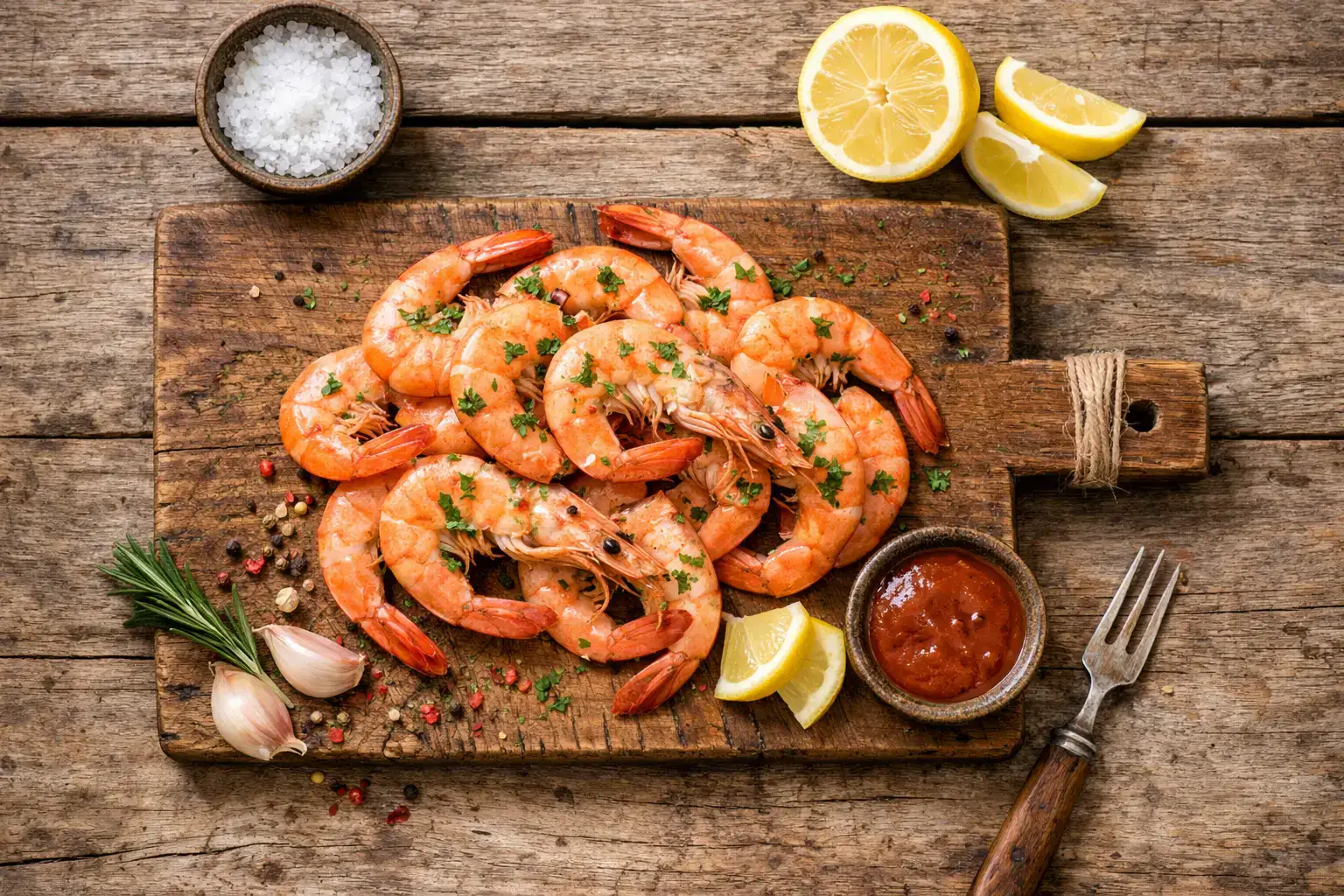
A lean protein powerhouse with just 99 calories per 100g, packed with selenium, omega-3 fatty acids, and astaxanthin antioxidants for every health goal.
Quick Nutrition Facts
Per 100g Cooked Shrimp (Moist Heat)
| Nutrient | Amount |
|---|---|
| Calories | 99 kcal |
| Protein | 24g |
| Carbohydrates | 0.2g |
| Fiber | 0g |
| Sugars | 0g |
| Fat | 0.3g |
| Cholesterol | 189mg |
| Selenium | 54mcg |
| Vitamin B12 | 1.1mcg |
| Phosphorus | 237mg |
Macronutrient Breakdown
 ChatGPT
  Claude
  AI Mode
  Perplexity
NUTRITIONIST INSIGHT
Shrimp delivers 24g of protein in just 99 calories, making it one of the best protein-per-calorie ratios of any food. The 54mcg selenium (98% DV) supports thyroid function and acts as a powerful antioxidant, while astaxanthin gives shrimp its pink color and protects against oxidative stress.
Myth Busters
MYTH #1: Shrimp Is Bad for Your Heart Because of Cholesterol
TRUTH: While shrimp contains 189mg cholesterol per 100g, dietary cholesterol has minimal impact on blood cholesterol for most people. Shrimp is extremely low in saturated fat (0.1g) and contains omega-3 fatty acids that actually support heart health.
MYTH #2: Shrimp Is High in Fat
TRUTH: Cooked shrimp has only 0.3g fat per 100g, making it one of the leanest protein sources available. The small amount of fat present includes beneficial omega-3 polyunsaturated fatty acids (EPA and DHA) that reduce inflammation and support cardiovascular health.
MYTH #3: All Shrimp Contains Harmful Mercury
TRUTH: Shrimp is classified as a low-mercury seafood by the FDA and Mayo Clinic, safe even for pregnant women and children. The FDA recommends 8-12 ounces of low-mercury seafood like shrimp per week.
MYTH #4: Frozen Shrimp Is Less Nutritious Than Fresh
TRUTH: Frozen shrimp retains virtually all its nutritional value. Most "fresh" shrimp at markets was previously frozen anyway. Flash-freezing at sea actually preserves nutrients better than slow degradation during transport.
MYTH #5: Shrimp Has No Real Health Benefits Beyond Protein
TRUTH: Beyond 24g protein, shrimp provides 98% DV selenium, vitamin B12, iodine for thyroid health, phosphorus for bones, and astaxanthin with anti-inflammatory and antioxidant properties.
NutriScore by Health Goals
| Health Goal | NutriScore | Why This Score? |
|---|---|---|
| Weight Loss |  | Only 99 calories per 100g with 24g protein. One of the best protein-per-calorie ratios for satiety and fat loss. |
| Muscle Gain | | 24g high-quality complete protein per 100g, easily digestible, rich in phosphorus for muscle recovery. |
| Diabetes Management | | Near-zero carbohydrates with high protein helps stabilize blood sugar levels. Excellent for low-glycemic meal planning. |
| PCOS Management | | High protein, virtually no carbs, anti-inflammatory omega-3s. Supports insulin sensitivity. |
| Pregnancy Nutrition | | Low mercury, rich in iodine for fetal brain development. ACOG recommends 8-12 oz low-mercury seafood weekly. |
| Viral/Flu Recovery |  | High selenium (98% DV) boosts immune function. Lean protein supports recovery. Light and easy to digest when ill. |
PERSONALIZED NUTRITION
Track your meals with NutriScan for personalized NutriScores based on your specific health goals!
Blood Sugar Response to Cooked Shrimp
Shrimp has virtually no carbohydrates, resulting in a minimal blood glucose response. This makes it an ideal protein source for blood sugar management.
Typical Glucose Response Curve
This chart shows typical blood glucose response for general healthy individuals. Individual responses may vary. Not medical advice.
How to Flatten the Spike
Since shrimp causes minimal blood sugar rise on its own, the key is choosing the right pairings to keep the entire meal low-glycemic:
- 🥗 Leafy greens and vegetables - Fiber-rich sides that add bulk without spiking glucose
- 🥑 Avocado or olive oil - Healthy fats slow any carbohydrate absorption from sides
- 🍋 Lemon and herbs - Zero-calorie flavor without added sugars
- 🍠 Small portion of whole grains - Choose brown rice or quinoa over white rice for slower digestion
This approach maintains the blood sugar advantage while creating a balanced, satisfying meal.
Cultural Significance
Shrimp is one of the most consumed seafood globally, with over 9 million tonnes produced annually across aquaculture and wild catch.
In India:
- Shrimp (jhinga/prawn) is central to coastal cuisines from Kerala, Goa, Bengal, and Mangalore
- India is the second-largest shrimp exporter globally after Ecuador
- Curry preparations like prawn malai curry and Goan prawn balchao are celebrated dishes
- Used in festive meals and is considered a premium protein in many states
Global Impact:
- Consumed in nearly every coastal culture worldwide
- Key protein source in Southeast Asian, Mediterranean, and Latin American diets
- Over 4.5 million tonnes of farmed shrimp produced annually, supporting millions of livelihoods
- Shrimp cocktail, tempura, paella, and pad thai are iconic global dishes
Compare & Substitute
Cooked Shrimp vs Similar Proteins (Per 100g)
| Nutrient | 🦐 Shrimp | 🐟 Cod | 🍗 Chicken Breast | 🥚 Egg Whites |
|---|---|---|---|---|
| Calories | 99 kcal | 82 kcal | 165 kcal | 52 kcal |
| Protein | 24g | 18g | 31g | 11g |
| Fat | 0.3g | 0.7g | 3.6g | 0.2g |
| Carbs | 0.2g | 0g | 0g | 0.7g |
| Cholesterol | 189mg | 43mg | 85mg | 0mg |
| Selenium | 54mcg | 33mcg | 27mcg | 20mcg |
| Omega-3 | 0.3g | 0.2g | 0g | 0g |
| Best For | Lean protein, selenium boost | Lowest calorie, mild flavor | Highest protein per serving | Zero cholesterol, egg-free baking |
Frequently Asked Questions
Is shrimp good for weight loss?
Shrimp is one of the best foods for weight loss. At 99 calories per 100g with 24g protein, it has an exceptional protein-to-calorie ratio that promotes satiety and preserves muscle mass during calorie restriction.
Best practices: Grill, steam, or boil instead of frying. Pair with vegetables. Avoid butter-heavy or breaded preparations that add 200+ calories per serving.
Is shrimp high in cholesterol?
Shrimp contains 189mg cholesterol per 100g, but this rarely affects blood cholesterol. The biggest influence on blood cholesterol is saturated fat intake, and shrimp has only 0.1g saturated fat per 100g. Studies show dietary cholesterol has a modest impact on blood levels for most people.
Key point: The American Heart Association no longer sets a specific daily cholesterol limit. Shrimp's omega-3 content actually supports heart health.
How much protein is in shrimp?
Cooked shrimp provides 24g of protein per 100g. A standard 3-ounce (85g) serving delivers about 20g of protein with only 84 calories, making shrimp one of the most protein-dense foods available.
For muscle gain, combine shrimp with whole grains and vegetables for a complete post-workout meal.
Can diabetics eat shrimp?
Shrimp is excellent for diabetes management. With virtually zero carbohydrates and high protein content, it causes minimal blood sugar response.
Tips for diabetics:
- Choose grilled, steamed, or baked preparations
- Avoid breaded or fried shrimp (adds 15-20g carbs per serving)
- Pair with non-starchy vegetables
- Use as protein anchor in low-glycemic meals
Always consult your healthcare provider for personalized dietary advice.
Is shrimp safe during pregnancy?
Yes, shrimp is safe and recommended during pregnancy. The FDA and ACOG classify shrimp as low-mercury seafood and recommend 8-12 ounces of such seafood per week.
Benefits during pregnancy:
- Iodine for fetal brain and nervous system development
- Omega-3 (DHA) for fetal brain growth
- Protein for tissue building
- Iron to prevent pregnancy anemia
Always ensure shrimp is fully cooked (pearly white, not translucent) before eating.
What are the main health benefits of shrimp?
Key Benefits:
- Lean Protein: 24g per 100g supports muscle growth and weight management
- Selenium Powerhouse: 54mcg (98% DV) for thyroid function and immune defense
- Heart Health: Omega-3 fatty acids and astaxanthin reduce inflammation
- Brain Health: Vitamin B12 and omega-3 support cognitive function
- Thyroid Support: Iodine content critical for hormone production
- Antioxidant Protection: Astaxanthin provides anti-inflammatory benefits
Track your meals with NutriScan app to see how shrimp fits your personal nutrition goals.


Similar Nutritious Foods
4505 Chicharrones Classic Chili Salt
7 Eleven Japan Crispy Corn Cheese
Explore More Nutrition Tools & Resources
AI Calorie Counter App - Snap a Photo, Get Macros
AI Nutritionist App That Reads Your Logged Meals
Best Protein Supplements for Women
Bulking Meal Plan App That Sets Your Surplus
ChatGPT Calorie Counter Alternative That Keeps the Total
ChatGPT Diet Plan Alternative That Tracks What You Eat
ChatGPT Weight Loss Coach Alternative With a Food Log
Fast Food Calorie Counter App That Reads the Tray
Free Calorie Tracker App with AI Photo Scans | NutriScan
Indian Diet Plan App With Veg and Non Veg Meals
Indian Food Calorie Calculator - Get Instant Nutrition Facts for Desi Meals — 2026
Intermittent Fasting for Women, Timer and Meal Log App
Intermittent Fasting Tracker App - Free Fasting Timer
Macro Tracker App That Fills the Numbers From a Photo
Mediterranean Diet Meal Plan App That Counts the Oil
Micronutrient Tracker App for Vitamins and Minerals
MyFitnessPal Alternative That Stays Free | NutriScan
NutriScore App: A Free Grade on Every Meal | NutriScan
Nutrition Label Scanner App for the Amount You Ate
Second Trimester Protein Guide
Vegetarian Meal Plan App With a Protein Target
Voice Calorie Counter - Speak to Track Meals Hands-Free
Water and Calorie Tracker App - Free Water Log