Cupuaçu Fruit: Calories, Nutrition and Health Benefits
Exotic Amazonian chocolate relative with unique tropical flavor, powerful antioxidants, and creamy white pulp.
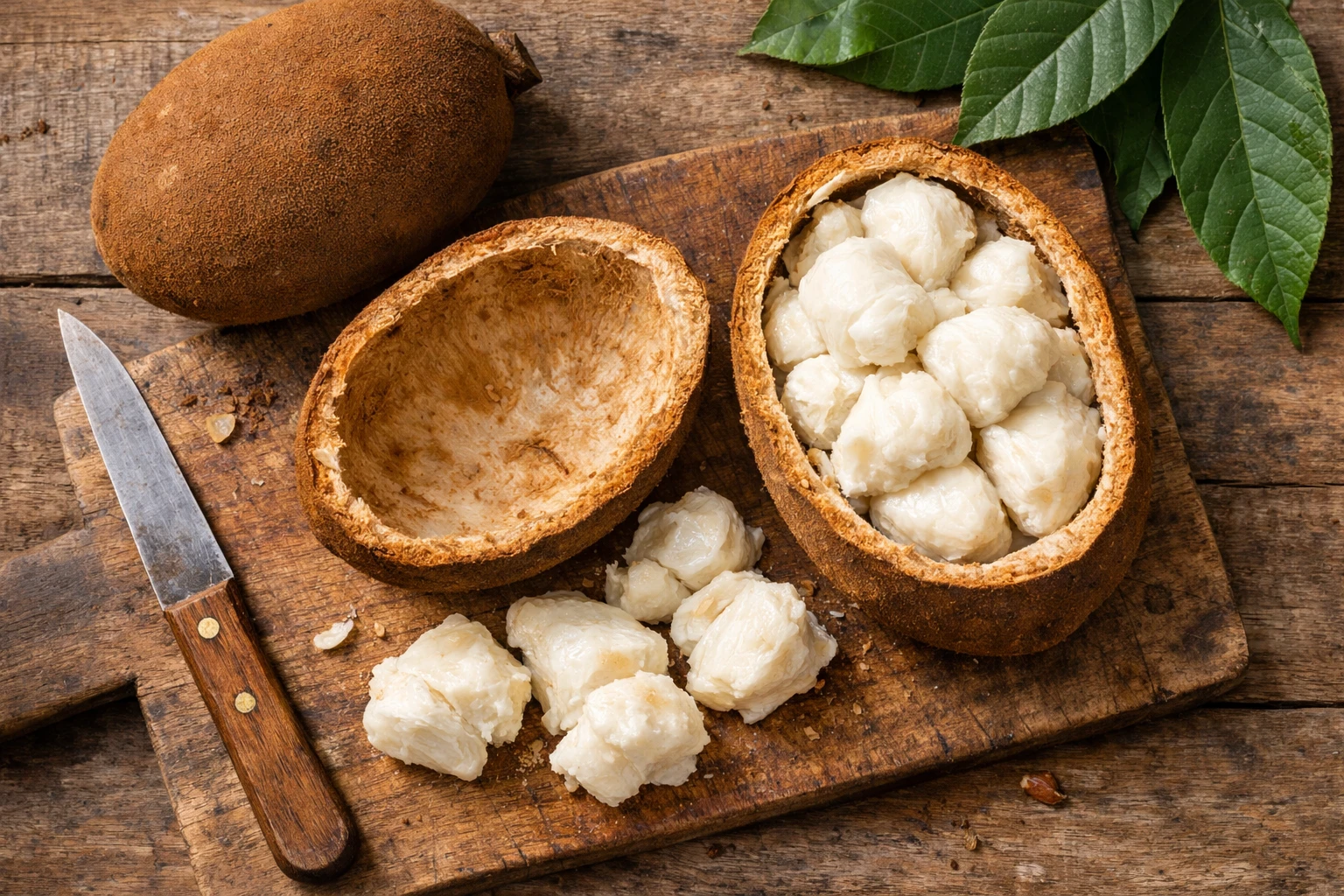
Quick Nutrition Facts
Per 100g Pulp
| Nutrient | Amount |
|---|---|
| Calories | 49 kcal |
| Protein | 1g |
| Carbohydrates | 10g |
| Fiber | 1.2g |
| Sugars | 7g |
| Fat | 0.5g |
| Vitamin C | 25mg |
| Vitamin B1 | 0.4mg |
| Phosphorus | 21mg |
| Calcium | 8mg |
Macronutrient Breakdown
 ChatGPT
  Claude
  AI Mode
  Perplexity
NUTRITIONIST INSIGHT
Cupuaçu is a close relative of cacao but contains unique polyphenolic antioxidants not found in chocolate. The pulp and seeds are rich sources of liposoluble antioxidant compounds that support cellular health and reduce oxidative stress.
Myth Busters
MYTH #1: Cupuaçu is Just Exotic Chocolate
TRUTH: While cupuaçu (Theobroma grandiflorum) belongs to the same genus as cacao, it has distinct morphology and flavor. The white pulp tastes like pineapple-chocolate-pear fusion, not chocolate. Seeds can be processed into "cupulate" with chocolate-like properties.
MYTH #2: All Tropical Fruits Are High in Sugar
TRUTH: Cupuaçu contains only 7g sugar per 100g, significantly lower than mango (14g), pineapple (10g), or passion fruit (11g). It's one of the lower-sugar tropical fruits, making it suitable for moderate consumption even with blood sugar concerns.
MYTH #3: Superfoods From the Amazon Are Overhyped
TRUTH: Cupuaçu's benefits are scientifically documented. Research confirms high antioxidant polyphenolic compounds, anti-proliferative properties, and immune-supporting nutrients. Unlike marketing hype, its traditional use and nutritional profile are well-established.
MYTH #4: You Can't Get Cupuaçu Outside Brazil
TRUTH: While fresh fruit is rare internationally, frozen pulp, powder, juice, and cupuaçu butter are widely available online and in specialty stores. Sustainable harvesting by Amazonian cooperatives makes it accessible globally while supporting local communities.
MYTH #5: Cupuaçu is Only Good for Desserts
TRUTH: Beyond ice cream and sweets, cupuaçu pulp works in smoothies, savory sauces, salad dressings, marinades, and beverages. The tangy, aromatic profile complements both sweet and savory dishes. Cupuaçu butter is used in cosmetics for skin hydration.
MYTH #6: Exotic Fruits Have No Real Nutritional Advantage
TRUTH: Cupuaçu provides unique polyphenols, 25mg vitamin C (42% DV), B vitamins, and essential fatty acids in a low-calorie package. Its antioxidant profile differs from common fruits, offering complementary benefits when added to a varied diet.
NutriScore by Health Goals
| Health Goal | NutriScore | Why This Score? |
|---|---|---|
| Weight Loss |  | Only 49 calories per 100g, natural fiber promotes fullness, low energy density. Use in smoothies or as natural dessert. |
| Muscle Gain |  | Minimal protein (1g per 100g). Not ideal for muscle building; use as vitamin-rich addition to protein shakes. |
| Diabetes Management |  | Moderate natural sugars (7g per 100g), fiber content, antioxidant polyphenols support metabolic health. Monitor portion size (100-150g). |
| PCOS Management | | Low-calorie, antioxidant-rich fruit supports hormone balance. Use in moderation (100g serving) as part of anti-inflammatory diet. |
| Pregnancy Nutrition | | Rich in vitamin C (42% DV), B vitamins for energy, natural hydration, antioxidants for maternal and fetal health. Safe in moderation; choose pasteurized products. |
| Viral/Flu Recovery | | High vitamin C (25mg) boosts immunity, easy to digest, hydrating pulp, antioxidants reduce inflammation. Blend into smoothies for sick-day nutrition. |
PERSONALIZED NUTRITION
Track your meals with NutriScan for personalized NutriScores based on your specific health goals!
Blood Sugar Response to Cupuaçu
Understanding cupuaçu's blood glucose impact helps you enjoy this exotic fruit while maintaining metabolic health.
Typical Glucose Response Curve
This chart shows typical blood glucose response for general healthy individuals. Individual responses may vary. Not medical advice.
How to Enjoy Cupuaçu Mindfully
Cupuaçu's moderate sugar content and fiber work best when paired strategically:
- 🥤 Protein smoothies - Blend with Greek yogurt, protein powder, and chia seeds
- 🍨 Low-sugar desserts - Mix pulp with coconut cream and stevia for guilt-free treat
- 🥗 Tropical dressings - Combine with lime, ginger, and olive oil for antioxidant boost
- 🧊 Frozen treats - Freeze pulp into popsicles with minimal added sugar
Stick to 100-150g servings to enjoy benefits without excessive sugar intake.
Cultural Significance
Cupuaçu (Theobroma grandiflorum) is native to the Amazon rainforest, traditionally cultivated by indigenous communities for over 3,000 years across Brazil, Peru, Colombia, and Bolivia.
In Brazil:
- Called "the pharmacy in a fruit" for medicinal and nutritional properties
- Used traditionally for digestive health, immunity, and energy
- Pulp consumed fresh, in juices, ice cream, and regional desserts
- Seeds processed into cupuaçu butter for cosmetics and "cupulate" (chocolate alternative)
- Amazon rainforest communities depend on sustainable harvesting for income
Global Impact:
- Growing international demand for frozen pulp, powder, and butter (2000s onward)
- Supports sustainable agroforestry in the Amazon basin
- Fair-trade cooperatives protect biodiversity while providing farmer income
- Recognized as a superfruit for unique antioxidant profile and versatility
Compare & Substitute
Cupuaçu vs Similar Tropical Fruits (Per 100g)
| Nutrient | 🍫 Cupuaçu | 🥭 Mango | 🍍 Pineapple | 🥥 Coconut Meat |
|---|---|---|---|---|
| Calories | 49 kcal | 60 kcal | 50 kcal | 354 kcal |
| Carbs | 10g | 15g | 13g | 15g |
| Fiber | 1.2g | 1.6g | 1.4g | 9g |
| Protein | 1g | 0.8g | 0.5g | 3.3g |
| Fat | 0.5g | 0.4g | 0.1g | 33g |
| Vitamin C | 25mg | 36mg | 48mg | 3mg |
| Sugars | 7g | 14g | 10g | 6g |
| Best For | Antioxidants, low-sugar desserts | Quick energy, vitamin A | Bromelain enzyme, immune support | Healthy fats, satiety |
Frequently Asked Questions
What does cupuaçu taste like?
Cupuaçu has a unique tropical flavor that combines chocolate, pineapple, and pear notes with a creamy, tangy undertone. The white pulp is aromatic and slightly acidic, often described as a cross between chocolate and passion fruit with buttery texture. Unlike cacao, it's fruity and bright rather than bitter.
Flavor uses: smoothies and juices for tropical sweetness; ice cream and sorbets for creamy desserts; jams and preserves with added sugar; savory sauces paired with citrus and herbs.
Is cupuaçu related to chocolate?
Yes, cupuaçu (Theobroma grandiflorum) is a close botanical relative of cacao (Theobroma cacao). Both belong to the Theobroma genus, but cupuaçu produces large football-shaped fruits with creamy white pulp instead of cocoa beans. The seeds can be fermented and roasted to create "cupulate," a chocolate-like product with distinct flavor.
While related, cupuaçu contains different polyphenolic compounds and lacks theobromine found in chocolate, making it a unique superfruit rather than a chocolate substitute.
What are the health benefits of cupuaçu?
Cupuaçu provides rich antioxidant polyphenols for cellular protection and anti-aging; vitamin C (25mg per 100g) for immune support and collagen synthesis; B vitamins (especially B1) for energy metabolism; essential fatty acids (from butter) for heart and skin health; anti-inflammatory compounds that reduce oxidative stress.
Key benefits: supports immune function; promotes healthy skin and hair (via butter); aids digestion with natural fiber; provides sustained energy without blood sugar spikes; delivers unique phytonutrients not found in common fruits.
Where can I buy cupuaçu?
Cupuaçu is available as frozen pulp (puree) in specialty grocers and online; powdered form for smoothies and supplements; juice blends in health food stores; cupuaçu butter for cosmetics and cooking online; fresh fruit (rare outside Brazil, check Latin American markets in season).
Best sources: organic suppliers with fair-trade certification; Amazon rainforest cooperatives; specialty superfood retailers; Brazilian or Latin American grocery stores. Always check for sustainably sourced, additive-free products.
How do you eat cupuaçu fruit?
Cupuaçu pulp is eaten fresh from the pod (scoop white pulp, discard seeds); blended into smoothies with banana, protein, and ice; juiced with water or milk for refreshing beverage; made into ice cream, sorbet, or frozen treats; cooked into jams, jellies, or compotes with sugar; mixed into yogurt or oatmeal; used in savory sauces with lime and chili.
Seeds: Roasted and processed like cocoa into cupulate (chocolate alternative); fermented for enhanced flavor; pressed into cupuaçu butter for cooking or cosmetics.
Is cupuaçu good for weight loss?
Yes, cupuaçu supports weight loss as a low-calorie (49 kcal per 100g), nutrient-dense ingredient. The natural fiber promotes satiety; moderate sugar content (7g) avoids excessive calorie intake; antioxidants may support healthy metabolism; hydrating pulp aids digestion.
Weight loss tips: use 100g servings in smoothies to replace higher-calorie fruits; freeze into low-sugar popsicles for sweet cravings; blend with protein for satisfying snacks; avoid commercial products with added sugars. Pair with balanced meals for best results.
Can I use cupuaçu butter for cooking?
Yes, cupuaçu butter (extracted from seeds) is excellent for cooking and cosmetics. It has a high smoke point (suitable for sautéing), rich creamy texture (replaces coconut oil in recipes), mild nutty flavor, and high content of essential fatty acids (oleic, linoleic). Use in baking, as spread, in smoothies for healthy fats, or as skin/hair moisturizer.
Unlike pulp, the butter is calorie-dense (similar to coconut oil) and should be used in moderation for cooking.


Similar Nutritious Fruits
4505 Chicharrones Classic Chili Salt
7 Eleven Japan Crispy Corn Cheese
Explore More Nutrition Tools & Resources
AI Calorie Counter App - Snap a Photo, Get Macros
AI Nutritionist App That Reads Your Logged Meals
Best Protein Supplements for Women
Bulking Meal Plan App That Sets Your Surplus
ChatGPT Calorie Counter Alternative That Keeps the Total
ChatGPT Diet Plan Alternative That Tracks What You Eat
ChatGPT Weight Loss Coach Alternative With a Food Log
Fast Food Calorie Counter App That Reads the Tray
Free Calorie Tracker App with AI Photo Scans | NutriScan
Indian Diet Plan App With Veg and Non Veg Meals
Indian Food Calorie Calculator - Get Instant Nutrition Facts for Desi Meals — 2026
Intermittent Fasting for Women, Timer and Meal Log App
Intermittent Fasting Tracker App - Free Fasting Timer
Macro Tracker App That Fills the Numbers From a Photo
Mediterranean Diet Meal Plan App That Counts the Oil
Micronutrient Tracker App for Vitamins and Minerals
MyFitnessPal Alternative That Stays Free | NutriScan
NutriScore App: A Free Grade on Every Meal | NutriScan
Nutrition Label Scanner App for the Amount You Ate
Second Trimester Protein Guide
Vegetarian Meal Plan App With a Protein Target
Voice Calorie Counter - Speak to Track Meals Hands-Free
Water and Calorie Tracker App - Free Water Log