Curry Leaves: Calories, Nutrition and Health Benefits
Aromatic Indian herb packed with antioxidants, vitamins, and medicinal compounds for diabetes control, digestion, and overall wellness.
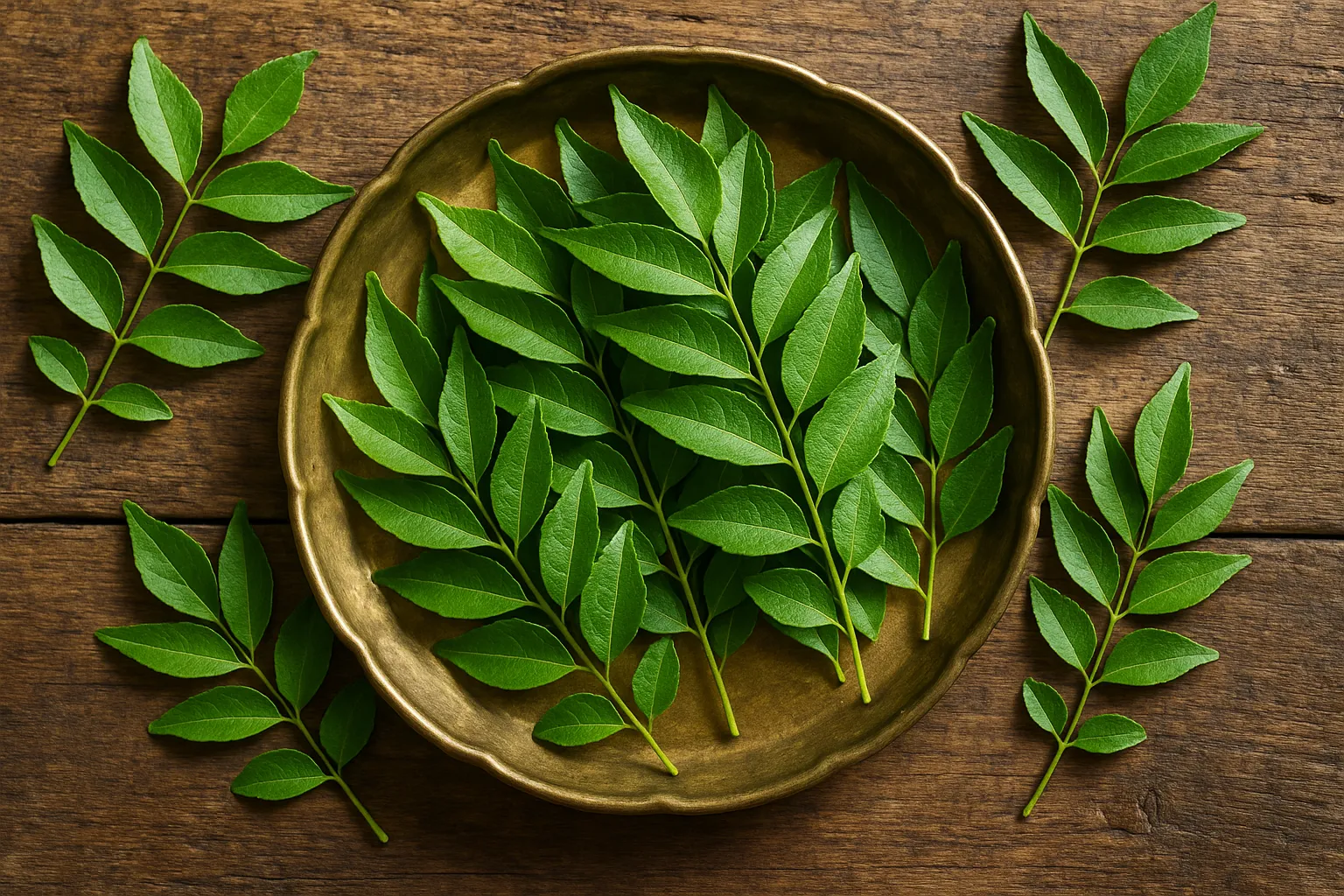
Quick Nutrition Facts
Per 1 Tablespoon Fresh (2g)
| Nutrient | Amount |
|---|---|
| Calories | 2 kcal |
| Protein | 0.1g |
| Carbohydrates | 0.4g |
| Fiber | 0.1g |
| Fat | 0.02g |
| Vitamin A | 182 IU |
| Vitamin C | 0.8mg |
| Iron | 0.2mg |
| Calcium | 2.6mg |
Per 100g: 108 kcal, 6.1g protein, 18.7g carbs, 6.4g fiber, 1g fat
Macronutrient Breakdown (per 100g)
 ChatGPT
  Claude
  AI Mode
  Perplexity
NUTRITIONIST INSIGHT
Curry leaves are powerhouses of carbazole alkaloids and antioxidants that help control blood sugar and combat oxidative stress. Consuming 8-10 fresh leaves daily on an empty stomach maximizes their therapeutic benefits.
Myth Busters
MYTH #1: Curry Leaves Are Just for Flavor
TRUTH: Beyond flavor, curry leaves possess potent pharmaceutical effects including antioxidant, antidiabetic, anti-inflammatory, and antitumor activities. The carbazole alkaloids provide significant health benefits.
MYTH #2: You Can't Eat Curry Leaves Raw
TRUTH: Raw curry leaves are not only safe but highly beneficial. Eating 8-10 fresh leaves daily, especially on empty stomach, delivers maximum antioxidants, vitamins, and medicinal compounds without cooking degradation.
MYTH #3: Curry Leaves Have No Nutritional Value
TRUTH: Curry leaves are rich in vitamin A, C, iron, calcium, and powerful antioxidants. They contain essential oils, carbazole alkaloids, and minerals that provide numerous health benefits.
MYTH #4: Dried Curry Leaves Work the Same as Fresh
TRUTH: Fresh curry leaves retain higher levels of volatile oils and vitamin C. While dried leaves maintain some antioxidants and minerals, fresh leaves are superior for therapeutic benefits, especially for diabetes management.
MYTH #5: Curry Leaves Cause Weight Gain
TRUTH: At only 2 calories per tablespoon, curry leaves actually support weight loss. They improve digestion, reduce cholesterol, eliminate toxins, and boost metabolism naturally without adding significant calories.
NutriScore by Health Goals
| Health Goal | NutriScore | Why This Score? |
|---|---|---|
| Weight Loss |  | Virtually calorie-free (2 kcal/tbsp), boosts metabolism, aids digestion. |
| Muscle Gain |  | Low protein content; use as a nutritious flavoring agent alongside protein-rich foods. |
| Diabetes Management | | Carbazole alkaloids significantly reduce blood glucose and improve insulin sensitivity. Consume 8-10 fresh leaves daily. |
| PCOS Management |  | Antioxidants combat oxidative stress; supports hormonal balance through improved insulin sensitivity. |
| Pregnancy Nutrition | | Rich in iron and folate; however, consult healthcare provider as high amounts may affect pregnancy. Moderate use recommended. |
| Viral/Flu Recovery | | Vitamin C, antioxidants, and anti-inflammatory compounds boost immunity and speed recovery. |
PERSONALIZED NUTRITION
Track your meals with NutriScan for personalized NutriScores based on your specific health goals!
Cultural Significance
Curry leaves (Murraya koenigii) are integral to South Asian cuisine and traditional medicine, originating from India and Sri Lanka.
In India:
- Essential tempering ingredient in South Indian, Tamil, and Kerala cuisines
- Used in Ayurveda for digestive health, diabetes, and hair growth
- Sacred in Hindu traditions; offered in temple rituals
- Known as "Kadi Patta" (Hindi) or "Kariveppilai" (Tamil)
Medicinal Heritage:
- Ancient Ayurvedic texts prescribe for eye disorders, digestive issues, and skin health
- Traditional remedy for grey hair and hair fall
- Used to treat snake bites and scorpion stings in folk medicine
- Paste applied for burns and skin infections
Global Impact:
- Now cultivated in Southeast Asia, Africa, and tropical regions worldwide
- Essential ingredient in curry powders, chutneys, and spice blends
- Growing recognition in Western herbalism and natural medicine
Compare & Substitute
Curry Leaves vs Similar Herbs (Per 100g)
| Nutrient | 🍃 Curry Leaves | 🌿 Coriander Leaves | 🌿 Bay Leaves | 🌿 Mint Leaves |
|---|---|---|---|---|
| Calories | 108 kcal | 23 kcal | 313 kcal | 44 kcal |
| Carbs | 18.7g | 3.7g | 75g | 8.4g |
| Fiber | 6.4g | 2.8g | 26.3g | 6.8g |
| Protein | 6.1g | 2.1g | 7.6g | 3.8g |
| Fat | 1g | 0.5g | 8.4g | 0.7g |
| Iron | 9.3mg | 1.8mg | 43mg | 11.9mg |
| Calcium | 830mg | 67mg | 834mg | 199mg |
| Vitamin A | 7560 IU | 3377 IU | 618 IU | 4248 IU |
| Best For | Diabetes control | Detox, digestion | Flavoring | Digestion, freshness |
Frequently Asked Questions
Are curry leaves good for diabetes?
Yes, curry leaves have significant antidiabetic properties. The carbazole alkaloids help reduce blood glucose levels and improve insulin sensitivity. Regular consumption of 8-10 fresh leaves daily can naturally manage diabetes progression.
Best practices: Eat fresh leaves on empty stomach in the morning; chew thoroughly; add to breakfast meals; pair with diabetic-friendly diet; monitor blood sugar regularly.
Can I eat curry leaves daily?
Yes, eating 8-10 fresh curry leaves daily is safe and highly beneficial. They provide antioxidants, vitamins A and C, iron, and calcium without significant calories. Daily consumption supports digestion, immunity, and metabolic health.
Optimal timing: Morning on empty stomach (chew 8-10 leaves); during meals as tempering; in herbal teas. Avoid excessive amounts (>30 leaves daily) without medical supervision.
Do curry leaves help with weight loss?
Curry leaves support weight loss through multiple mechanisms: virtually calorie-free (2 kcal/tbsp); improve digestion and nutrient absorption; reduce cholesterol; eliminate toxins; boost metabolism naturally.
Weight loss tips: Consume 8-10 fresh leaves on empty stomach; add to morning buttermilk; use in cooking instead of calorie-dense ingredients; combine with balanced diet and exercise.
What are the main health benefits of curry leaves?
Key Benefits:
- Blood Sugar Control: Carbazole alkaloids reduce glucose and improve insulin response
- Digestive Health: Stimulate digestive enzymes; reduce bloating and constipation
- Hair & Skin: Rich in beta-carotene and proteins; prevent premature greying and hair fall
- Immunity Boost: Vitamin C and antioxidants fight infections
- Heart Health: Lower cholesterol; protect against oxidative damage
- Anti-inflammatory: Combat chronic inflammation and oxidative stress
How should I store curry leaves?
Fresh leaves (1-2 weeks): Wash and pat dry completely; wrap in paper towel; store in airtight container in refrigerator crisper drawer. Frozen (3-6 months): Wash, dry, remove from stem; freeze in airtight bags or containers; use directly without thawing. Dried (several months): Air-dry in shade; store in airtight jars away from moisture and sunlight; best for tempering.
Pro tip: Fresh leaves retain maximum medicinal value; frozen works for cooking; dried lose some volatile oils but maintain minerals.
Are dried curry leaves as nutritious as fresh?
Fresh curry leaves are superior in vitamin C content and volatile essential oils that provide aroma and therapeutic benefits. Dried leaves retain minerals (iron, calcium), antioxidants, and carbazole alkaloids but lose 30-50% of aromatic compounds.
Nutritional comparison: Fresh leaves = 100% medicinal value; Dried leaves = 60-70% medicinal value (minerals and alkaloids preserved, vitamins reduced).
Recommendation: Use fresh for diabetes management and maximum health benefits; dried acceptable for flavoring and general antioxidant support.
Can pregnant women eat curry leaves?
Moderate consumption of curry leaves is generally safe during pregnancy and provides iron and folate. However, high amounts may stimulate uterine contractions.
Safe intake: 4-6 leaves per day in cooking; avoid medicinal doses (>15 leaves daily); consult healthcare provider before regular consumption; prioritize fresh over dried.
Benefits during pregnancy: Iron for blood production; folate for fetal development; vitamin C for immunity; aids digestion and reduces nausea.
How do I use curry leaves for hair growth?
Curry leaves are rich in proteins, beta-carotene, and amino acids that nourish hair follicles and prevent premature greying. Boil fresh curry leaves in coconut oil until charred; cool and strain; massage into scalp 2-3 times weekly.
Hair growth tips: Grind fresh leaves with coconut oil into paste; apply for 30 minutes before washing; consume 8-10 fresh leaves daily for internal nourishment; combine with protein-rich diet.
Results: Visible improvement in hair texture and reduced greying in 2-3 months with consistent use.


Similar Nutritious Foods
4505 Chicharrones Classic Chili Salt
7 Eleven Japan Crispy Corn Cheese
Explore More Nutrition Tools & Resources
AI Calorie Counter App - Snap a Photo, Get Macros
AI Nutritionist App That Reads Your Logged Meals
Best Protein Supplements for Women
Bulking Meal Plan App That Sets Your Surplus
ChatGPT Calorie Counter Alternative That Keeps the Total
ChatGPT Diet Plan Alternative That Tracks What You Eat
ChatGPT Weight Loss Coach Alternative With a Food Log
Fast Food Calorie Counter App That Reads the Tray
Free Calorie Tracker App with AI Photo Scans | NutriScan
Indian Diet Plan App With Veg and Non Veg Meals
Indian Food Calorie Calculator - Get Instant Nutrition Facts for Desi Meals — 2026
Intermittent Fasting for Women, Timer and Meal Log App
Intermittent Fasting Tracker App - Free Fasting Timer
Macro Tracker App That Fills the Numbers From a Photo
Mediterranean Diet Meal Plan App That Counts the Oil
Micronutrient Tracker App for Vitamins and Minerals
MyFitnessPal Alternative That Stays Free | NutriScan
NutriScore App: A Free Grade on Every Meal | NutriScan
Nutrition Label Scanner App for the Amount You Ate
Second Trimester Protein Guide
Vegetarian Meal Plan App With a Protein Target
Voice Calorie Counter - Speak to Track Meals Hands-Free
Water and Calorie Tracker App - Free Water Log