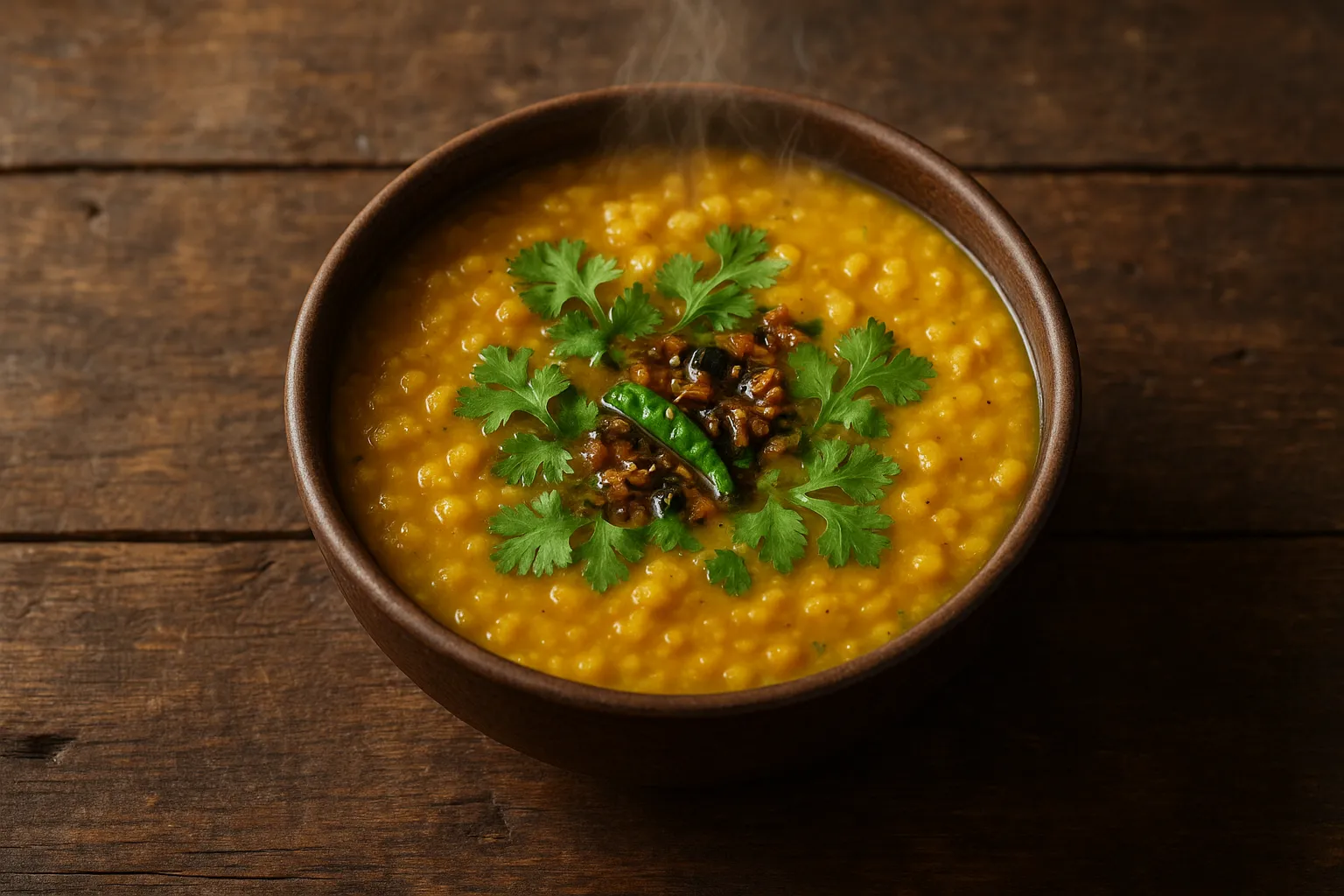
Daal (Lentils): Calories, Nutrition and Health Benefits
India's protein powerhouse packed with fiber, folate, and essential minerals for sustainable energy and optimal health.
Quick Nutrition Facts
Per 100g Cooked Daal (1/2 Cup)
| Nutrient | Amount |
|---|---|
| Calories | 120 kcal |
| Protein | 9g |
| Carbohydrates | 20g |
| Fiber | 8g |
| Sugars | 1.8g |
| Fat | 0.4g |
| Iron | 3.3mg |
| Folate | 180mcg |
| Magnesium | 36mg |
| Potassium | 369mg |
Macronutrient Breakdown
 ChatGPT
  Claude
  AI Mode
  Perplexity
NUTRITIONIST INSIGHT
Daal provides 8g fiber per 100g, promoting digestive health and blood sugar control. The protein and fiber content make lentils beneficial for weight management and supporting overall gut health. Pair with rice for complete protein.
Myth Busters
MYTH #1: Daal Causes Bloating and Should Be Avoided
TRUTH: While raw lentils contain oligosaccharides that can cause gas, proper soaking (6-8 hours) and cooking breaks down these compounds significantly. Start with easily digestible moong dal if sensitive. Gradual increase in intake allows gut bacteria to adapt. Bloating typically decreases within 2-3 weeks of regular consumption.
MYTH #2: Daal Isn't Complete Protein So It's Inferior
TRUTH: While daal lacks methionine, the traditional combination of daal + rice creates complete protein with all essential amino acids. You don't need animal protein to meet protein needs. Plant-based protein from lentils supports muscle maintenance and overall health effectively.
MYTH #3: Diabetics Should Limit Daal Due to Carbs
TRUTH: This is backwards. Research consistently shows lentil consumption lowers acute blood glucose and insulin response compared to starchy foods. The 8g fiber and low GI (20-30) make daal one of the BEST carb sources for diabetics. Consume 1-1.5 cups daily.
MYTH #4: Daal Inhibits Iron Absorption
TRUTH: While lentils contain phytates that can reduce iron absorption, they also provide substantial iron (3.3mg per 100g). Pair with vitamin C-rich foods (tomatoes, lemon, amla) to enhance absorption. The benefits far outweigh concerns, especially for vegetarians.
MYTH #5: All Daals Are the Same Nutritionally
TRUTH: Different daals have varying protein, fiber, and micronutrient profiles. Moong dal: highest protein (24g per 100g dry), easiest to digest. Masoor dal: fastest cooking, most iron. Toor dal: balanced nutrition. Chana dal: highest fiber. Choose based on health goals and digestive tolerance.
NutriScore by Health Goals
| Health Goal | NutriScore | Why This Score? |
|---|---|---|
| Weight Loss |  | Only 120 calories per 100g with 9g protein and 8g fiber promoting exceptional fullness. Low fat (0.4g) and studies show lentils support satiety. |
| Muscle Gain |  | Good plant protein (9g per 100g), but combine with rice for complete amino acid profile. Add 2-3 cups daily to vegetarian muscle-building diets. |
| Diabetes Management | | Exceptional choice. Low GI (20-30) and fiber consistently lower blood glucose response. Consume 1-1.5 cups daily. |
| PCOS Management | | Low GI, high fiber improves insulin sensitivity. Plant protein supports hormonal balance. Consume 1-2 cups daily with vegetables. |
| Pregnancy Nutrition | | Rich in folate (180mcg per 100g) essential for neural tube development, iron for blood volume expansion, fiber for constipation prevention. |
| Viral/Flu Recovery | | Easy to digest, provides steady energy, zinc and iron support immune function. Traditional healing food across cultures. |
PERSONALIZED NUTRITION
Track your meals with NutriScan for personalized NutriScores based on your specific health goals!
Blood Sugar Response to Daal
Understanding how daal affects blood glucose demonstrates why it's ideal for diabetes management and weight loss.
Typical Glucose Response Curve
This chart shows typical blood glucose response for general healthy individuals. Lentils have exceptionally low GI. Not medical advice.
Why Daal Stabilizes Blood Sugar
Lentils consistently produce lower glucose and insulin responses compared to other carb sources. The combination of:
- High Fiber (8g per 100g) - Slows carbohydrate absorption
- Low Glycemic Index (20-30) - Prevents blood sugar spikes
- Resistant Starch - Acts like soluble fiber, improves insulin sensitivity
- Protein (9g per 100g) - Further slows glucose absorption
Enhance benefits: Pair daal with vegetables, add lemon juice (vitamin C), combine with whole grain rice, include tempering spices (cumin, turmeric) that improve insulin sensitivity.
Cultural Significance
Daal is the cornerstone of Indian cuisine, representing sustenance, comfort, and cultural identity for over 4,000 years.
In India:
- Staple food: Consumed daily in every region, essential protein source for 500+ million vegetarians
- Regional varieties: North (rajma, chana dal), South (sambar with toor dal), East (moong dal khichdi), West (Gujarati dal)
- Religious importance: Offered in temples, served at festivals, essential in langar (community kitchens)
- Ayurvedic medicine: Different daals prescribed for different doshas and health conditions
- Economic importance: Affordable protein accessible across all socioeconomic classes
Types of Daal:
- Moong dal (split mung beans): Light, easy to digest, highest protein
- Masoor dal (red lentils): Quick cooking, high iron
- Toor dal (pigeon peas): Balanced nutrition, popular in sambar
- Chana dal (split chickpeas): Highest fiber, nutty flavor
- Urad dal (black gram): Used in dosa, idli, rich in calcium
Compare & Substitute
Daal vs Other Protein Sources (Per 100g Cooked)
| Nutrient | 🥣 Daal (Lentils) | 🍗 Chicken Breast | 🥔 Chickpeas | 🌾 Quinoa |
|---|---|---|---|---|
| Calories | 120 kcal | 165 kcal | 164 kcal | 120 kcal |
| Carbs | 20g | 0g | 27g | 21g |
| Fiber | 8g | 0g | 7.6g | 2.8g |
| Protein | 9g | 31g | 9g | 4.4g |
| Fat | 0.4g | 3.6g | 2.6g | 1.9g |
| Iron | 3.3mg | 0.9mg | 2.9mg | 1.5mg |
| Folate | 180mcg | 4mcg | 172mcg | 42mcg |
| Cost | Very low | Moderate-High | Low | Moderate |
| Best For | Diabetes, weight loss, budget-friendly | High protein, muscle gain | Fiber, satiety | Complete protein, gluten-free |
Frequently Asked Questions
Is daal good for weight loss?
Yes, daal is one of the best foods for weight loss. With only 120 calories per 100g but providing 9g protein and 8g fiber, it promotes exceptional fullness and stabilizes blood sugar. Studies show lentils increase satiety and support weight management.
Best practices: Consume 1-1.5 cups daily as main meal component; pair with vegetables and small portion of rice or roti; avoid heavy tempering with excess oil or ghee; choose toor dal or moong dal for best results; consume at lunch for sustained afternoon energy.
Can diabetics eat daal?
Absolutely. Daal is highly recommended for diabetes management. Research consistently shows lentil consumption lowers acute blood glucose and insulin response compared to starchy control foods. The low glycemic index (20-30) and high fiber (8g per 100g) make it ideal for blood sugar control.
Tips for diabetics: Consume 1-1.5 cups daily; pair with vegetables and small portion whole grain rice; avoid adding sugar; best timing is lunch or dinner; monitor blood sugar to understand personal response; choose moong dal or masoor dal for easier digestion.
How much protein is in daal?
Cooked daal contains approximately 9g of protein per 100g (or 18g per 1 cup/200g serving). While this is plant-based incomplete protein (lacking methionine), the traditional combination of daal with rice creates complete protein with all nine essential amino acids.
For optimal protein intake: Consume 2-3 cups daal daily for vegetarians; always pair with rice, roti, or other grains; add paneer or yogurt for extra protein; choose moong dal for highest protein content (24g per 100g dry weight).
What are the main health benefits of daal?
Key Benefits:
- Blood Sugar Control: Low GI and fiber improve glycemic control and insulin sensitivity
- Weight Management: High fiber and protein promote fullness and reduce overall calorie intake
- Heart Health: Consumption linked to reduced cardiovascular disease risk
- Digestive Health: 8g fiber supports healthy gut bacteria and regular bowel movements
- Pregnancy Support: 180mcg folate per 100g essential for fetal neural tube development
- Anemia Prevention: 3.3mg iron per 100g supports red blood cell production
- Cancer Protection: Polyphenols and fiber may reduce cancer risk
Is daal a complete protein?
No, daal is an incomplete protein as it lacks the essential amino acid methionine. However, this is easily solved by traditional food combinations.
Creating Complete Protein:
- Daal + Rice: Most common combination, provides all essential amino acids
- Daal + Roti/Chapati: Wheat provides methionine that lentils lack
- Daal + Millets: Ancient grain combination, complete amino acid profile
- Daal + Quinoa: Both high in lysine, quinoa adds methionine
For vegetarians: No need to combine in same meal. Eating various plant proteins throughout the day provides complete nutrition.
Which daal is healthiest?
All daals are nutritious, but the "healthiest" depends on your specific needs:
For Easy Digestion: Moong dal (split mung beans) - lightest, least gas-producing, ideal for recovery or sensitive digestion
For Highest Protein: Moong dal - 24g protein per 100g dry, best for muscle building
For Iron: Masoor dal (red lentils) - highest iron content, best for anemia prevention
For Fiber: Chana dal (split chickpeas) - highest fiber, best for weight loss and diabetes
For Balanced Nutrition: Toor dal (pigeon peas) - popular in sambar, well-rounded nutrients
General recommendation: Rotate between different daals throughout the week for varied nutrient intake.
How to reduce gas from daal?
Proven Methods to Minimize Bloating:
- Soak properly: 6-8 hours before cooking breaks down oligosaccharides
- Discard soaking water: Contains released gas-causing compounds
- Add ginger, cumin, hing (asafoetida): Traditional spices aid digestion
- Start with moong dal: Easiest to digest, then gradually introduce others
- Cook thoroughly: Undercooked lentils are harder to digest
- Increase intake gradually: Allow gut bacteria to adapt over 2-3 weeks
- Add lemon juice: Helps break down complex sugars
- Chew thoroughly: Begins digestion process, reduces gas
Note: Gas typically decreases significantly with regular consumption as gut adapts.
How often should I eat daal?
General Guidelines:
- Daily (1-2 cups) - Most Indians, vegetarians (primary protein source)
- 4-5 times per week (1 cup) - General health, balanced diet
- Daily (1.5-2 cups) - Diabetes management (exceptional blood sugar control)
- Daily (1 cup) - Weight loss (low calorie, high satiety)
- Daily (2 cups) - Pregnancy (folate, iron needs)
- 2-3 times per week - Non-vegetarians (as protein variety)
Balance with: Variety of other protein sources (paneer, eggs, fish if non-vegetarian) and rotate between different daal types for diverse nutrient intake.


Similar Nutritious Foods
4505 Chicharrones Classic Chili Salt
7 Eleven Japan Crispy Corn Cheese
Explore More Nutrition Tools & Resources
AI Calorie Counter App - Snap a Photo, Get Macros
AI Nutritionist App That Reads Your Logged Meals
Best Protein Supplements for Women
Bulking Meal Plan App That Sets Your Surplus
ChatGPT Calorie Counter Alternative That Keeps the Total
ChatGPT Diet Plan Alternative That Tracks What You Eat
ChatGPT Weight Loss Coach Alternative With a Food Log
Fast Food Calorie Counter App That Reads the Tray
Free Calorie Tracker App with AI Photo Scans | NutriScan
Indian Diet Plan App With Veg and Non Veg Meals
Indian Food Calorie Calculator - Get Instant Nutrition Facts for Desi Meals — 2026
Intermittent Fasting for Women, Timer and Meal Log App
Intermittent Fasting Tracker App - Free Fasting Timer
Macro Tracker App That Fills the Numbers From a Photo
Mediterranean Diet Meal Plan App That Counts the Oil
Micronutrient Tracker App for Vitamins and Minerals
MyFitnessPal Alternative That Stays Free | NutriScan
NutriScore App: A Free Grade on Every Meal | NutriScan
Nutrition Label Scanner App for the Amount You Ate
Second Trimester Protein Guide
Vegetarian Meal Plan App With a Protein Target
Voice Calorie Counter - Speak to Track Meals Hands-Free
Water and Calorie Tracker App - Free Water Log