Dal Fry: Calories, Nutrition and Health Benefits
India's protein powerhouse packed with fiber, folate, and essential nutrients for every health goal.
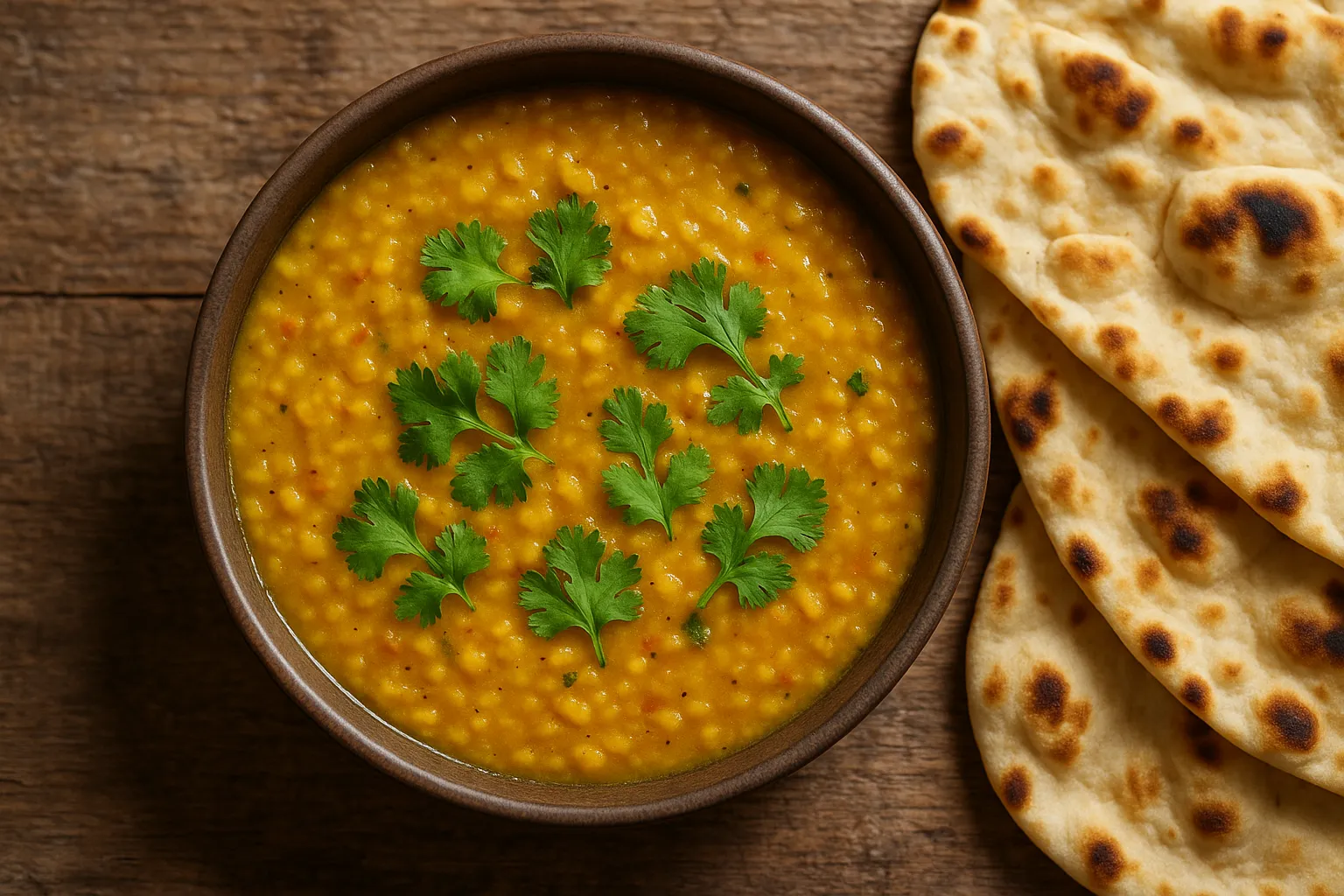
Quick Nutrition Facts
Per 1 Cup Dal Fry (198g)
| Nutrient | Amount |
|---|---|
| Calories | 230 kcal |
| Protein | 18g |
| Carbohydrates | 40g |
| Fiber | 16g |
| Sugars | 3.6g |
| Fat | 0.8g |
| Iron | 6.6mg |
| Folate | 358mcg |
| Potassium | 731mg |
| Magnesium | 71mg |
Macronutrient Breakdown
 ChatGPT
  Claude
  AI Mode
  Perplexity
NUTRITIONIST INSIGHT
Dal fry is one of the world's best plant proteins. One cup provides 18g protein, 90% of daily folate needs, and 37% of iron - all with a low glycemic index of 25.
Myth Busters
MYTH #1: Dal Causes Weight Gain
TRUTH: Dal fry is excellent for weight loss. One cup has only 230 calories but provides 18g protein and 16g fiber that promote fullness. The low GI (25) helps control appetite and blood sugar.
MYTH #2: Dal Has Too Many Carbs for Diabetics
TRUTH: Dal has a glycemic index of just 25 - one of the lowest among all foods. The high fiber and protein slow glucose absorption, making it ideal for diabetes management.
MYTH #3: You Need Meat for Protein
TRUTH: One cup of dal provides 18g complete protein with all essential amino acids. When combined with rice or roti, it forms a complete protein comparable to meat, eggs, or dairy.
MYTH #4: Dal Causes Gas and Bloating
TRUTH: Soaking dal for 4-6 hours and cooking thoroughly reduces anti-nutrients that cause gas. Adding cumin, asafoetida (hing), or ginger aids digestion. Start with small portions if you're new to dal.
MYTH #5: All Dals Are the Same
TRUTH: Different dals have unique benefits. Masoor dal has highest protein (25.8g/100g) and lowest GI. Moong dal is easiest to digest. Toor dal is richest in folate. Choose based on your health goals.
MYTH #6: Dal Lacks Essential Nutrients
TRUTH: Dal provides iron (6.6mg/cup), folate (358mcg), magnesium, potassium, and B-vitamins. It's one of the most nutrient-dense foods globally, preventing anemia, supporting heart health, and boosting immunity.
NutriScore by Health Goals
| Health Goal | NutriScore | Why This Score? |
|---|---|---|
| Weight Loss |  | High protein (18g) and fiber (16g) promote fullness, low GI (25) prevents cravings, only 230 calories. |
| Muscle Gain | | 18g plant protein per cup supports muscle recovery, iron prevents fatigue, magnesium aids muscle function. |
| Diabetes Management | | Lowest GI among staple foods (25), high fiber slows glucose absorption, improves insulin sensitivity. |
| PCOS Management | | Low GI prevents insulin spikes, high fiber reduces inflammation, plant protein supports hormonal balance. |
| Pregnancy Nutrition | | Provides 90% daily folate preventing neural tube defects, 37% iron for blood health, protein for fetal development per ACOG recommendations. |
| Viral/Flu Recovery | | Easy to digest protein supports immune function, iron boosts energy, anti-inflammatory compounds aid recovery. |
PERSONALIZED NUTRITION
Track your meals with NutriScan for personalized NutriScores based on your specific health goals!
Blood Sugar Response to Dal Fry
Understanding how dal fry affects your blood glucose shows why it's excellent for diabetes and weight management.
Typical Glucose Response Curve
This chart shows typical blood glucose response for general healthy individuals. Individual responses may vary. Not medical advice.
How Dal Fry Controls Blood Sugar
Dal's combination of protein, fiber, and resistant starch creates minimal blood glucose rise compared to rice or wheat:
- 🥄 Pair with rice (1:3 ratio) - Dal slows rice's glucose absorption
- 🫓 Serve with roti or chapati - Complete protein with stable energy
- 🥒 Add vegetables - Extra fiber and nutrients
- 🧈 Use ghee or oil minimally - Adds healthy fats without excess calories
This combination keeps blood sugar stable for 3-4 hours, preventing energy crashes and cravings.
Cultural Significance
Dal has been a cornerstone of Indian cuisine for over 4,000 years, mentioned in ancient Ayurvedic texts and Vedic literature.
In India:
- Every region has unique dal preparations: Punjabi Dal Makhani, Bengali Cholar Dal, South Indian Sambar
- Considered "poor man's meat" - affordable complete protein for millions
- Ayurveda recommends dal for balancing all three doshas (Vata, Pitta, Kapha)
- Dal-chawal (lentils and rice) is India's ultimate comfort food, served at every meal
Global Impact:
- Lentils feed 1.3 billion people daily across South Asia, Middle East, and Africa
- Sustainable crop: fixes nitrogen in soil, requires minimal water
- UNESCO recognizes Mediterranean diet's inclusion of legumes like lentils
- Rising popularity in Western vegan and plant-based diets
Compare & Substitute
Dal Fry vs Similar Protein Sources (Per 100g)
| Nutrient | 🥣 Dal Fry | 🍗 Chicken Breast | 🧀 Paneer | 🥜 Chickpeas |
|---|---|---|---|---|
| Calories | 116 kcal | 165 kcal | 265 kcal | 164 kcal |
| Carbs | 20g | 0g | 3.6g | 27g |
| Fiber | 8g | 0g | 0g | 7.6g |
| Protein | 9g | 31g | 18g | 8.9g |
| Fat | 0.4g | 3.6g | 20g | 2.6g |
| Iron | 3.3mg | 0.9mg | 0.3mg | 2.9mg |
| GI | 25 | 0 | 0 | 28 |
| Best For | Diabetes, weight loss, budget | Muscle gain, low-carb diets | Vegetarian protein, keto | Mediterranean diet, fiber |
Frequently Asked Questions
Is dal fry good for weight loss?
Yes, dal fry is one of the best foods for weight loss. One cup has only 230 calories but provides 18g protein and 16g fiber that keep you full for hours.
Why it works: Low GI (25) prevents blood sugar spikes and cravings; high protein boosts metabolism; fiber promotes satiety. Studies show regular lentil consumption supports sustainable weight loss.
Best practices: Eat 1 cup daily, minimal oil/ghee (1-2 tsp), pair with vegetables, avoid excess salt, eat at lunch or dinner for best results.
Can diabetics eat dal fry?
Absolutely! Dal fry is one of the best foods for diabetes management with a glycemic index of just 25.
Benefits for diabetics:
- Ultra-low GI prevents blood sugar spikes
- 16g fiber per cup slows glucose absorption
- 18g protein improves insulin sensitivity
- Replaces high-GI foods like white rice or bread
Research shows daily lentil consumption lowers fasting blood glucose and improves long-term diabetes control. Always pair with vegetables and monitor portions (1 cup recommended).
How much protein is in dal fry?
One cup of dal fry contains 18 grams of high-quality plant protein, providing about 36% of daily protein needs for most adults.
When combined with rice or roti, dal forms a complete protein with all essential amino acids comparable to animal proteins. Perfect for vegetarians, vegans, and anyone seeking plant-based nutrition.
What are the main health benefits of dal fry?
Key Benefits:
- High Protein: 18g per cup supports muscle maintenance and satiety
- Rich in Folate: 358mcg (90% DV) prevents birth defects during pregnancy
- Iron-Rich: 6.6mg (37% DV) prevents anemia and boosts energy
- Diabetes Control: GI of 25 with minimal blood sugar impact
- Heart Health: Fiber, potassium, and polyphenols reduce cardiovascular disease risk
- Weight Management: High satiety with low calories
When is the best time to eat dal fry?
Depends on your goal:
- Weight Loss: Lunch (provides sustained energy, prevents evening cravings). Avoid heavy dal at dinner.
- Muscle Gain: Post-workout dinner (protein for muscle recovery). Can also have at lunch.
- Diabetes: Lunch (best time for glycemic control, active metabolism).
- Pregnancy: Any meal (consistent folate and iron throughout the day).
IMPORTANT NOTE
Avoid dal on empty stomach if you have acid reflux. Always pair with carbs (rice/roti) for complete nutrition.
Which dal is healthiest?
All dals are healthy, but each has unique strengths:
Masoor Dal (Red Lentils):
- Lowest GI (25), highest protein (25.8g/100g)
- Best for diabetes and weight loss
- Most iron (8.6mg/100g)
Moong Dal (Mung Lentils):
- Easiest to digest
- Best for gut health and post-illness recovery
- Lower protein but higher antioxidants
Toor Dal (Pigeon Peas):
- Richest in folate
- Best for pregnancy
- Balanced protein and fiber
Recommendation: Diabetes/weight loss = Masoor dal. Digestion issues = Moong dal. Pregnancy = Toor dal.
How much dal fry should I eat per day?
General Guidelines:
- 1 cup daily (198g) - Most adults (230 calories, 18g protein)
- 1.5 cups daily - Athletes, muscle gain, pregnancy (27g protein)
- 0.5-1 cup daily - Weight loss, portion control (115-230 calories)
Avoid excess: More than 2 cups daily can cause gas, bloating, or excess calories from added fats. Vary with other protein sources for complete nutrition.
Track your meals with NutriScan app to optimize dal portions for your personal goals.
Does dal fry cause gas?
Some people experience gas from dal, but it's easily preventable:
Prevention tips:
- Soak dal for 4-6 hours before cooking (removes anti-nutrients)
- Add digestive spices: Cumin, asafoetida (hing), ginger, turmeric
- Cook thoroughly until very soft (pressure cook for 4-5 whistles)
- Start small if new to dal (1/4 cup, gradually increase)
- Avoid excess fiber from other sources on same day
If you're prone to bloating, choose moong dal (easiest to digest) over masoor or chana dal.


Similar Nutritious Foods
4505 Chicharrones Classic Chili Salt
7 Eleven Japan Crispy Corn Cheese
Explore More Nutrition Tools & Resources
AI Calorie Counter App - Snap a Photo, Get Macros
AI Nutritionist App That Reads Your Logged Meals
Best Protein Supplements for Women
Bulking Meal Plan App That Sets Your Surplus
ChatGPT Calorie Counter Alternative That Keeps the Total
ChatGPT Diet Plan Alternative That Tracks What You Eat
ChatGPT Weight Loss Coach Alternative With a Food Log
Fast Food Calorie Counter App That Reads the Tray
Free Calorie Tracker App with AI Photo Scans | NutriScan
Indian Diet Plan App With Veg and Non Veg Meals
Indian Food Calorie Calculator - Get Instant Nutrition Facts for Desi Meals — 2026
Intermittent Fasting for Women, Timer and Meal Log App
Intermittent Fasting Tracker App - Free Fasting Timer
Macro Tracker App That Fills the Numbers From a Photo
Mediterranean Diet Meal Plan App That Counts the Oil
Micronutrient Tracker App for Vitamins and Minerals
MyFitnessPal Alternative That Stays Free | NutriScan
NutriScore App: A Free Grade on Every Meal | NutriScan
Nutrition Label Scanner App for the Amount You Ate
Second Trimester Protein Guide
Vegetarian Meal Plan App With a Protein Target
Voice Calorie Counter - Speak to Track Meals Hands-Free
Water and Calorie Tracker App - Free Water Log