David Bronze Protein Bar: Calories, Nutrition and Health Benefits
A candy bar-style protein bar delivering 20g protein and 0g sugar in just 150 calories — indulgence meets high-protein performance.
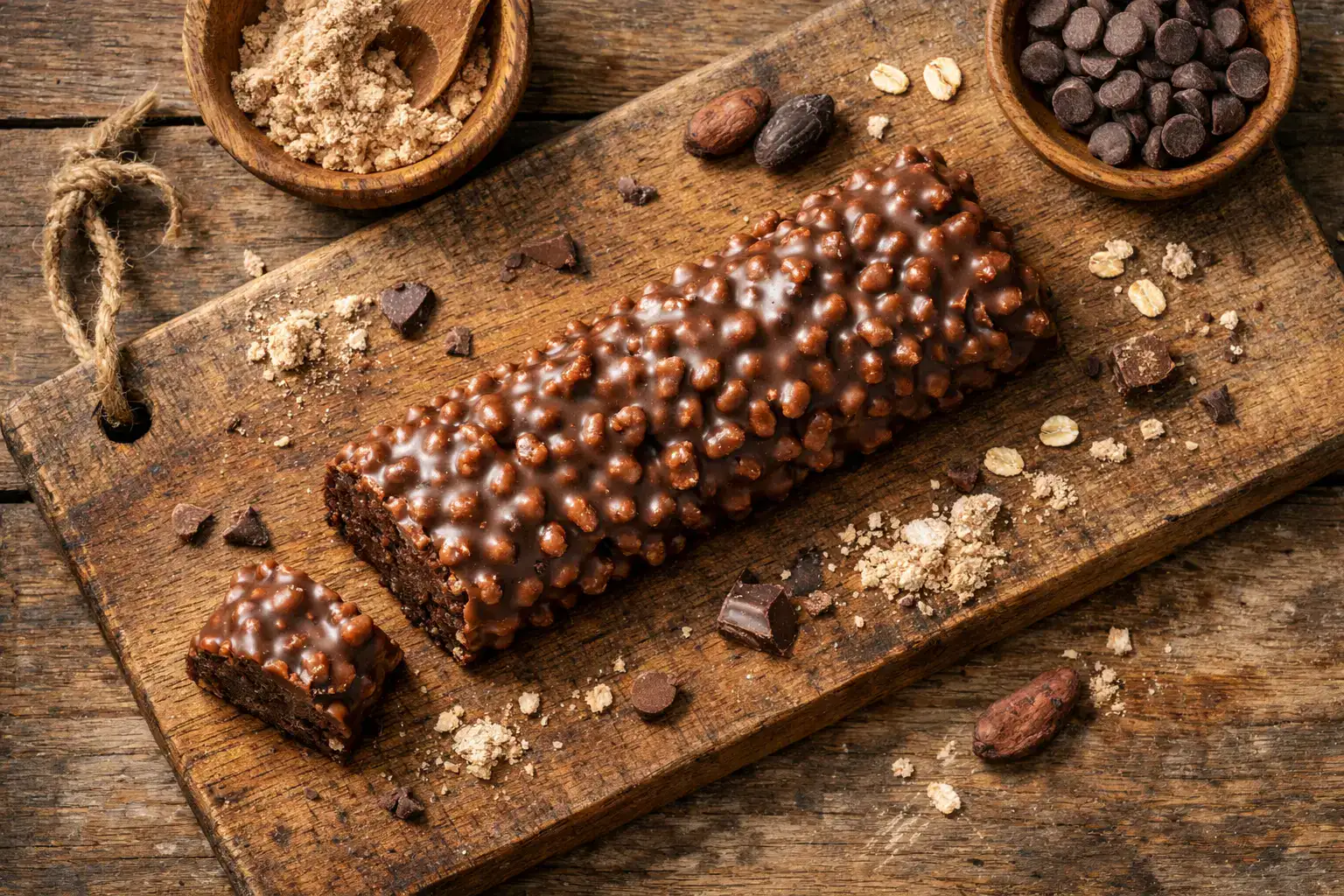
Quick Nutrition Facts
Per 1 Bar (~50g)
| Nutrient | Amount |
|---|---|
| Calories | 150 kcal |
| Protein | 20g |
| Carbohydrates | 18g |
| Fiber | 5g |
| Sugar Alcohol | 11g |
| Sugars | 0g |
| Fat | 4g |
| Saturated Fat | 2g |
| Sodium | 150mg |
| Calcium | 200mg |
Macronutrient Breakdown
 ChatGPT
  Claude
  AI Mode
  Perplexity
NUTRITIONIST INSIGHT
With 53% of calories from protein and 0g added sugar, the David Bronze Protein Bar is one of the most protein-dense candy bar-style snacks available. The 5g fiber from the crunchy coating helps with satiety, while the whey and milk protein isolate blend delivers fast-absorbing amino acids for muscle recovery.
Myth Busters
MYTH #1: Protein Bars Are Just Glorified Candy Bars
TRUTH: The David Bronze Protein Bar has 20g protein and 0g sugar — unlike candy bars that average 2-4g protein and 20-30g sugar per serving. High-protein snacks significantly reduce subsequent calorie intake compared to high-fat snacks, making them a smarter choice for appetite control.
MYTH #2: Sugar Alcohols Are Just as Bad as Sugar
TRUTH: Maltitol and other sugar alcohols have significantly lower glycemic responses than glucose across all ethnic groups. While they provide some calories (~2 kcal/g vs 4 kcal/g for sugar), they don't cause the same blood sugar spikes as regular sugar.
MYTH #3: 150 Calories Can't Be Filling
TRUTH: Protein increases satiety more than carbohydrate or fat and reduces hunger hormones like ghrelin. With 20g protein and 5g fiber, this bar provides sustained fullness that far exceeds what 150 calories of carbs would offer.
MYTH #4: You Need Real Sugar for Energy
TRUTH: The 18g carbohydrates (including sugar alcohols) plus 20g protein provide sustained energy without a sugar crash. Whey protein bars maintain stable blood glucose levels better than equivalent dextrose, preventing the spike-and-crash cycle of sugary snacks.
MYTH #5: Artificial Sweeteners Are Dangerous
TRUTH: Sucralose and acesulfame potassium in David Bronze bars are FDA-approved sweeteners with no significant effect on blood sugar in healthy individuals. The amounts used in a single protein bar are well within established safe daily intake levels.
NutriScore by Health Goals
| Health Goal | NutriScore | Why This Score? |
|---|---|---|
| Weight Loss |  | Only 150 calories with 20g protein. High protein intake enhances satiety and reduces subsequent energy intake. 0g sugar supports calorie control. |
| Muscle Gain | | 20g protein from whey, milk isolate, and egg white provides fast-absorbing amino acids. 20-25g protein post-workout maximizes muscle protein synthesis. |
| Diabetes Management |  | 0g added sugar, uses sugar alcohols with lower glycemic impact than glucose. Monitor blood sugar response to maltitol individually. |
| PCOS Management | | High protein-to-calorie ratio supports insulin sensitivity. 0g sugar avoids insulin spikes. Limit to 1 bar daily. |
| Pregnancy Nutrition |  | Provides 20g protein toward the recommended 71g/day during pregnancy. Contains artificial sweeteners — consult healthcare provider. |
| Viral/Flu Recovery | | Easy to eat when appetite is low. 20g protein supports immune function and tissue repair. 150mg sodium aids hydration. |
PERSONALIZED NUTRITION
Track your meals with NutriScan for personalized NutriScores based on your specific health goals!
Blood Sugar Response to David Bronze Protein Bar
Understanding how this protein bar affects your blood glucose can help you make informed decisions about when and how to eat it.
Typical Glucose Response Curve
This chart shows typical blood glucose response for general healthy individuals. Individual responses may vary. Not medical advice.
How to Flatten the Spike
High-protein foods blunt the glycemic response of accompanying carbohydrates, and this bar already contains 20g protein. To further stabilize blood sugar:
- 🥜 Pair with a handful of nuts — Adds healthy fats to slow digestion further
- 🥛 Drink with milk or Greek yogurt — Extra protein and calcium
- 🥗 Eat after a fiber-rich meal — Fiber slows carb absorption
- 🚶 Take a short walk after eating — Even 10 minutes of walking reduces post-meal glucose peaks
This combination extends energy release and prevents any modest spike from the sugar alcohols.
Cultural Significance
The David Protein brand launched in 2024 as a disruptor in the protein bar category, founded by Peter Rahal (co-founder of RXBAR) and backed by high-profile investors.
In the Fitness Community:
- Pioneered the "high-density protein" category with 28g protein at 150 calories (Gold line)
- Bronze series launched January 2026, bringing candy bar-style indulgence to the high-protein category
- Competes with established brands like Barebells, Grenade, and ESN in the premium protein bar space
- $3.25 per bar positions it as a premium product
Global Impact:
- Represents the shift toward functional snacking — high protein, zero sugar, low calorie
- Available through direct-to-consumer and major retailers (Walmart, Amazon)
- Part of a growing trend of protein bars as meal replacements and post-workout recovery snacks
Compare & Substitute
David Bronze vs Similar Protein Bars (Per Bar)
| Nutrient | 🍫 David Bronze | 🥇 David Gold | 🟤 Barebells | 💥 Grenade Carb Killa |
|---|---|---|---|---|
| Calories | 150 kcal | 150 kcal | 200 kcal | 215 kcal |
| Protein | 20g | 28g | 20g | 23g |
| Carbs | 18g | 15g | 18g | 17g |
| Fiber | 5g | 7g | 2g | 7g |
| Fat | 4g | 2.5g | 8g | 9g |
| Sugar | 0g | 0g | 2g | 1g |
| CFP | 53% | 75% | 40% | 43% |
| Best For | Indulgent high-protein snack | Maximum protein density | Balanced taste + protein | Layered textures + protein |
Frequently Asked Questions
Is the David Bronze Protein Bar good for weight loss?
Yes, at only 150 calories with 20g protein, the David Bronze bar is excellent for weight loss. The high protein content promotes satiety and reduces appetite, while the 0g sugar prevents unnecessary calorie intake from sweeteners.
Best practices: Use as a snack between meals or post-workout. Limit to 1-2 bars per day within your calorie goals. Pair with whole foods for complete nutrition.
Can diabetics eat David Bronze Protein Bars?
Diabetics can eat David Bronze bars with caution. The bar uses maltitol (11g sugar alcohol) instead of sugar, which has a lower glycemic impact. However, maltitol can still modestly raise blood sugar.
Tips for diabetics:
- Start with half a bar to assess your glucose response
- Monitor blood sugar 2 hours after eating
- The 20g protein helps stabilize the blood sugar response
- Choose the Gold variant (lower carbs) if blood sugar is a concern
Always consult your healthcare provider for personalized dietary advice.
How much protein is in a David Bronze Protein Bar?
Each bar contains 20g of protein from a blend of milk protein isolate, whey protein concentrate, egg white, and collagen. This provides 53% of the bar's calories from protein.
For maximum protein density, the David Gold bar offers 28g protein at the same 150 calories (75% CFP).
What are the main health benefits of David Bronze Protein Bars?
Key Benefits:
- High Protein Density: 20g protein at only 150 calories supports muscle recovery and satiety
- Zero Added Sugar: Uses sugar alcohols and artificial sweeteners instead of sugar
- Post-Workout Recovery: Whey and milk protein isolate provide fast-absorbing amino acids
- Appetite Control: High protein + 5g fiber promotes fullness between meals
- Convenient Nutrition: Portable, shelf-stable source of quality protein
When is the best time to eat a David Bronze Protein Bar?
Depends on your goal:
- Weight Loss: Between meals (10am or 3pm) to prevent hunger-driven overeating. Avoid as a late-night snack.
- Muscle Gain: Within 30-60 minutes post-workout for optimal muscle protein synthesis.
- Diabetes: After a fiber-rich meal. Not on empty stomach (maltitol absorbs faster alone).
- Energy: 30-60 minutes before moderate exercise.
IMPORTANT NOTE
Sugar alcohols (maltitol) may cause digestive discomfort in some people. Start with half a bar if you're new to sugar alcohol-based products.
David Bronze vs David Gold — which should I choose?
Both are 150 calories with 0g sugar, but serve different purposes:
Choose Gold (28g protein) if:
- Maximizing protein intake is your top priority
- You prefer a minimalist, clean taste
- You're on a strict cut or high-protein diet
Choose Bronze (20g protein) if:
- You want a candy bar-like indulgent experience
- 20g protein is sufficient for your goals
- You enjoy crunchy, coated textures
Recommendation: Gold for serious protein goals. Bronze for a satisfying daily snack that still delivers strong nutrition.
What are the allergens in David Bronze Protein Bars?
David Bronze contains: Milk, Egg, Coconut, Soy. May contain: Peanut, Sesame, Tree Nuts.
The bar is not suitable for those with dairy, egg, or soy allergies. It is gluten-free.
Are there any side effects?
The main consideration is the 11g of sugar alcohols (maltitol) per bar. Some people may experience:
- Bloating or gas
- Stomach discomfort
- Laxative effect (especially with multiple bars)
Start with half a bar to test your tolerance. These effects typically decrease with regular consumption as gut bacteria adapt.


Similar Nutritious Foods
4505 Chicharrones Classic Chili Salt
7 Eleven Japan Crispy Corn Cheese
Explore More Nutrition Tools & Resources
AI Calorie Counter App - Snap a Photo, Get Macros
AI Nutritionist App That Reads Your Logged Meals
Best Protein Supplements for Women
Bulking Meal Plan App That Sets Your Surplus
ChatGPT Calorie Counter Alternative That Keeps the Total
ChatGPT Diet Plan Alternative That Tracks What You Eat
ChatGPT Weight Loss Coach Alternative With a Food Log
Fast Food Calorie Counter App That Reads the Tray
Free Calorie Tracker App with AI Photo Scans | NutriScan
Indian Diet Plan App With Veg and Non Veg Meals
Indian Food Calorie Calculator - Get Instant Nutrition Facts for Desi Meals — 2026
Intermittent Fasting for Women, Timer and Meal Log App
Intermittent Fasting Tracker App - Free Fasting Timer
Macro Tracker App That Fills the Numbers From a Photo
Mediterranean Diet Meal Plan App That Counts the Oil
Micronutrient Tracker App for Vitamins and Minerals
MyFitnessPal Alternative That Stays Free | NutriScan
NutriScore App: A Free Grade on Every Meal | NutriScan
Nutrition Label Scanner App for the Amount You Ate
Second Trimester Protein Guide
Vegetarian Meal Plan App With a Protein Target
Voice Calorie Counter - Speak to Track Meals Hands-Free
Water and Calorie Tracker App - Free Water Log