Egg Fried Rice: Calories, Nutrition and Health Benefits
Classic Asian comfort food combining protein-rich eggs with carbohydrate energy - a complete meal in one dish.
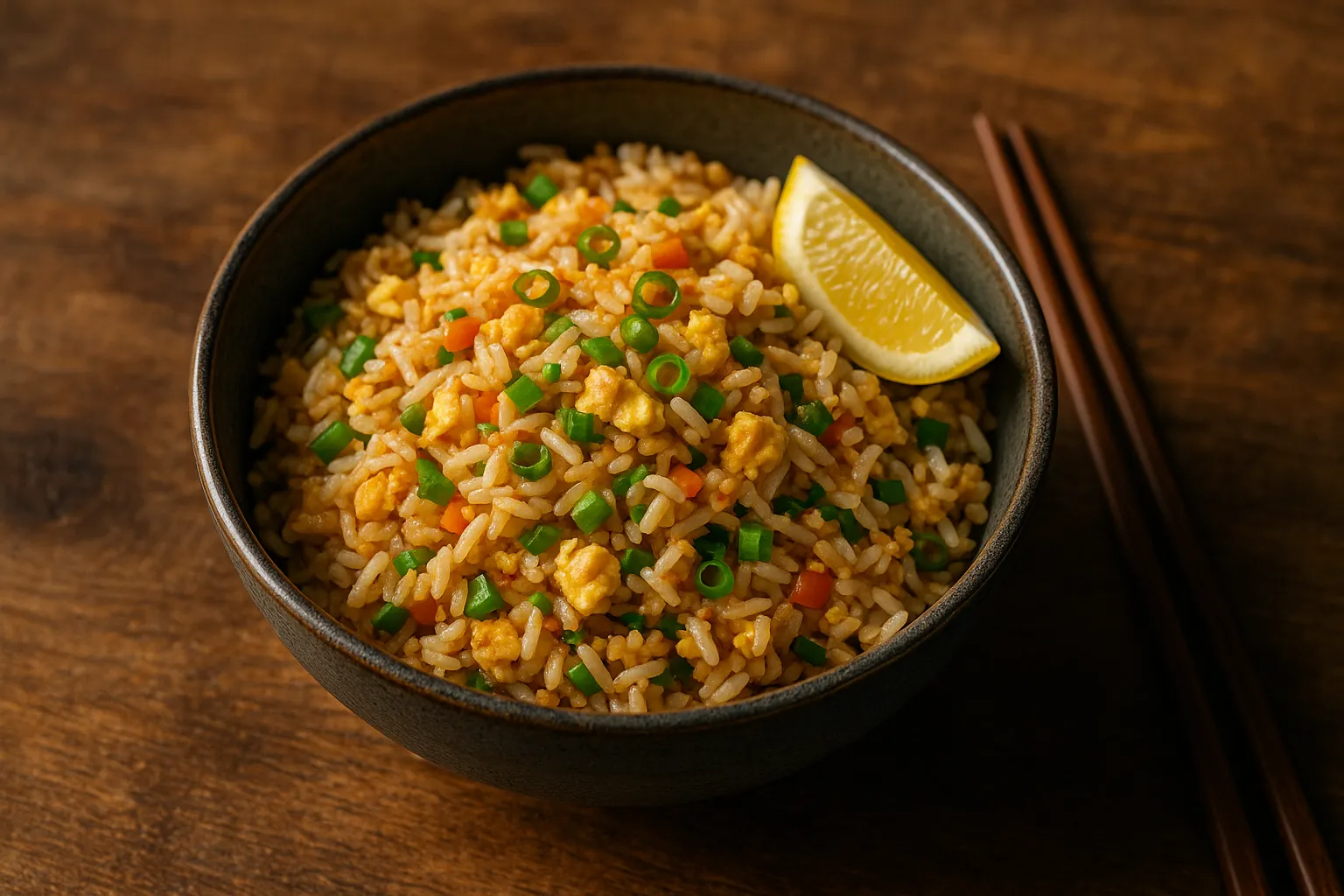
Quick Nutrition Facts
Per 1 Cup (137g)
| Nutrient | Amount |
|---|---|
| Calories | 238 kcal |
| Protein | 8g |
| Carbohydrates | 35g |
| Fiber | 1.2g |
| Sugars | 1g |
| Fat | 6g |
| Cholesterol | 126mg |
| Sodium | 450mg |
| Iron | 2.1mg |
| Selenium | 18mcg |
Macronutrient Breakdown
 ChatGPT
  Claude
  AI Mode
  Perplexity
NUTRITIONIST INSIGHT
Egg fried rice offers balanced macronutrients - 8g protein from eggs for satiety, 35g carbs for sustained energy, and minimal fat when prepared properly. Add extra vegetables to increase fiber and micronutrient content without significantly adding calories.
Myth Busters
MYTH #1: Egg Fried Rice Is Too High in Calories
TRUTH: Homemade egg fried rice contains approximately 238 calories per cup, making it a reasonable meal option. The combination of protein and complex carbs provides sustained energy. Restaurant versions often exceed 400 calories due to excessive oil - making it at home with cooking spray dramatically reduces calories.
MYTH #2: Fried Rice Is Unhealthy Junk Food
TRUTH: When prepared with minimal oil, brown rice, plenty of vegetables, and quality eggs, fried rice is a balanced meal. It provides protein, complex carbs, vitamins, and minerals. The "fried" aspect doesn't automatically make it unhealthy - the cooking method and ingredients determine nutritional value.
MYTH #3: You Need Day-Old Rice to Make Fried Rice
TRUTH: While day-old rice is traditional because it's drier and separates easily, you can use fresh rice by spreading it on a tray and refrigerating for 20-30 minutes. The key is removing excess moisture so rice doesn't clump or become mushy when stir-fried.
MYTH #4: Egg Fried Rice Lacks Protein
TRUTH: Each cup provides 8g protein from eggs and rice. This can easily be increased to 15-20g by adding extra eggs, chicken breast, shrimp, or tofu. The egg protein is complete with all essential amino acids, supporting muscle maintenance and repair.
MYTH #5: Diabetics Should Never Eat Fried Rice
TRUTH: Diabetics can enjoy egg fried rice with modifications: use brown rice for lower GI, add extra non-starchy vegetables (carrots, peas, bell peppers), include lean protein, limit portion to 3/4 cup, and pair with side salad. The egg protein helps slow glucose absorption.
MYTH #6: Egg Fried Rice Has Too Much Sodium
TRUTH: Restaurant versions can exceed 1,000mg sodium per serving. However, homemade egg fried rice can be prepared with 200-400mg sodium by using reduced-sodium soy sauce, adding herbs and spices for flavor, and limiting salt. Control sodium by cooking at home.
NutriScore by Health Goals
| Health Goal | NutriScore | Why This Score? |
|---|---|---|
| Weight Loss |  | 238 calories per cup, moderate satiety from 8g protein. Use brown rice, add vegetables, limit oil. Control portions (1 cup max) and eat at lunch when metabolism is most active. |
| Muscle Gain | | Good post-workout meal with 35g carbs for glycogen replenishment and 8g protein. Add extra eggs or chicken breast to boost protein to 15-20g for better muscle recovery. |
| Diabetes Management |  | Moderate GI with white rice. Choose brown rice, add vegetables, include protein, limit to 3/4 cup. Egg protein helps moderate blood sugar response. |
| PCOS Management | | Carb-heavy meal may affect insulin sensitivity. Use brown rice, add extra protein and vegetables, limit portion, and pair with fiber-rich side salad. |
| Pregnancy Nutrition | | Provides protein (8g), iron (2.1mg), selenium, and B vitamins. Ensure eggs are fully cooked. Add vegetables for folate and vitamins. Use low-sodium soy sauce. |
| Viral/Flu Recovery | | Easy to digest, provides quick energy from carbs, protein for immune recovery. Add ginger and garlic for antimicrobial properties. Gentle on upset stomach. |
PERSONALIZED NUTRITION
Track your meals with NutriScan for personalized NutriScores based on your specific health goals!
Blood Sugar Response to Egg Fried Rice
Understanding blood glucose response helps optimize preparation and timing for better metabolic health.
Typical Glucose Response Curve
*This chart shows typical blood glucose response for general healthy individuals. Individual responses may vary. Not medical advice.*
How to Flatten the Spike
The egg protein in fried rice helps moderate blood sugar response, but these strategies further improve glycemic control:
- 🍚 Choose brown rice - Lower GI (50-55) vs white rice (70-80), more fiber, slower digestion
- 🥦 Add non-starchy vegetables - Broccoli, bell peppers, carrots, peas increase fiber and nutrients
- 🍗 Increase protein - Add extra eggs, chicken breast, or tofu to slow carb absorption
- 🥗 Pair with side salad - Mixed greens with vinegar-based dressing further reduces glucose spike
This combination of protein, fiber, and healthy fats slows glucose absorption, providing sustained energy without dramatic blood sugar fluctuations.
Cultural Significance
Egg fried rice represents resourcefulness in Asian culinary tradition - transforming leftover rice into a complete, delicious meal.
In China (炒饭 Chǎo Fàn):
- Originated during Sui Dynasty (589-618 AD) in Yangzhou
- Yangzhou fried rice is the most famous regional variety
- Considered comfort food and home cooking staple
- Often eaten for breakfast or as late-night snack
- Every region has unique version with local ingredients
In Other Asian Countries:
- Thailand: Khao Pad - includes fish sauce and lime
- Indonesia: Nasi Goreng - uses sweet soy sauce (kecap manis)
- India: Indo-Chinese adaptation popular in street food
- Japan: Chahan - lighter on oil, often includes green onions
Global Adaptation:
- Most popular Asian dish worldwide
- Symbol of Asian cuisine's practicality and flavor
- Adapted with local ingredients in every country
- Represents fusion of simple ingredients creating satisfying meals
Compare & Substitute
Egg Fried Rice vs Similar Rice Dishes (Per Cup/137g)
| Nutrient | 🥚 Egg Fried Rice | 🍗 Chicken Fried Rice | 🦐 Shrimp Fried Rice | 🥬 Vegetable Fried Rice |
|---|---|---|---|---|
| Calories | 238 kcal | 280 kcal | 250 kcal | 200 kcal |
| Carbs | 35g | 38g | 36g | 34g |
| Fiber | 1.2g | 2g | 1.5g | 3g |
| Protein | 8g | 15g | 12g | 5g |
| Fat | 6g | 8g | 7g | 5g |
| Sodium | 450mg | 650mg | 580mg | 400mg |
| Iron | 2.1mg | 1.8mg | 2.5mg | 1.5mg |
| Cholesterol | 126mg | 45mg | 90mg | 0mg |
| Best For | Balanced meal | High-protein lunch | Seafood lovers | Lower calorie/vegan option |
Frequently Asked Questions
Is egg fried rice good for weight loss?
Egg fried rice can support weight loss when prepared healthily and portioned appropriately. At 238 calories per cup with 8g protein, it provides moderate satiety.
Best practices for weight loss:
- Use brown rice for more fiber (increases satiety)
- Cook with cooking spray instead of oil (saves 100+ calories)
- Add extra vegetables (carrots, peas, bell peppers) for volume without calories
- Limit portion to 1 cup and pair with side salad
- Eat at lunch when metabolism is most active
- Avoid restaurant versions (often 400-600 calories with excessive oil)
The combination of protein and complex carbs provides sustained energy, reducing cravings between meals.
Can diabetics eat egg fried rice?
Diabetics can eat egg fried rice with proper modifications. The egg protein helps moderate blood sugar response by slowing glucose absorption.
Tips for diabetics:
- Use brown rice or cauliflower rice for lower glycemic impact (GI 50 vs 70)
- Add extra non-starchy vegetables (bell peppers, broccoli, mushrooms)
- Include additional protein (extra eggs, chicken, tofu) to slow carb digestion
- Limit portion to 3/4 cup (approximately 26g carbs)
- Pair with high-fiber side salad
- Best timing: lunch or early dinner, not late night
- Monitor blood sugar 2 hours after eating
Research shows that combining protein with carbs reduces postprandial glucose spike by 20-30%. Always consult your healthcare provider.
How much protein is in egg fried rice?
A cup (137g) of egg fried rice contains 8g of protein, primarily from eggs with small contribution from rice. This provides approximately 16% of daily protein needs for a 50kg person.
To increase protein content:
- Add 1 extra egg: +6g protein (total 14g)
- Add 50g chicken breast: +12g protein (total 20g)
- Add 50g shrimp: +10g protein (total 18g)
- Add 50g firm tofu: +8g protein (total 16g)
For muscle building goals requiring 1.6-2.2g protein per kg body weight, enhanced versions with extra protein make egg fried rice a viable post-workout meal.
What are the main health benefits of egg fried rice?
Key Benefits:
- Balanced Energy: 35g complex carbs provide sustained energy for 3-4 hours
- Muscle Support: 8g complete protein with all essential amino acids supports tissue repair
- Micronutrients: B vitamins (B6, B12, folate) for energy metabolism; selenium for immune function; iron for oxygen transport
- Satiety: Protein and carb combination provides better fullness than carbs alone
- Versatility: Easy to add vegetables for fiber, vitamins, and antioxidants
- Budget-Friendly: Affordable, complete meal using simple ingredients
When is the best time to eat egg fried rice?
Depends on your goal:
- Weight Loss: Lunch (12-2 PM) when metabolism is most active and you can burn the carbs throughout afternoon. Avoid dinner or late night.
- Muscle Gain: Post-workout (within 2 hours) for carb replenishment and protein for muscle recovery. Add extra eggs or chicken.
- Energy/Performance: Lunch or early dinner (5-7 PM). Provides sustained energy for afternoon activities or evening workout.
- Diabetes: Lunch when insulin sensitivity is better. Pair with vegetables and monitor blood sugar.
IMPORTANT NOTE
Avoid eating egg fried rice late at night (after 8 PM) as the high carb content may interfere with overnight fat burning and blood sugar regulation during sleep.
Is egg fried rice healthy?
Egg fried rice can be healthy when prepared properly with whole ingredients and minimal processing.
Healthy Preparation:
- Use day-old cooked rice (lower glycemic response than fresh rice)
- Cook with cooking spray or minimal sesame oil
- Add plenty of vegetables (aim for 1:1 rice to vegetable ratio)
- Use brown rice for added fiber and nutrients
- Include quality eggs (omega-3 enriched if available)
- Use reduced-sodium soy sauce or tamari
- Add garlic and ginger for anti-inflammatory benefits
Unhealthy Versions:
- Restaurant takeout (excessive oil, sodium often >1000mg)
- Made with refined white rice only (high GI)
- No vegetables added (lacks fiber and micronutrients)
- Excessive soy sauce (high sodium)
Recommendation: Homemade egg fried rice with brown rice and vegetables is a nutritious, balanced meal suitable for most dietary patterns. It's healthier than most fast food, fried foods, or processed convenience meals.
How many cups of egg fried rice should I eat?
General Guidelines:
- 1 cup (137g) - Standard serving for most people (238 calories, 8g protein, 35g carbs)
- 3/4 cup (103g) - Weight loss, diabetes management, or smaller appetite (179 calories, 6g protein, 26g carbs)
- 1.5 cups (205g) - Athletes, muscle gain, higher calorie needs, or post-workout (357 calories, 12g protein, 52g carbs)
Avoid excess: More than 2 cups provides 70g+ carbs and may lead to blood sugar spikes, energy crashes, and excess calorie intake.
Better approach: Serve 1 cup egg fried rice with side of stir-fried vegetables, soup, or salad for a complete, balanced meal.
Track your meals with NutriScan app to see how egg fried rice fits your personal nutrition goals and daily calorie targets.
Can I eat egg fried rice every day?
Generally safe for most people when prepared healthily, but variety is important for optimal nutrition.
If eating daily:
- Rotate between brown rice, white rice, and cauliflower rice
- Vary the vegetables added (carrots, peas, bell peppers, broccoli, mushrooms)
- Alternate protein sources (eggs one day, chicken next, tofu another)
- Monitor sodium intake - use low-sodium soy sauce
- Ensure you're getting fiber from other meals (fruits, vegetables, legumes)
- Watch portion sizes - stick to 1 cup servings
May want to limit if you have:
- High cholesterol (126mg per cup from eggs)
- High blood pressure (sodium content)
- Diabetes (daily high-carb meals may affect blood sugar control)
Recommendation: 3-4 times per week allows you to enjoy egg fried rice while maintaining dietary variety for optimal nutrition.




Similar Nutritious Foods
4505 Chicharrones Classic Chili Salt
7 Eleven Japan Crispy Corn Cheese
Explore More Nutrition Tools & Resources
AI Calorie Counter App - Snap a Photo, Get Macros
AI Nutritionist App That Reads Your Logged Meals
Best Protein Supplements for Women
Bulking Meal Plan App That Sets Your Surplus
ChatGPT Calorie Counter Alternative That Keeps the Total
ChatGPT Diet Plan Alternative That Tracks What You Eat
ChatGPT Weight Loss Coach Alternative With a Food Log
Fast Food Calorie Counter App That Reads the Tray
Free Calorie Tracker App with AI Photo Scans | NutriScan
Indian Diet Plan App With Veg and Non Veg Meals
Indian Food Calorie Calculator - Get Instant Nutrition Facts for Desi Meals — 2026
Intermittent Fasting for Women, Timer and Meal Log App
Intermittent Fasting Tracker App - Free Fasting Timer
Macro Tracker App That Fills the Numbers From a Photo
Mediterranean Diet Meal Plan App That Counts the Oil
Micronutrient Tracker App for Vitamins and Minerals
MyFitnessPal Alternative That Stays Free | NutriScan
NutriScore App: A Free Grade on Every Meal | NutriScan
Nutrition Label Scanner App for the Amount You Ate
Second Trimester Protein Guide
Vegetarian Meal Plan App With a Protein Target
Voice Calorie Counter - Speak to Track Meals Hands-Free
Water and Calorie Tracker App - Free Water Log