Famichiki: Calories, Nutrition and Health Benefits
Japan's iconic konbini fried chicken delivers crispy satisfaction with 15g protein per piece - a beloved hot snack from FamilyMart convenience stores.
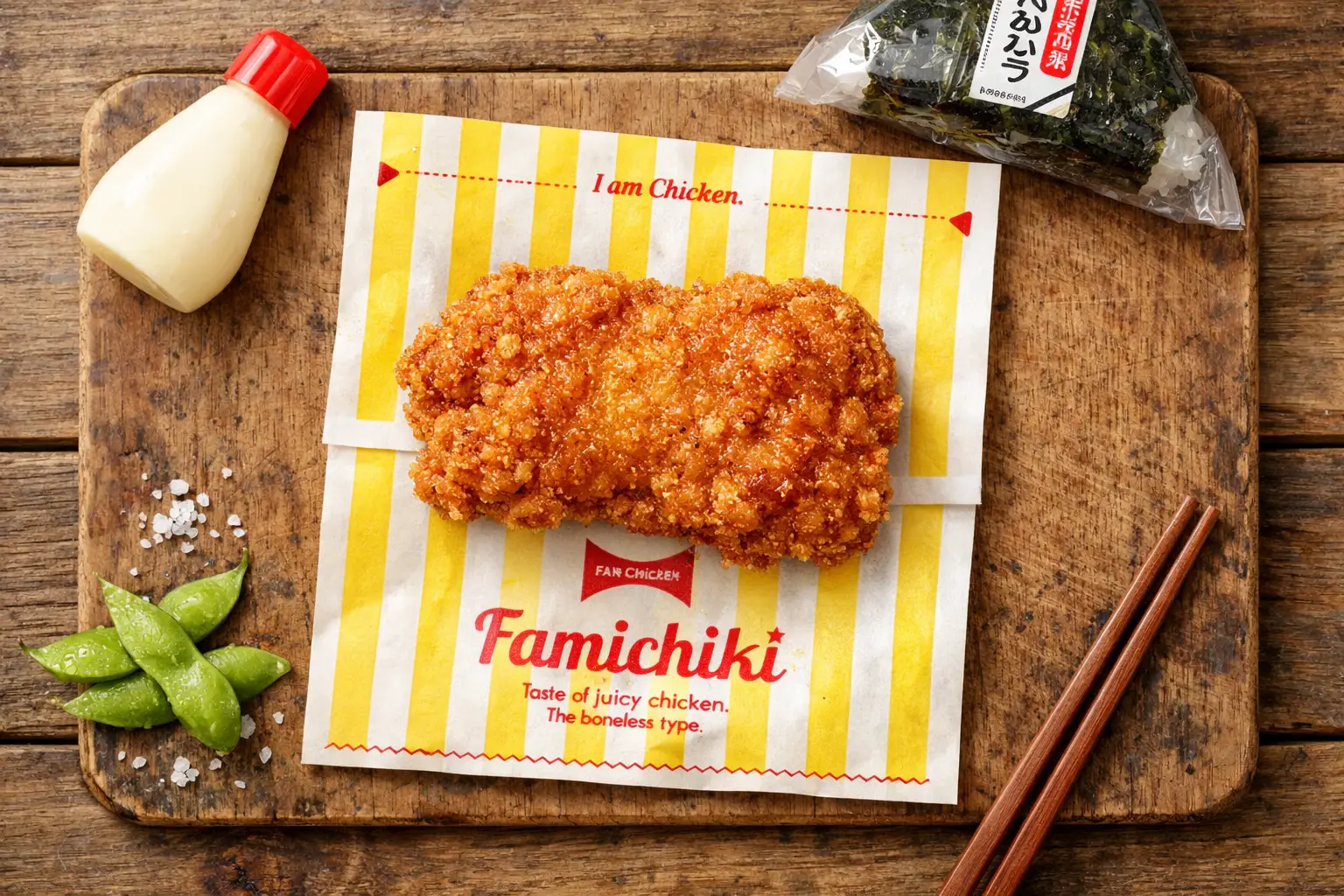
Quick Nutrition Facts
Per 1 Famichiki Piece (~80g)
| Nutrient | Amount |
|---|---|
| Calories | 252 kcal |
| Protein | 15g |
| Carbohydrates | 10g |
| Fiber | 0.5g |
| Sugars | 1g |
| Fat | 17g |
| Saturated Fat | 4g |
| Sodium | 580mg |
| Cholesterol | 65mg |
Macronutrient Breakdown
 ChatGPT
  Claude
  AI Mode
  Perplexity
NUTRITIONIST INSIGHT
Famichiki provides 15g of complete protein from chicken thigh meat. The crispy coating adds carbs and fat, making it a more calorie-dense protein source than grilled chicken. Best enjoyed occasionally as a satisfying snack rather than a daily protein staple.
Myth Busters
MYTH #1: Famichiki Is Junk Food With No Nutritional Value
TRUTH: While fried, Famichiki provides 15g of high-quality protein per piece, supporting muscle maintenance and satiety. The chicken itself offers essential amino acids and B vitamins.
MYTH #2: All Fried Chicken Is Equally Unhealthy
TRUTH: Famichiki uses boneless thigh meat with a thin batter coating. Frying method and oil quality significantly impact nutritional outcome. Fresh-fried konbini chicken often uses better oils than fast food chains.
MYTH #3: Eating Famichiki Will Spike Blood Sugar Dramatically
TRUTH: Despite the breading, Famichiki's high protein and fat content slows glucose absorption. The 10g carbs have less glycemic impact when consumed with the protein-rich chicken.
MYTH #4: You Should Never Eat Fried Chicken If Watching Calories
TRUTH: At 252 calories with 15g protein, Famichiki can fit into a calorie-controlled diet. It's more satisfying than many snacks of similar calories due to its protein content. Portion control is key.
MYTH #5: Konbini Food Is Low Quality Processed Food
TRUTH: Japanese convenience store hot foods like Famichiki are made fresh throughout the day with strict quality standards. FamilyMart sources quality chicken and maintains consistent preparation methods across locations.
NutriScore by Health Goals
| Health Goal | NutriScore | Why This Score? |
|---|---|---|
| Weight Loss |  | 252 calories is moderate; 15g protein aids satiety. High fat content means limit to 1 piece. Pair with vegetables for a balanced meal. |
| Muscle Gain |  | Good protein source (15g complete protein) for muscle synthesis. Poultry provides high-quality amino acids. Use as occasional protein boost. |
| Diabetes Management | | 10g carbs from breading; protein/fat slow absorption. Limit fried food frequency for diabetes management. Eat with fiber-rich sides. |
| PCOS Management |  | High fat and fried preparation not ideal for PCOS. Occasional consumption okay; prefer grilled chicken for regular protein intake. |
| Pregnancy Nutrition | | Protein supports fetal development. Ensure chicken is fully cooked (internal temp 74C/165F). Limit due to high sodium (580mg). |
| Viral/Flu Recovery | | Protein supports immune function; easy to eat. Warm, satisfying food can encourage eating during illness. Stay hydrated due to sodium content. |
PERSONALIZED NUTRITION
Track your meals with NutriScan for personalized NutriScores based on your specific health goals!
Blood Sugar Response to Famichiki
Understanding how Famichiki affects your blood glucose can help you make informed decisions about when and how to enjoy it.
Typical Glucose Response Curve
This chart shows typical blood glucose response for general healthy individuals. Individual responses may vary. Not medical advice.
How to Flatten the Spike
Pairing Famichiki with fiber-rich foods slows glucose absorption and reduces the peak blood sugar level:
- Edamame or salad - Add fiber and nutrients
- Miso soup - Provides probiotics and additional protein
- Brown rice onigiri - Complex carbs for sustained energy
- Fresh vegetables - Raw cucumber or cabbage salad
This combination not only reduces the glucose spike but also extends energy release, keeping you fuller for longer.
Cultural Significance
Famichiki has become an iconic part of Japanese konbini (convenience store) culture since its introduction by FamilyMart in 1986.
In Japan:
- Sold over 150 million pieces annually, making it one of Japan's most popular hot snacks
- Each FamilyMart location fries Famichiki fresh throughout the day
- Became a cultural phenomenon featured in manga, anime, and Japanese media
- Spawned limited editions: spicy, cheese-filled, and regional seasonal flavors
Konbini Culture Impact:
- Japanese convenience stores elevated hot food to restaurant quality
- Famichiki inspired competitors: Lawson's Karaage-kun, 7-Eleven's Nana Chicken
- 24/7 availability made it a staple for students, workers, and late-night snackers
- International tourists now seek out Famichiki as a must-try Japanese food experience
Compare & Substitute
Famichiki vs Similar Foods (Per Serving)
| Nutrient | Famichiki (80g) | Karaage (100g) | Grilled Chicken (100g) | Chicken Katsu (150g) |
|---|---|---|---|---|
| Calories | 252 kcal | 290 kcal | 165 kcal | 350 kcal |
| Carbs | 10g | 12g | 0g | 18g |
| Fiber | 0.5g | 0.5g | 0g | 1g |
| Protein | 15g | 18g | 31g | 25g |
| Fat | 17g | 18g | 3.6g | 20g |
| Sodium | 580mg | 650mg | 75mg | 700mg |
| Best For | Quick protein snack | Meal with rice | Weight loss, muscle gain | Hearty meal |
Frequently Asked Questions
How many calories are in Famichiki?
One Famichiki piece contains approximately 252 calories, with 15g protein, 17g fat, and 10g carbohydrates. Nutrition may vary slightly between locations as batches are made fresh.
Tip: Check the label at FamilyMart for exact values, as seasonal variations and special editions may differ.
Is Famichiki healthy?
Famichiki provides good protein (15g per piece) but is a fried food high in fat and sodium. It can be part of a healthy diet when consumed occasionally.
Healthier approach:
- Limit to 1-2 pieces per week
- Pair with vegetables and salad
- Choose as an occasional treat, not daily protein source
- Balance with grilled or steamed proteins on other days
Can diabetics eat Famichiki?
Diabetics can eat Famichiki occasionally in moderation. The 10g carbs from breading are moderate, and the protein and fat content helps slow glucose absorption.
Tips for diabetics:
- Limit to 1 piece per sitting
- Pair with low-carb sides (salad, edamame)
- Avoid eating with rice or bread
- Monitor blood sugar response
- Choose regular over special high-carb editions
What is Famichiki made of?
Famichiki is made from boneless chicken thigh meat, marinated in a soy-based seasoning blend with garlic and spices, coated in a light crispy batter, and deep-fried fresh at each store.
Key points:
- Uses thigh meat (more flavorful and moist than breast)
- Marinated for consistent seasoning
- Thin batter keeps carbs relatively low
- Fried in vegetable oil at each location
Is Famichiki good for muscle gain?
Yes, Famichiki provides 15g of complete protein per piece, which supports muscle protein synthesis. However, the high fat content (17g) makes it a less efficient protein source than grilled chicken.
For muscle gain:
- Use as occasional protein boost, not primary source
- Pair with rice for post-workout carbs and protein
- Grilled chicken offers better protein-to-calorie ratio
- 2 pieces = 30g protein but also 34g fat and 504 calories
How does Famichiki compare to American fried chicken?
Famichiki differs from American fried chicken in portion size, preparation, and seasoning:
- Size: Famichiki is smaller (~80g) vs KFC pieces (~150g+)
- Coating: Thinner, crispier Japanese batter vs thicker American breading
- Seasoning: Japanese soy-based vs American herb/spice blend
- Freshness: Made fresh at konbini vs often held in warmers
Calorie comparison: Famichiki (252 cal) vs KFC Original (280-320 cal for similar-sized piece)
When is the best time to eat Famichiki?
Depends on your goal:
- Weight Loss: As an occasional treat, paired with vegetables. Avoid late night.
- Muscle Gain: Post-workout with rice for protein and carb replenishment.
- Energy: Mid-afternoon when you need a satisfying pick-me-up.
- Travel: Quick, portable protein during Japan trips.
IMPORTANT NOTE
Famichiki is best enjoyed fresh and hot. Nutritional quality may decline if left sitting for extended periods.


Similar Nutritious Foods
4505 Chicharrones Classic Chili Salt
7 Eleven Japan Crispy Corn Cheese
Explore More Nutrition Tools & Resources
AI Calorie Counter App - Snap a Photo, Get Macros
AI Nutritionist App That Reads Your Logged Meals
Best Protein Supplements for Women
Bulking Meal Plan App That Sets Your Surplus
ChatGPT Calorie Counter Alternative That Keeps the Total
ChatGPT Diet Plan Alternative That Tracks What You Eat
ChatGPT Weight Loss Coach Alternative With a Food Log
Fast Food Calorie Counter App That Reads the Tray
Free Calorie Tracker App with AI Photo Scans | NutriScan
Indian Diet Plan App With Veg and Non Veg Meals
Indian Food Calorie Calculator - Get Instant Nutrition Facts for Desi Meals — 2026
Intermittent Fasting for Women, Timer and Meal Log App
Intermittent Fasting Tracker App - Free Fasting Timer
Macro Tracker App That Fills the Numbers From a Photo
Mediterranean Diet Meal Plan App That Counts the Oil
Micronutrient Tracker App for Vitamins and Minerals
MyFitnessPal Alternative That Stays Free | NutriScan
NutriScore App: A Free Grade on Every Meal | NutriScan
Nutrition Label Scanner App for the Amount You Ate
Second Trimester Protein Guide
Vegetarian Meal Plan App With a Protein Target
Voice Calorie Counter - Speak to Track Meals Hands-Free
Water and Calorie Tracker App - Free Water Log