Fiber-Fortified Smoothie: Calories, Nutrition and Health Benefits
A fiber-packed beverage delivering 32% of your daily fiber in one glass, with gut-friendly prebiotics and natural fruit nutrition for every health goal.
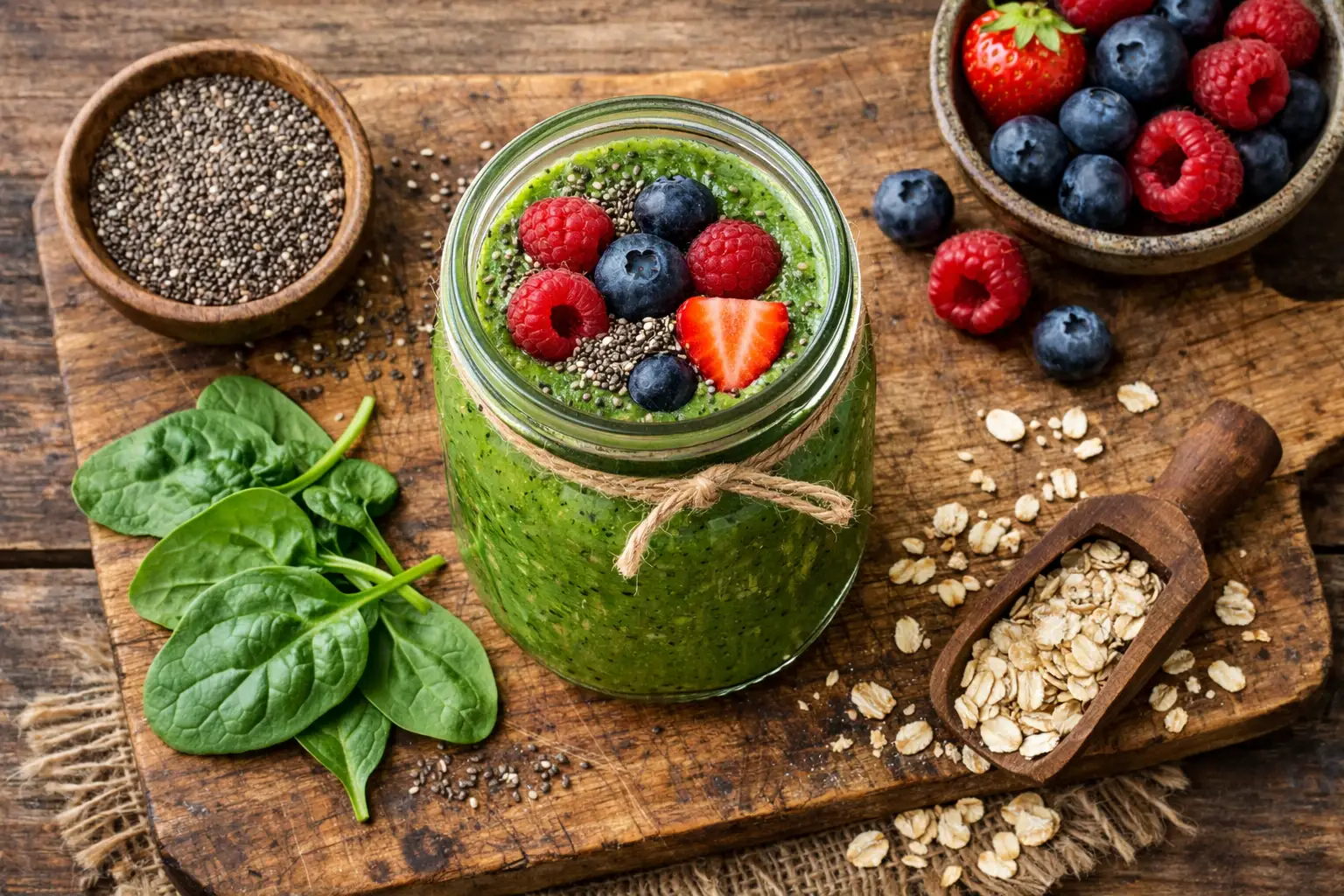
Quick Nutrition Facts
Per 1 Serving (12oz / 355ml)
| Nutrient | Amount |
|---|---|
| Calories | 150 kcal |
| Protein | 5g |
| Carbohydrates | 28g |
| Fiber | 8g |
| Sugars | 16g |
| Fat | 2g |
| Vitamin C | 30mg |
| Calcium | 120mg |
| Iron | 1.5mg |
| Potassium | 350mg |
Macronutrient Breakdown
 ChatGPT
  Claude
  AI Mode
  Perplexity
NUTRITIONIST INSIGHT
Fiber-fortified smoothies deliver 32% of your daily fiber needs in a single glass. The combination of soluble and insoluble fiber from chia seeds, berries, and greens supports gut microbiome diversity while slowing glucose absorption for steady energy.
Myth Busters
MYTH #1: Fiber Smoothies Are Just Sugar Drinks
TRUTH: Unlike juice, fiber-fortified smoothies retain all the whole-food fiber that slows sugar absorption. With 8g of fiber per serving, the soluble fiber forms a gel that reduces glycemic response by up to 25% compared to fiber-free beverages.
MYTH #2: You Can't Get Enough Fiber From a Smoothie
TRUTH: A single 12oz fiber-fortified smoothie provides 8g of fiber (32% DV). Adding chia seeds (10g fiber per oz) or ground flaxseed (8g per oz) can easily push this above 12g. Most adults only consume 16g of the recommended 25-38g daily.
MYTH #3: Blending Destroys Fiber Benefits
TRUTH: Blending changes fiber's physical structure but retains its nutritional benefits. Research shows blended fruit can produce comparable or even lower glycemic responses than whole fruit, as blending makes fiber more accessible for gut bacteria.
MYTH #4: Fiber Smoothies Cause Bloating
TRUTH: Bloating occurs primarily when increasing fiber too quickly. Start with 4-5g per serving and gradually increase. The soluble fiber in smoothies is generally gentler on digestion than insoluble fiber supplements.
MYTH #5: All Fiber Smoothies Are Equal
TRUTH: Fiber quality matters significantly. Smoothies with whole-food fiber sources (chia, berries, oats) provide both soluble and insoluble fiber plus polyphenols. Synthetic fiber additives lack the vitamins, minerals, and prebiotic benefits of natural sources.
NutriScore by Health Goals
| Health Goal | NutriScore | Why This Score? |
|---|---|---|
| Weight Loss |  | Only 150 calories with 8g fiber that promotes satiety. Soluble fiber slows digestion, keeping you fuller longer. |
| Muscle Gain |  | 5g protein per serving plus 28g carbs for glycogen. Add protein powder or Greek yogurt to boost to 15-20g protein. |
| Diabetes Management | | High fiber content slows glucose absorption and improves insulin sensitivity. Low GI (36-39) when made with whole fruits. |
| PCOS Management | | Fiber helps regulate insulin levels. Choose low-sugar versions with berries and greens over tropical fruits. |
| Pregnancy Nutrition | | ACOG recommends 25g fiber daily during pregnancy to prevent constipation. Provides folate, vitamin C, and calcium. |
| Viral/Flu Recovery | | Easy to consume, 30mg vitamin C, hydrating base, and prebiotic fiber supports immune-linked gut health. |
PERSONALIZED NUTRITION
Track your meals with NutriScan for personalized NutriScores based on your specific health goals!
Blood Sugar Response to Fiber-Fortified Smoothie
Understanding how fiber-fortified smoothies affect your blood glucose helps you optimize timing and ingredient pairings.
Typical Glucose Response Curve
This chart shows typical blood glucose response for general healthy individuals. Individual responses may vary. Not medical advice.
How to Flatten the Spike
Adding protein or healthy fat to your fiber smoothie further slows glucose absorption and extends energy release:
- 🥜 Nut butter (almond or peanut) - Adds healthy fats and protein, reduces GI by 10-15 points
- 🥛 Greek yogurt or kefir - Provides 10-15g protein and probiotics for gut synergy
- 🥚 Hemp seeds or protein powder - Complete amino acid profile without excess sugar
- 🌰 Ground flaxseed - Extra omega-3 fatty acids plus 4g additional fiber per tablespoon
This combination keeps blood sugar stable for 3-4 hours, making it ideal as a meal replacement or substantial snack.
Cultural Significance
Fiber-fortified smoothies represent a modern nutrition movement that bridges traditional whole-food wisdom with contemporary convenience.
In India:
- Ayurvedic tradition emphasizes fiber-rich foods (sabja seeds, isabgol) for digestive health
- Traditional drinks like lassi and buttermilk provide natural probiotics and fiber
- Modern Indian wellness culture embraces smoothie bowls with local superfoods like moringa and amla
- India's growing health-conscious urban population drives demand for fiber-enriched beverages
Global Impact:
- The global smoothie market exceeded $8 billion in 2024, with fiber-fortified variants growing fastest
- Functional beverage trend driven by gut health awareness and microbiome research
- Chia seeds, once an ancient Aztec staple, are now a global fiber-boosting superfood
- Plant-based fiber smoothies align with sustainability goals, using less water than dairy-based drinks
Compare & Substitute
Fiber-Fortified Smoothie vs Similar Beverages (Per 12oz / 355ml)
| Nutrient | Fiber Smoothie | Green Juice | Protein Shake | Regular Smoothie |
|---|---|---|---|---|
| Calories | 150 kcal | 80 kcal | 200 kcal | 220 kcal |
| Carbs | 28g | 18g | 15g | 42g |
| Fiber | 8g | 1g | 3g | 3g |
| Protein | 5g | 2g | 25g | 3g |
| Fat | 2g | 0.5g | 5g | 2g |
| Sugar | 16g | 12g | 8g | 34g |
| Vitamin C | 30mg | 45mg | 0mg | 25mg |
| Best For | Gut health, blood sugar | Low-cal hydration | Muscle building | Quick energy, kids |
Frequently Asked Questions
Are fiber-fortified smoothies good for weight loss?
Yes, fiber-fortified smoothies are excellent for weight loss. At 150 calories per 12oz serving with 8g of fiber, they promote satiety more effectively than regular smoothies. The soluble fiber forms a viscous gel that delays gastric emptying, keeping you fuller for 3-4 hours.
Best practices: Use as a breakfast replacement or afternoon snack, include protein (Greek yogurt, hemp seeds), avoid adding honey or agave, choose berries over bananas for lower sugar content.
Can diabetics drink fiber-fortified smoothies?
Fiber-fortified smoothies can be beneficial for diabetics when made correctly. The 8g of fiber significantly slows glucose absorption, and research shows dietary fiber intake improves glycemic control in type 2 diabetes.
Tips for diabetics:
- Choose low-GI fruits (berries, green apple) over tropical fruits
- Add protein (Greek yogurt, nut butter) to every smoothie
- Limit serving to 8-10oz if monitoring carbs closely
- Best timing: mid-morning or afternoon, not first thing on empty stomach
Monitor blood sugar 2 hours after consuming. Always consult your healthcare provider.
How much fiber should a smoothie have?
Aim for 8-12g of fiber per smoothie for optimal benefits. This provides 32-48% of the recommended 25g daily intake for women (38g for men).
Top fiber-boosting ingredients: chia seeds (10g per oz), ground flaxseed (8g per oz), raspberries (8g per cup), psyllium husk (7g per tablespoon), oats (4g per half cup).
Combine 2-3 sources for a balanced mix of soluble and insoluble fiber.
What are the main health benefits of fiber-fortified smoothies?
Key Benefits:
- Digestive Health: 8g fiber feeds beneficial gut bacteria and promotes regularity
- Blood Sugar Control: Soluble fiber slows glucose absorption, reducing post-meal spikes
- Weight Management: High satiety value at only 150 calories per serving
- Heart Health: Fiber helps lower LDL cholesterol levels
- Immune Support: Prebiotic fiber supports 70% of immune function housed in the gut
- Pregnancy Support: Prevents constipation and provides essential micronutrients
When is the best time to drink a fiber-fortified smoothie?
Depends on your goal:
- Weight Loss: Morning (as breakfast replacement) or mid-afternoon (prevents evening snacking). Avoid late night.
- Diabetes: Mid-morning or afternoon, between meals to stabilize blood sugar levels.
- Gut Health: Morning on a consistent daily schedule for microbiome regularity.
- Muscle Recovery: Post-workout (within 45 minutes) with added protein powder.
IMPORTANT NOTE
Increase fiber intake gradually over 1-2 weeks. Drink plenty of water (at least 8oz) with your smoothie to prevent digestive discomfort.
What ingredients make the best fiber-fortified smoothie?
Build your smoothie with this framework for maximum fiber and nutrition:
Fiber Base (pick 2-3):
- Chia seeds (2 tbsp = 10g fiber)
- Ground flaxseed (2 tbsp = 4g fiber)
- Oats (1/3 cup = 3g fiber)
Fruit (pick 1-2):
- Raspberries (1 cup = 8g fiber)
- Blueberries (1 cup = 4g fiber)
- Green apple (1 medium = 4g fiber)
Greens (pick 1):
- Spinach (2 cups = 2g fiber, mild taste)
- Kale (1 cup = 2.5g fiber, stronger taste)
Liquid Base: Unsweetened almond milk, oat milk, or water.
Track your custom smoothie macros with NutriScan app to see how fiber-fortified smoothies fit your personal nutrition goals.


Similar Nutritious Foods
4505 Chicharrones Classic Chili Salt
7 Eleven Japan Crispy Corn Cheese
Explore More Nutrition Tools & Resources
AI Calorie Counter App - Snap a Photo, Get Macros
AI Nutritionist App That Reads Your Logged Meals
Best Protein Supplements for Women
Bulking Meal Plan App That Sets Your Surplus
ChatGPT Calorie Counter Alternative That Keeps the Total
ChatGPT Diet Plan Alternative That Tracks What You Eat
ChatGPT Weight Loss Coach Alternative With a Food Log
Fast Food Calorie Counter App That Reads the Tray
Free Calorie Tracker App with AI Photo Scans | NutriScan
Indian Diet Plan App With Veg and Non Veg Meals
Indian Food Calorie Calculator - Get Instant Nutrition Facts for Desi Meals — 2026
Intermittent Fasting for Women, Timer and Meal Log App
Intermittent Fasting Tracker App - Free Fasting Timer
Macro Tracker App That Fills the Numbers From a Photo
Mediterranean Diet Meal Plan App That Counts the Oil
Micronutrient Tracker App for Vitamins and Minerals
MyFitnessPal Alternative That Stays Free | NutriScan
NutriScore App: A Free Grade on Every Meal | NutriScan
Nutrition Label Scanner App for the Amount You Ate
Second Trimester Protein Guide
Vegetarian Meal Plan App With a Protein Target
Voice Calorie Counter - Speak to Track Meals Hands-Free
Water and Calorie Tracker App - Free Water Log