Fish Fry: Calories, Nutrition and Health Benefits
Crispy, golden perfection packed with high-quality protein, omega-3 fatty acids, and essential nutrients for muscle building and brain health.
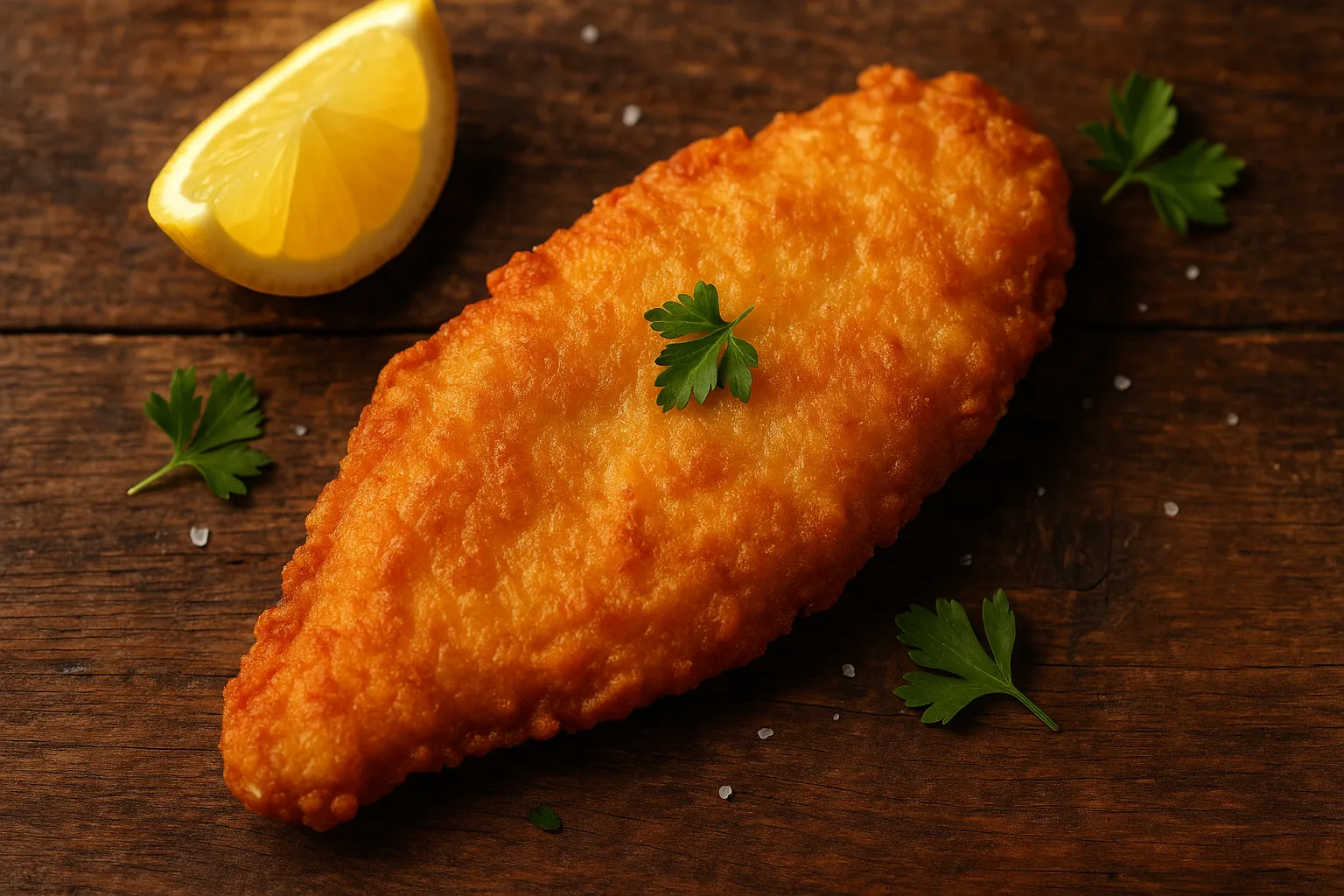
Quick Nutrition Facts
Per 100g (1 Medium Fillet)
| Nutrient | Amount |
|---|---|
| Calories | 270 kcal |
| Protein | 18g |
| Carbohydrates | 12g |
| Fiber | 0.5g |
| Sugars | 0.2g |
| Fat | 17g |
| Omega-3 | 0.8-1.2g |
| Vitamin B12 | 2.1mcg |
| Vitamin D | 320 IU |
| Selenium | 38mcg |
Macronutrient Breakdown
 ChatGPT
  Claude
  AI Mode
  Perplexity
NUTRITIONIST INSIGHT
Fish fry provides complete protein with all essential amino acids and omega-3 fatty acids (EPA and DHA) crucial for heart and brain health. Choose air-frying or minimal oil shallow-frying to reduce calories while retaining nutrients.
Myth Busters
MYTH #1: All Fried Fish Is Unhealthy
TRUTH: While deep-fried fish is calorie-dense, fish remains an excellent source of omega-3 fatty acids and high-quality protein even when fried. Air-frying or shallow-frying with minimal oil significantly reduces calories (220 vs 270 per 100g) while preserving omega-3 content.
MYTH #2: Fish Fry Has No Place in Weight Loss Diets
TRUTH: Fish fry can support weight loss when prepared healthily. The 18g protein promotes satiety and preserves muscle mass during calorie deficit. Choose air-fried versions, limit breading, and pair with vegetables for optimal results. Consume 2-3 times weekly.
MYTH #3: Fried Fish Loses All Omega-3 Benefits
TRUTH: While some omega-3 degradation occurs during high-heat frying, fish fry still provides substantial EPA and DHA (0.8-1.2g per 100g). Air-frying at lower temperatures preserves more omega-3s. Even fried, fish delivers more omega-3 than most land-based protein sources.
MYTH #4: You Should Avoid Fish Fry If You Have Heart Disease
TRUTH: Omega-3 fatty acids in fish support cardiovascular health, even in fried preparations. The key is cooking method and frequency. Choose grilled or air-fried options 2-3 times weekly. Avoid heavy breading and reused oil. Always consult your healthcare provider.
MYTH #5: All Fish Fry Preparations Are Equal
TRUTH: Cooking method dramatically impacts nutrition. Deep-fried in reused oil (270+ calories, oxidized fats) vs air-fried (220 calories, preserved omega-3s) vs grilled (180 calories, maximum nutrients). Choose whole grain breading over refined flour for added fiber and nutrients.
NutriScore by Health Goals
| Health Goal | NutriScore | Why This Score? |
|---|---|---|
| Weight Loss |  | 270 calories per 100g, high protein promotes fullness. Choose air-fried (220 cal) or grilled (180 cal) for better results. Limit to 2-3 times weekly. |
| Muscle Gain |  | Excellent 18g complete protein per 100g with all essential amino acids. Perfect post-workout meal for muscle recovery and growth. |
| Diabetes Management |  | Low glycemic index, high protein stabilizes blood sugar. Limit breading, choose air-fried, pair with vegetables. |
| PCOS Management | | High protein supports hormonal balance, omega-3 reduces inflammation. Choose grilled or air-fried, limit to 100g portions. |
| Pregnancy Nutrition | | Rich in omega-3 DHA for fetal brain development, vitamin D for bone health, B12 for neural tube development. Choose low-mercury fish varieties. |
| Viral/Flu Recovery | | High-quality protein supports immune function, selenium boosts immunity, easy to digest. Choose grilled or steamed for easier digestion during illness. |
PERSONALIZED NUTRITION
Track your meals with NutriScan for personalized NutriScores based on your specific health goals!
Blood Sugar Response to Fish Fry
Understanding how fish fry affects your blood glucose helps optimize meal timing and portion control.
Typical Glucose Response Curve
This chart shows typical blood glucose response for general healthy individuals. Individual responses may vary based on breading amount. Not medical advice.
How to Minimize Blood Sugar Impact
Fish fry has minimal impact on blood sugar due to high protein and fat content, but breading adds carbs. Here's how to optimize:
- 🥗 Add vegetables - Fiber slows carb absorption from breading
- 🥑 Include healthy fats - Avocado or olive oil further stabilizes blood sugar
- 🥜 Pair with nuts - Adds fiber and healthy fats
- 🍋 Use lemon juice - May improve insulin sensitivity
This combination keeps blood sugar stable while providing complete nutrition and extended satiety.
Cultural Significance
Fish fry is a beloved dish across multiple cultures, each adding unique flavors and techniques.
In India:
- Coastal regions: Goan fish fry (recheado masala), Kerala fish fry (curry leaves, coconut), Bengali fish fry (mustard coating)
- Popular varieties: Pomfret, kingfish, mackerel, hilsa
- Traditional spices: Turmeric, red chili, cumin, coriander, curry leaves
- Served with rice, dal, or as appetizer with lemon wedges
Global Variations:
- British Fish and Chips: Battered cod or haddock with fries, malt vinegar
- American Southern Fried Catfish: Cornmeal-crusted, served with hush puppies
- Japanese Aji Fry: Panko-breaded horse mackerel
- Caribbean Escovitch Fish: Vinegar-marinated fried fish with vegetables
Compare & Substitute
Fish Fry vs Other Protein Sources (Per 100g)
| Nutrient | 🐟 Fish Fry | 🍗 Fried Chicken | 🥩 Grilled Steak | 🍳 Boiled Eggs |
|---|---|---|---|---|
| Calories | 270 kcal | 320 kcal | 250 kcal | 155 kcal |
| Carbs | 12g | 15g | 0g | 1.1g |
| Fiber | 0.5g | 0.3g | 0g | 0g |
| Protein | 18g | 24g | 26g | 13g |
| Fat | 17g | 20g | 17g | 11g |
| Omega-3 | 0.8-1.2g | 0.1g | 0.05g | 0.04g |
| Vitamin B12 | 2.1mcg | 0.3mcg | 2.4mcg | 1.1mcg |
| Vitamin D | 320 IU | 8 IU | 7 IU | 87 IU |
| Best For | Omega-3, brain health | High protein, budget-friendly | Muscle gain, keto | Quick protein, weight loss |
Frequently Asked Questions
Is fish fry good for weight loss?
Fish fry can support weight loss goals when prepared with minimal oil and consumed in moderation. The 18g protein per 100g promotes fullness and helps preserve muscle mass during calorie deficit.
Best practices: Choose air-fried (220 calories) or shallow-fried (250 calories) over deep-fried (270+ calories); limit breading thickness; pair with salad or vegetables; consume 2-3 times weekly in 100-120g portions.
Is fish fry healthy?
Fish fry can be part of a healthy diet, depending on preparation method. It provides high-quality protein, omega-3 fatty acids, vitamin B12, vitamin D, and selenium. The healthiness depends on cooking oil, frequency, and portion size.
Healthier preparation tips: Use air fryer or minimal oil shallow frying; choose whole grain breading; select fresh oil (never reused); opt for fatty fish (salmon, mackerel) for more omega-3; pair with vegetables; limit consumption to 2-3 times weekly.
How much protein is in fish fry?
Fish fry contains approximately 18g of protein per 100g. A medium fillet (120g) provides about 21-22g of complete protein with all nine essential amino acids. This makes it excellent for muscle building, recovery, and meeting daily protein requirements (0.8-1g per kg body weight).
For muscle gain, consume fish fry post-workout with rice or quinoa for optimal protein synthesis.
What are the main health benefits of fish fry?
Key Benefits:
- High-Quality Protein: 18g per 100g supports muscle maintenance and satiety
- Omega-3 Fatty Acids: EPA and DHA support heart health, brain function, and reduce inflammation
- Vitamin B12: Essential for energy metabolism and red blood cell formation
- Vitamin D: Supports bone health, immunity, and mood regulation
- Selenium: Powerful antioxidant that supports immune function
- Complete Amino Acid Profile: All essential amino acids for optimal body function
Can diabetics eat fish fry?
Yes, diabetics can safely eat fish fry in moderation. Fish has a low glycemic index (GI ~0) and high protein content that helps stabilize blood sugar levels.
Tips for diabetics:
- Choose grilled or air-fried with minimal breading (reduces carbs from 12g to 3-5g)
- Limit portion to 100-120g per meal
- Pair with high-fiber vegetables (broccoli, spinach, salad)
- Avoid heavy breading or sweet sauces
- Best timing: lunch or dinner, not late night
Monitor blood sugar 2 hours after eating to understand your personal response.
Is air-fried fish healthier than deep-fried?
Yes, air-fried fish is significantly healthier while maintaining taste and texture.
Air-Fried vs Deep-Fried Comparison:
- Calories: 220 vs 270 per 100g (20% reduction)
- Fat: 8-9g vs 17g (50% reduction)
- Omega-3 Preservation: Higher retention due to lower cooking temperature
- Harmful Compounds: Fewer oxidized fats and acrylamide
- Taste: Nearly identical with proper seasoning
Air frying tips: Spray light oil on fish; cook at 375°F for 12-15 minutes; flip halfway; use panko breadcrumbs for extra crispiness.
What type of fish is best for frying?
Best Fish for Frying (Firm, Mild Flavor):
- Indian: Pomfret, kingfish, surmai, rawas (salmon), mackerel, hilsa
- Global: Cod, haddock, tilapia, catfish, halibut
Choose based on goals:
- Omega-3 rich: Salmon, mackerel, sardines, hilsa (choose for heart/brain health)
- Lean protein: Cod, tilapia, haddock (choose for weight loss)
- Budget-friendly: Tilapia, catfish, local catch
Avoid: Very fatty fish (tuna steaks) or delicate fish (sole) that break apart when fried.
How often should I eat fish fry?
General Guidelines:
- 2-3 times per week - Most adults (American Heart Association recommendation for fatty fish)
- 1-2 times per week - Weight loss goals (choose air-fried, limit portions)
- 3-4 times per week - Athletes, muscle gain (high protein needs)
- 2 times per week - Pregnant women (avoid high-mercury fish like swordfish, choose salmon/sardines)
Balance with: Grilled or baked fish on alternate days for variety while maximizing omega-3 benefits and minimizing fried food intake.


Similar Nutritious Proteins
4505 Chicharrones Classic Chili Salt
7 Eleven Japan Crispy Corn Cheese
Explore More Nutrition Tools & Resources
AI Calorie Counter App - Snap a Photo, Get Macros
AI Nutritionist App That Reads Your Logged Meals
Best Protein Supplements for Women
Bulking Meal Plan App That Sets Your Surplus
ChatGPT Calorie Counter Alternative That Keeps the Total
ChatGPT Diet Plan Alternative That Tracks What You Eat
ChatGPT Weight Loss Coach Alternative With a Food Log
Fast Food Calorie Counter App That Reads the Tray
Free Calorie Tracker App with AI Photo Scans | NutriScan
Indian Diet Plan App With Veg and Non Veg Meals
Indian Food Calorie Calculator - Get Instant Nutrition Facts for Desi Meals — 2026
Intermittent Fasting for Women, Timer and Meal Log App
Intermittent Fasting Tracker App - Free Fasting Timer
Macro Tracker App That Fills the Numbers From a Photo
Mediterranean Diet Meal Plan App That Counts the Oil
Micronutrient Tracker App for Vitamins and Minerals
MyFitnessPal Alternative That Stays Free | NutriScan
NutriScore App: A Free Grade on Every Meal | NutriScan
Nutrition Label Scanner App for the Amount You Ate
Second Trimester Protein Guide
Vegetarian Meal Plan App With a Protein Target
Voice Calorie Counter - Speak to Track Meals Hands-Free
Water and Calorie Tracker App - Free Water Log