Flaxseeds: Calories, Nutrition and Health Benefits
Tiny golden or brown seeds packed with omega-3 ALA, lignans for hormone balance, and soluble fiber—but you MUST grind them first.
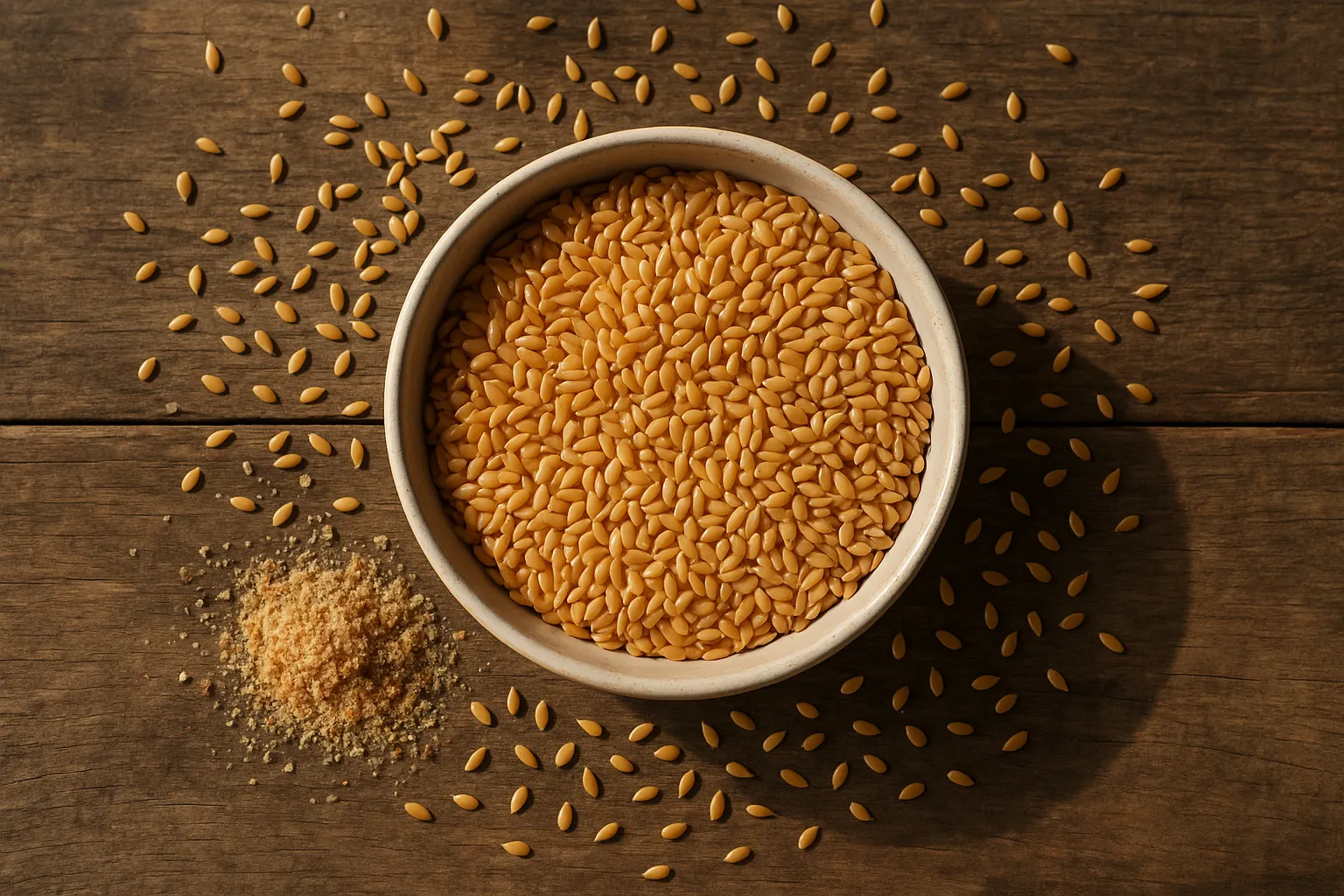
Quick Nutrition Facts
Per 1 Tablespoon Ground Flaxseeds (10g)
| Nutrient | Amount |
|---|---|
| Calories | 55 kcal |
| Protein | 1.9g |
| Carbohydrates | 3g |
| Fiber | 2.8g |
| Sugars | 0.2g |
| Fat | 4.3g |
| Omega-3 ALA | 2,350mg |
| Lignans | 85mg |
| Magnesium | 40mg |
| Thiamin | 0.2mg |
Macronutrient Breakdown
 ChatGPT
  Claude
  AI Mode
  Perplexity
NUTRITIONIST INSIGHT
Flaxseeds MUST be ground to unlock their omega-3 and lignan benefits—whole seeds pass through undigested. Grind fresh or refrigerate pre-ground meal to prevent omega-3 oxidation. Golden and brown varieties have nearly identical nutrition profiles.
Myth Busters
MYTH #1: Whole Flaxseeds Are Just as Good as Ground
TRUTH: Whole flaxseeds pass through your digestive system completely intact, providing zero omega-3 or lignan absorption. Only ground flaxseeds (flaxseed meal) deliver the health benefits. You'll literally see whole seeds in stool undigested.
MYTH #2: Flaxseed Oil Is Better Than Ground Seeds
TRUTH: Flaxseed oil contains only omega-3 fatty acids and zero fiber or lignans—the compounds responsible for hormone balance and cancer-protective effects. Ground seeds provide complete nutrition; oil is concentrated fat without the beneficial compounds.
MYTH #3: You Can Store Ground Flaxseed at Room Temperature
TRUTH: Omega-3 fatty acids oxidize rapidly when exposed to air, light, and heat. Ground flaxseed turns rancid in 1-2 weeks at room temperature. Always refrigerate in airtight container (stays fresh 4-6 months) or grind fresh daily.
MYTH #4: Flaxseeds Will Cause Hormonal Imbalance
TRUTH: Despite containing phytoestrogens, flaxseeds do not increase estrogen levels in most people. Lignans actually help balance hormones in PCOS and may reduce breast cancer risk. Effects are mild and beneficial, not disruptive.
MYTH #5: Golden and Brown Flaxseeds Are Different Nutritionally
TRUTH: Golden and brown flaxseeds have nearly identical nutrition profiles. The color difference is just seed coat pigmentation. Choose based on preference—golden has milder flavor and lighter appearance in foods; brown is cheaper and more common.
MYTH #6: You Can Eat Unlimited Flaxseeds for Better Health
TRUTH: More than 5 tablespoons (50g) daily may cause digestive issues (bloating, diarrhea) and potentially interfere with mineral absorption. Stick to 1-2 tablespoons daily for optimal benefits without side effects.
NutriScore by Health Goals
| Health Goal | NutriScore | Why This Score? |
|---|---|---|
| Weight Loss |  | 55 calories but 2.8g fiber promotes fullness, omega-3 reduces inflammation. Modest weight loss support (1-2kg over 12 weeks). Best in breakfast or smoothies. |
| Muscle Gain |  | Only 1.9g protein per tablespoon. Omega-3 supports muscle recovery but not primary protein source. Add to protein shakes for fiber and healthy fats. |
| Diabetes Management | | High fiber slows glucose absorption, omega-3 improves insulin sensitivity. Studies show 10-20% fasting glucose reduction with 2 tbsp daily. |
| PCOS Management |  | Lignans help balance hormones, reduce testosterone, improve insulin sensitivity. Part of seed cycling (follicular phase days 1-14). Use 1-2 tbsp daily. |
| Pregnancy Nutrition | | Omega-3 ALA supports fetal brain development, fiber prevents constipation. Use 1 tbsp daily. Avoid flaxseed oil supplements. |
| Viral/Flu Recovery | | Omega-3 anti-inflammatory properties support immune function. Fiber aids nutrient absorption during recovery. Easy to add to warm cereals or smoothies. |
PERSONALIZED NUTRITION
Track your meals with NutriScan for personalized NutriScores based on your specific health goals!
Blood Sugar Response with Flaxseeds
Understanding how adding ground flaxseeds to meals affects blood glucose levels.
Glucose Response with High-Fiber Addition
This chart shows how flaxseed's high fiber content may reduce blood glucose peaks. Individual responses vary. Not medical advice.
How to Use Flaxseeds for Blood Sugar Control
Research shows 1-2 tablespoons daily ground flaxseed improves glycemic control through fiber and omega-3:
- 🥣 Morning oatmeal or cereal - Stir in 1 tbsp ground flaxseed for fiber boost
- 🥤 Smoothies or protein shakes - Blend with fruits and yogurt for texture
- 🥛 Yogurt or cottage cheese - Mix in 1-2 tbsp for nutty flavor
- 🍞 Baking - Replace eggs (1 tbsp ground flaxseed + 3 tbsp water = 1 egg) or add to muffins, bread
Always grind fresh or buy pre-ground meal and refrigerate. Whole seeds provide no blood sugar benefits.
Cultural Significance
Flaxseeds are among the world's oldest cultivated crops, with evidence of cultivation dating back 30,000 years in Europe and Asia.
Historical Use:
- Ancient Egyptians used flax for linen clothing and medicinal purposes
- Hippocrates wrote about flax for digestive relief in 650 BC
- Charlemagne (8th century) required subjects to consume flax for health
- Native Americans used flaxseeds for food and oil extraction
In India:
- Known as "Alsi" (Hindi), "Avise ginjalu" (Telugu), "Ali vidai" (Tamil)
- Traditional Ayurvedic ingredient for digestive health and skin care
- Used in winter preparations (laddoos, chutneys) for warming properties
- Growing cultivation in Madhya Pradesh, Maharashtra, Chhattisgarh
Global Impact:
- Canada produces 40% of world's flax (primarily golden variety)
- Used in food, textile (linen), paper, and industrial oil production
- Emerging as functional food ingredient in commercial products
Compare & Substitute
Flaxseeds vs Similar Omega-3 Seeds (Per 1 Tablespoon / 10g)
| Nutrient | 🌾 Flaxseeds (Ground) | 🌱 Chia Seeds | 🌻 Hemp Seeds | 🥜 Walnuts (Chopped) |
|---|---|---|---|---|
| Calories | 55 kcal | 58 kcal | 55 kcal | 65 kcal |
| Protein | 1.9g | 2g | 3.3g | 1.5g |
| Fat | 4.3g | 3.7g | 4.5g | 6.5g |
| Omega-3 ALA | 2,350mg | 2,457mg | 1,000mg | 1,100mg |
| Fiber | 2.8g | 4.2g | 0.4g | 0.7g |
| Lignans | 85mg | trace | trace | trace |
| Carbs | 3g | 5g | 1g | 1.4g |
| Best For | PCOS, hormones, must grind | Hydration, gel texture, no grinding needed | Complete protein, all amino acids | Brain health, snacking |
Frequently Asked Questions
Do flaxseeds need to be ground to get benefits?
Yes, absolutely. Whole flaxseeds have a hard outer shell that your digestive system cannot break down, so they pass through completely intact providing only minimal fiber.
Key facts: Ground flaxseeds (flaxseed meal) are fully absorbed; whole seeds visible in stool undigested; grinding releases omega-3, lignans, and other nutrients; use coffee grinder or buy pre-ground meal.
Storage: Grind fresh daily OR refrigerate pre-ground meal in airtight container for 4-6 months. Whole seeds stay fresh 1 year at room temperature.
Can flaxseeds help with PCOS and hormone balance?
Yes, flaxseeds are particularly beneficial for PCOS through lignans that help modulate hormone metabolism.
Research shows: 1-2 tablespoons daily may reduce testosterone levels; improve insulin sensitivity (crucial for PCOS); support regular menstrual cycles; reduce inflammation; part of seed cycling protocol (follicular phase, days 1-14).
How to use: Grind 1-2 tbsp daily and add to breakfast (oatmeal, smoothie, yogurt); combine with pumpkin seeds for full seed cycling benefits; takes 2-3 months to see hormonal effects. Always pair with balanced PCOS diet and medical care.
How much flaxseed should I eat per day?
Optimal amount: 1-2 tablespoons (10-20g) ground flaxseed daily provides full benefits without side effects.
By health goal: Weight loss/heart health: 1 tbsp; PCOS/diabetes: 2 tbsp; pregnancy: 1 tbsp; general health: 1-1.5 tbsp.
Start slowly: Begin with 1 teaspoon and increase gradually over 1-2 weeks to prevent bloating. Drink plenty of water with flaxseeds due to high fiber content.
Maximum: Don't exceed 5 tablespoons daily—may cause digestive issues, interfere with mineral absorption, or provide excessive fiber.
Should I refrigerate ground flaxseeds?
Yes, always refrigerate ground flaxseeds (flaxseed meal) in airtight container. Omega-3 fatty acids are highly sensitive to oxygen, light, and heat.
Storage guidelines: Ground flaxseed: refrigerate 4-6 months in airtight container; whole flaxseeds: room temperature 1 year or refrigerate 2 years; exposure to air causes rancidity in 1-2 weeks.
Signs of spoilage: Bitter or paint-like smell, change in color (darkening), unusual taste. Fresh flaxseed has mild, slightly nutty flavor.
Best practice: Buy whole seeds and grind fresh daily, OR buy small amounts of pre-ground meal and refrigerate immediately after opening.
Are flaxseeds safe during pregnancy?
Small amounts (1 tablespoon daily) are generally considered safe during pregnancy and provide beneficial omega-3 ALA and fiber.
Benefits: Omega-3 supports fetal brain development; fiber prevents pregnancy constipation; lignans provide antioxidants; safer than fish for omega-3 (no mercury).
Cautions: Avoid flaxseed oil supplements (concentrated phytoestrogens); limit to 1 tbsp ground seeds daily; some concerns about hormonal effects in high doses; may have mild blood-thinning effects.
Safety approach: Always consult your healthcare provider; start with 1/2 tbsp and monitor; focus on ground seeds, not oil; pair with varied omega-3 sources.
Can flaxseeds help with weight loss?
Flaxseeds may support weight loss through high fiber promoting fullness and omega-3s reducing inflammation, but effects are modest.
Research results: 1-2kg weight loss over 12 weeks when combined with calorie deficit; 0.5-1 inch waist reduction in some studies; best results in overweight individuals with metabolic syndrome.
Weight loss mechanisms: 2.8g fiber per tablespoon absorbs water and expands; slows gastric emptying for prolonged fullness; stabilizes blood sugar to reduce cravings; reduces inflammation linked to obesity.
How to use: Add 1-2 tbsp to breakfast (oatmeal, smoothie, yogurt); use as egg replacer in baking; sprinkle on salads; always grind first and drink plenty of water. Remember—creates calorie deficit, not magic solution.
Do flaxseeds have side effects?
Flaxseeds are safe for most people in moderate amounts (1-2 tablespoons daily), but can cause side effects if overconsumed or not introduced gradually.
Common side effects: Bloating, gas, stomach cramps, diarrhea (usually from too much too fast or insufficient water); intestinal blockage if eaten dry without liquid.
Who should be cautious: Bleeding disorders (flaxseeds have mild blood-thinning effect); hormone-sensitive conditions (breast, uterine cancer—consult doctor); bowel obstructions; taking medications (may interfere with absorption).
Prevention: Start with 1 teaspoon and increase gradually; always consume with plenty of water (8-10 glasses daily); grind fresh; refrigerate after grinding; don't exceed 5 tablespoons daily.
Golden vs brown flaxseeds—which is better?
Nutritionally, golden and brown flaxseeds are nearly identical. Choose based on culinary preference, not nutrition.
Minimal differences: Brown flaxseeds may have slightly more antioxidants; golden have marginally more omega-3 (1-2% difference—negligible).
Practical differences: Golden has milder, less earthy flavor; blends better in light-colored foods (smoothies, baked goods); more expensive ($1-2 more per pound); brown is traditional, widely available, cheaper; stronger nutty flavor.
Recommendation: Use golden for smoothies, yogurt, light-colored baking; use brown for darker breads, oatmeal, savory dishes. Both deliver same health benefits when ground and refrigerated.


Similar Nutritious Foods
4505 Chicharrones Classic Chili Salt
7 Eleven Japan Crispy Corn Cheese
Explore More Nutrition Tools & Resources
AI Calorie Counter App - Snap a Photo, Get Macros
AI Nutritionist App That Reads Your Logged Meals
Best Protein Supplements for Women
Bulking Meal Plan App That Sets Your Surplus
ChatGPT Calorie Counter Alternative That Keeps the Total
ChatGPT Diet Plan Alternative That Tracks What You Eat
ChatGPT Weight Loss Coach Alternative With a Food Log
Fast Food Calorie Counter App That Reads the Tray
Free Calorie Tracker App with AI Photo Scans | NutriScan
Indian Diet Plan App With Veg and Non Veg Meals
Indian Food Calorie Calculator - Get Instant Nutrition Facts for Desi Meals — 2026
Intermittent Fasting for Women, Timer and Meal Log App
Intermittent Fasting Tracker App - Free Fasting Timer
Macro Tracker App That Fills the Numbers From a Photo
Mediterranean Diet Meal Plan App That Counts the Oil
Micronutrient Tracker App for Vitamins and Minerals
MyFitnessPal Alternative That Stays Free | NutriScan
NutriScore App: A Free Grade on Every Meal | NutriScan
Nutrition Label Scanner App for the Amount You Ate
Second Trimester Protein Guide
Vegetarian Meal Plan App With a Protein Target
Voice Calorie Counter - Speak to Track Meals Hands-Free
Water and Calorie Tracker App - Free Water Log