Focaccia Bread: Calories, Nutrition and Health Benefits
Italy's beloved flatbread infused with olive oil and herbs, delivering Mediterranean flavor with quick energy and healthy fats.
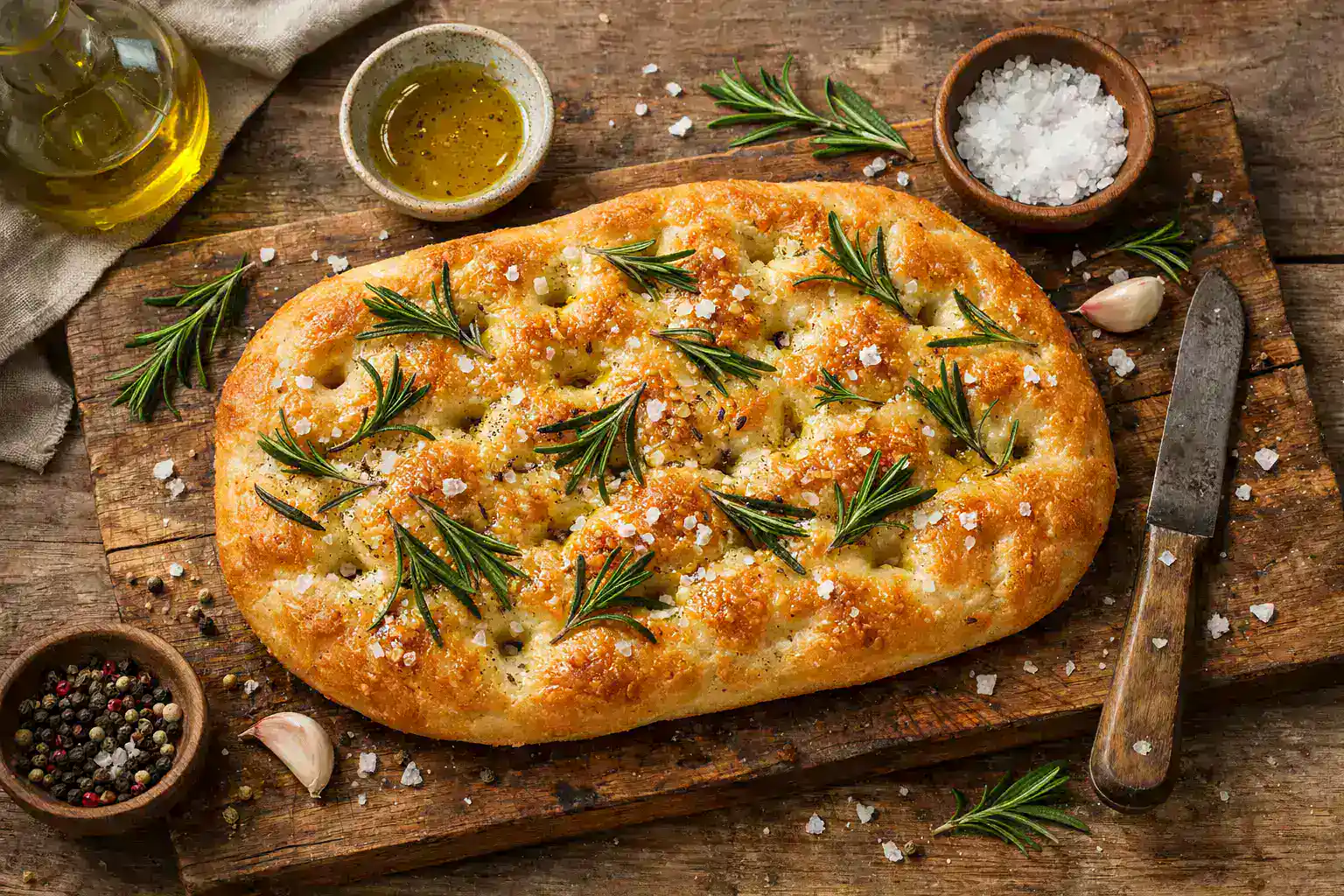
Quick Nutrition Facts
Per 100g Focaccia Bread
| Nutrient | Amount |
|---|---|
| Calories | 270 kcal |
| Protein | 8g |
| Carbohydrates | 45g |
| Fiber | 2g |
| Sugars | 2g |
| Fat | 6g |
| Saturated Fat | 1g |
| Sodium | 520mg |
| Iron | 2.8mg |
| Vitamin E | 0.8mg |
Macronutrient Breakdown
 ChatGPT
  Claude
  AI Mode
  Perplexity
NUTRITIONIST INSIGHT
Focaccia's olive oil provides heart-healthy monounsaturated fats and vitamin E. Rosemary contains carnosic acid, a powerful antioxidant with anti-inflammatory properties. Choose whole wheat versions for added fiber and nutrients.
Myth Busters
MYTH #1: All Bread Is Bad for You
TRUTH: Mediterranean diet includes bread like focaccia as part of a healthy eating pattern. The key is portion control, choosing whole grain versions, and balancing with vegetables and protein.
MYTH #2: Olive Oil in Focaccia Makes It Unhealthy
TRUTH: Olive oil provides monounsaturated fats that reduce heart disease risk. The 6g fat in 100g focaccia includes healthy fats that support nutrient absorption and heart health.
MYTH #3: Focaccia Is Just Empty Carbs
TRUTH: Focaccia provides 8g protein per 100g, iron (2.8mg), B vitamins from flour, and vitamin E from olive oil. Whole wheat versions add 5-6g fiber, making it more nutritious than plain white bread.
MYTH #4: You Can't Eat Bread on a Healthy Diet
TRUTH: Bread can fit any healthy diet with portion control. A 50g serving of focaccia (135 cal) paired with protein and vegetables creates a balanced meal. Focus on total diet quality, not single foods.
MYTH #5: Homemade Focaccia Is Always Healthier
TRUTH: Homemade allows ingredient control, but nutrition depends on recipe. Some homemade versions use more oil (higher calories) than store-bought. Check nutrition labels and compare to ensure healthier choices.
MYTH #6: Focaccia Causes Instant Weight Gain
TRUTH: Weight gain comes from sustained calorie surplus, not individual foods. 100g focaccia (270 cal) as part of a balanced meal won't cause weight gain. Track overall daily intake and maintain calorie balance.
NutriScore by Health Goals
| Health Goal | NutriScore | Why This Score? |
|---|---|---|
| Weight Loss |  | 270 calories per 100g is calorie-dense. Limit to 50g portions; pair with protein and vegetables. |
| Muscle Gain |  | Good carbs (45g) for energy and glycogen; 8g protein supports muscle. Excellent pre-workout fuel. |
| Diabetes Management | 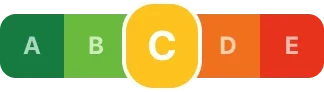 | High GI (70-75). Whole wheat focaccia lowers GI; olive oil slows glucose absorption. Limit to 50g; pair with protein and fiber. |
| PCOS Management | | Refined carbs affect insulin. Choose whole wheat version; limit to 50g; pair with protein. |
| Pregnancy Nutrition | | Provides energy, iron (2.8mg), and B vitamins for fetal development. Choose whole grain versions. |
| Viral/Flu Recovery | | Easy to digest, provides quick energy, gentle on stomach during illness. |
PERSONALIZED NUTRITION
Track your meals with NutriScan for personalized NutriScores based on your specific health goals! Use our Online Macro Calculator to find your daily nutrition targets.
Blood Sugar Response to Focaccia
Understanding how focaccia affects your blood glucose helps with portion control and meal planning.
Typical Glucose Response Curve
This chart shows typical blood glucose response for general healthy individuals. Individual responses may vary. Not medical advice.
How to Moderate the Blood Sugar Spike
Pairing focaccia with protein and fiber slows carbohydrate absorption and reduces glucose peaks:
- 🧀 Fresh mozzarella or ricotta - Adds protein and calcium
- 🍅 Cherry tomatoes and basil - Provides fiber and antioxidants
- 🥚 Scrambled eggs or frittata - Complete protein source
- 🫒 Hummus or olive tapenade - Healthy fats and fiber
This combination creates balanced meals while keeping blood sugar more stable.
Cultural Significance
Focaccia originated in ancient Rome, where it was cooked in ashes of the hearth, making it one of the oldest bread types in Italy.
In Italy:
- Traditional Ligurian specialty from Genoa region
- Each region has variations: Focaccia di Recco with cheese, Apulian focaccia with tomatoes
- Traditionally served as street food, breakfast, or aperitivo
- Symbol of Italian artisan baking and Mediterranean cuisine
Global Impact:
- Top 3 trending food in Australia 2025
- Popular in artisan bakeries worldwide
- Mediterranean diet staple gaining health recognition
- Variations include focaccia pizza, sandwiches, and gourmet toppings
Compare & Substitute
Focaccia vs Similar Breads (Per 100g)
| Nutrient | 🍞 Focaccia | 🥖 Baguette | 🍕 Pizza Dough | 🥐 Ciabatta |
|---|---|---|---|---|
| Calories | 270 kcal | 274 kcal | 265 kcal | 271 kcal |
| Protein | 8g | 9g | 9g | 9g |
| Carbs | 45g | 56g | 49g | 52g |
| Fiber | 2g | 2.5g | 2g | 2.2g |
| Fat | 6g | 1g | 3g | 2.5g |
| Sodium | 520mg | 621mg | 535mg | 590mg |
| Best For | Olive oil lovers | Sandwiches | Pizza base | Sandwiches |
Frequently Asked Questions
Is focaccia bread good for weight loss?
Focaccia is calorie-dense (270 cal per 100g) due to olive oil and refined flour. For weight loss, portion control is critical.
Best practices: Limit to 50g portions (135 cal); choose whole wheat focaccia for added fiber (keeps you fuller longer); pair with lean protein and vegetables; track calories; use as occasional treat, not daily staple.
Can diabetics eat focaccia bread?
Diabetics can eat focaccia in moderation with careful planning. Refined focaccia has GI of 70-75 (high), causing faster blood sugar spikes.
Tips for diabetics:
- Choose whole wheat focaccia (lower GI around 55-60)
- Limit portions to 50g (22g carbs)
- Always pair with protein (cheese, eggs) and fiber (vegetables)
- Monitor blood sugar 2 hours after eating
- The olive oil in focaccia helps slow glucose absorption
How many carbs are in focaccia?
Focaccia contains 45g of carbohydrates per 100g, primarily from wheat flour. A typical slice (50g) provides approximately 22-23g carbs.
For low-carb diets, this is a moderate-high carb food. Choose smaller portions or whole wheat versions with 3-4g more fiber per 100g.
What are the main health benefits of focaccia?
Key Benefits:
- Heart Health: Olive oil provides monounsaturated fats that reduce LDL cholesterol
- Antioxidants: Rosemary contains carnosic acid with anti-inflammatory properties
- Quick Energy: 45g carbs provide fast fuel for physical activity
- Iron: 2.8mg per 100g supports oxygen transport
- Vitamin E: Olive oil provides antioxidant protection
- B Vitamins: Enriched flour adds thiamin, riboflavin, niacin for metabolism
Is focaccia healthier than regular bread?
Compared to white bread, focaccia has similar calories (270 vs 265) but more fat (6g vs 3g) from olive oil. However, olive oil provides healthier monounsaturated fats.
Nutritional comparison:
- More fat than white bread but healthier fat type
- Similar protein content (8-9g per 100g)
- Higher sodium (520mg vs 400mg)
- Whole wheat focaccia is healthier than both
Recommendation: Whole wheat focaccia offers the best nutrition with added fiber, minerals, and lower glycemic impact.
How should focaccia be stored and reheated?
Storage: Store focaccia in an airtight container or sealed plastic bag at room temperature for 2-3 days. For longer storage, wrap tightly in plastic wrap and freeze for up to 3 months.
Reheating: Preheat oven to 180°C (350°F); wrap focaccia in foil; heat for 5-7 minutes until warm. For frozen focaccia, thaw at room temperature for 1 hour, then reheat.
Signs of spoilage: Mold, sour smell, or hard texture indicates spoilage; discard if present.


Similar Nutritious Foods
4505 Chicharrones Classic Chili Salt
7 Eleven Japan Crispy Corn Cheese
Explore More Nutrition Tools & Resources
AI Calorie Counter App - Snap a Photo, Get Macros
AI Nutritionist App That Reads Your Logged Meals
Best Protein Supplements for Women
Bulking Meal Plan App That Sets Your Surplus
ChatGPT Calorie Counter Alternative That Keeps the Total
ChatGPT Diet Plan Alternative That Tracks What You Eat
ChatGPT Weight Loss Coach Alternative With a Food Log
Fast Food Calorie Counter App That Reads the Tray
Free Calorie Tracker App with AI Photo Scans | NutriScan
Indian Diet Plan App With Veg and Non Veg Meals
Indian Food Calorie Calculator - Get Instant Nutrition Facts for Desi Meals — 2026
Intermittent Fasting for Women, Timer and Meal Log App
Intermittent Fasting Tracker App - Free Fasting Timer
Macro Tracker App That Fills the Numbers From a Photo
Mediterranean Diet Meal Plan App That Counts the Oil
Micronutrient Tracker App for Vitamins and Minerals
MyFitnessPal Alternative That Stays Free | NutriScan
NutriScore App: A Free Grade on Every Meal | NutriScan
Nutrition Label Scanner App for the Amount You Ate
Second Trimester Protein Guide
Vegetarian Meal Plan App With a Protein Target
Voice Calorie Counter - Speak to Track Meals Hands-Free
Water and Calorie Tracker App - Free Water Log