Fortified Dairy Milk: Calories, Nutrition and Health Benefits
A nutrient-dense staple delivering calcium, iodine, B12, and vitamin D in every glass for strong bones, immunity, and overall health.
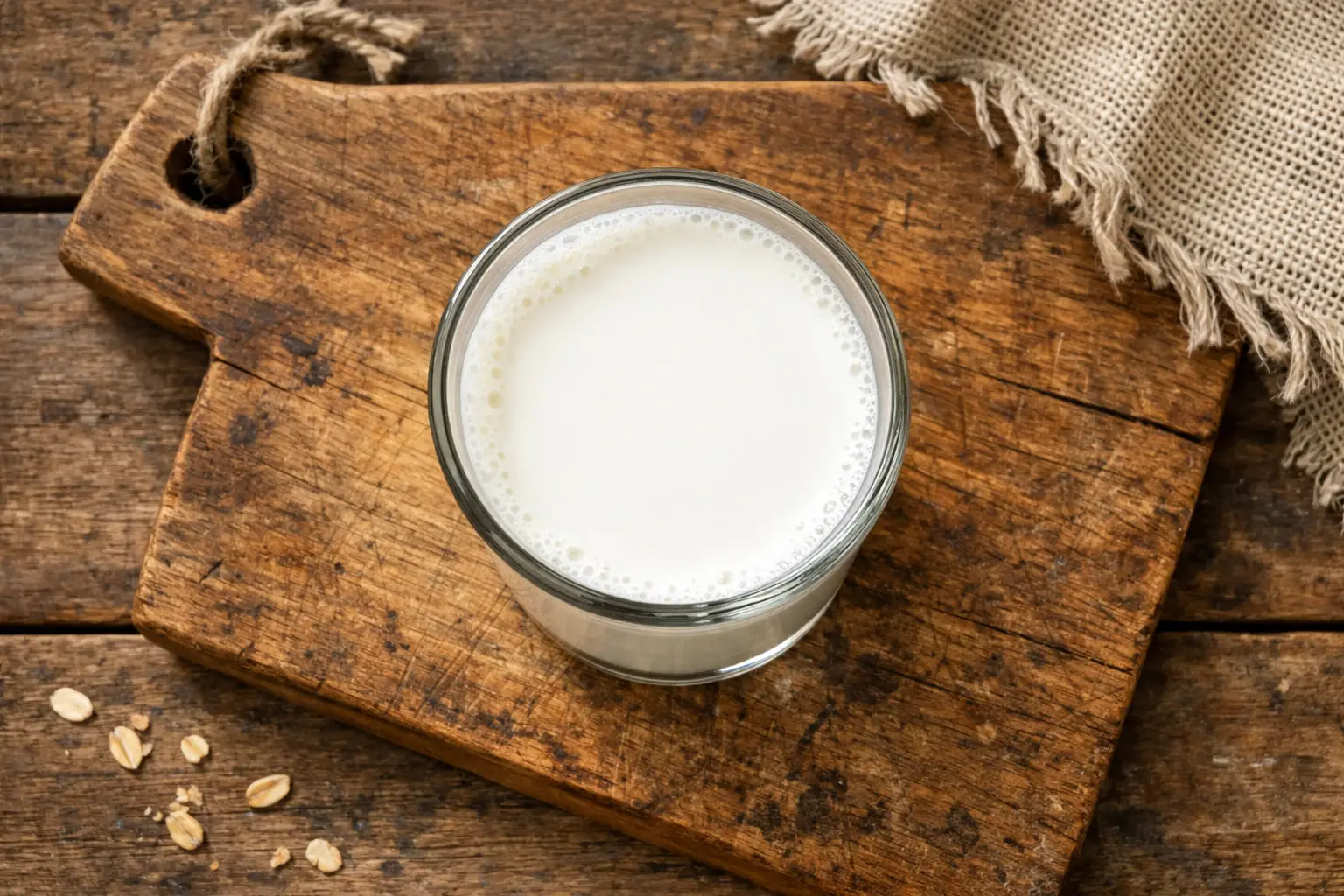
Quick Nutrition Facts
Per 1 Cup Whole Milk (244ml)
| Nutrient | Amount |
|---|---|
| Calories | 149 kcal |
| Protein | 8g |
| Carbohydrates | 11g |
| Fiber | 0g |
| Sugars | 12g |
| Fat | 8g |
| Calcium | 306mg |
| Vitamin D | 3.2mcg |
| Vitamin B12 | 1.1mcg |
| Iodine | 56mcg |
| Potassium | 366mg |
| Phosphorus | 246mg |
Macronutrient Breakdown
 ChatGPT
  Claude
  AI Mode
  Perplexity
NUTRITIONIST INSIGHT
Fortified dairy milk is one of the most nutrient-dense beverages available, delivering 30% of your daily calcium and 20% of vitamin D per cup. The naturally occurring B12 and iodine make it especially important for thyroid function and nervous system health.
Myth Busters
MYTH #1: Whole Milk Causes Weight Gain
TRUTH: A cup of whole milk has only 149 calories with 8g of satiating protein. Research shows dairy fat may actually help regulate body weight through improved satiety and metabolic effects. Weight gain comes from excess total calories, not milk itself.
MYTH #2: Milk Spikes Blood Sugar
TRUTH: Whole milk has a low glycemic index of 27-35. The combination of protein, fat, and lactose slows glucose absorption. Plain milk delivers carbohydrates with limited glycemic response compared to other beverages.
MYTH #3: Adults Don't Need Milk
TRUTH: Adults need 1000-1200mg calcium daily. One cup of fortified milk provides 30% of that need, plus vitamin D that most adults are deficient in. Bone density declines with age, making calcium and vitamin D intake more critical, not less.
MYTH #4: All Milk Has the Same Nutrition
TRUTH: Fortified milk contains added vitamin D (often 3mcg per cup) and sometimes extra vitamin A. Unfortified milk lacks these additions. Vitamin D fortification contributes 28-63% of vitamin D intake in countries with fortification policies.
MYTH #5: Milk Causes Inflammation
TRUTH: Multiple systematic reviews show that dairy consumption does not increase inflammatory markers in healthy individuals. Fermented dairy like yogurt may even reduce inflammation through gut microbiome support.
NutriScore by Health Goals
| Health Goal | NutriScore | Why This Score? |
|---|---|---|
| Weight Loss |  | 149 cal per cup with 8g protein for satiety. Choose skim (34 cal/100ml) for lower calories. Protein promotes fullness. |
| Muscle Gain |  | Complete protein (8g/cup) with all essential amino acids, calcium for muscle contraction, vitamin D for muscle function. |
| Diabetes Management | | Low GI (27-35), protein slows glucose absorption. Avoid flavored/sweetened varieties. Limit to 1-2 cups daily. |
| PCOS Management |  | Some research links dairy to insulin-like growth factor. Limit to 1 cup daily, prefer fermented options like yogurt. |
| Pregnancy Nutrition | | Calcium (1000mg/day needed), vitamin D, B12, and iodine are critical for fetal bone and brain development. Always choose pasteurized. |
| Viral/Flu Recovery | | Easy to consume, provides protein for immune repair, vitamin D for immune function, and hydration with electrolytes. |
PERSONALIZED NUTRITION
Track your meals with NutriScan for personalized NutriScores based on your specific health goals!
Blood Sugar Response to Fortified Dairy Milk
Understanding how milk affects your blood glucose helps you make informed choices about when and how to include it in your diet.
Typical Glucose Response Curve
This chart shows typical blood glucose response for general healthy individuals. Individual responses may vary. Not medical advice.
How to Flatten the Spike
Pairing milk with fiber or protein-rich foods slows glucose absorption and reduces the peak blood sugar level:
- 🥣 Oatmeal or whole grain cereal - Adds soluble fiber to slow absorption
- 🥜 Nuts or nut butter - Healthy fats and protein for sustained energy
- 🫐 Berries - Low-GI fruits with antioxidants and fiber
- 🥚 Eggs - Complete protein source to complement milk protein
This combination not only reduces the glucose spike but also extends energy release, keeping you fuller for longer.
Cultural Significance
Dairy milk has been consumed for over 10,000 years since the domestication of cattle, making it one of humanity's oldest cultivated foods.
In India:
- Milk holds sacred status in Hindu culture, associated with Lord Krishna
- Used in religious ceremonies (abhishekam) and festivals
- Ayurveda considers milk a "sattvic" food for mental clarity and strength
- India is the world's largest milk producer (over 230 million tonnes annually)
- Regional varieties: buffalo milk (North), cow milk (South), A2 milk gaining popularity
Global Impact:
- Over 6 billion people consume dairy worldwide
- Fortification with vitamin D became mandatory in the US in the 1930s to combat rickets
- Milk provides 10-15% of daily protein intake in many Western countries
- Critical source of iodine and B12 in vegetarian diets
Compare & Substitute
Fortified Dairy Milk vs Alternatives (Per 100ml)
| Nutrient | 🥛 Whole Milk | 🥛 Skim Milk | 🌱 Soy Milk | 🥥 Oat Milk |
|---|---|---|---|---|
| Calories | 61 kcal | 34 kcal | 54 kcal | 47 kcal |
| Carbs | 4.5g | 5g | 6g | 7g |
| Fiber | 0g | 0g | 0.4g | 0.8g |
| Protein | 3.2g | 3.4g | 3.3g | 1g |
| Fat | 3.3g | 0.1g | 1.8g | 1.5g |
| Calcium | 125mg | 122mg | 25mg* | 120mg* |
| Vitamin D | 1.3mcg | 1.3mcg | 1.1mcg* | 0.8mcg* |
| B12 | 0.5mcg | 0.5mcg | 0.4mcg* | 0.4mcg* |
| Best For | Overall nutrition, children | Weight loss, low-fat diets | Lactose intolerant, vegans | Creamy texture, baking |
*Values with asterisk vary by brand; many plant milks are fortified to match dairy levels.
Frequently Asked Questions
How many calories are in a glass of whole milk?
One cup (244ml) of fortified whole milk contains 149 calories with 8g protein, 8g fat, and 11g carbohydrates. Per 100ml, that is 61 calories. Skim milk provides only 34 calories per 100ml while retaining similar calcium and vitamin D levels.
Is fortified milk good for bone health?
Yes. Fortified milk provides calcium (125mg/100ml), vitamin D (1.3mcg/100ml), and phosphorus, all essential for bone mineral density. Studies show calcium-vitamin D fortified milk reduces bone turnover and improves bone density in postmenopausal women.
Best practices: Consume 2-3 servings of dairy daily, combine with weight-bearing exercise, ensure adequate vitamin D status.
Can diabetics drink milk?
Diabetics can include milk in moderation. Whole milk has a low glycemic index of 27-35 with protein and fat that slow glucose absorption.
Tips for diabetics:
- Stick to plain, unsweetened milk (avoid flavored varieties with added sugar)
- Limit to 1-2 cups per day
- Pair with fiber-rich foods like oatmeal or whole grain bread
- Monitor blood sugar 2 hours after consumption
Always consult your healthcare provider for personalized advice.
Is milk safe during pregnancy?
Pasteurized fortified milk is highly recommended during pregnancy. It provides calcium (1000mg/day needed for ages 19+), vitamin D for fetal bone development, B12 for neural development, and iodine for thyroid function.
Safety note: Always choose pasteurized milk. Avoid raw or unpasteurized dairy products during pregnancy to prevent foodborne illness.
What nutrients are added to fortified milk?
Fortified milk typically contains added vitamin D (mandatory in the US since the 1930s) and vitamin A. Some brands add extra calcium. Vitamin D fortification contributes 28-63% of vitamin D intake in countries with fortification policies.
Is whole milk or skim milk healthier?
Both have benefits depending on your health goals:
Whole Milk (61 cal/100ml):
- Better absorption of fat-soluble vitamins (A, D, E, K)
- More satiating due to fat content
- Suitable for children, pregnancy, and muscle gain
Skim Milk (34 cal/100ml):
- 44% fewer calories per serving
- Nearly zero saturated fat
- Better for weight loss and cardiovascular health goals
Recommendation: Weight loss = skim milk. General nutrition/children = whole milk. Both provide similar calcium, protein, and B12 levels.
Track your daily dairy intake with NutriScan app to ensure you meet your calcium and vitamin D goals.


Similar Nutritious Foods
4505 Chicharrones Classic Chili Salt
7 Eleven Japan Crispy Corn Cheese
Explore More Nutrition Tools & Resources
AI Calorie Counter App - Snap a Photo, Get Macros
AI Nutritionist App That Reads Your Logged Meals
Best Protein Supplements for Women
Bulking Meal Plan App That Sets Your Surplus
ChatGPT Calorie Counter Alternative That Keeps the Total
ChatGPT Diet Plan Alternative That Tracks What You Eat
ChatGPT Weight Loss Coach Alternative With a Food Log
Fast Food Calorie Counter App That Reads the Tray
Free Calorie Tracker App with AI Photo Scans | NutriScan
Indian Diet Plan App With Veg and Non Veg Meals
Indian Food Calorie Calculator - Get Instant Nutrition Facts for Desi Meals — 2026
Intermittent Fasting for Women, Timer and Meal Log App
Intermittent Fasting Tracker App - Free Fasting Timer
Macro Tracker App That Fills the Numbers From a Photo
Mediterranean Diet Meal Plan App That Counts the Oil
Micronutrient Tracker App for Vitamins and Minerals
MyFitnessPal Alternative That Stays Free | NutriScan
NutriScore App: A Free Grade on Every Meal | NutriScan
Nutrition Label Scanner App for the Amount You Ate
Second Trimester Protein Guide
Vegetarian Meal Plan App With a Protein Target
Voice Calorie Counter - Speak to Track Meals Hands-Free
Water and Calorie Tracker App - Free Water Log