Freeze-Cracked Chocolate Topping: Calories, Nutrition and Health Facts
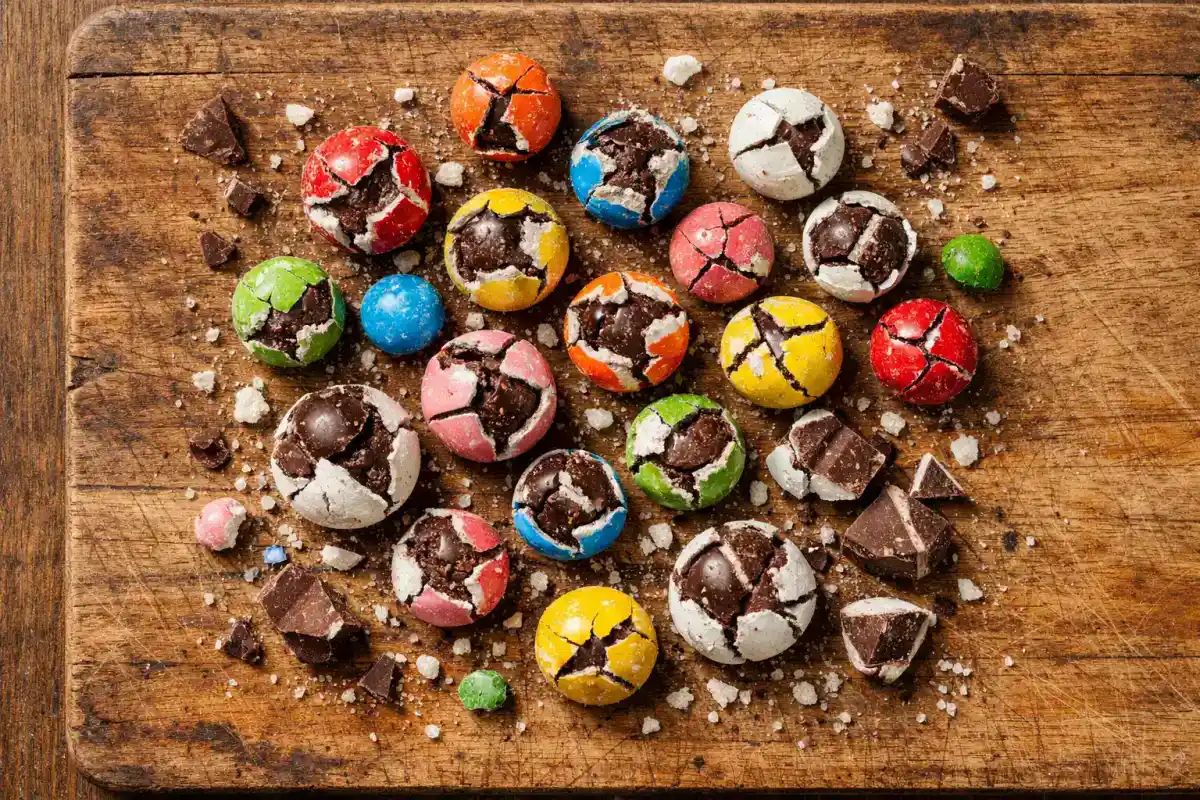
A viral dessert topping with a satisfying crunch: 140 calories per 30g serving, delivering bold chocolate flavor with 7g fat and 18g carbs.
Quick Nutrition Facts
Per 1 Serving (30g)
| Nutrient | Amount |
|---|---|
| Calories | 140 kcal |
| Protein | 1g |
| Carbohydrates | 18g |
| Fiber | 1.5g |
| Sugars | 13g |
| Fat | 7g |
| Saturated Fat | 4.5g |
| Iron | 1.2mg |
| Calcium | 30mg |
| Sodium | 20mg |
Macronutrient Breakdown
 ChatGPT
  Claude
  AI Mode
  Perplexity
NUTRITIONIST INSIGHT
Freeze-cracked chocolate toppings pack concentrated flavor in small amounts, making a little go a long way. The cocoa content provides antioxidant flavanols, but the 13g sugar per serving means portion control is key. Sprinkle 10-15g on yogurt or fruit for maximum satisfaction with minimal calorie impact.
Myth Busters
MYTH #1: Freeze-Cracked Chocolate Has Fewer Calories Than Regular Chocolate
TRUTH: Freeze-drying removes water, not calories. The calorie density actually concentrates slightly because you lose moisture weight while retaining all sugars and fats. A 30g serving still delivers 140 calories.
MYTH #2: The Crunchy Texture Means It's a Healthy Snack
TRUTH: The satisfying crunch comes from the freeze-drying process, not from added fiber or whole grains. With 7g fat and 13g sugar per serving, it remains a treat food that should be enjoyed in moderation.
MYTH #3: Freeze-Cracked Chocolate Is Safe for Diabetics in Any Amount
TRUTH: With 18g carbs and 13g sugar per 30g, this topping can spike blood sugar rapidly. Chocolate products produce measurable postprandial glucose responses even in healthy adults. Diabetics should limit to 10-15g and always pair with protein.
MYTH #4: Dark Chocolate Freeze-Cracked Toppings Are Sugar-Free
TRUTH: Even dark chocolate varieties contain sugar. Only specifically formulated sugar-free dark chocolate using stevia or erythritol shows lower blood glucose impact. Always check the label for actual sugar content.
MYTH #5: You Can Eat Unlimited Amounts as a Topping
TRUTH: Toppings add up fast. A generous sprinkle (30g) adds 140 calories to your dessert. Two servings equal 280 calories with 26g sugar, nearly matching the recommended daily added sugar limit of 25g for women.
NutriScore by Health Goals
| Health Goal | NutriScore | Why This Score? |
|---|---|---|
| Weight Loss |  | 467 cal/100g is calorie-dense. Use as a 10-15g garnish only. The fat and sugar content makes overconsuming easy. |
| Muscle Gain | | Only 1g protein per serving offers negligible muscle support. Better as an occasional post-workout treat on protein-rich foods. |
| Diabetes Management |  | 13g sugar per 30g serving can spike blood glucose. Chocolate products produce significant postprandial glucose responses. Limit to 10g max. |
| PCOS Management | | High sugar affects insulin sensitivity. Limit to occasional small portions and choose dark chocolate variants when possible. |
| Pregnancy Nutrition |  | Small amounts are safe during pregnancy. ACOG recommends balanced nutrition with limited added sugars. Contains trace iron and calcium. |
| Viral/Flu Recovery | | Quick energy from simple carbs. Cocoa flavanols provide mild antioxidant support. Easy to eat when appetite is low. |
PERSONALIZED NUTRITION
Track your meals with NutriScan for personalized NutriScores based on your specific health goals!
Blood Sugar Response to Freeze-Cracked Chocolate Topping
Understanding how freeze-cracked chocolate topping affects your blood glucose helps you make informed decisions about portion sizes and pairings.
Typical Glucose Response Curve
*This chart shows typical blood glucose response for general healthy individuals. Individual responses may vary. Not medical advice.*
How to Flatten the Spike
Pairing chocolate with protein or healthy fat slows glucose absorption and reduces the peak blood sugar level:
- 🥜 Sprinkle on nut butter toast - Healthy fats and protein buffer the sugar hit
- 🥛 Top Greek yogurt - Provides protein and probiotics for slower absorption
- 🍓 Pair with fresh berries - Fiber from fruit slows carb digestion
- 🌰 Mix with almonds or walnuts - Added fiber and healthy fats balance the glycemic load
This combination not only reduces the glucose spike but also extends energy release, keeping you fuller for longer.
Cultural Significance
Freeze-cracked chocolate toppings emerged from the viral freeze-dried candy trend that exploded on social media platforms in 2023-2025.
Origins and Trend:
- Freeze-drying candy became a cottage industry on TikTok and Instagram
- Chocolate varieties gained popularity as premium dessert toppings
- Small-batch producers turned it into an artisan food category
- The satisfying crunch and intensified flavor drove viral adoption
Global Appeal:
- Popular as ice cream and frozen yogurt toppings across North America
- Used in baking as a decorative and textural element worldwide
- Part of the broader freeze-dried snack movement valued at over $60 billion globally
- Indian dessert fusion: sprinkled on kulfi, rabri, and chocolate barfi
Compare & Substitute
Freeze-Cracked Chocolate Topping vs Similar Toppings (Per 100g)
| Nutrient | 🍫 Freeze-Cracked Chocolate | 🍫 Chocolate Chips | 🥜 Cocoa Nibs | 🍯 Chocolate Syrup |
|---|---|---|---|---|
| Calories | 467 kcal | 500 kcal | 228 kcal | 279 kcal |
| Carbs | 60g | 60g | 16g | 65g |
| Fiber | 5g | 3.4g | 33g | 1.9g |
| Protein | 3.3g | 5g | 14g | 2g |
| Fat | 23.3g | 29g | 12g | 1g |
| Sugar | 43g | 52g | 1.7g | 54g |
| Iron | 4mg | 4.4mg | 7.3mg | 3.4mg |
| Best For | Crunchy dessert topping | Baking, melting | Low-sugar chocolate flavor | Drizzling, liquid applications |
Frequently Asked Questions
How many calories are in freeze-cracked chocolate topping?
A 30g serving contains 140 calories with 7g fat, 18g carbs, and 1g protein. Per 100g, it provides approximately 467 calories. The calorie density is similar to regular chocolate since freeze-drying only removes water, not macronutrients.
Is freeze-cracked chocolate topping healthier than regular chocolate?
Not significantly. The freeze-drying process changes the texture but preserves the original nutritional profile. Calories, sugar, and fat remain essentially the same per gram. The main advantage is the crunchy texture may help with portion control since small amounts provide big flavor.
Can diabetics eat freeze-cracked chocolate topping?
Diabetics should consume this topping very sparingly. With 13g sugar per 30g serving, it can spike blood glucose quickly.
Tips for diabetics:
- Limit to 10-15g portions (70 calories, 9g carbs)
- Always pair with protein or healthy fat
- Choose dark chocolate varieties when available
- Monitor blood sugar 2 hours after consuming
Consult your healthcare provider for personalized guidance.
What is freeze-cracked chocolate topping made of?
Freeze-cracked chocolate topping is made by freeze-drying chocolate candy pieces. The process removes moisture at sub-zero temperatures while preserving flavor compounds, creating a light, airy, crunchy texture. Common bases include milk chocolate, dark chocolate, or chocolate-coated confections.
How much freeze-cracked chocolate topping should I eat per day?
General Guidelines:
- 15-30g daily - Moderate enjoyment as a dessert topping (140 calories max)
- 10-15g daily - Weight management, sprinkled on yogurt or fruit
- Avoid entirely or <10g - Strict diabetes management or very low-carb diets
- Up to 30g - Active individuals or post-workout treat
Track your intake with NutriScan app to see how it fits your personal nutrition goals.
Does freeze-cracked chocolate topping have any health benefits?
Cocoa-based products contain flavanols, antioxidants that support cardiovascular health. Dark chocolate varieties offer the most benefits, including improved blood flow and reduced blood pressure. However, the high sugar content in most freeze-cracked toppings means these benefits are dose-dependent. For maximum antioxidant benefit with less sugar, consider cocoa nibs instead.




Similar Nutritious Foods
4505 Chicharrones Classic Chili Salt
7 Eleven Japan Crispy Corn Cheese
Explore More Nutrition Tools & Resources
AI Calorie Counter App - Snap a Photo, Get Macros
AI Nutritionist App That Reads Your Logged Meals
Best Protein Supplements for Women
Bulking Meal Plan App That Sets Your Surplus
ChatGPT Calorie Counter Alternative That Keeps the Total
ChatGPT Diet Plan Alternative That Tracks What You Eat
ChatGPT Weight Loss Coach Alternative With a Food Log
Fast Food Calorie Counter App That Reads the Tray
Free Calorie Tracker App with AI Photo Scans | NutriScan
Indian Diet Plan App With Veg and Non Veg Meals
Indian Food Calorie Calculator - Get Instant Nutrition Facts for Desi Meals — 2026
Intermittent Fasting for Women, Timer and Meal Log App
Intermittent Fasting Tracker App - Free Fasting Timer
Macro Tracker App That Fills the Numbers From a Photo
Mediterranean Diet Meal Plan App That Counts the Oil
Micronutrient Tracker App for Vitamins and Minerals
MyFitnessPal Alternative That Stays Free | NutriScan
NutriScore App: A Free Grade on Every Meal | NutriScan
Nutrition Label Scanner App for the Amount You Ate
Second Trimester Protein Guide
Vegetarian Meal Plan App With a Protein Target
Voice Calorie Counter - Speak to Track Meals Hands-Free
Water and Calorie Tracker App - Free Water Log